Commentary
Democratic Security
Think Tank
Greasy Lies. Food Crises as Fuel for Chinese and Russian Disinformation
6 August 2026

25 February 2026

The event gathered our institutional subscribers, partners, diplomats, think-tank representatives and experts to discuss Poland’s evolving foreign and security policy on the eve of Deputy Prime Minister and Minister of Foreign Affairs Radosław Sikorski’s annual exposé in the Polish Parliament.
The discussion centred on anticipating the key messages and tone of Sikorski’s address, delivered shortly after his return from Kyiv. Wojciech Przybylski, Editor-in-Chief of Visegrad Insight, outlined framing points that are likely to shape the speech:
Participants contributed rich insights during the open discussion. Emphasis was placed on the value of Poland-Ukraine defence industry collaboration post-victory, the strategic importance of inviting Nordic Allies to the upcoming B9 summit, and the need to strike the right balance in transatlantic messaging.
Several voices welcomed the Baltic orientation and hoped for positive references to the Three Seas Initiative. Caution was expressed against over-involvement in Hungary’s election campaign.
In summing up the exchange, the discussion underscored that Poland’s foreign policy is increasingly proactive in multiple directions – strengthening bilateral and minilateral ties with the West and North, while watching closely for openings in Central Europe – all anchored in unwavering support for Ukraine and the intertwined pursuit of security, prosperity and democratic resilience.
Visegrad Insight will continue tracking these themes through publications, events and programmes such as the Resilient Futures Fellowship.
See the photos from the event below:

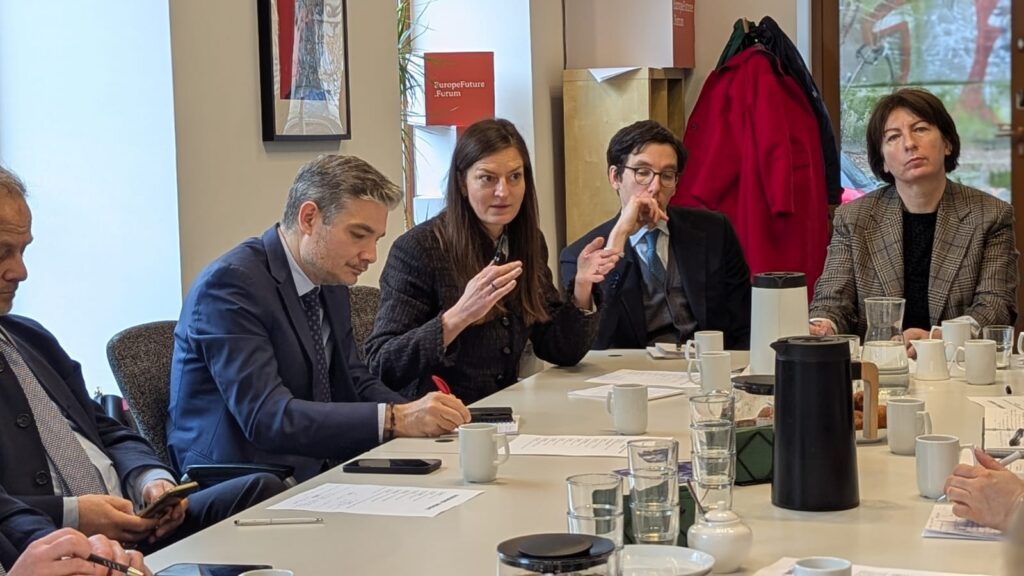


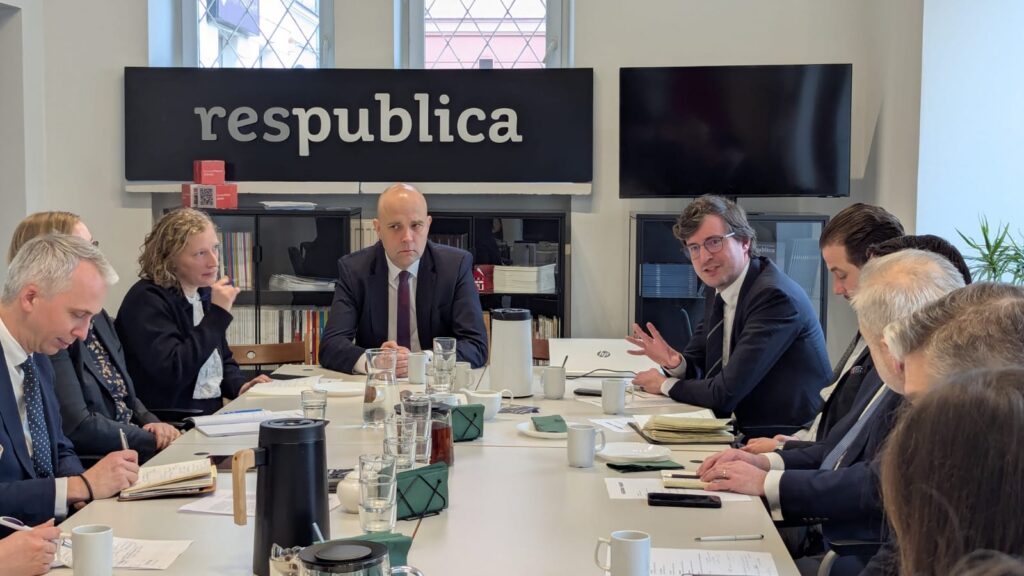
Democratic security comes at a price. What is yours?
Subscribe now for full access to expert analysis and policy debate on Central Europe.

Commentary
Democratic Security
Think Tank
Greasy Lies. Food Crises as Fuel for Chinese and Russian Disinformation
6 August 2026
Commentary
Democratic Security
Think Tank
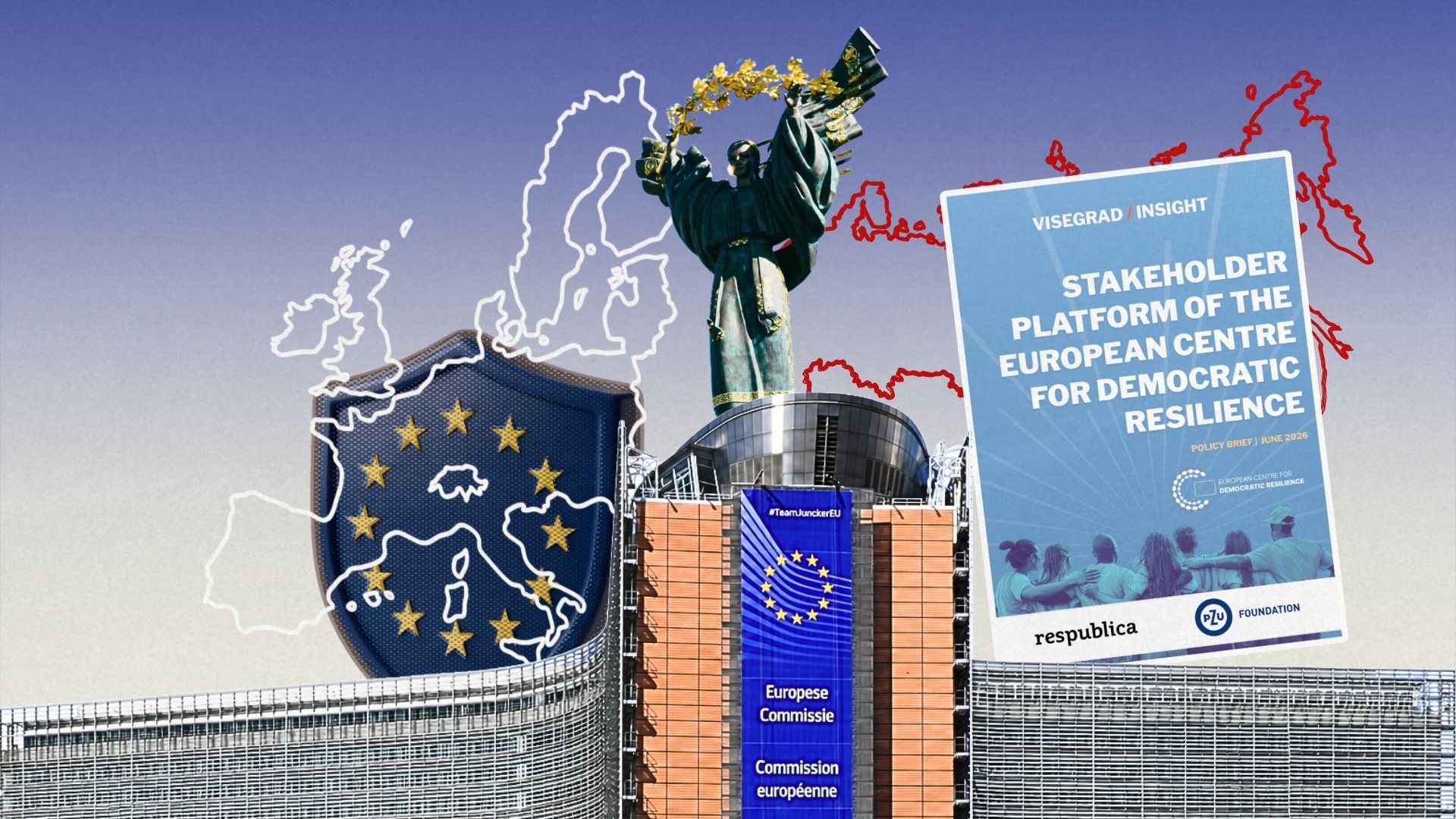
Brussels Is Planning the Platform Ukraine Already Built
29 July 2026
Economic Security
Think Tank
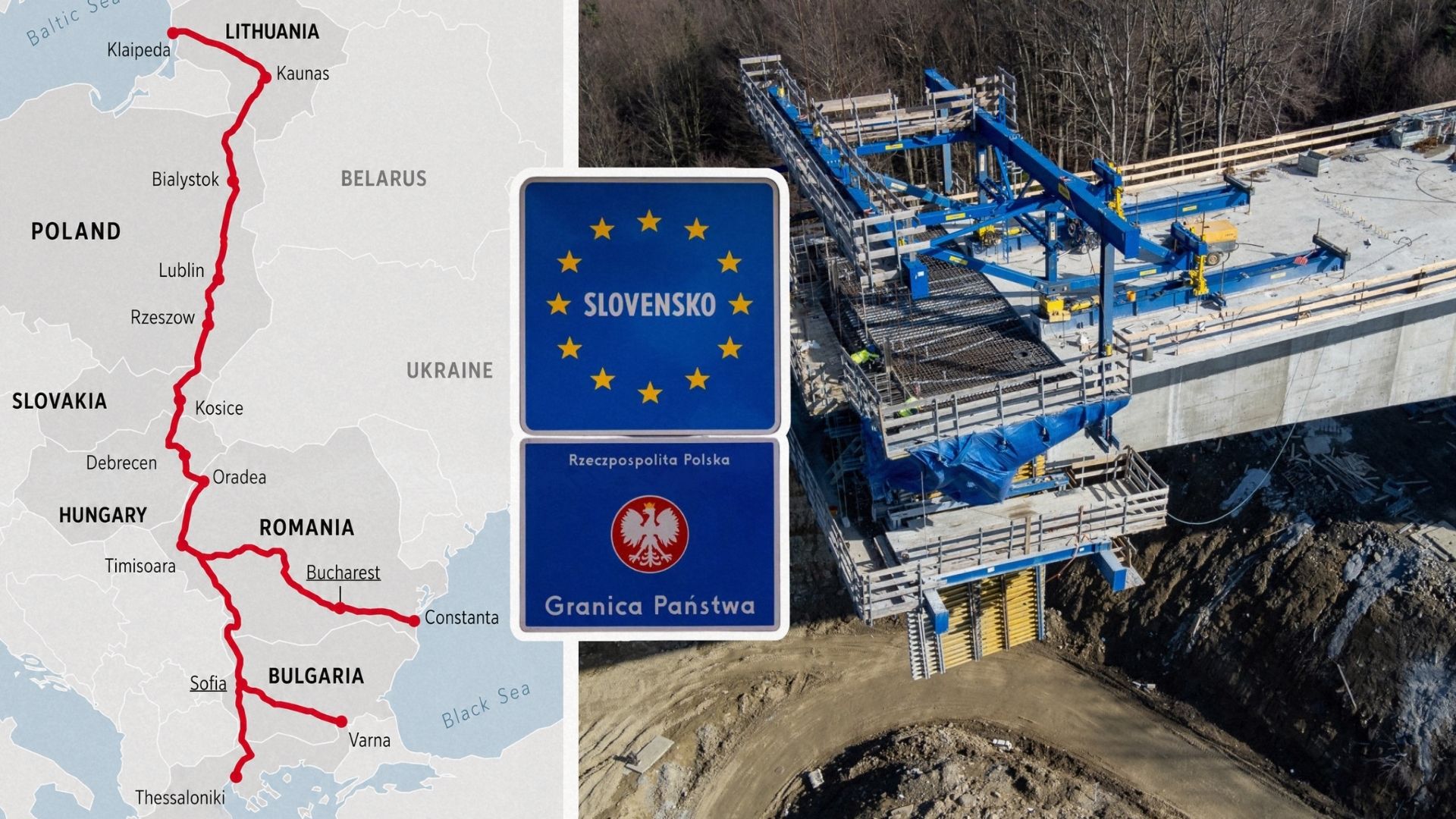
Slovakia Partners Up with Poland on Pragmatic Three Seas Initiative
23 July 2026
Commentary
Democratic Security
Think Tank
Citizens Are First in Line Against Russia’s Sabotage in CEE
21 July 2026