Events
Think Tank
How Europe Can Build the Capacity to Act Together
2 October 2026

13 May 2026
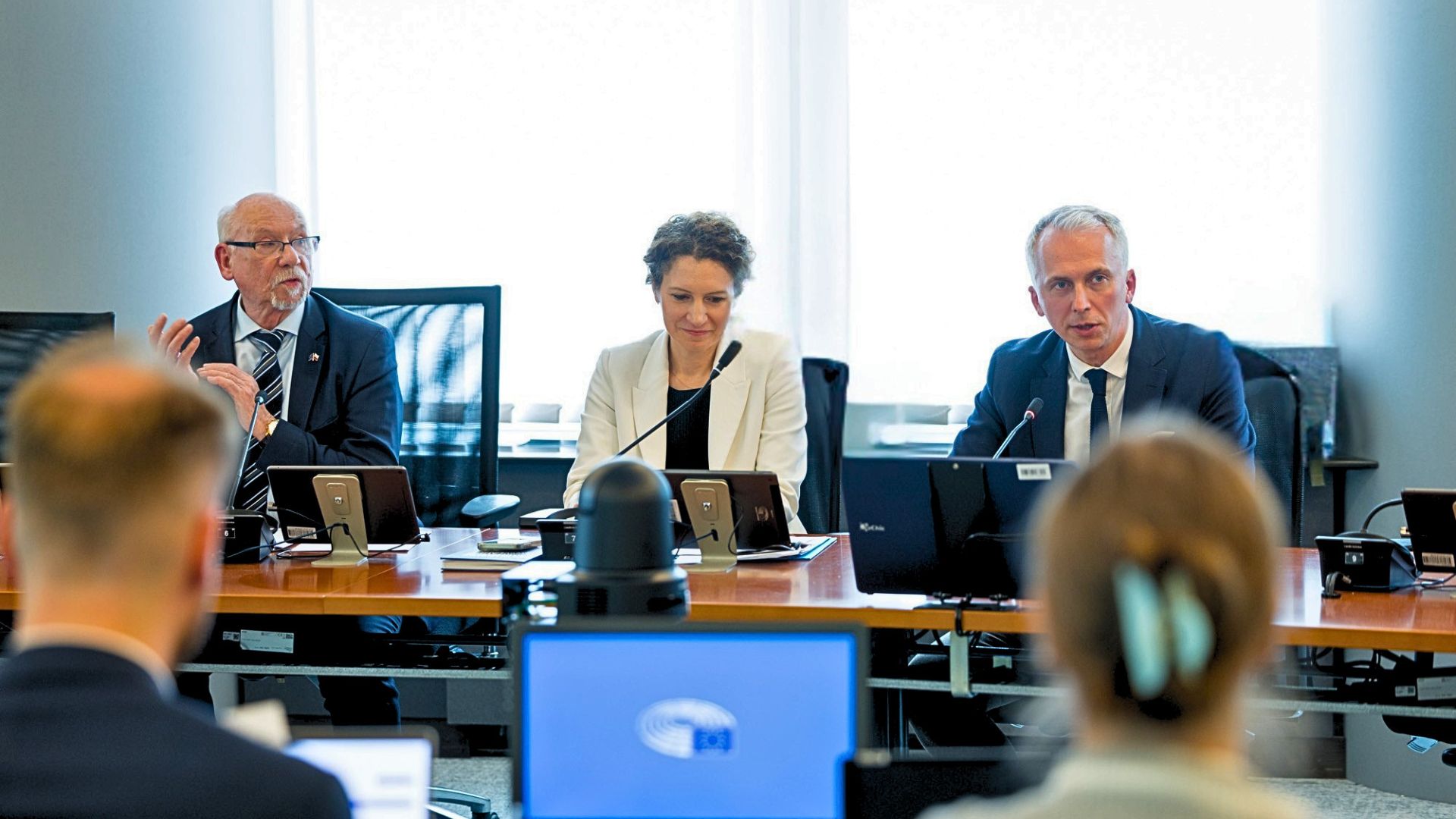
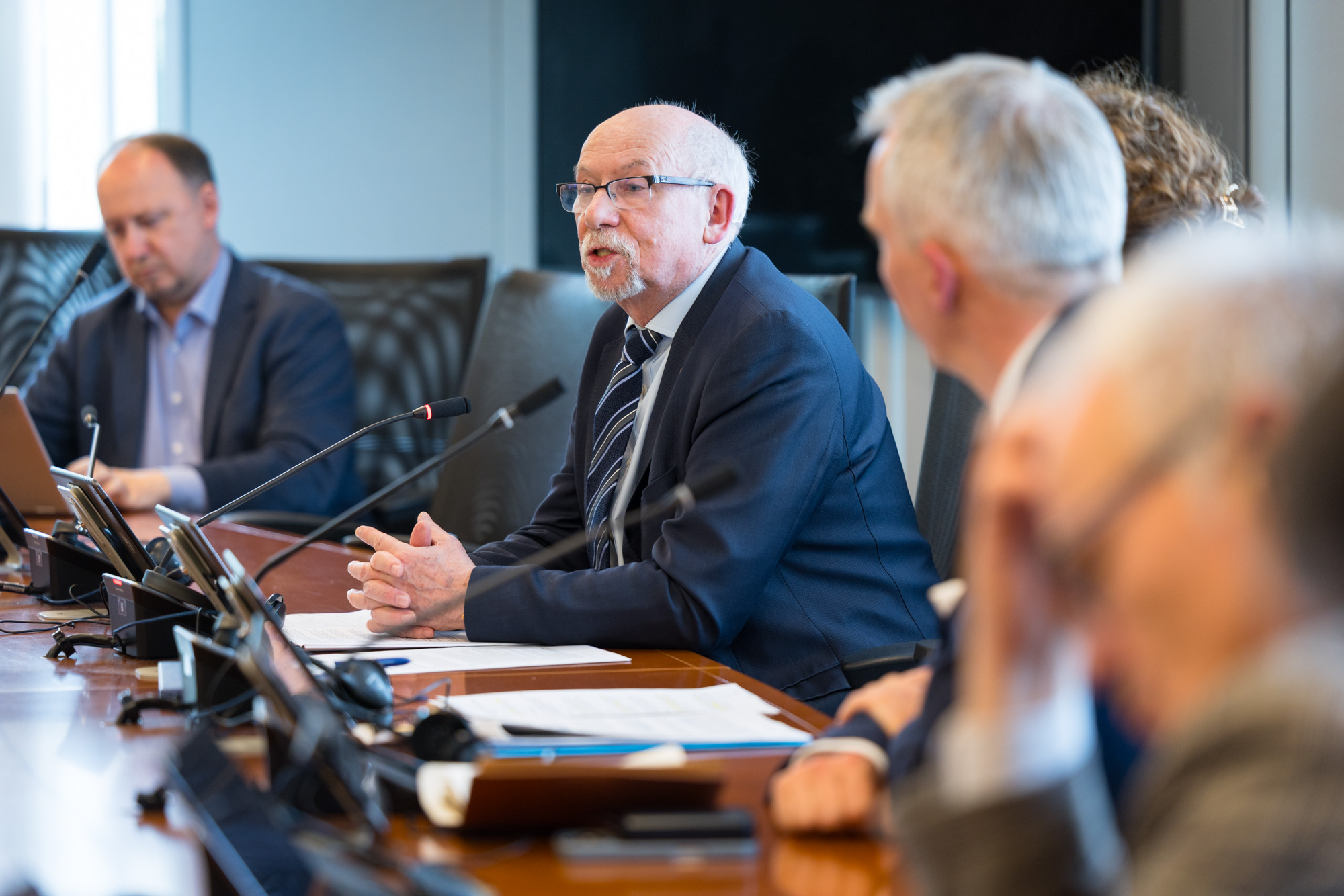
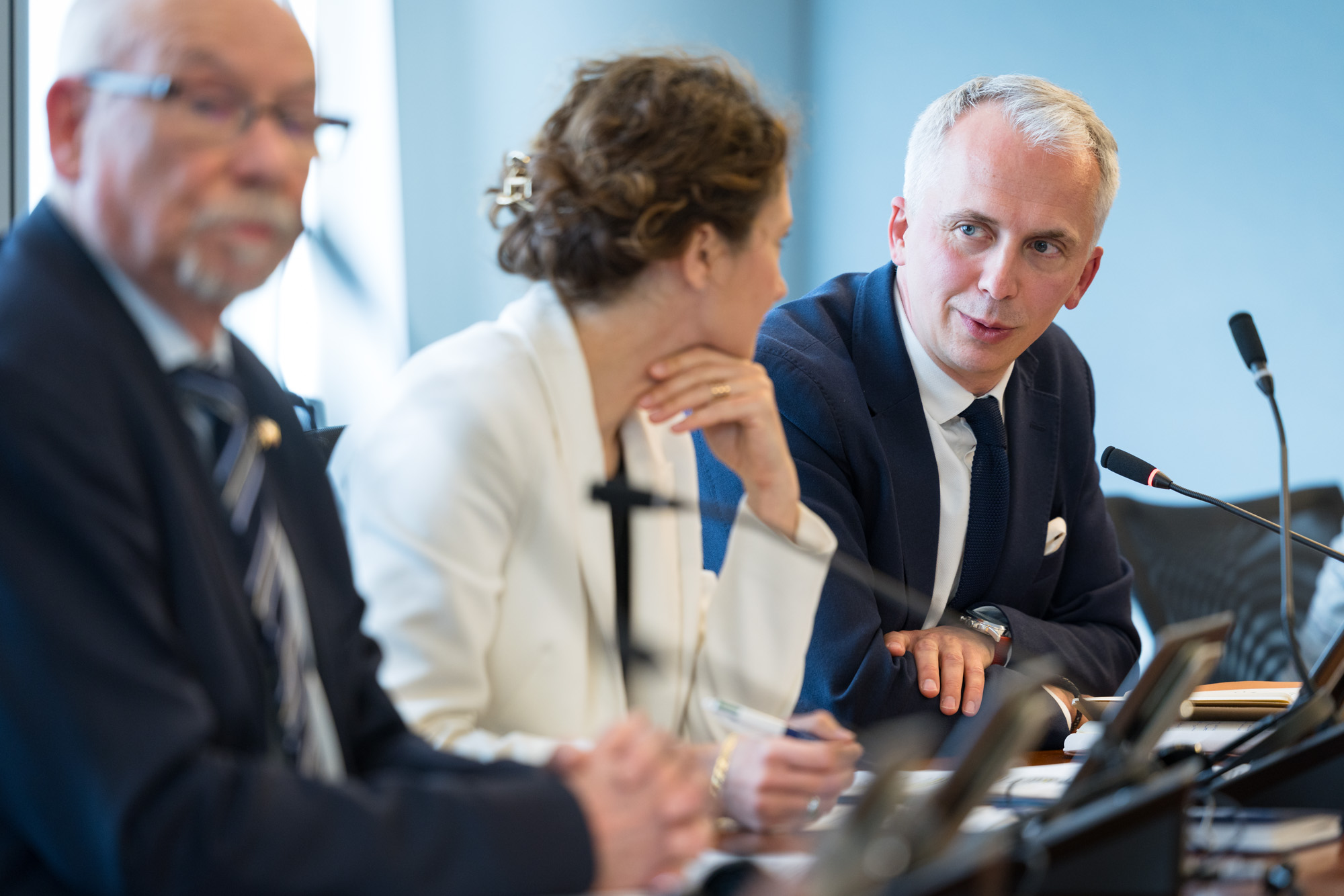
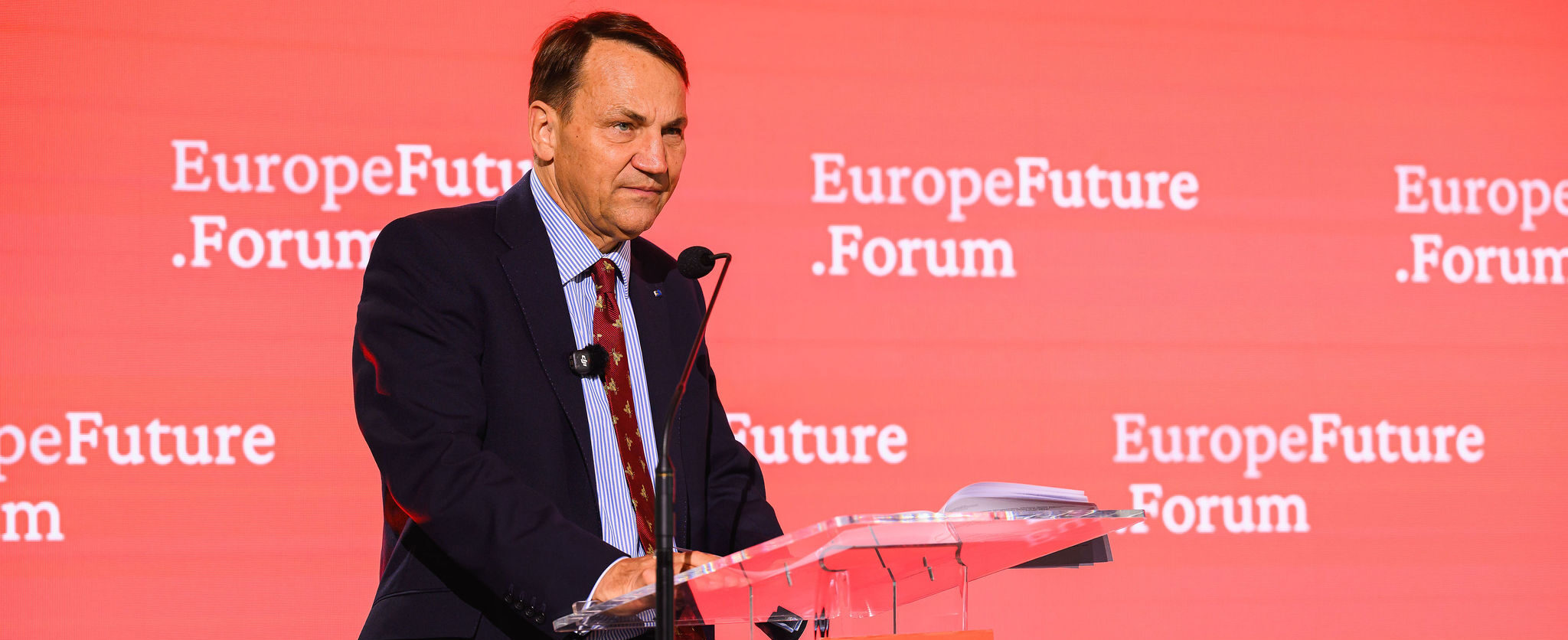
For the first time since Hungary’s seismic 12 April elections, a Polish and a Hungarian MEP sat side by side at the European Parliament to discuss what democratic fragility means for European security – and what it takes to save it from within.
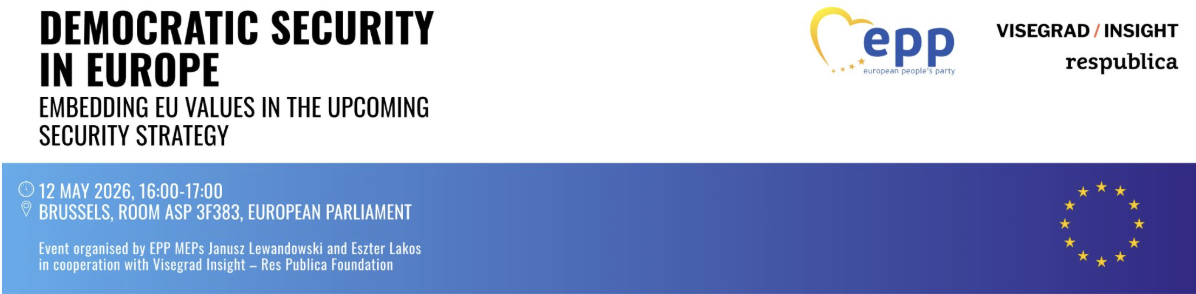
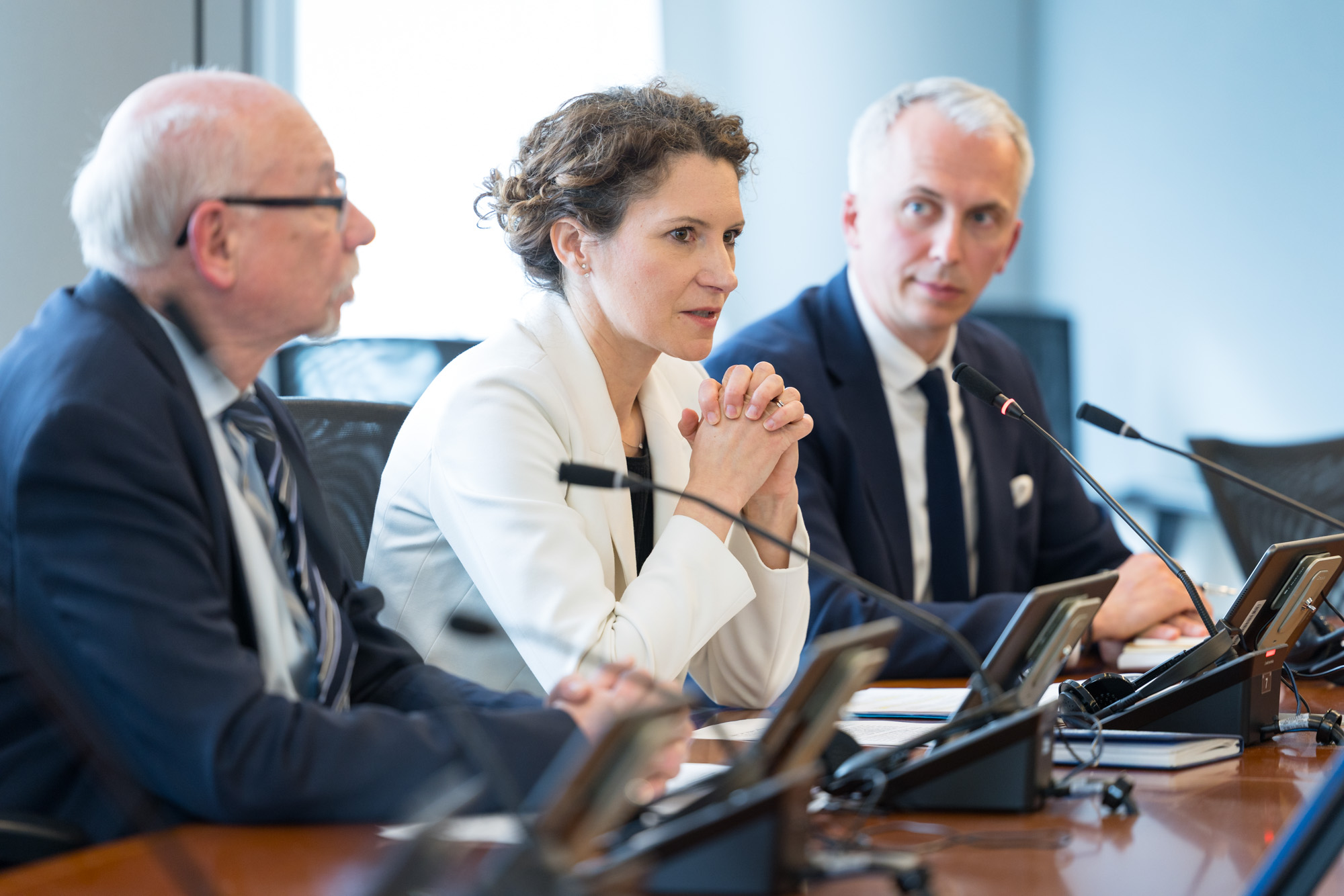
In Brussels, the contrast was not lost on anyone in the room. Janusz Lewandowski, the veteran Polish MEP who once played football with a young Viktor Orbán on the shores of Lake Balaton, sat alongside Eszter Lakos, Hungarian MEP whose party had just defeated the regime Orbán built. The host of the event Wojciech Przybylski opened a discussion that, in its very composition, would have been impossible just weeks earlier.
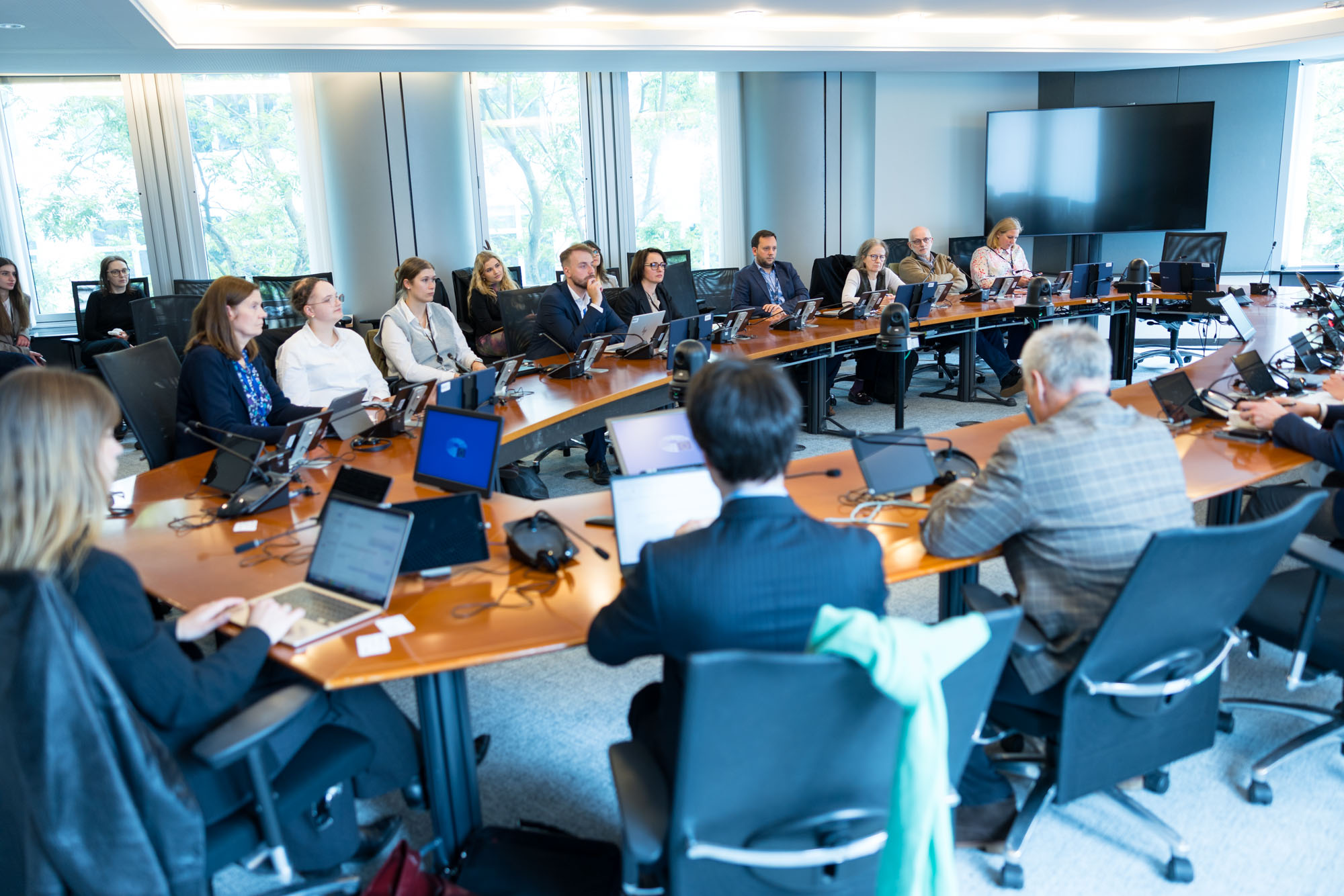
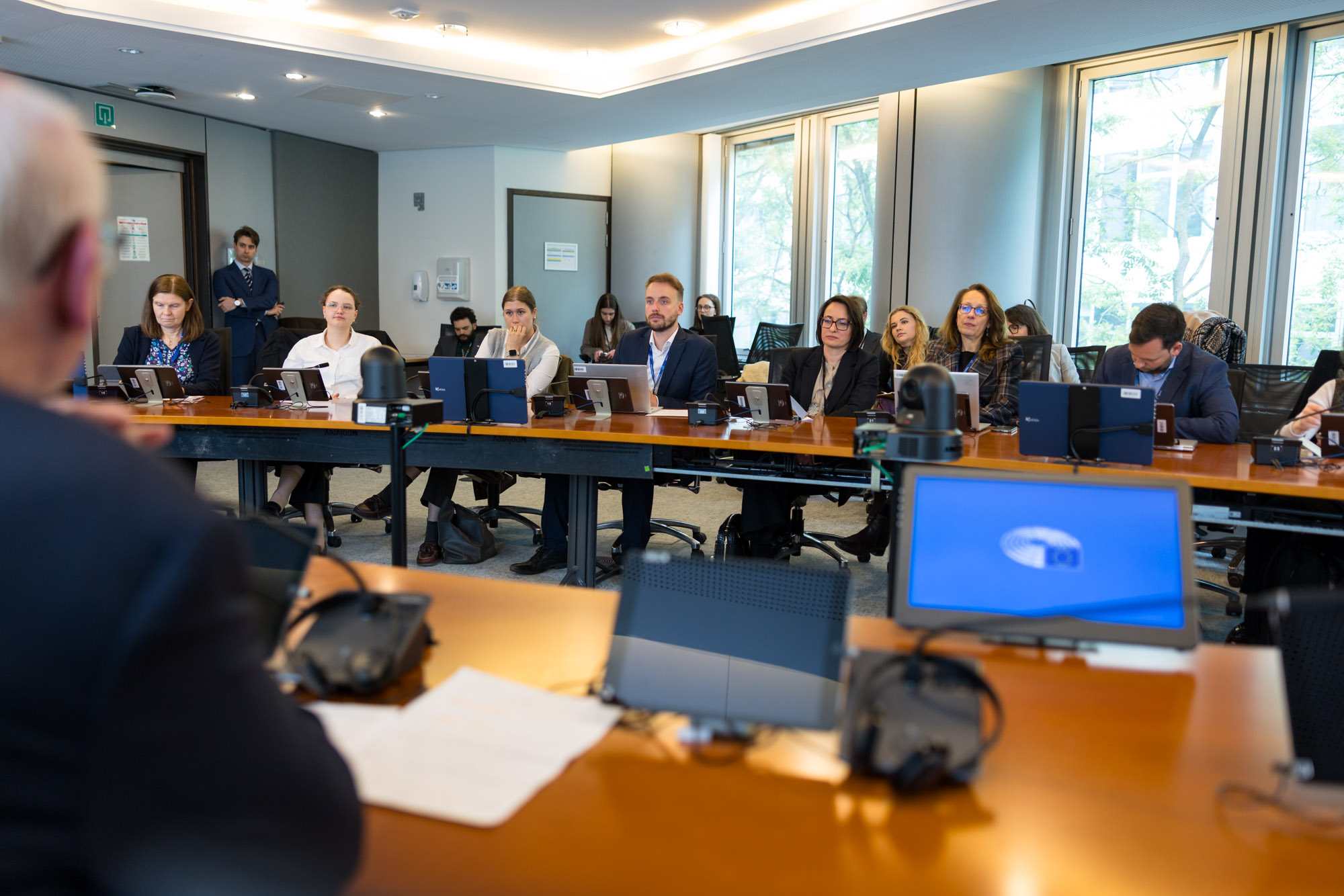
The event, co-hosted by Lewandowski, Lakos and Visegrad Insight/Res Publica Foundation, marked the first European Parliament seminar to bring together Polish and Hungarian MEPs in a structured discussion on democratic security since Hungary’s historic elections of 12 April 2026. That the meeting could happen at all was itself a statement. Hungary is back at the table.
‘I was even playing football with him at Balaton’, Lewandowski said of Orbán, with the weariness of someone cataloguing betrayals. ‘He was absolutely pro-European, absolutely anti-Russian. So this is one of his unthinkables’.
For a politician who built his career inside a peaceful European project, the mood of the session was an uncomfortable but necessary reckoning. Democracy, the room agreed, is mortal.
Lakos, a member of the Tisza party that won last month with a historic supermajority, came armed with figures. Roughly 80 per cent of Hungary’s media had been consolidated in the hands of Fidesz and its proxy foundations. On the public broadcaster, 43 per cent of airtime was allocated to the government and a further 22 per cent to the party – a combined 65 per cent share for the incumbent. Tisza, despite its eventual victory, received 29 per cent of coverage, the bulk of it framed negatively.
‘The entire toolbox has been used in Hungary‘, Lakos told the gathering. Constituency boundaries had been redrawn in 2024 without independent oversight. Deepfake videos circulated in the final weeks of the campaign, including a fabricated scene of a father dying in Ukraine – a piece of fear-mongering designed to portray Tisza as a party that would send Hungarian sons to war. And beyond the domestic machinery, a Russian hand was present.
‘The same person, actually from the Secret Services who orchestrated the interference from Russia’s side into the Moldovan elections’, Lakos said, ‘was sitting in Budapest’. The democratic frontline, multiple speakers emphasised, does not stop at the EU’s eastern border. What is tested in Chișinău circulates westward.
Against this backdrop of captured institutions, gerrymandered constituencies and state-controlled airwaves, the opposition won. The final turnout figure – 79.6 per cent, a historic high – was the proximate cause. But the deeper explanation was proximity.
Péter Magyar, the Tisza leader, was described by Lakos and others in the room not merely as a politician but as something closer to a movement builder who understood that broadcast politics had been captured, so he went analogue. In the final six months of the campaign, he visited six different small villages. Civic volunteer networks – grouped under the name ‘Super Tisza Islands’ – met monthly across the country and ran parallel working groups on sectoral policy.
‘You have to be there with people‘, Lakos said. ‘You have to do the campaign on foot. You have to listen to them’. At the inaugural session of the new Hungarian parliament, Magyar had told his supporters to stay close and keep talking, because politicians cannot deliver without people behind them. In Brussels, Lakos echoed the point: ‘Being a politician is serving people‘.
The lesson has direct implications for how the EU frames its own democracy policies. The Democracy Shield, as currently conceived, approaches democratic life as something to be defended from above. ‘Every citizen in Europe is a shield themselves in the process‘, Przybylski said, ‘rather than something that can be orchestrated and defended top-down’. Bottom-up agency, not institutional architecture, was what saved Hungarian democracy.
The wider strategic argument of the session turned on a disproportion. More than 130 billion euros is flowing into European defence over the next budget cycle. The dedicated democracy and civic engagement programme – AgoraEU – currently stands at 8.6 billion euros, itself a 36 per cent increase on its predecessor instruments, though Lewandowski noted it remains vulnerable to compression in the final round of multiannual financial framework negotiations.
‘Are we doing the right stuff in Europe by putting so much emphasis – rightly so – on hardware investment that was missing’, Przybylski asked, ‘and are we not forgetting how much investment is needed in supporting and upholding democratic values that provide the morale, the ability to resist?‘.
His answer, framed in a letter Napoleon once wrote to his brother about military campaigns, was pointed: character and will account for two-thirds of any decisive result, hardware for one-fourth. The kill lists recovered from Russian soldiers in the early months of the full-scale invasion of Ukraine – which prioritised civil society leaders, journalists and community organisers for capture or execution – were cited as the starkest evidence of what adversaries understand and democratic strategists have been slow to acknowledge.
‘Democratic civil society is the central pillar of democratic infrastructure, but also of defence posture infrastructure’, Przybylski said. ‘It is critical infrastructure that enables the sovereignty of our nations within the European project’.
In a Chatham House conversation, experts shared a lesson drawn from Ukrainian civil society in the first months of the invasion. Activists and journalists found themselves paralysed by a dilemma: expose government corruption and inefficiency, or stay silent to avoid fuelling Russian propaganda?
The judgement they reached was that silence would ultimately cost more. ‘If I don’t speak’, one of the experts summarised the Ukrainian activists‘ conclusion, ‘my government will be less and less efficient and eventually will lose the ability to win a war’. The lesson for EU member states is uncomfortable but direct – protecting governments that profess democratic values but govern inefficiently, in the name of democratic solidarity, is itself a democratic risk.
The discussion did not linger long on Hungary’s past. Its eyes were on what comes next. The French, Italian, Slovak and Polish electoral cycles running into 2027 were each described as battlefields in their own right for the project of European resilience – contests in which the methodologies tested in Moldova, Romania and Hungary will circulate freely.
Another expert confirmed that Poland, having struggled to find regional partners on democratic resilience questions when Hungary was under Orbán’s control – reaching as far as France to build coalitions – now counts on Budapest to join that work. ‘We really count on Hungary to be with us in this project’, they said.
Others cited figures from a survey of 1,256 civil society organisations across all 27 member states: 67 per cent had experienced online attacks and threats; 60 per cent had faced negative media coverage and smear campaigns; 35 per cent had had their funding cut for political reasons. Civil society, in other words, is the infrastructure under attack even before elections begin.
Lewandowski, closing with characteristic directness, offered the room a sobering statistical frame: in 2004, 51 per cent of the world’s population lived under democracy; by 2024, that figure had fallen to 28 per cent. The algorithm-driven internet, he argued, rewards radical content. Insecurity pushes people toward strongmen. The trend is not good.
And yet the Hungarian result – achieved against captured media, gerrymandered maps, foreign interference and deepfake propaganda – pushed in the other direction.
Przybylski was careful to frame what Tisza’s victory represents: not a restoration, but an opportunity for democratic innovation. ‘Hungary will now be a focus of a lot of interest’, he said, ‘along the innovation that you have the enormous opportunity not to build back what was there, but to innovate democracy – given all the experience you have had’.
Visegrad Insight announced that the Hungarian story and the broader question of democratic security running through the Central and Eastern European electoral cycle into 2027 will remain central to its reporting and events programme. Tuesday’s gathering will definitely not be the last.
‘Making housewives defeat an empire that wants to kill them’, Przybylski said, describing the lesson from Ukraine. ‘That is something to be learned and to innovate’. Hardware, he concluded, cannot win without the people behind it. In Budapest, on 12 April, the people proved the point.
Photos from the event by Martin Lahousse.
Read more on the topic:
Visegrad Insight’s strategic foresight programme on EU values
How Civil Society Can Strengthen Europe’s Preparedness and Defence
What Orbán’s departure means for Hungary and for Europe
Democratic security comes at a price. What is yours?
Subscribe now for full access to expert analysis and policy debate on Central Europe.
Events
Think Tank
How Europe Can Build the Capacity to Act Together
2 October 2026
Commentary
Democratic Security
Few Reasons to Worry About Latvian Trump
1 October 2026
Analysis
Democratic Security
Hungary-Ukraine Spat Gains a New Dimension – OVERVIEW
1 October 2026
Economic Security
Think Tank
How Poland Wants to Turn a Failing Train Maker into a Geoeconomic Asset
30 September 2026