Commentary
Democratic Security
Think Tank
Greasy Lies. Food Crises as Fuel for Chinese and Russian Disinformation
6 August 2026

29 October 2025

Slovakia and Hungary remain Central Europe’s outliers on Russian energy. Alternatives exist, yet politics and pricing frictions pull the brakes.
The event was organised on 29 October on Zoom. The discussion was based on the piece by Visegrad Insight’s Fellow Eva Mihočková. Read Eva’s piece Slovakia Turns the Page on Russian Fossil Fuels.
The big picture:
Slovakia and Hungary remain Central Europe’s outliers on Russian energy. Alternatives exist, yet politics and pricing frictions pull the brakes.
Driving the story:
A public discussion anchored in recent analysis of Slovakia’s gas dependence and regional transit shifts.
State of play:
• Slovakia moved from near total reliance on Russian gas to diversified routes via Poland, Czechia and Hungary. Less than half of consumption now comes from Russia.
• With Ukraine transit halted, Russian gas reaches Slovakia mainly through Hungary’s southern corridor.
• Interconnectors exist, but tariffs and business terms, especially via Poland, make non-Russian gas costlier even if technically feasible.
• Nuclear fuel for VVER-440 reactors is a shared structural vulnerability for Slovakia and Hungary.
What they are saying:
‘It is technically possible to live without Russian gas. You can supply 100% of Slovak gas consumption from other sources’. Eva Mihočková.
‘Ninety percent of the Slovak society needs subsidy to afford gas, which is more expensive than in Czechia’. Andrej Nosko.
Between the lines:
Energy choices are framed as sovereignty, yet domestic political narratives drive procurement as much as system security.
Catch up quick:
• SPP (Slovenský Plynárenský Priemysel, the biggest gas provider in Slovakia) estimates replacing Russian gas would add about 200 million euro a year; current household subsidies approach 400 million.
Yes, but:
Regulations in Poland and current business conditions make the Poland-route imports commercially non-viable.
The bottom line:
Slovakia can quit Russian gas on infrastructure grounds; the binding constraint is political will and contracting discipline before 2027.
By the numbers:
Get 25% off your Visegrad Insight subscription! Apply the VISEGRADINSIGHT-25 code at checkout to get an annual subscription for only €30 (€10 off). CLICK HERE TO SUBSCRIBE.
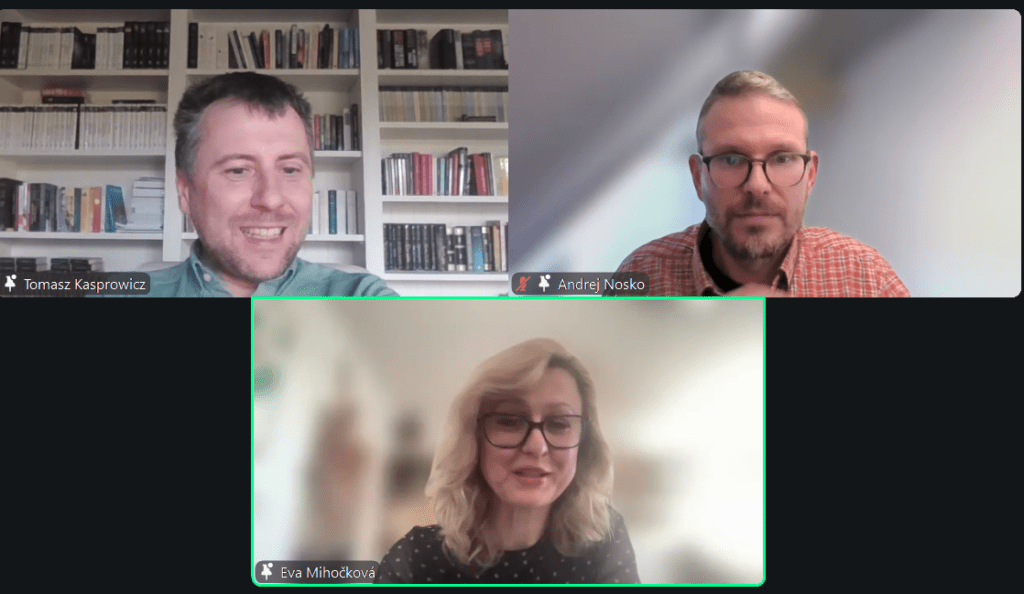
Speakers:
Eva Mihočková – Marcin Król Fellow 2024 at Visegrad Insight. She is the Editor-in-Chief of Foreign Policy SFPA, a media website operated by the Slovak Foreign Policy Association. She is also a member of Team Europe Direct and works as an investigative journalist for Stop the Corruption Foundation.
Andrej Nosko, PhD – Central European energy policy and security expert, visiting researcher at the Faculty of Political Sciences and International Relations of Matej Bel University in Banská Bystrica. His interests include the political economy of security, energy transition, energy policy and security of EU countries and regional cooperation in Central Europe.
Moderator:
Tomasz Kasprowicz – since 2023, Editor-in-Chief of Res Publica Nowa; a member of its editorial team since 2008. PhD in Finance, specializing in risk management, earned his doctorate at Southern Illinois University. An academic lecturer with experience across three continents. Economic columnist contributing to national and regional press. Since 2008, an entrepreneur in the IT industry.
Democratic security comes at a price. What is yours?
Subscribe now for full access to expert analysis and policy debate on Central Europe.
Commentary
Democratic Security
Think Tank
Greasy Lies. Food Crises as Fuel for Chinese and Russian Disinformation
6 August 2026
Commentary
Democratic Security
Think Tank
Brussels Is Planning the Platform Ukraine Already Built
29 July 2026
Economic Security
Think Tank
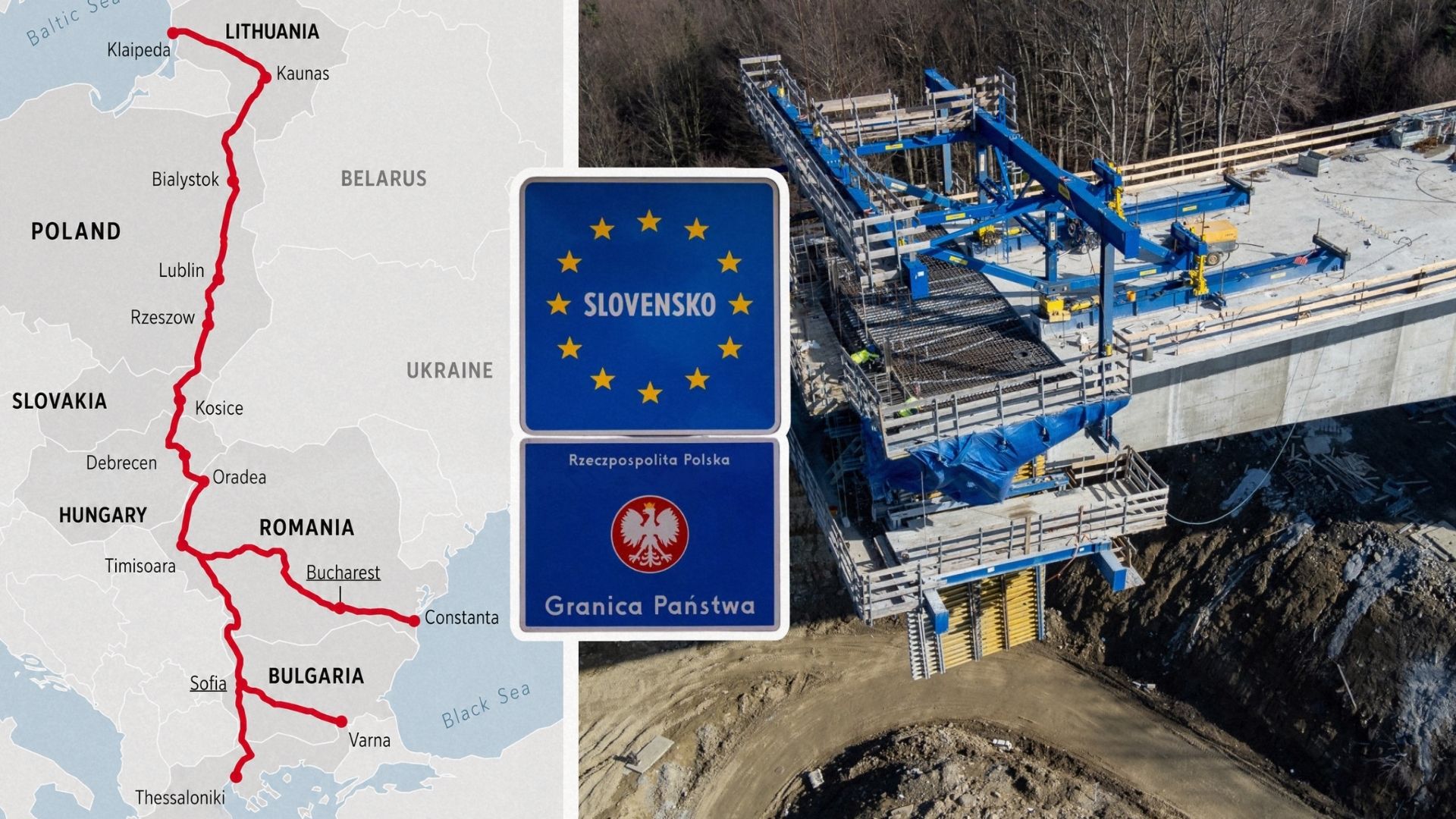
Slovakia Partners Up with Poland on Pragmatic Three Seas Initiative
23 July 2026
Commentary
Democratic Security
Think Tank
Citizens Are First in Line Against Russia’s Sabotage in CEE
21 July 2026