
Commentary
Economic Security
No Endgame in Von Der Leyen’s China Strategy
23 September 2026

21 October 2025

As the European Union (EU) commits to phasing out Russian fossil fuels by the end of 2027, energy security has become a strategic and geopolitical imperative. The ongoing war in Ukraine has only underscored what was already clear: Russia is not a reliable energy partner, having weaponised its fossil fuel exports multiple times in recent history. For Slovakia, this transition away from Russian gas presents both an enormous challenge and a unique opportunity for regional cooperation with its Visegrad Group (V4) neighbours.

Among EU member states, Slovakia stands out for its exceptionally high rate of household gasification. Recent data indicate that 94 per cent of the population has access to natural gas, making Slovakia the second most gasified country in Europe after the Netherlands. In the first half of 2025, natural gas consumption in Slovakia reached nearly 26,000 GWh, a seven per cent increase compared to the same period in 2024.
Most of this consumption is tied to household heating and hot water. Gas boilers are the dominant form of heating in family homes, and gas accounts for about half of the fuel mix in heating plants that supply district heating systems. This dependency means that, while many European nations accelerate their transition to renewables, Slovakia has a hard time giving up gas and is treading a more cautious path to maintain energy stability.
Before 2022, Slovakia relied primarily on Russian gas flowing eastward through Ukraine. The war triggered an urgent need to diversify. What followed was a rapid transformation of Slovakia’s gas infrastructure, enabled by cooperation with neighbouring V4 countries.
Today, Slovakia has pipeline interconnections with all its neighbours. Gas can flow from Ukraine, Austria and Czechia in the west, Hungary in the south and Poland in the north. This network of interconnectors has helped safeguard the country’s energy security.
Crucially, these pipelines also provide access to non‑Russian gas sources, including suppliers from Norway, Azerbaijan, Qatar and the United States. This flexibility is vital, particularly as Ukraine has halted the transit of Russian gas, while Slovakia still relies on Russian gas for more than half of its consumption.
Despite diversification, Slovakia is not yet free from Russian supply. The state‑owned gas company Slovenský plynárenský priemysel (SPP) holds a long‑term contract with Gazprom valid until 2034. This complicates any swift transition away from Russian volumes.
A practical workaround has been cooperation with Hungary. Through a southern route involving Hungary’s pipeline network and the TurkStream pipeline, which runs from Russia through the Black Sea and the Balkans, Russian gas continues to reach Slovakia. At the beginning of 2025, daily flows through this route averaged seven to eight million cubic metres.
‘Slovakia is no longer dependent on a single eastern route. We can now receive gas from virtually all directions,’ said Richard Kvasňovský, director of the Slovak Gas and Oil Association (SPNZ).
Among the alternative routes, the western corridor from Germany through Austria and Czechia is currently preferred by Slovak authorities. SPP cites sufficient transport capacity and lower transit fees compared to the northern route through Poland.
‘If Slovakia needs to use the Czech energy or gas infrastructure for transit, it is ready. It has sufficient capacity to meet the Slovak Republic’s needs,’ said Czech Minister of Industry and Trade Lukáš Vlček in December 2024.
The partnership with Czechia goes beyond infrastructure. SPNZ and the Czech Gas Association (ČPS) are deepening collaboration on reducing methane emissions and promoting hydrogen and biomethane as future energy carriers.
‘We are also working effectively on implementing the EU Directive on the Energy Performance of Buildings, coordinating our steps closely,’ explained ČPS director Martin Slabý.
The Poland–Slovakia interconnection from Strachocina in Poland through Výrava to Veľké Kapušany represents a strategic investment in future‑proofing Slovakia’s gas security. With a transport capacity of 4.7 billion cubic metres annually, it exceeds Slovakia’s entire annual gas consumption of 4.3 billion cubic metres. Until recently, this pipeline was underutilised, but that is changing.
In 2024, Slovak energy companies Východoslovenská energetika (VSE) and ZSE Energia signed contracts for gas delivered through this northern route. The gas originates as United States LNG, imported via the Lithuanian port of Klaipėda and transported in collaboration with the Polish energy firm Orlen. This marks the first use of the northern corridor for contracted supply, covering nearly 30 per cent of the gas needs of western and eastern Slovakia.
While the route is strategically important, traders have voiced concerns. They point to higher transport fees compared to the Czech route and bureaucratic hurdles, such as the need for a licence from Polish gas transmission operator Gaz‑System. These issues have limited the full commercial potential of this corridor.
Slovakia’s gas demand is expected to evolve. Renewables and electrification should gradually reduce the share of gas in the energy mix. However, given Slovakia’s household gasification and industrial structure, natural gas will remain a critical energy source in the medium term.
Regional cooperation through the V4 has been, and will continue to be, crucial. It has enabled Slovakia to diversify both its gas sources and transit routes, enhancing resilience.
In the context of the EU’s broader green transition and geopolitical challenges, Slovakia shows how infrastructure, diplomacy and regional cooperation can offer security and flexibility, even for countries with entrenched dependencies.
As the 2027 deadline approaches, the task for Slovakia is to accelerate its transition without compromising energy stability. Partnerships with V4 neighbours provide a solid foundation for a more integrated, secure and resilient Central European energy system.
Democratic security comes at a price. What is yours?
Subscribe now for full access to expert analysis and policy debate on Central Europe.
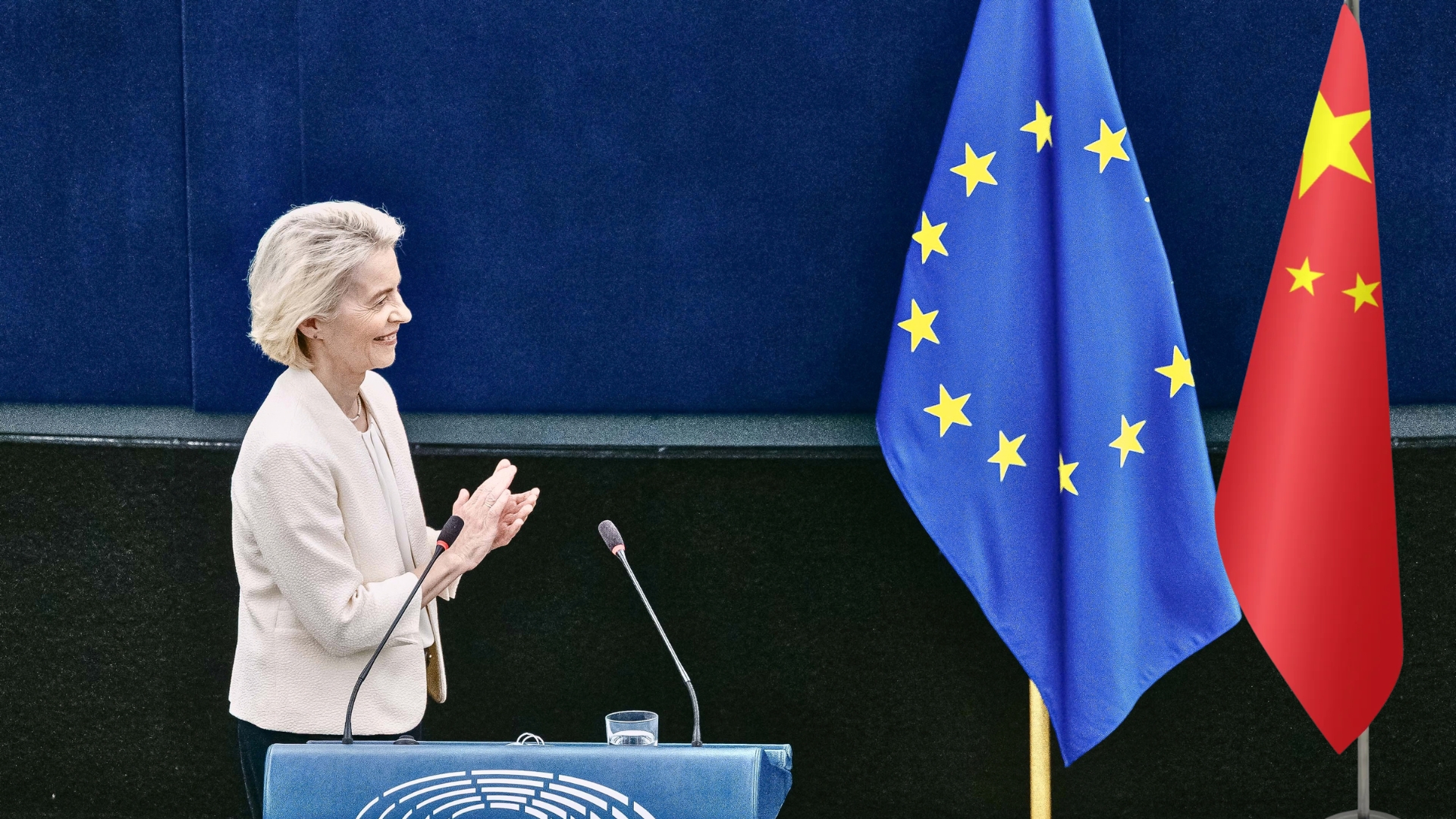
Commentary
Economic Security
No Endgame in Von Der Leyen’s China Strategy
23 September 2026
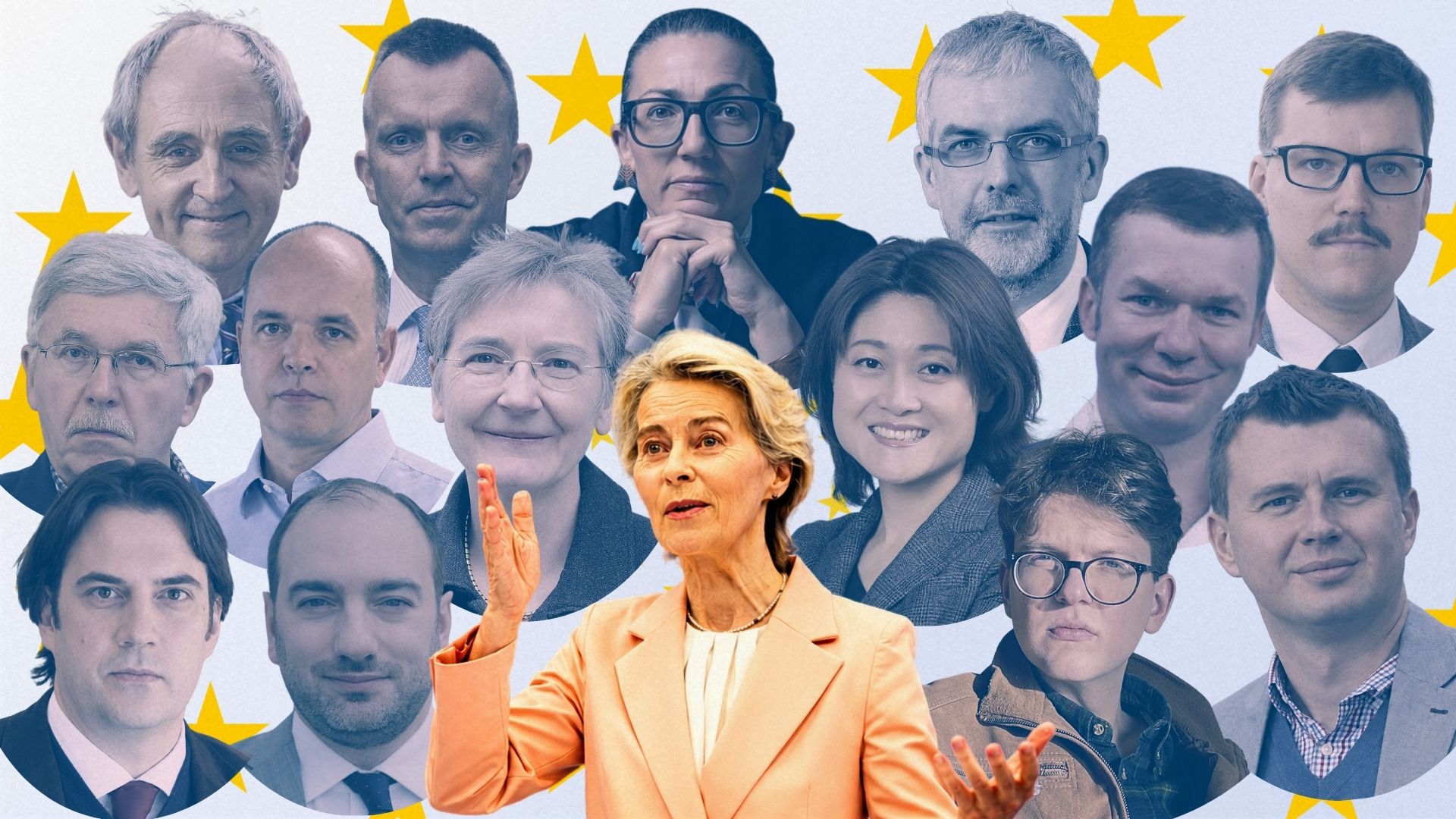
Democratic Security
Survey
Unlocked
What the European Security Strategy Should Be About?
10 September 2026
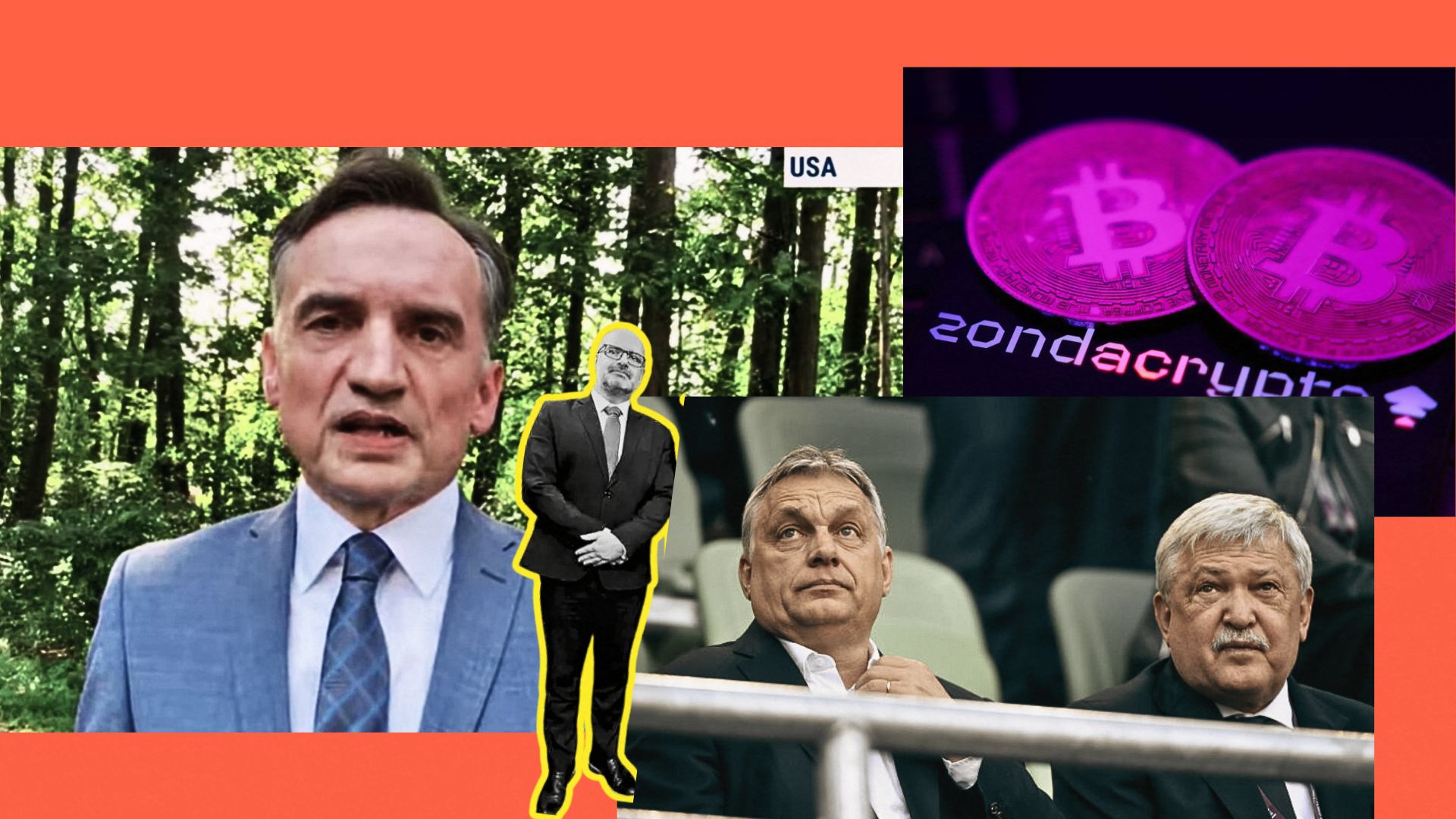
Analysis
Democratic Security
Unlocked
A Polish Crypto Rescue Priced on Orbán Staying in Power
9 September 2026
Commentary
Democratic Security
Central Europe’s AI Rollout Needs a Public Error Register
20 August 2026