
19 May 2025
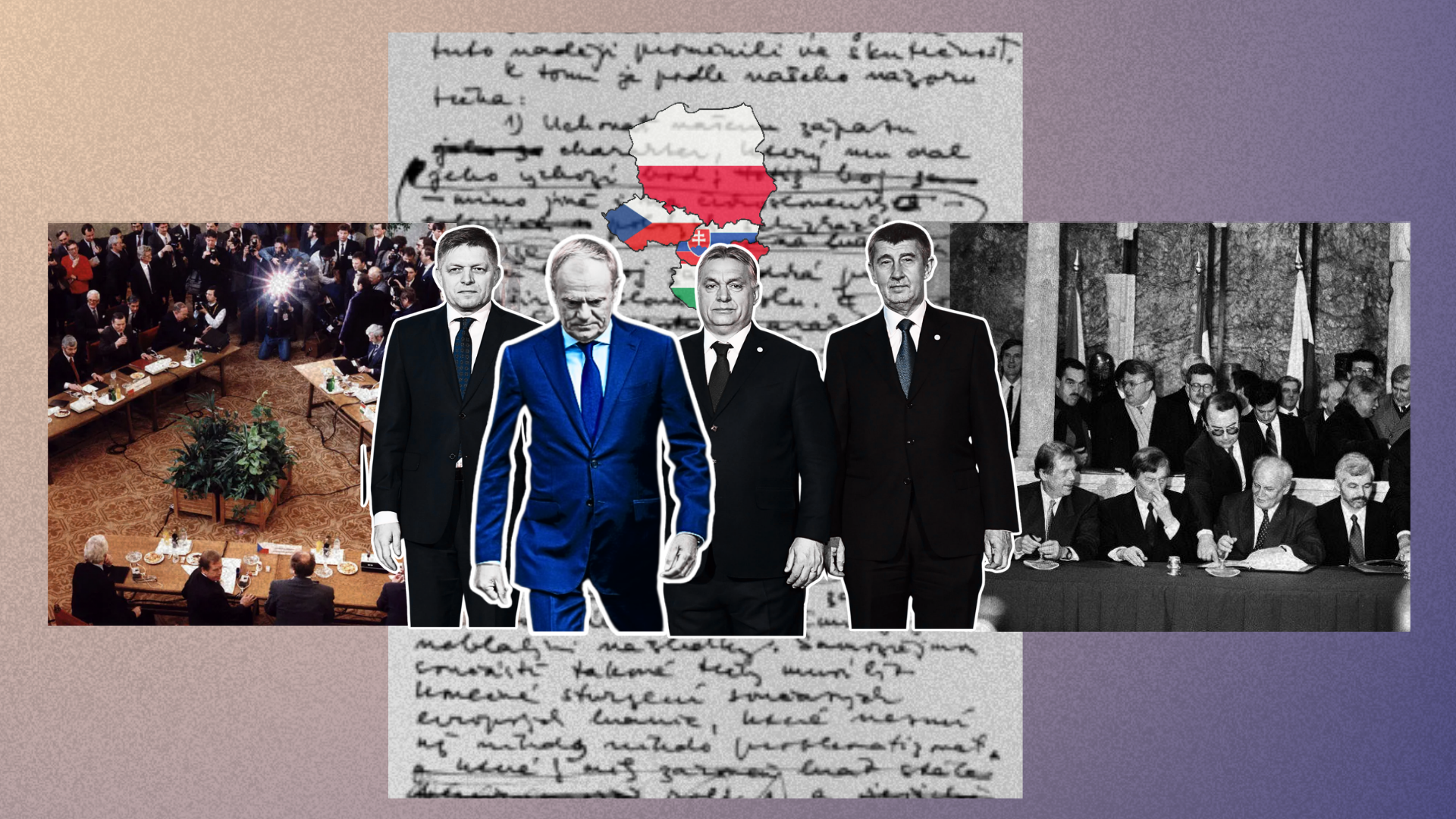
Read a commentary by Magda Jakubowska on the Visegrad Group’s nearly 35-year history and the main factors that continue to hold its cooperation together despite the many cracks that have emerged in recent years.
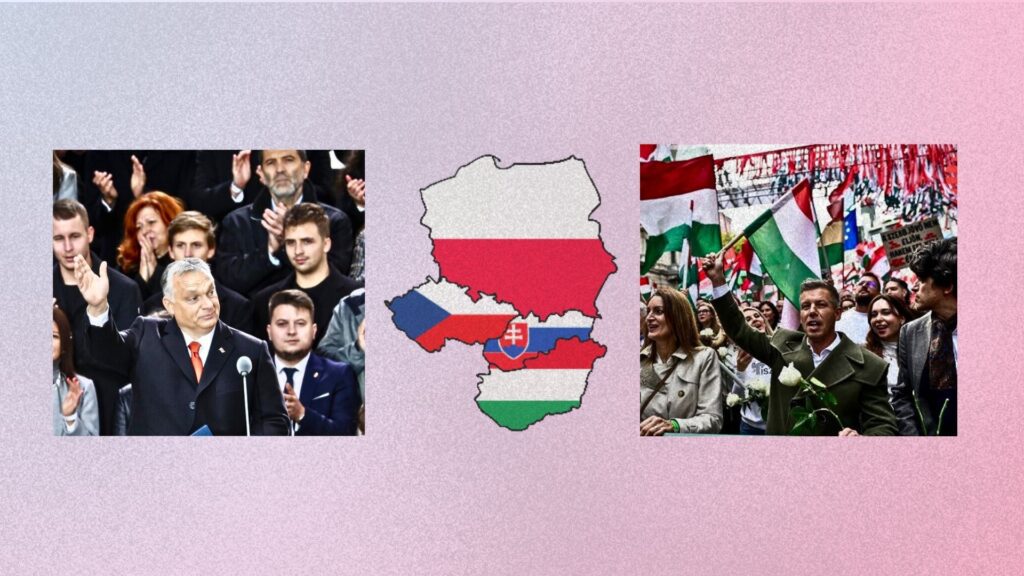
Read an analysis by Arslan Suleymanov on how regional cooperation in the Visegrad Group (V4) could evolve after Hungary’s ‘vote of destiny’ on 12 April.
Read a commentary by Wojciech Przybylski of how the Visegrad region can turn CEE’s new clout into real influence over Europe’s security and geostrategic priorities.

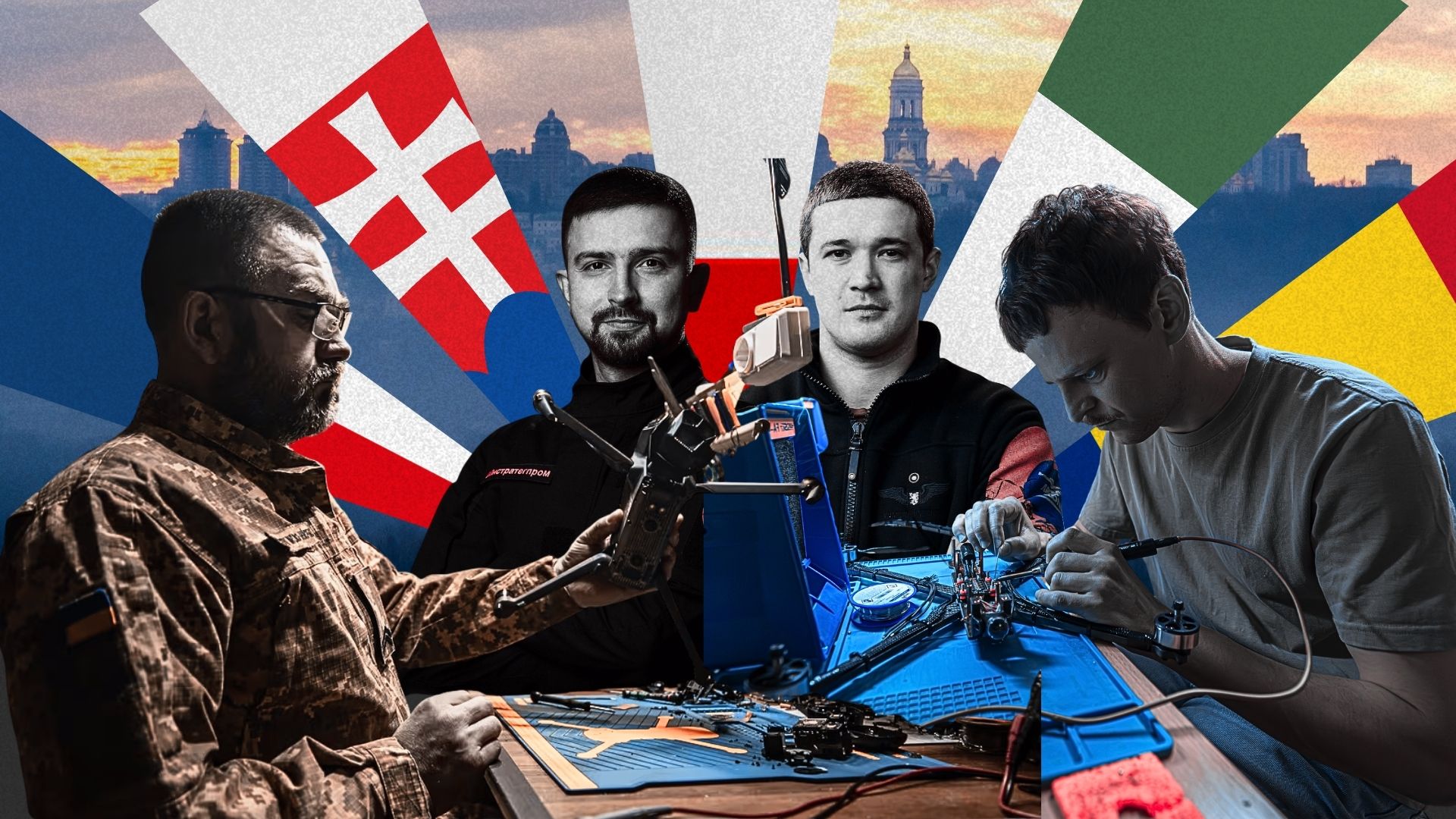
Read an analysis by Tamás Csiki on how defence-industrial cooperation with Ukraine is unlocking CEE’s potential as Europe’s new security powerhouse.
Read an analysis by Albin Sybera on how Denník N’s journalist-owned model is redrawing the map of independent media from Bratislava to Brussels.

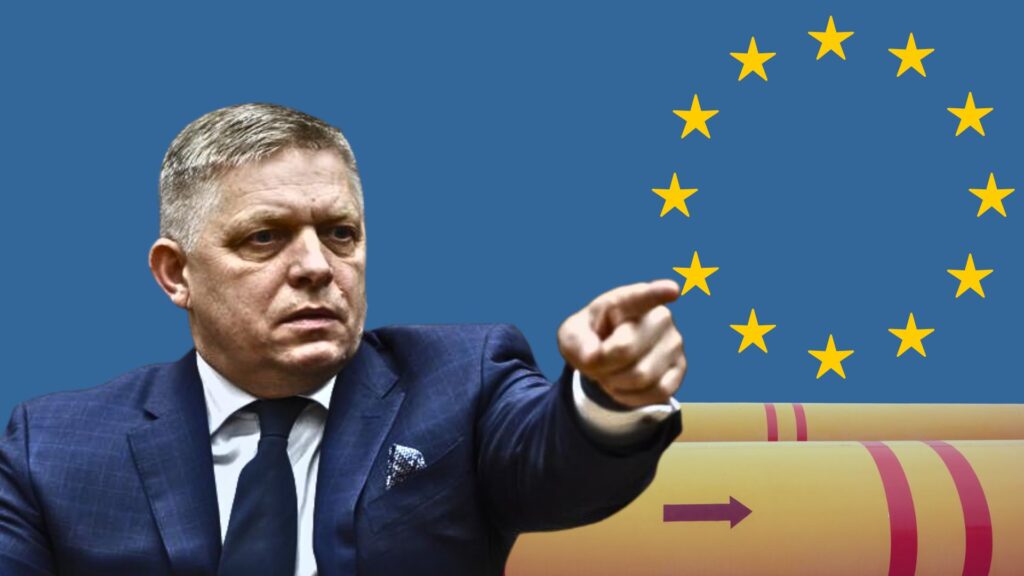
Read an analysis by Michal Vašečka on how rent seeking drives Fico’s Brussels strategy.
Read an analysis by Kateřina Šafaříková of how Andrej Babiš’s victory will impact Czechia’s positioning in the European Union.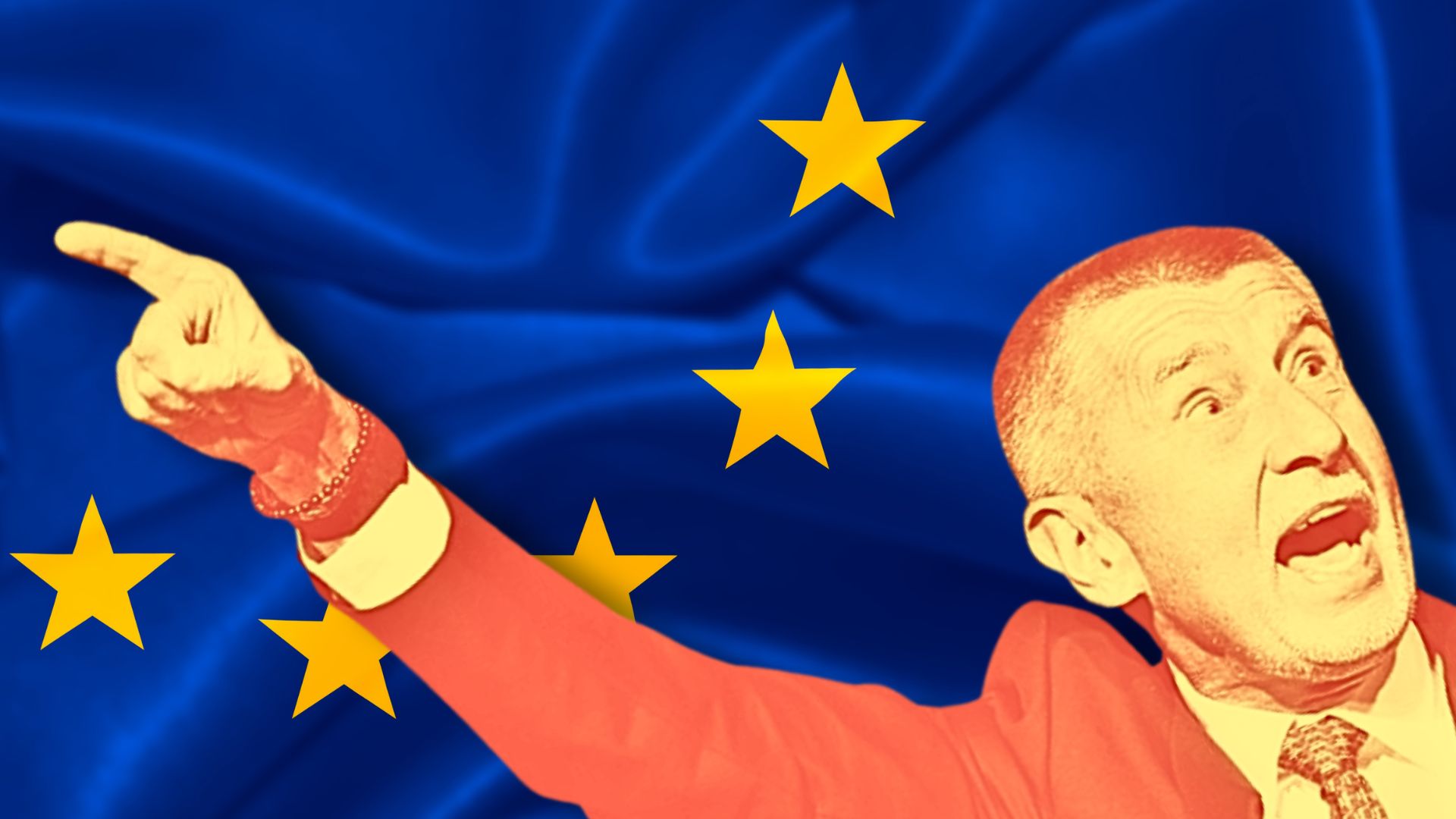
Read the commentary by Eva Mihočková on Slovakia’s transition from Russian gas and the opportunities it presents to the Visegrad Group.

Read an analysis by Erik Uszkiewicz on how Viktor Orbán’s Fidesz party has made hostility toward Ukraine the centrepiece of its propaganda while approaching the 2026 elections.
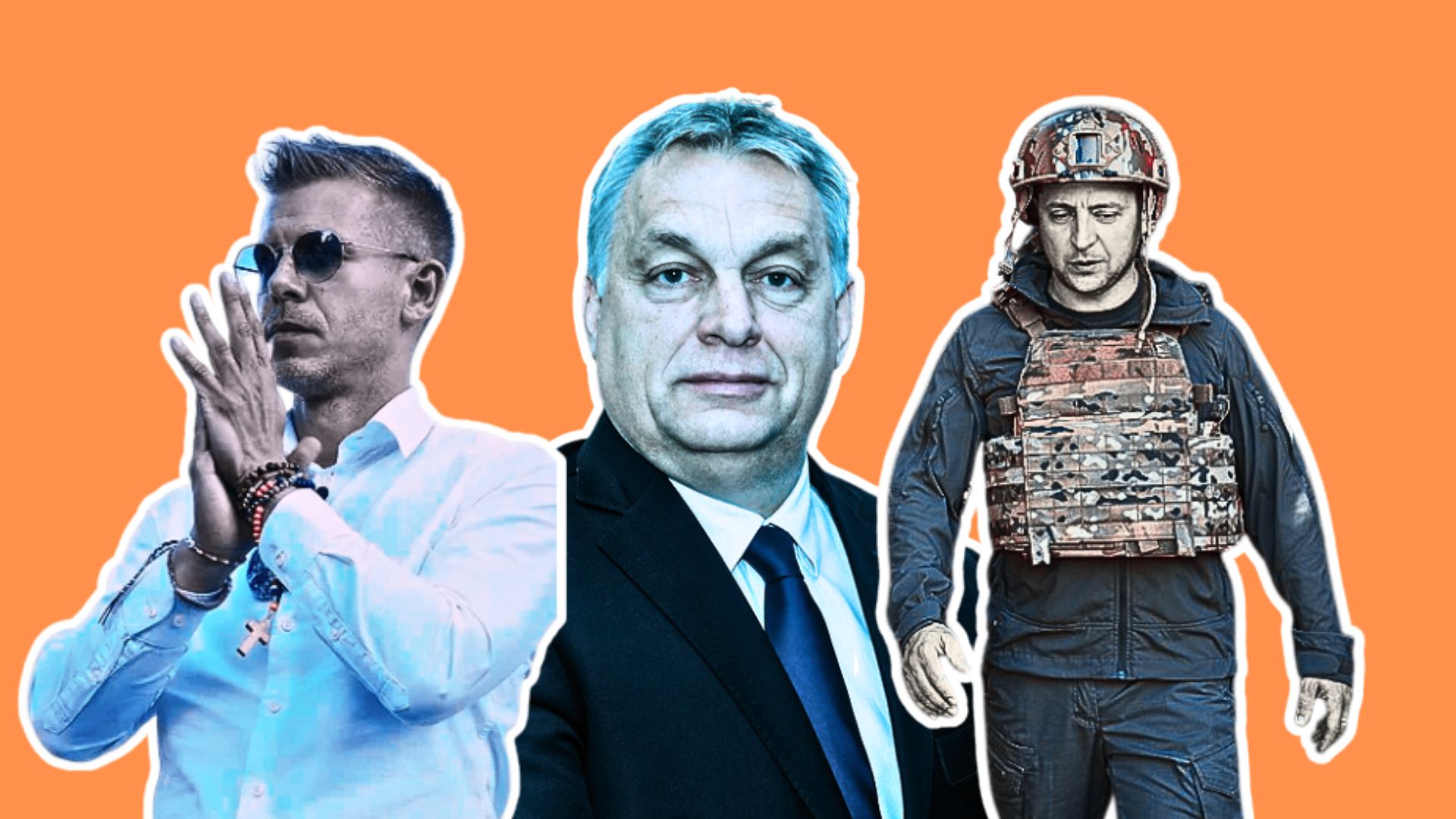
Watch the eighth video of the Voices of Visegrad series: V4 in World’s New Configuration | Voices of Visegrad #8
In the final episode of ‘Voices of Visegrad’, we examine how Poland, Czechia, Slovakia and Hungary evolved from a post-communist periphery into a space of shared prosperity, and assess the current state of the grouping. Watch to explore whether the V4 is emerging as Europe’s new power centre or becoming its weakest link.
Watch the seventh video of the Voices of Visegrad series: Poland Divided on Nuclear – Slovakia Profits from War | Voices of Visegrad #7
What’s inside this episode:
Watch the sixth video of the Voices of Visegrad series: Has Prague Lost Its Balance? – How Polish Politics Is Being Rewritten | Voices of Visegrad #6
What’s inside this episode:
Watch the fifth video of the Voices of Visegrad series: Could the Economy Decide Orbán’s Fate? Why Poland Still Bets on the US? | Voices of Visegrad #5
What’s inside this episode:
Watch the fourth video of the Voices of Visegrad series: Trump – Orbán Ties, Energy Risks in Slovakia | Voices of Visegrad #4
What’s inside this episode:
Watch the third video of the Voices of Visegrad series: Slovakia’s Fiscal Trouble, RU Drones Test Poland, EU Pressures Hungary | Voices of Visegrad #3
What’s inside this episode:
Watch the second video of the Voices of Visegrad series: Czechia Goes to Polls, Slovakia Polarises, Hungary Leads V4.
Key questions we ask in this episode:
Watch the first video of the Voices of Visegrad series: Poland Votes, Hungary Attacks NGOs, Czechia Depends on Russia.
Key questions we ask in this episode:
The Visegrad Group holds a unique position at the heart of Europe, shaped by its geographical location, intertwined histories and shared values. Comprising countries that have undergone similar transitions on their path to democracy, and united in a common effort to join the European Union and NATO, the V4 is bound by a shared experience that sets it apart.
This common past not only reinforces solidarity among the member states but also positions them as credible voices in shaping the future of European integration and security. United by core democratic ideals, the V4 can offer valuable insights into navigating contemporary challenges, making it a vital contributor to the broader European dialogue.
Today, Central Europe is grappling with significant democratic challenges, marked by a weakened rule of law, compromised media independence and the rise of illiberal governments. These issues erode public trust and the foundations of democracy, fostering political polarisation and societal fragmentation. The situation is exacerbated by external pressures, including the ongoing war in Ukraine, which looms large on the region’s periphery. This conflict not only destabilises neighbouring areas but also amplifies economic strain and security concerns, leaving citizens feeling disoriented and under pressure.
Amid such turbulence, many struggle to reconcile national interests with democratic principles, as governments often exploit crises to consolidate power. This interplay of internal and external threats creates an environment of uncertainty, in which democratic resilience is continually tested. Addressing these challenges requires reinvigorated civic engagement, international cooperation and robust safeguards to uphold democratic norms and institutions.
The Res Publica Foundation, together with its V4 partners, has launched a unique project, The Voices of Visegrad, comprising short videos as well as explanatory texts. The campaign aims to provide media coverage of key issues relevant to the Visegrad region, raising awareness and ensuring greater access to information.
By featuring the voices of prominent stakeholders and emphasising the shared principles and achievements of the Visegrad Group countries, the project fosters a stronger sense of regional identity and solidarity while addressing issues specific to the region. Encouraging citizens to comment on the content and contribute to V4 initiatives boosts civic engagement and promotes a bottom-up approach to collaboration.
Ideas? Comments? Would you like to ask Visegrad Group public opinion leaders a question?
Please do stay in touch via: fu******@*********ca.pl.
Project partners are:
Visegrad Insight – Res Publica Foundation
EUROPEUM Institute for European Policy
Bratislava Policy Institute
Hungarian Europe Society
Supported by the Visegrad Fund