Events
Think Tank
How Europe Can Build the Capacity to Act Together
2 October 2026

21 April 2026
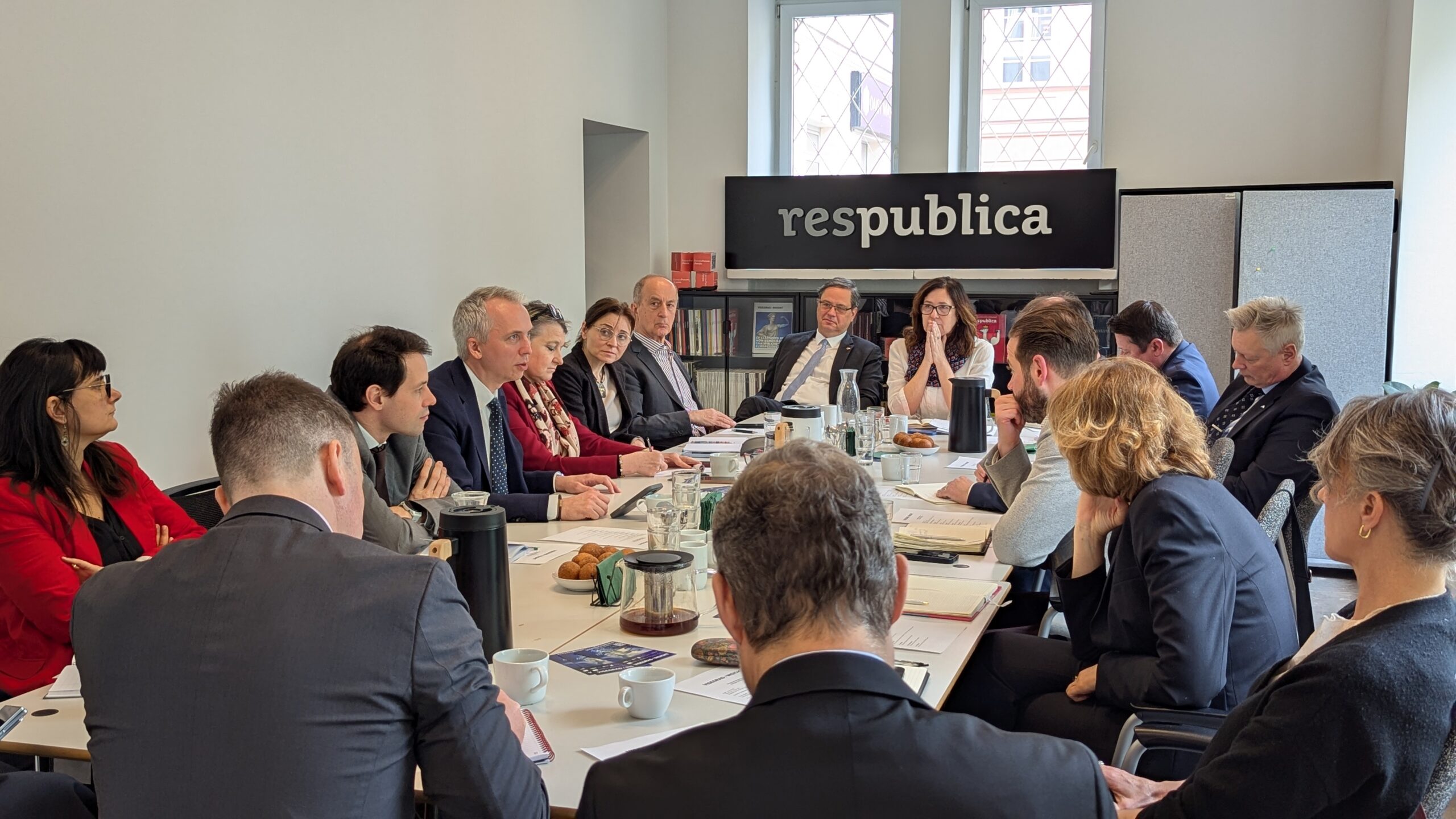
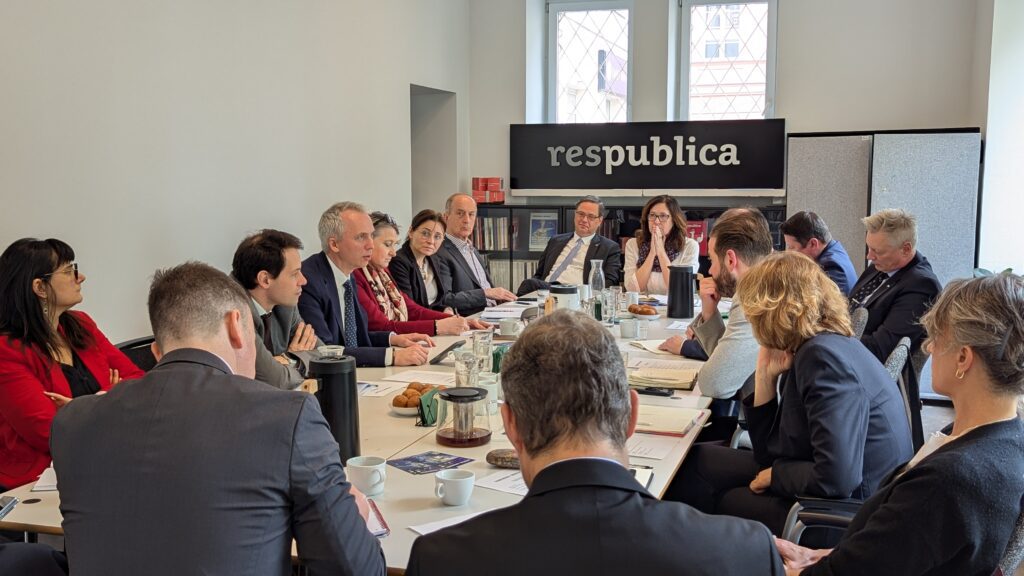
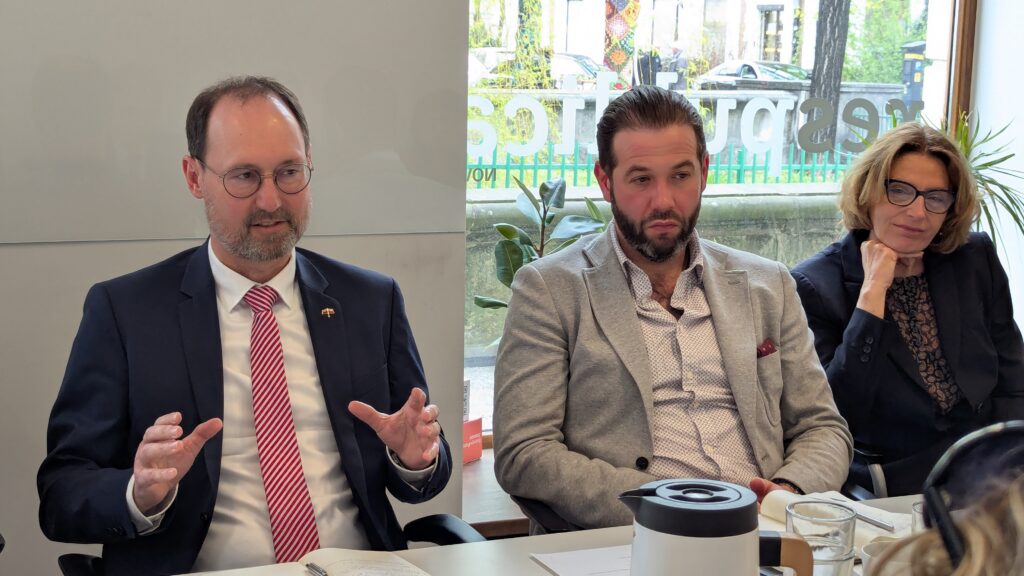
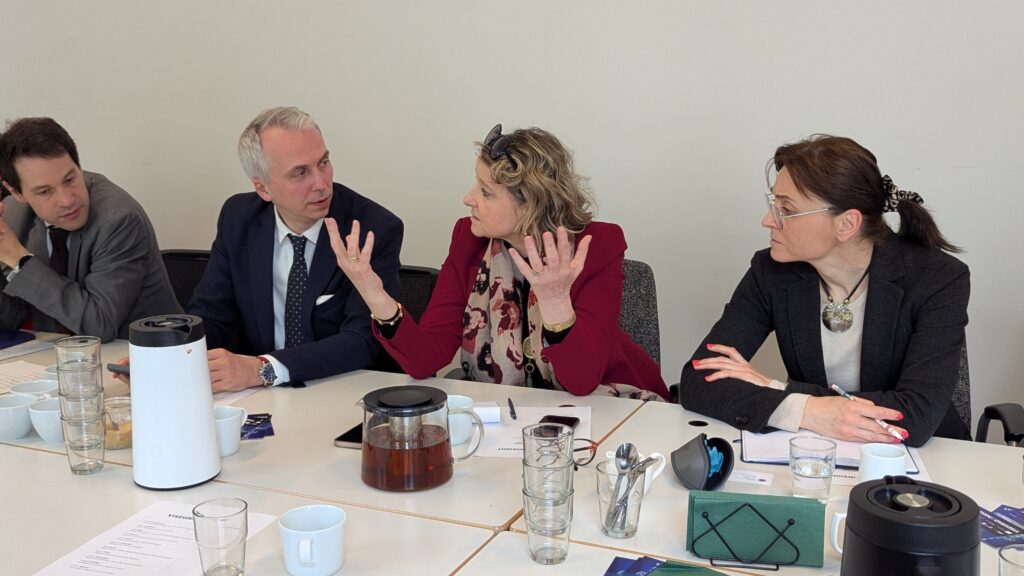
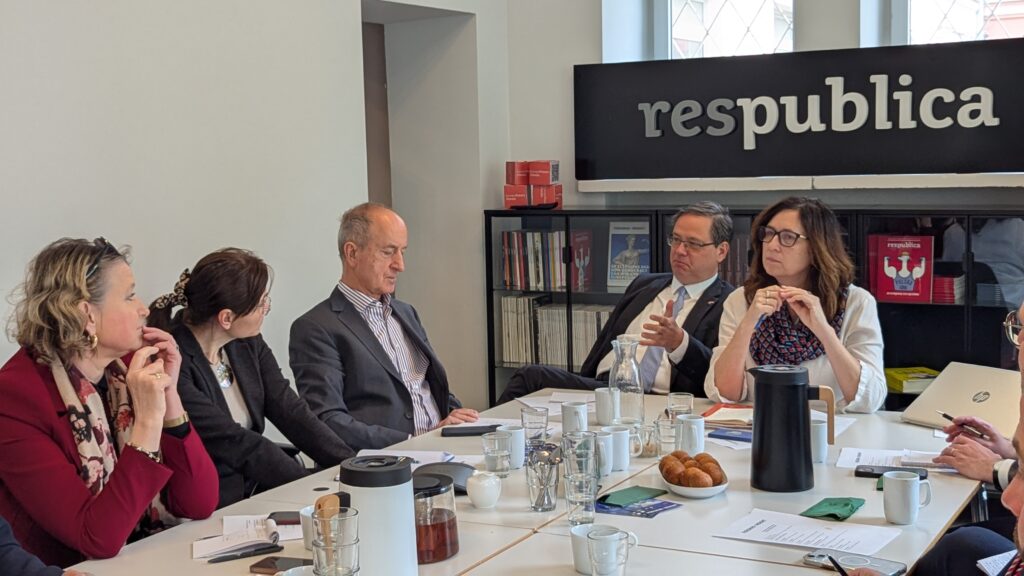
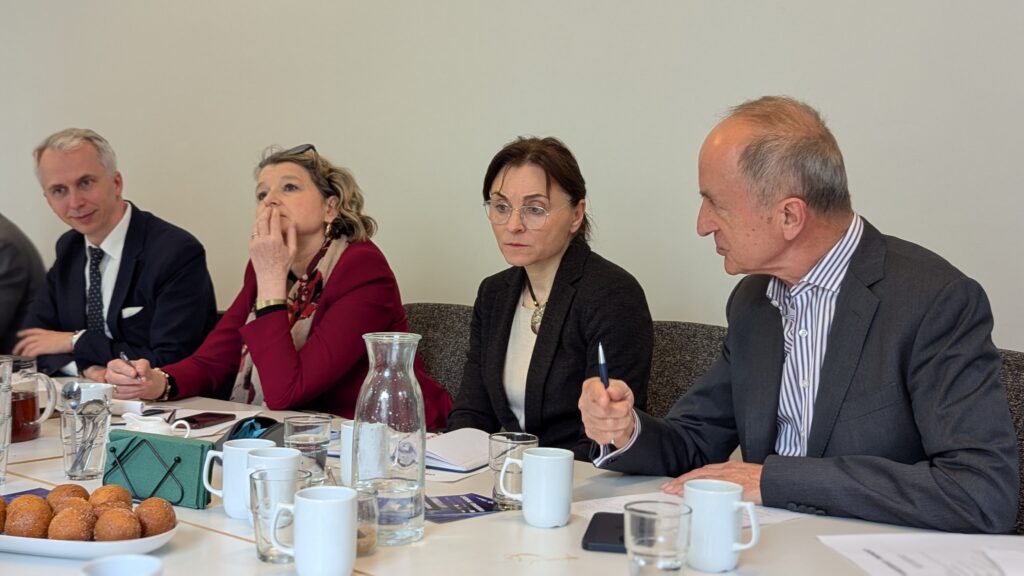
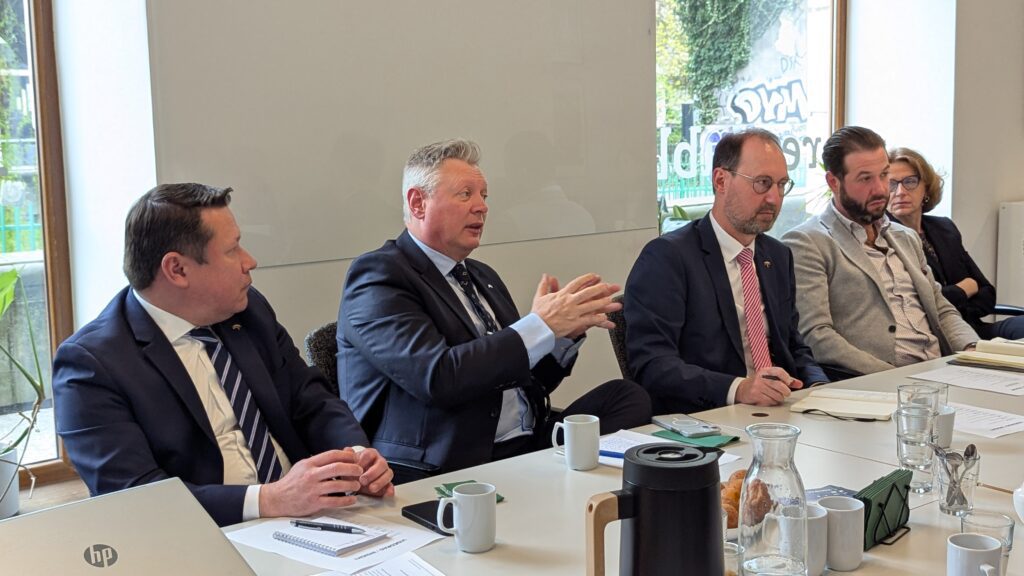
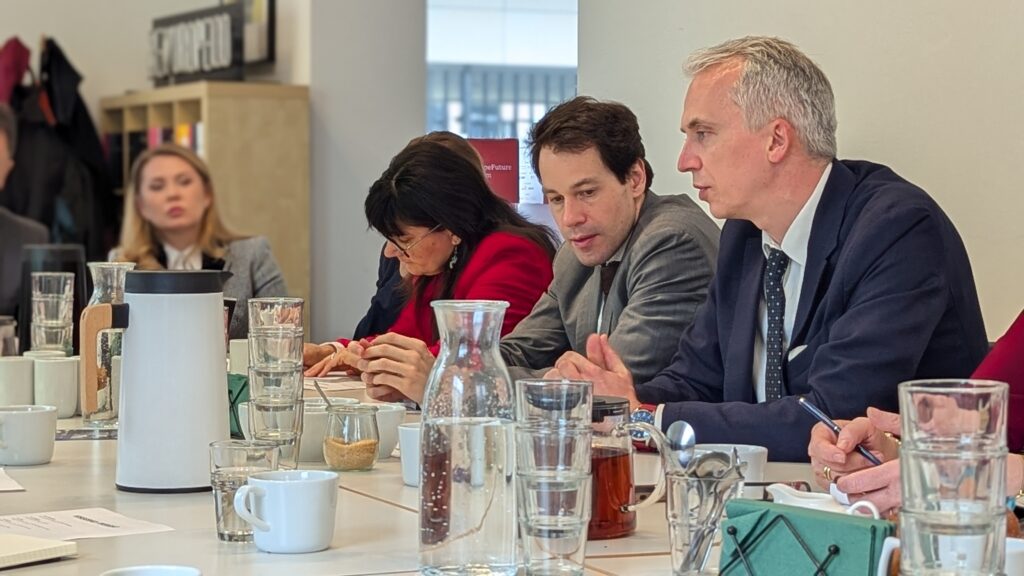
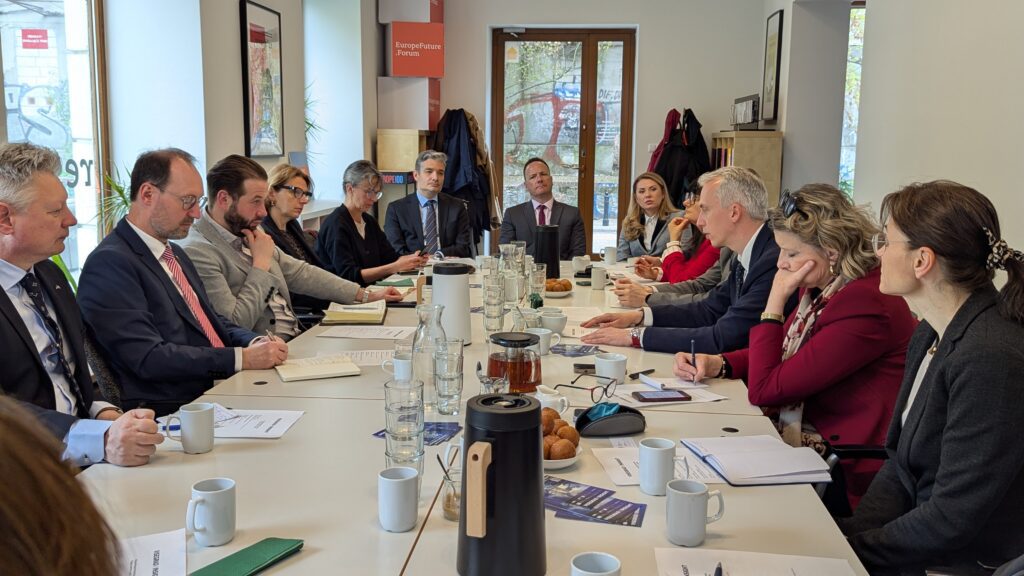
The event gathered institutional subscribers, partners, diplomats, think-tank representatives and other experts to discuss how Hungary’s political transition will affect Europe.
The discussion focused on strategic foresight for the region, examining the political and economic shifts that may follow the change of government in Hungary.
Participants interpreted the election outcome as a profound societal moment driven by large-scale mobilisation across Hungarian society. The result was seen not only as a political shift but as a deeper expression of accumulated frustrations over economic pressures, corruption and rule-of-law issues.
Societal dimension
The mobilisation had been built up over time through new media spaces, cultural initiatives and civic engagement outside traditional party structures. This broader social undercurrent translated into record turnout at the polls and, as participants suggested, was crucial to defeating Orbán
Economic context
Structural weaknesses were highlighted, including corruption, declining institutional trust, a worsening investment climate and difficulties for both small and medium-sized enterprises (SMEs) and foreign investors.
Governance and institutions
The long-term concentration of power has affected predictability, investor confidence and the functioning of state institutions, raising doubts about the long-term sustainability and resilience of the current governance model.
Hungary’s position in Europe
The discussion covered tensions in European Union (EU) budgetary negotiations, rule-of-law conditionality and Hungary’s previous ambivalent role in EU decision-making and regional cooperation.
Participants shared an expectation that translating the current political momentum into real institutional change will be the biggest challenge for Magyar’s government in the coming period. Within this, questions of timing, administrative capacity and the balance between rapid reform and institutional continuity will be decisive.
Despite relief in Europe following Magyar’s victory, participants agreed that political challenges for aligning the EU’s strategic mindset remain ahead. By 2027 pivotal elections in Poland, France, Italy and Slovakia could prove decisive for Europe’s future.
As Wojciech Przybylski noted during the discussion and in his latest piece Europe Without Orbán – No More Veto Excuses, Europe must now focus on its most urgent priorities:
Financing Ukraine – using frozen Russian assets not merely as a symbolic move, but as a real investment in European security.
Energy independence – achieving genuine freedom from Russian gas instead of repeatedly signing increasingly expensive contracts.
Strategic autonomy – actively using the EU’s economic tools to push back against authoritarian influence. With the expected political shift in Budapest, this excuse for inaction must disappear.
Enlargement – seizing the window to admit the Western Balkans, Ukraine, Moldova and others, strengthening the Union internally and boosting Europe’s position in global trade competition.


Democratic security comes at a price. What is yours?
Subscribe now for full access to expert analysis and policy debate on Central Europe.
Events
Think Tank
How Europe Can Build the Capacity to Act Together
2 October 2026
Economic Security
Think Tank
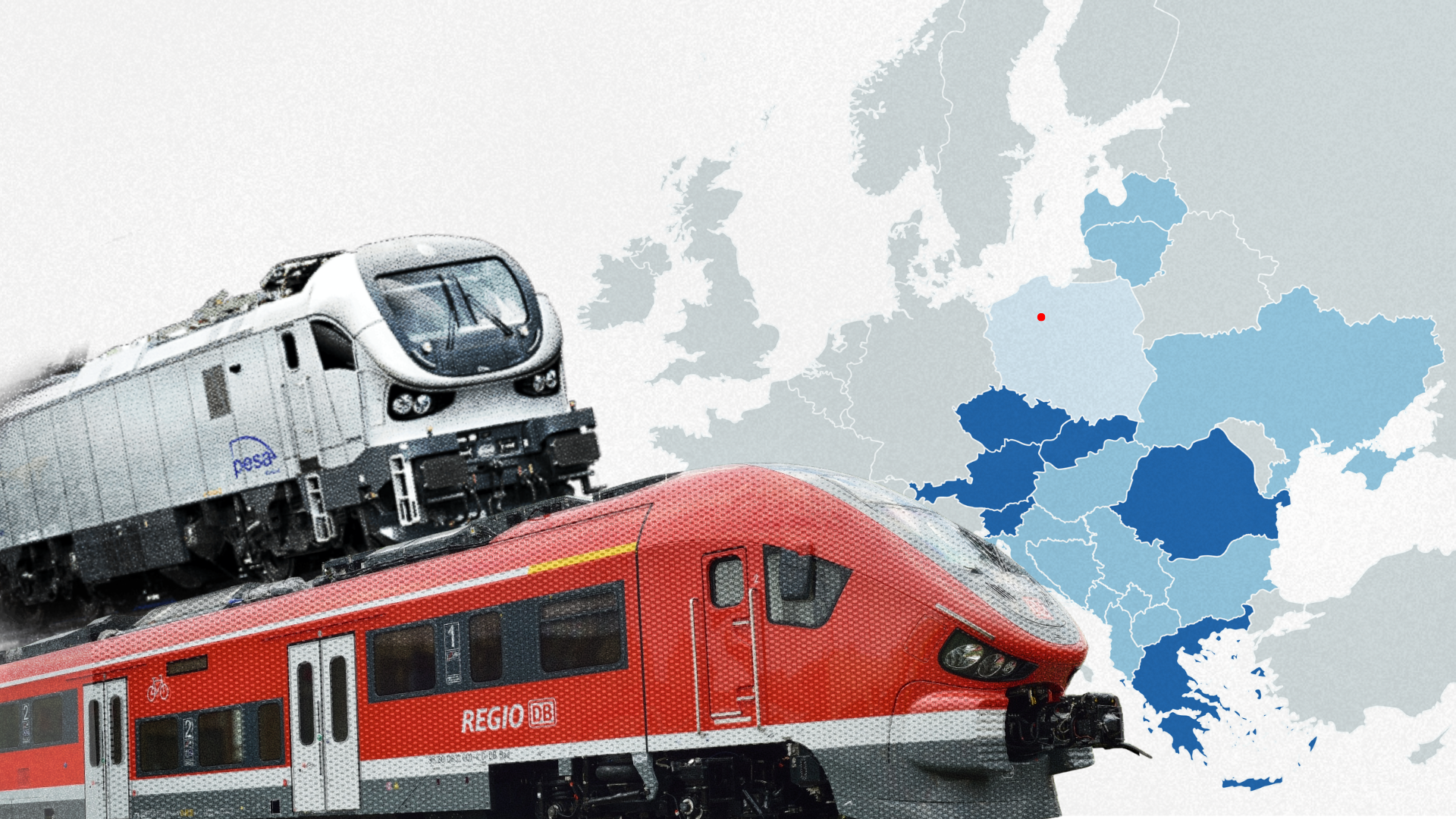
How Poland Wants to Turn a Failing Train Maker into a Geoeconomic Asset
30 September 2026

Economic Security
Events
Think Tank
Europe Aligned with Iran Sanctions Long Before D-Day
8 September 2026
Events
Think Tank
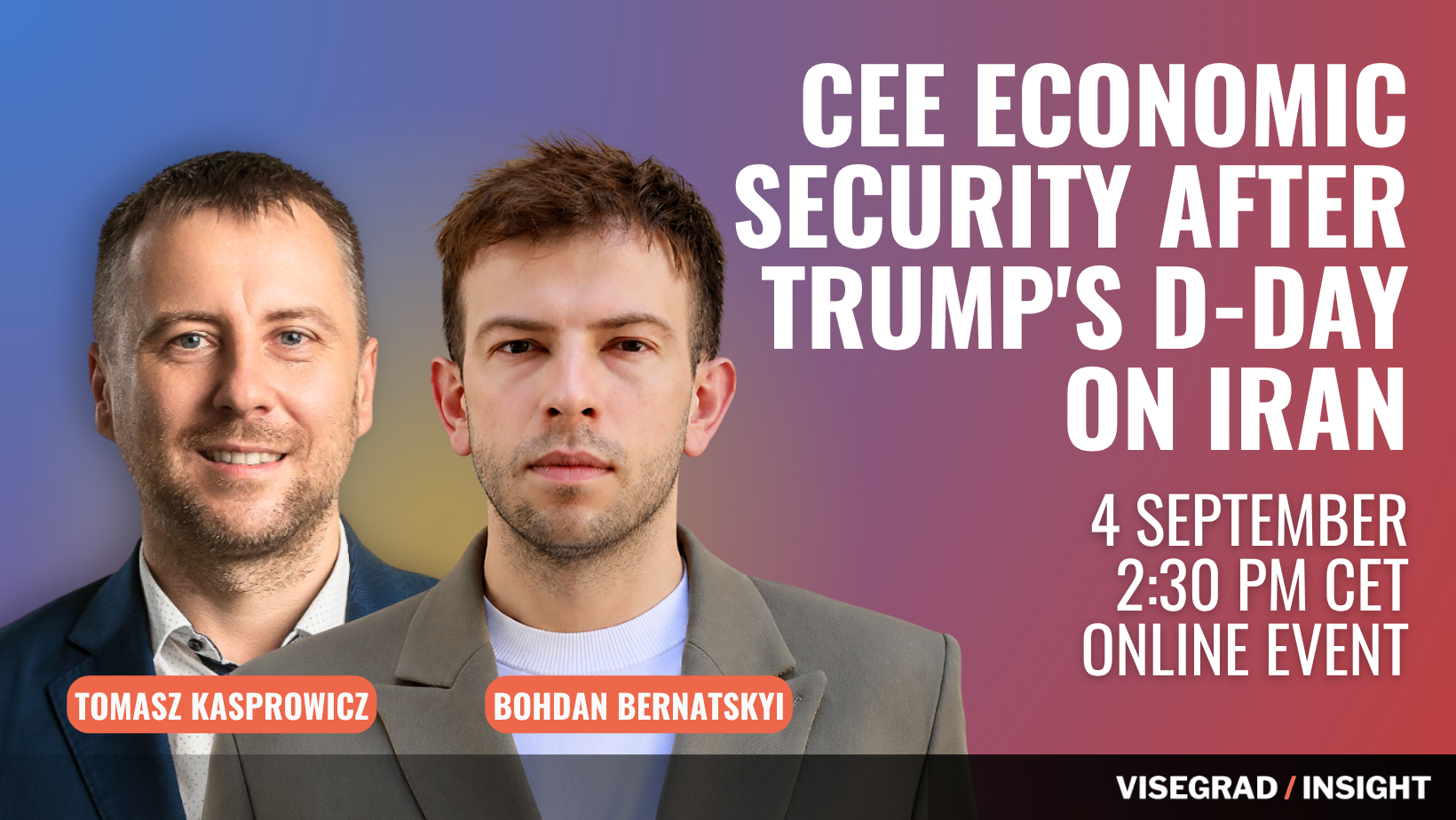
Online event: One Week After Trump’s ‘D-Day’ Against Iran – What Is There for CEE Economic Security?
1 September 2026