Analysis
Democratic Security
Donald Tusk’s Tribunal Gambit
3 September 2026

4 June 2026

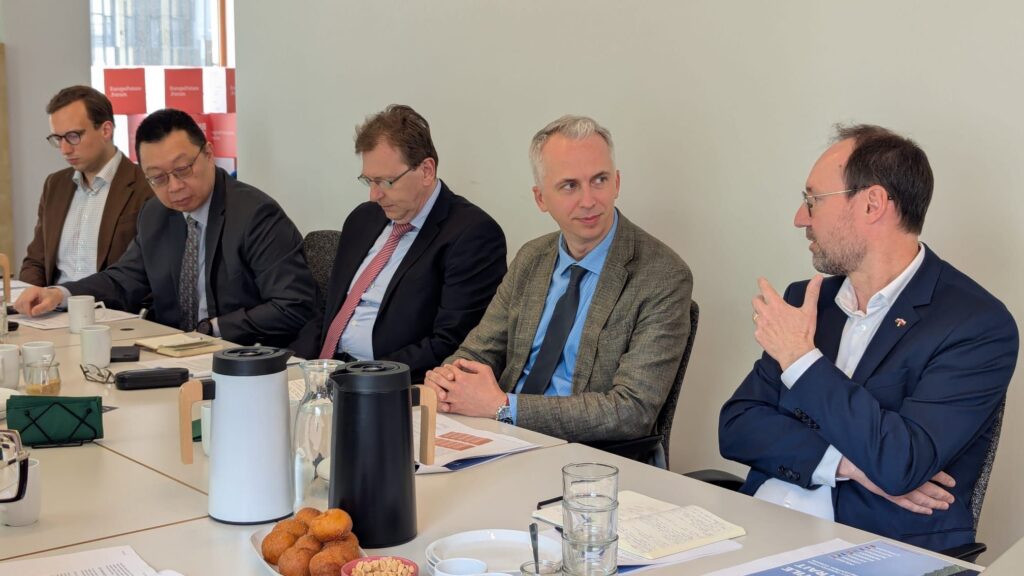
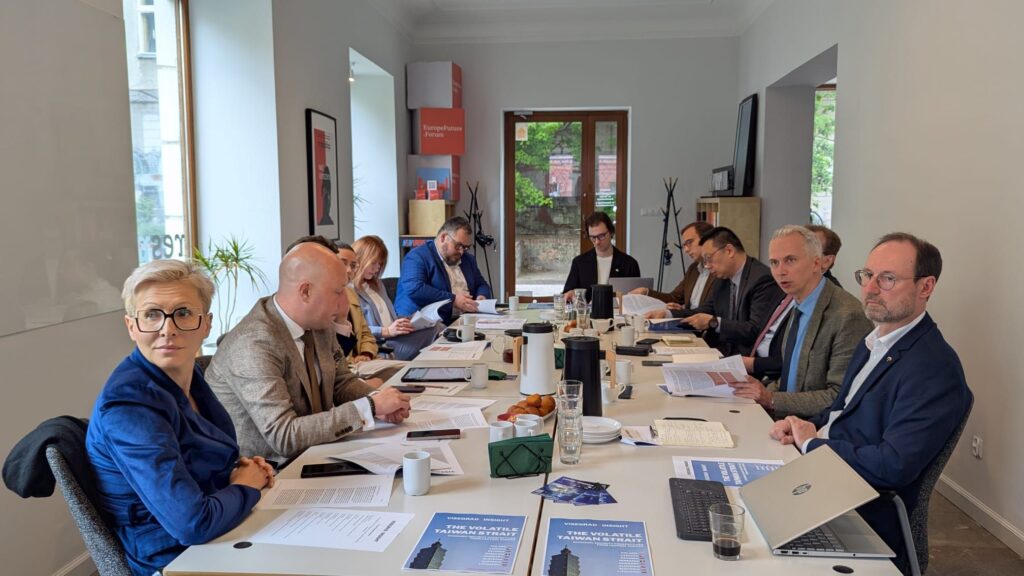
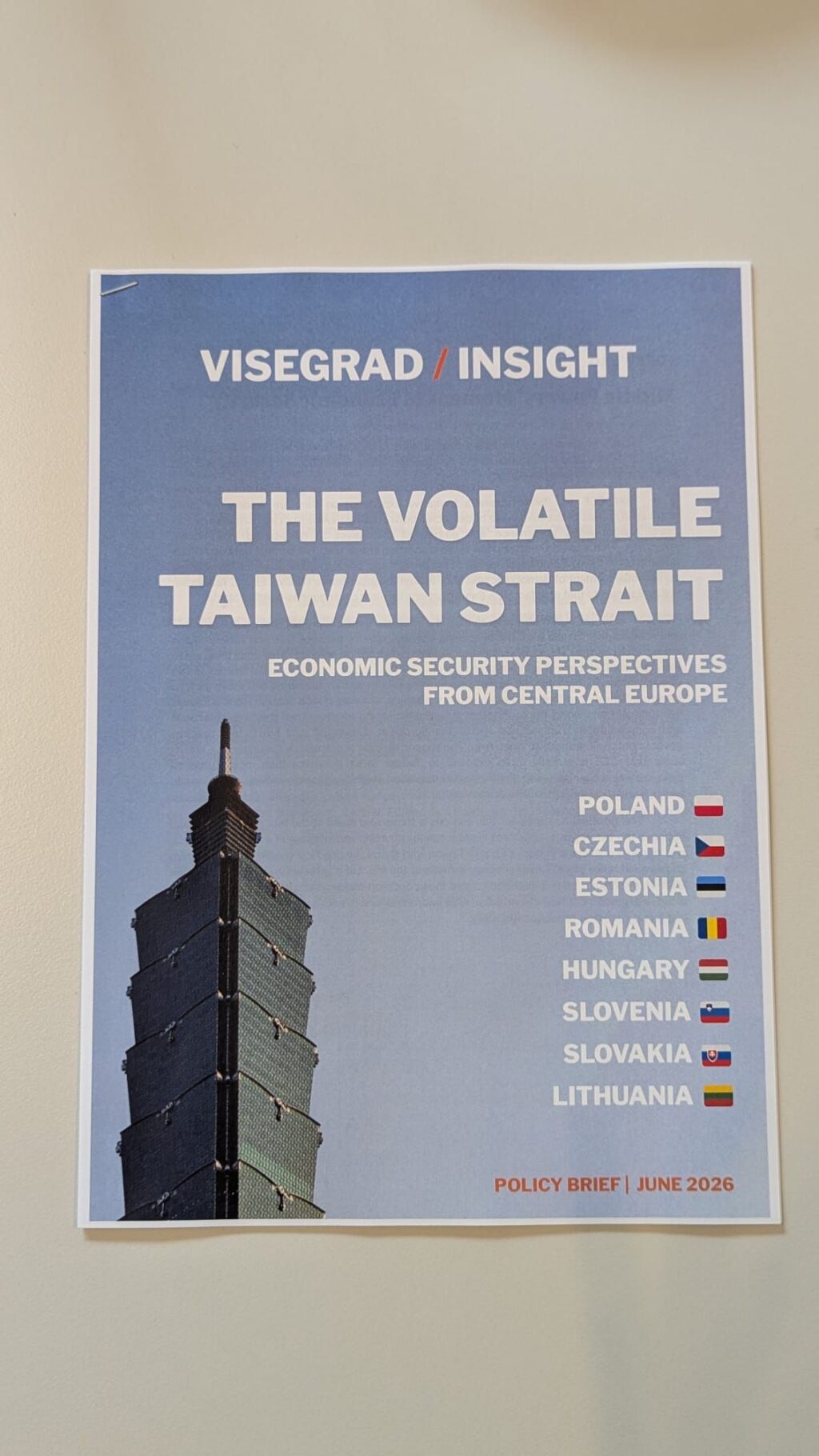
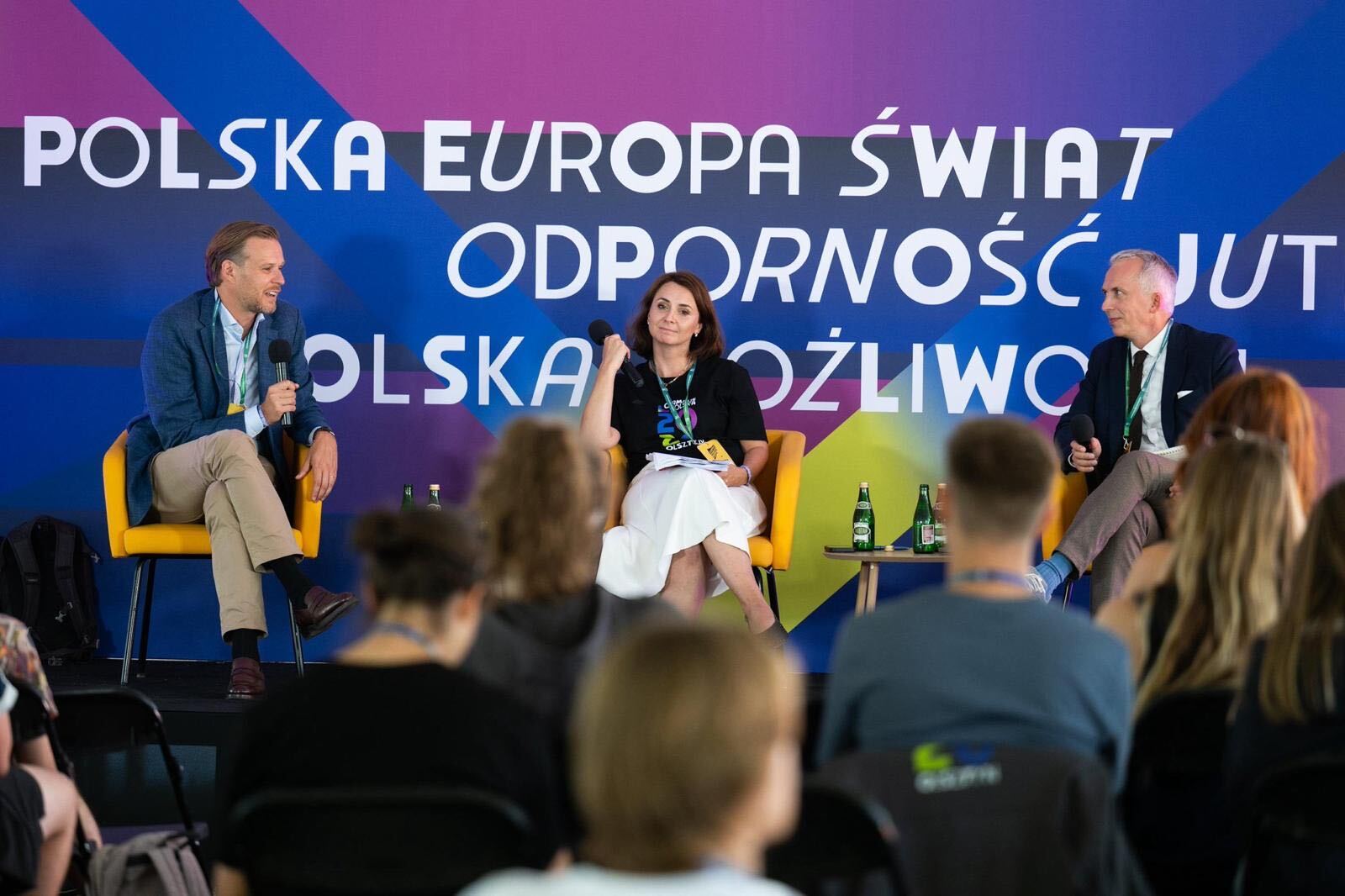
The event gathered diplomats, researchers and policy analysts for the soft launch of a new report, ‘The Volatile Taiwan Strait’, prepared by Visegrad Insight together with the Łukasiewicz – Institute of Innovation and Technology (iTECH), on the deepening interdependence between Central and Eastern Europe (CEE) and Taiwan.
The discussion began with an argument that the security frameworks that enabled both CEE and Taiwan to prosper, namely the rules-based international order and globalised trade, are increasingly under strain. As small and medium-sized powers exposed to intensifying great-power competition, they face similar challenges stemming from a rapidly deepening interdependence.
Trade data presented during the discussion highlighted that CEE’s exposure to Taiwanese exports has continued to deepen. Imports of both electronic integrated circuits and discrete semiconductor devices from Taiwan have increased since 2020, peaking in 2022 and remaining above pre-2022 levels. This points not only to the strategic stockpiling during a period of uncertainty but also to a longer-term trend of growing reliance on Taiwanese high-tech inputs.
Participants framed Taiwan’s stability not only as a question of geopolitics, democracy or China policy, but increasingly as an issue of CEE’s own economic security and strategic autonomy. Speakers agreed that, through strategic and long-term cooperation, Taiwan offers CEE states an opportunity to reduce their dependence on autocratic suppliers and should therefore be treated as a strategic partner.
The report’s four-stage escalation framework, which will present a spectrum of possible Taiwan contingencies, prompted a discussion on the implications for CEE and the steps that Europe and the region could take at different levels of tension in the Taiwan Strait.
Participants have agreed that economic security planning with Taiwan should not remain confined to national capitals. Participants argued that paradiplomacy is essential because local authorities often host the industrial clusters most exposed to Taiwanese inputs and investments. By embedding Taiwan into local development strategies, CEE states can both diversify away from authoritarian suppliers and position their regions as hubs within emerging transnational value chains.
The discussion also highlighted Taiwan’s significant investment in drone technologies, which outpaces European spending in this niche and creates opportunities for industrial cooperation, particularly where CEE countries seek to expand defence and dual-use capabilities. Poland’s role as the leading European importer of Taiwanese drones was cited as an example of how rapidly such industrial links can grow when security, technology and political alignment intersect.
The conversation will continue at the Europe Future Forum and through further joint seminars and discussions, contributing to a broader CEE perspective on the European Union’s Indo-Pacific strategy.



Democratic security comes at a price. What is yours?
Subscribe now for full access to expert analysis and policy debate on Central Europe.

Analysis
Democratic Security
Donald Tusk’s Tribunal Gambit
3 September 2026

Democratic Security
Interview
Is Hungary a Spin Democracy? – CONVERSATION
2 September 2026
Events
Think Tank
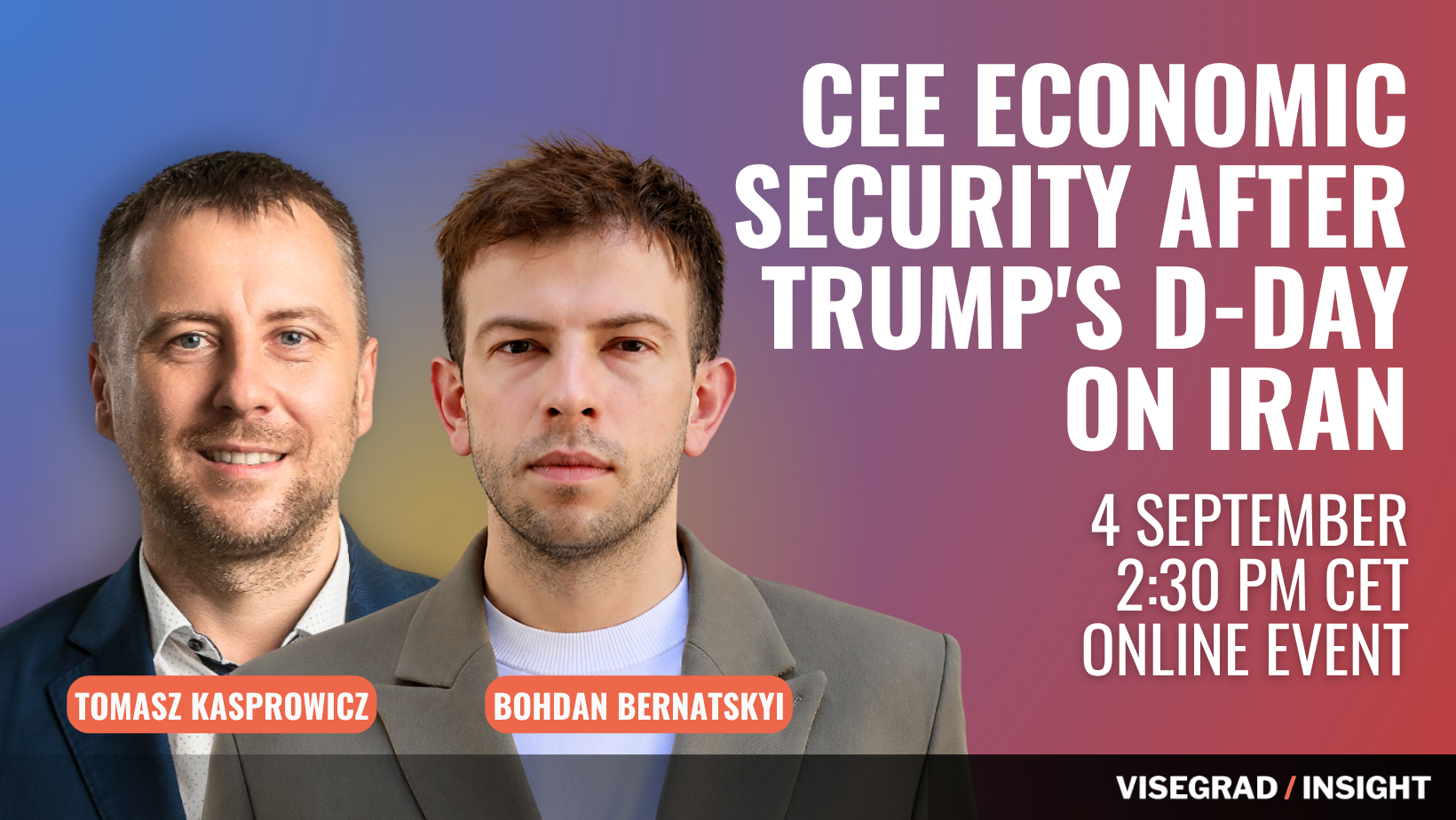
Online event: One Week After Trump’s ‘D-Day’ Against Iran – What Is There for CEE Economic Security?
1 September 2026
Events
Think Tank
European Council Has Fewer Success Stories Than Failures
28 August 2026