Graham’s Sanctioning Russia Act Opens a Window of Opportunity for CEE

NATO's frontline states should use their friends in Congress and adapt the geoeconomic logic

17 July 2026

Liam Hoffman

Junior Fellow at Visegrad Insight

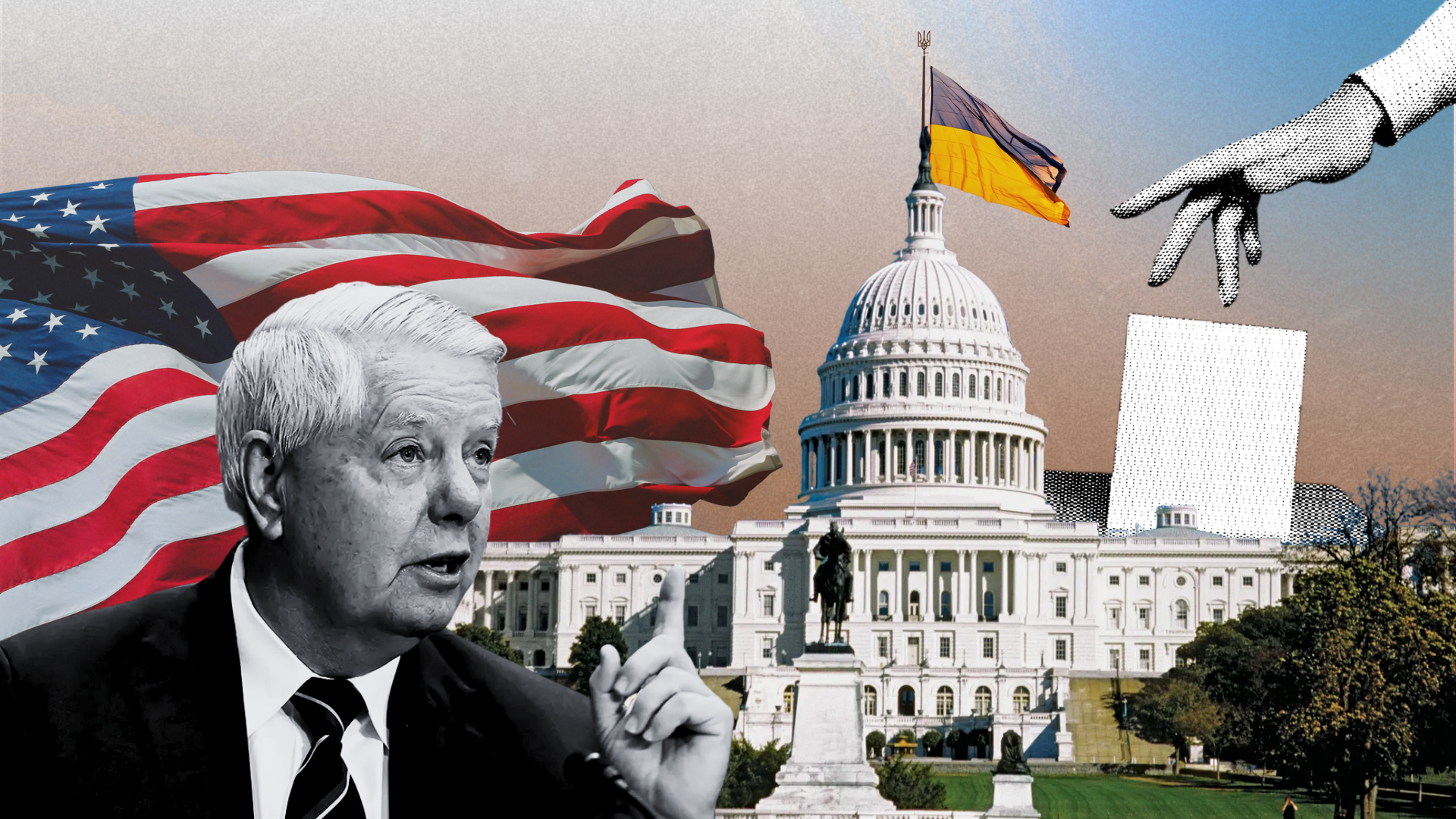
Lindsey Graham’s passing did what a year of lobbying could not – jolting his Russia sanctions bill back to life. Poland and the Baltics should save the momentum before the midterm elections.
For close to a year the Senate’s main Russian-sanctions bill sat frozen. Yet on Friday 10 July its sponsors proclaimed they would finally strike a deal with the White House, with its key sponsor – a long-time Republican Senator and Trump ally Lindsey Graham – announcing from Kyiv alongside President Volodymyr Zelenskyy.

A day after, Graham died suddenly at 71. His co-sponsors and House allies pushed to pass the bill immediately as a tribute; it worked. On Thursday 16 July more than 60 senators introduced the renamed Senator Lindsey O. Graham Sanctioning Russia Act of 2026, led by Jeanne Shaheen, Richard Blumenthal and Darline Graham, his sister and successor in the South Carolina seat. The co-sponsors include Majority Leader John Thune, who had kept the bill off the floor for a year, stating ‘I can’t think of a better way to honour [Graham’s] legacy’, alongside Democratic Whip Dick Durbin and Mitch McConnell.

Subscribe

Democratic security comes at a price. What is yours? By subscribing or donating now gain access to analysis, forecasts and scenarios by leading analysts and reporters who monitor democratic risks and develop policy debate from Central Europe on Central Europe.

MonthlyVAT included

€6/month

See all details

  • Full access to articles and all reports in PDF
  • Weekly outlook on democratic security in CEE delivered by e-mail
  • Weekly newsletter with essential highlights
  • Invitations to all Visegrad Insight events online and offline

AnnualVAT included

€60/year

See all details

  • Individual subscribers only. Check our CORPORATE OFFER below
  • Almost 17% discount (12 EUR off monthly cost if paid annually)
  • Full access to articles and all reports in PDF
  • Weekly outlook on democratic security in CEE delivered by e-mail
  • Weekly newsletter with essential highlights
  • Invitations to all Visegrad Insight events online and offline

Institutional

GO TO CHECKOUT

See all details

  • Access to all articles for your team
  • Access to all Reports for your team
  • Every Monday a Weekly Outlook with an update on key developments in Central Europe delivered by e-mail
  • Every Thursday a newsletter with the most important highlights and invitations
  • Personal invitations to Visegrad Insight Events
  • Foresight, policy, and risk analysis reports (on-demand)

I am a representative of an institution/business. Is there a corporate offer?

The annual subscription for up to ten institutional users: EUR 999
GO TO CHECKOUT

For a tailor-made offer email us: contact@visegradinsight.eu 

  • Access to all articles for your team
  • Access to all Reports for your team
  • Every Monday a Weekly Outlook with an update on key developments in Central Europe delivered by e-mail
  • Every Thursday a newsletter with the most important highlights and invitations
  • Personal invitations to Visegrad Insight Events
  • Foresight, policy, and risk analysis reports (on-demand)

Intelligence prepared by a group of Visegrad Insight Fellows from all across

Can I receive an invoice?

Yes. You will receive a receipt immediately after purchase and a VAT invoice upon request. The subscription amount includes tax. In case of a donation, there is no tax.

Are my credit card details safe?

Yes. The payment is processed by STRIPE www.stripe.com entrusted also by Amazon, Zoom, Booking.com and used by other global NGOs and businesses in the world. We do not store your credit card details.

How modify or cancel my subscription?

At any moment you can manage your subscription and account details. Sign in to modify or cancel.

Liam Hoffman

Junior Fellow at Visegrad Insight

Liam Hoffman is a Junior Visegrad Insight Fellow. He is a student at Princeton University, originally from Indianapolis, Indiana, studying Public and International Affairs and German. Liam's studies focus on media and populist movements in Europe, primarily in the last decade. He also writes for the Princeton Political Review, covering similar topics.

Newsletter

Weekly updates with our latest articles and the editorial commentary.