News
Unlocked
A Polish Crypto Rescue Priced on Orbán Staying in Power
9 September 2026

10 September 2026
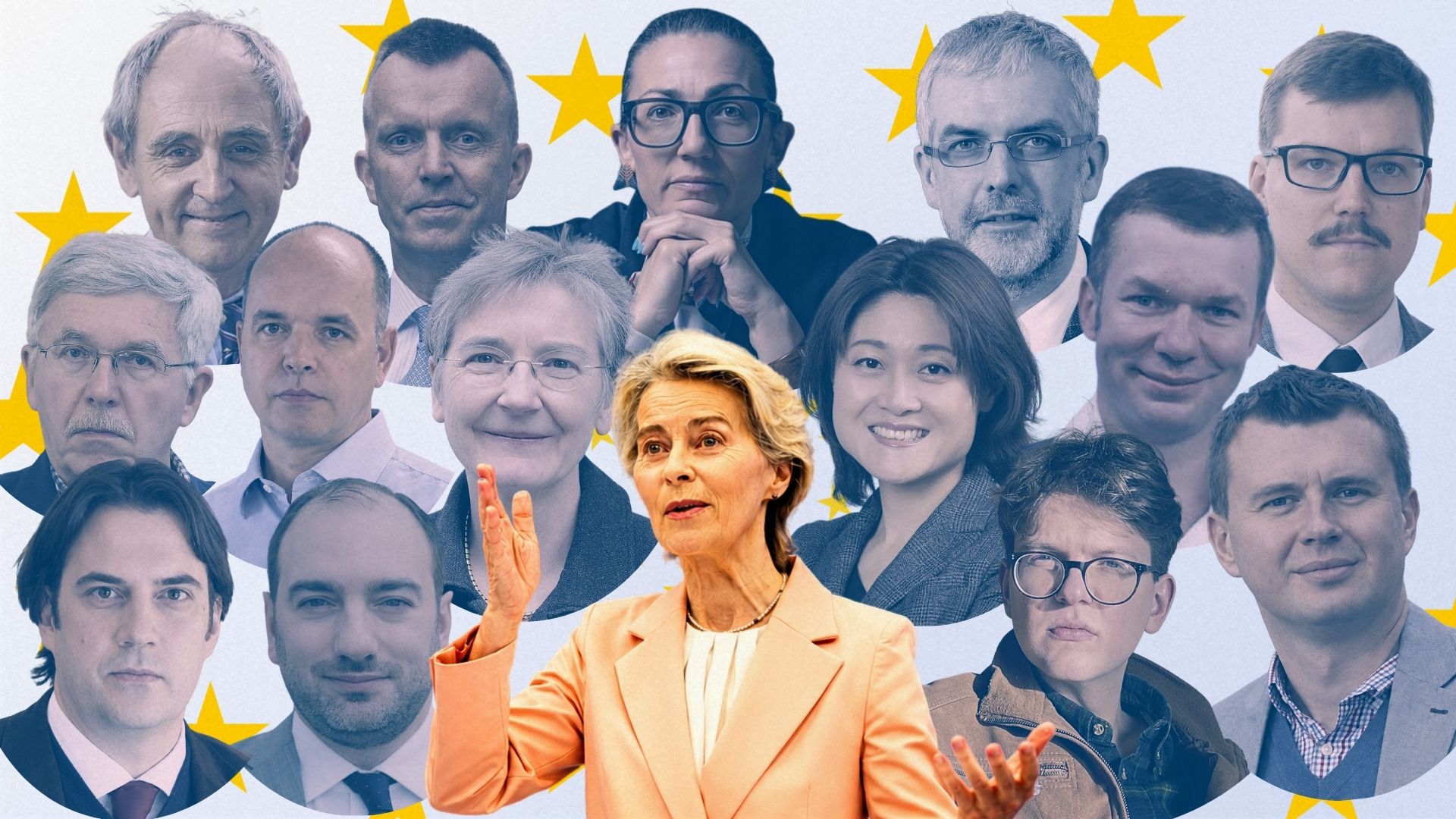
Brussels is expected to present its new European Security Strategy (ESS) soon. Ahead of the annual State of the European Union address, Visegrad Insight asked experts and Fellows what the grand strategy should contain and what it can actually change, with particular attention to Central and Eastern Europe.

Contributions by Max Bergmann, Jiří Schneider, Ulrich Speck, Jan Truszczyński, Dimitar Bechev, Ivan Us, Justinas Mickus, Roberts Kits, Judy Dempsey, Velina Tchakarova, Jacob Funk Kirkegaard, Atsuko Higashino, Edward Lucas and Aliaksei Kazharski.
 Max Bergmann, Director of the Europe, Russia and Eurasia Program at the Center for Strategic and International Studies (CSIS)
The EU should focus on how to get Europe to be able to fight as Europe, to build a European pillar. NATO has not and will not ever do that. Being able to fight and deter Russia as Europe should be the priority for Central and Eastern Europe and the focus of the strategy.
 Jiří Schneider, Senior Fellow at Visegrad Insight and former Czech diplomat
Because of the EU’s diversity, it would be futile to aim at the lowest common denominator, let alone at a united hierarchy of threats. The test of EU solidarity will be to respect different regional levels of threat perception and to allow a corresponding level of structured defence cooperation within the EU, enabled by NATO capabilities and mechanisms in Europe.
 Ulrich Speck, Non-resident senior fellow at the Hudson Institute and columnist for Neue Zürcher Zeitung
The EU should resist the temptation to declare itself the future centre of European defence.
Instead of laying out a future great-power role for Brussels, the EU should be modest. The new strategy must define where the EU can strengthen European defence and deterrence within the EU’s limitations.
And there are many limitations. NATO will remain central for European security, in the form of NATO 3.0 with more balanced transatlantic burden-sharing. Important European military players are outside the EU, among them Britain, Turkey and, crucially, Ukraine. And member states will continue to call the shots.
Yet the EU has a role to play. It can help shape views and strengthen solidarity. It can support military mobility. It can facilitate cooperation in the arms industry. It can support the struggle against Russia’s hybrid and shadow war.
By focusing on what is possible, the EU would be far more impactful than by laying out a federalist fantasy.
 Jan Truszczyński, Former chief negotiator for Poland’s EU accession and former director-general at the European Commission
The new ESS must be clear-eyed about Russia as the permanent principal threat to European security, resilience and cohesion. To contain and keep this threat in check, the Strategy must convincingly show the pathway towards achieving, within a medium-term horizon, the self-standing capability to address all hybrid, conventional and nuclear risks likely to still come from Russia.
This requires steady political focus on the EU’s Readiness 2030 goal, on operationalising the European pillar of NATO, on delivery under the Security Action for Europe (SAFE) instrument, on defence arrangements within different regional groupings of European countries, on continued alignment between the five largest European military powers, meaning the United Kingdom, Germany, France, Poland and Italy, and on such projects as the European Sky Shield Initiative.
 Dimitar Bechev, Director of the Dahrendorf Programme on Europe in a Changing World at St Antony’s College, University of Oxford and senior fellow at Carnegie Europe
ESS should focus on deterring Russia from using coercion, be it hard military power or ‘greyzone tactics’ such as sabotage and subversion, against member states. It should address the pressing issue of how the EU could develop capabilities, jointly or among coalitions of the willing, to act autonomously in upholding regional security. This will give it leverage vis-à-vis the United States too, and strengthen NATO. Globally, the EU should team up with like-minded states to sustain multilateralism against the backdrop of US disengagement which might outlast Trump’s term in office.
 Ivan Us, Future of Ukraine Fellow at Visegrad Insight and senior consultant at the Foreign Policy Center of the National Institute for Strategic Studies under the President of Ukraine
ESS would be credible only if it stays inside what Brussels actually controls, meaning budget, single market, trade, industrial and competition policy, energy, transport, cyber and enlargement. That means a readiness-and-resilience document with defence-industrial capacity and joint procurement incentives, military mobility corridors, dual-use infrastructure, undersea cable and pipeline protection, counter-hybrid and counter-sabotage instruments, economic-security de-risking, stockpiling and enlargement framed explicitly as security policy.
A defensible hierarchy runs as follows. First, Russian conventional and nuclear coercion, plus its reconstitution timeline. Second, sub-threshold hybrid war, meaning sabotage, GPS jamming, cable cutting, assassination plots and electoral interference. Third, US disengagement and the resulting enabler gaps in intelligence, surveillance and reconnaissance, air defence and strategic lift. Fourth, Chinese dependency and Beijing’s material support for Russia. Fifth, energy and critical-infrastructure vulnerability. Sixth, internal cohesion erosion.
 Justinas Mickus, Resilient Futures Fellow at Visegrad Insight and senior policy analyst at the Lithuanian Government’s Strategic Analysis Center
ESS would do well to focus on a few concrete questions that will have to be decided and solved in the short to medium term. First, and where the Commission’s steering role is the clearest, is how the new Multiannual Financial Framework (MFF) and the Commission’s instruments will support, scale and secure the EU’s rearmament agenda. Second, how to advance the enlargement agenda with a view to strengthening the EU’s security, notably through defence integration with Ukraine. Third, governance will be critical, both at the political and the operational level. Beyond the Treaty Article 42.7 debate, the question of how to empower the Council to be faster and more effective in European defence policy is crucial.
In terms of threat hierarchy, Russia’s threat across all security domains must be clearly acknowledged as the top and urgent priority. States actively assisting or empowering Russia’s aggression would constitute a second priority threat. Threats to the EU’s neighbourhood come third and threats to the international system fourth.
 Roberts Kits, Resilient Futures Fellow at Visegrad Insight and researcher at the Latvian Strategy and Economic Research Institute
The new Strategy should set out a clear end-goal and a coherent approach vis-à-vis Russia. While the EU has taken commendable steps to strengthen defence readiness, it needs a strategic sense of how that power will be used, particularly against hybrid threats. Europe must also continue to strengthen its military power, improve military mobility, expand its defence industrial base and innovation capacities and reinforce energy independence and societal resilience. While the Strategy will likely address this 360-degree approach, it must also emphasise that Central and Eastern European countries are not left alone to face this wide array of threats.
The next MFF should reflect their security burden. To ensure that this does not produce long-term inequalities, the EU should support the competitiveness of the member states whose defence spending is a matter of survival. This MFF should prioritise reinforcing the EU’s external border and developing infrastructure that supports military mobility.
 Judy Dempsey, Nonresident senior fellow at Carnegie Europe
As a corollary, the Strategy must take into account how Russia depends increasingly on China while also forging military ties with North Korea. This new axis threatens the economic and political security of all EU countries. They are not yet prepared for this challenge.
Because of the war in Ukraine, the EU needs a comprehensive strategy to adapt to the geopolitical security of Europe. The transatlantic relationship is in flux. This factors into Russian and Chinese calculations about how they see Europe. This is why the EU, in order to defend its citizens and its democracy, must move quickly to work with a European caucus in NATO.
 Velina Tchakarova, Founder of the geopolitical consultancy FACE and former director of the Austrian Institute for European and Security Policy
ESS must define and incorporate one main problem correctly. Europe faces simultaneous, mutually reinforcing crises, not a sequence of isolated challenges and risks, amid full-scale hybrid warfare by Russia on the European security order.
The Strategy should make the eastern flank the Union’s primary theatre for conventional deterrence and geoeconomic resilience, meaning layered drone and air defence, military mobility, forward-positioned production capacity and protection of critical infrastructure. It must accelerate north-south physical, dual-use and critical-infrastructure corridors, meaning rail, roads, ports, energy interconnectors, electricity grids, digital networks and logistics hubs, linking the Baltic, Black Sea, Adriatic and Aegean regions. Ukraine, Moldova and the Western Balkans should be urgently integrated into these connectivity, mobility and defence-industrial value chains.
The strategic formula for the Central and Eastern European region remains clear. Keep the Americans in, the Russians out and Chinese influence down. The Strategy’s credibility will rest on dedicated financing, stronger defence production, credible deterrence, NATO alignment and mechanisms to prevent single-state vetoes from paralysing action.
 Jacob Funk Kirkegaard, Senior fellow at Bruegel and non-resident senior fellow at the Peterson Institute for International Economics
ESS must first reinforce Europe’s commitment to its own territorial defence through ongoing military and financial support for Ukraine. This focus must be complemented by reiterating the goal of EU accession for Ukraine, Moldova and eligible Western Balkan countries. The EU and other members of the relevant military rearmament coalitions of the willing must focus on European strategic autonomy in relevant technologies, supply chain resilience and a diverse, secure and decarbonising energy supply.
In light of recent and likely future events, a broader definition of how the EU improves security must also include strategies to tackle hybrid and cyberattacks, foreign state-sponsored information manipulation and election interference, weaponised migration, direct economic coercion through critical raw materials and artificial intelligence (AI) models and threats against Europe’s critical infrastructure.
Lastly, the EU must lay out concrete measures to deepen global cooperation with like-minded countries to promote the rules-based global order.
 Atsuko Higashino, Professor at the Institute of Humanities and Social Sciences, University of Tsukuba
ESS must make Ukraine’s security inseparable from Europe’s own, underpinned by sustained military assistance, credible security guarantees and a clear accession path. Central and Eastern European states should help author this strategy, not just implement it, drawing on frontline judgement and fast-growing industrial capacity, from Czech ammunition output to Polish rearmament.
Its priority should be deterrence by denial, meaning air defence, military mobility, ammunition production, resilient infrastructure and societies equipped against coercion and disinformation, through EU instruments that reinforce rather than duplicate NATO. Here the strategy should finally outgrow declaratory Indo-Pacific language. As Japan revises its own National Security Strategy this year, the two processes should be explicitly synchronised, building on the EU-Japan Security and Defence Partnership and its new Defence Industry Dialogue to diversify supply chains and share lessons in resisting economic coercion. Its value depends on implementation, meaning predictable funding, clear responsibilities and measurable deadlines.
 Edward Lucas, Founder and director of the Baltic International Security Centre and columnist for The Times
The EU needs not just a security strategy but a security culture, a way of thinking, for institutions and individuals, that combines vigilance and decision-making. The good news is that countries neighbouring Russia, chiefly Finland and the Baltic states, have this already. They perceive threats in every facet of daily life, from tourism to commerce, via crime and cybersecurity, from illegal migration to aviation security. Information flows to decision-makers, both via official structures and through personal connections. They assess the danger and act accordingly.
The EU needs to import this and adapt it. What works in a country with a population in the single-digit millions will not translate automatically into a 27-country multinational bureaucracy with three centres of decision-making. But the principles are clear. Security is everyone’s business. The threat is pervasive. And the stakes could not be higher.
 Aliaksei Kazharski, Fellow at Visegrad Insight, researcher at the Institute of European Studies and International Relations at Comenius University in Bratislava
One priority is communicating clearly why democracy, despite its multiple observable defects, is still better – and safer – than authoritarianism, and why authoritarianism is a source of unacceptable social evil. We need a clear articulation of the threats to individual freedoms and prosperity that emerge from authoritarian regimes and from their attempts to undermine democracy in the EU. It is important to make it clear to the public what we as individuals stand to lose in practical, mundane terms.
Another priority is communicating about the long-term danger of regional divides over questions of history and identity, which are being actively exploited by malign external actors.
Democratic security comes at a price. What is yours?
Subscribe now for full access to expert analysis and policy debate on Central Europe.
News
Unlocked
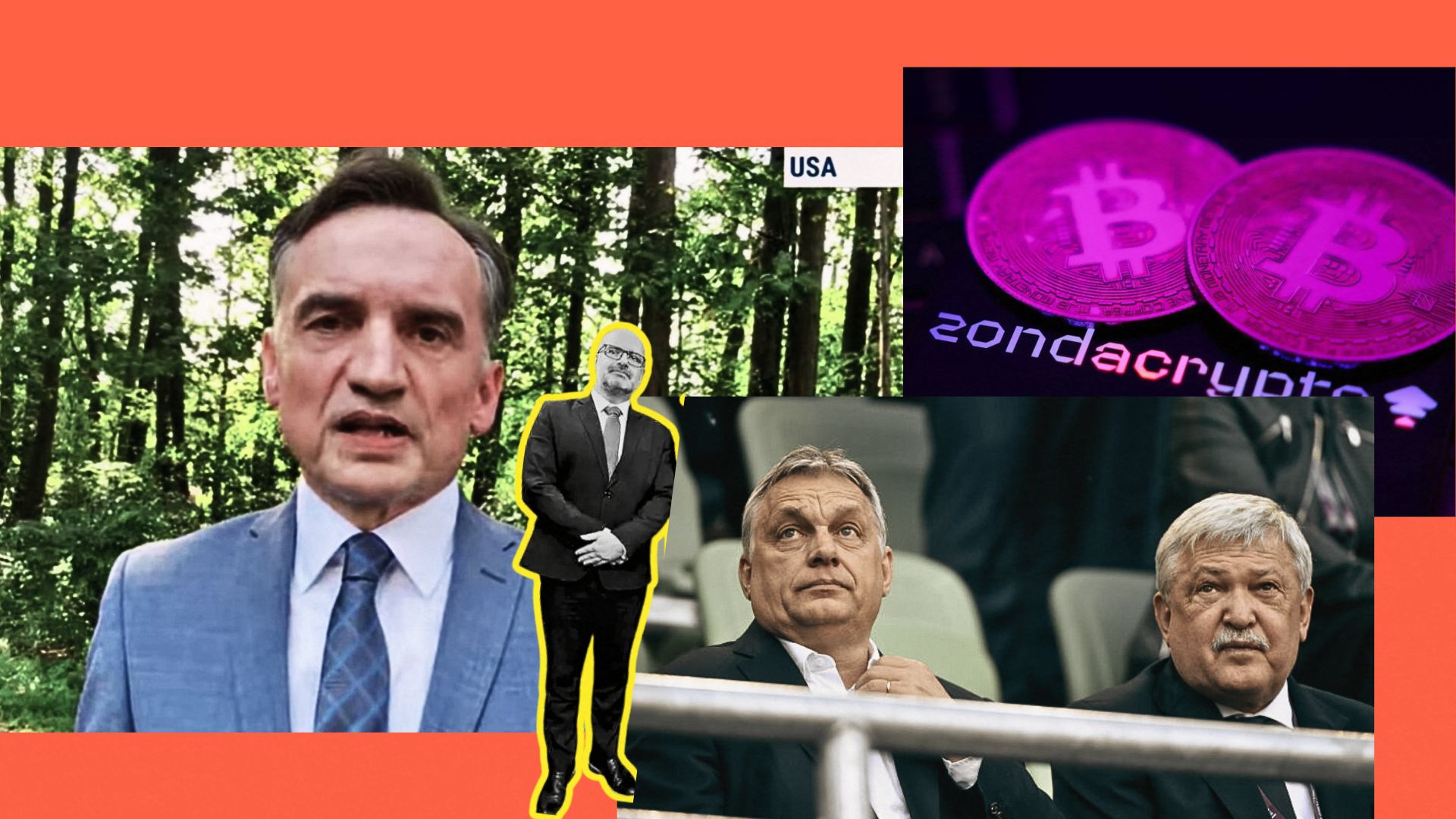
A Polish Crypto Rescue Priced on Orbán Staying in Power
9 September 2026
Analysis
Democratic Security
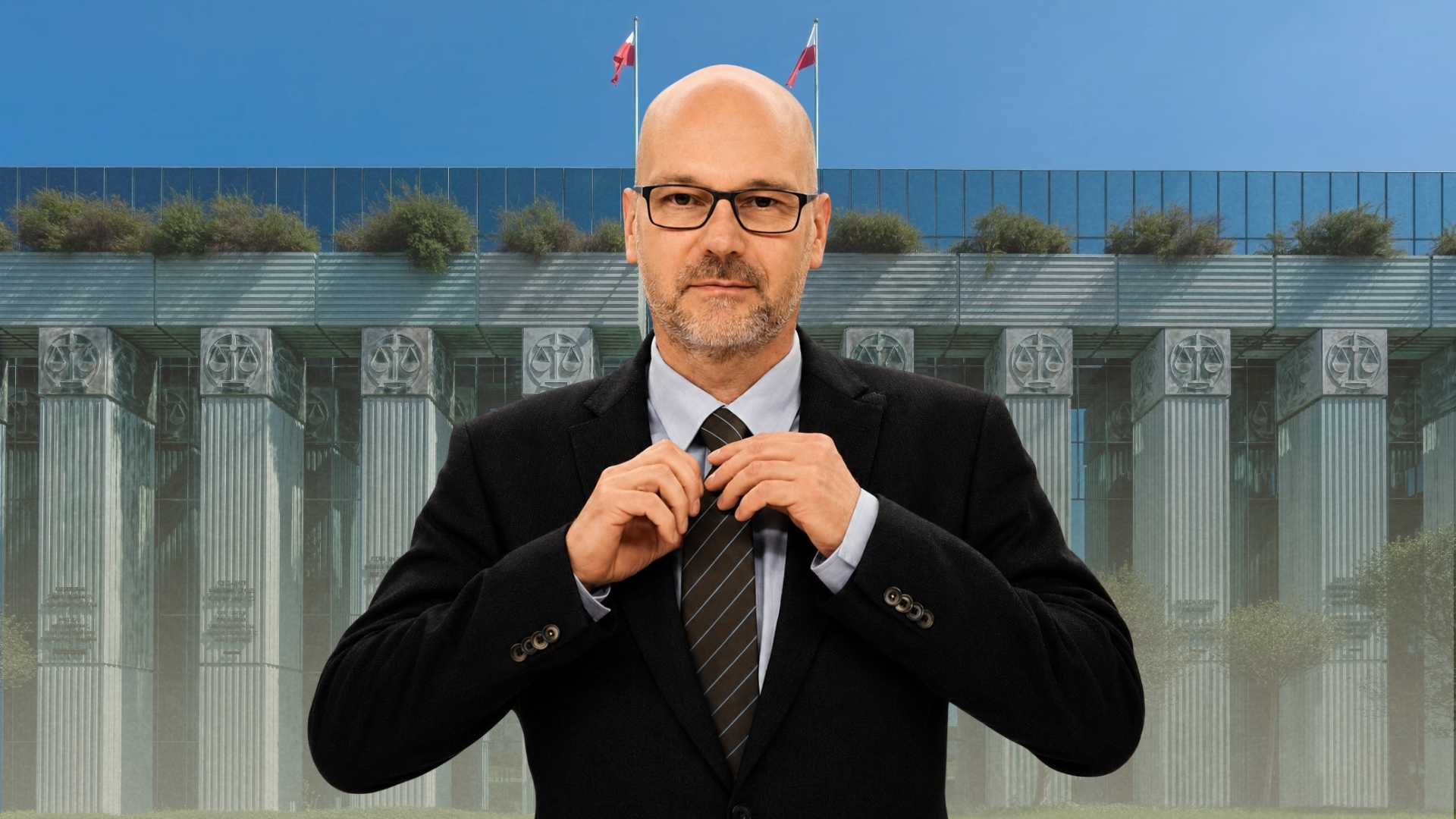
Donald Tusk’s Tribunal Gambit
3 September 2026

Democratic Security
Interview
Is Hungary a Spin Democracy? – CONVERSATION
2 September 2026
Democratic Security
Survey
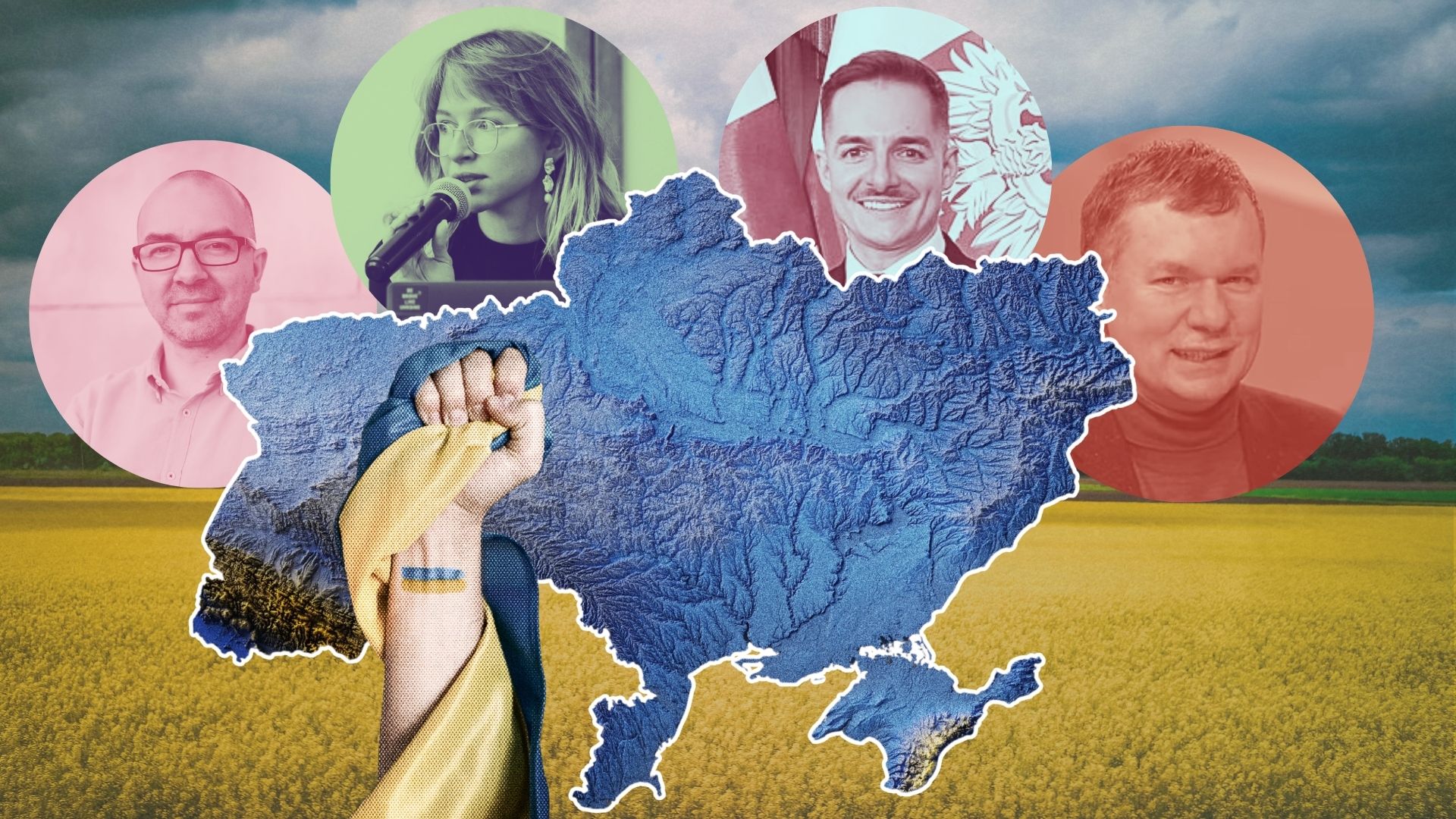
Ukraine. Why Does This Nation Not Fail? 35 Years On – SURVEY
27 August 2026