
Analysis
Democratic Security
Europe’s Talent for Perseverance is Shaped in the East
16 October 2026

2 September 2026
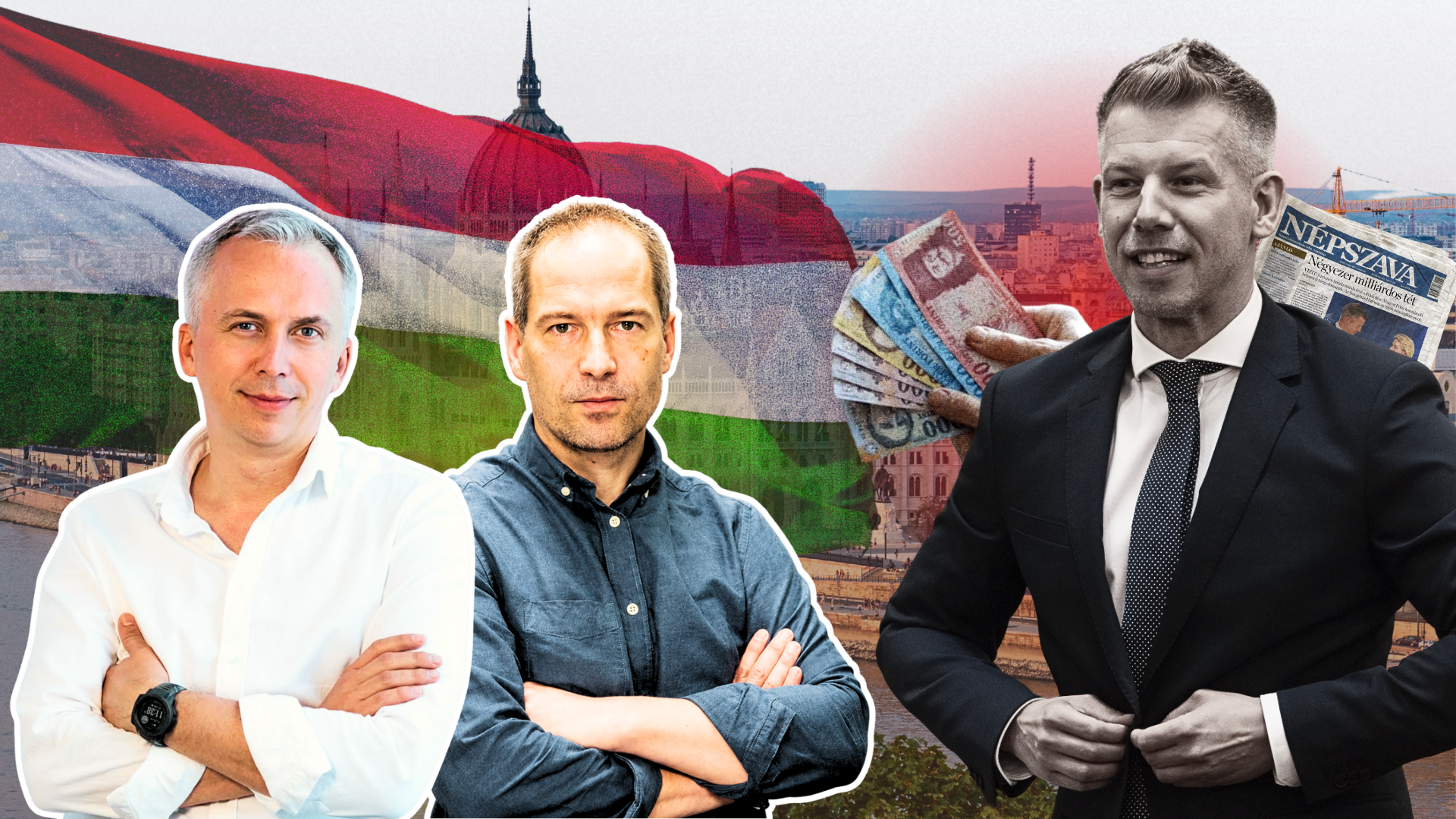
Péter Magyar’s first 100 days in office have brought a wave of change to dismantle Viktor Orbán’s system, and the new government is still enjoying strong public backing. But how long can the honeymoon last?
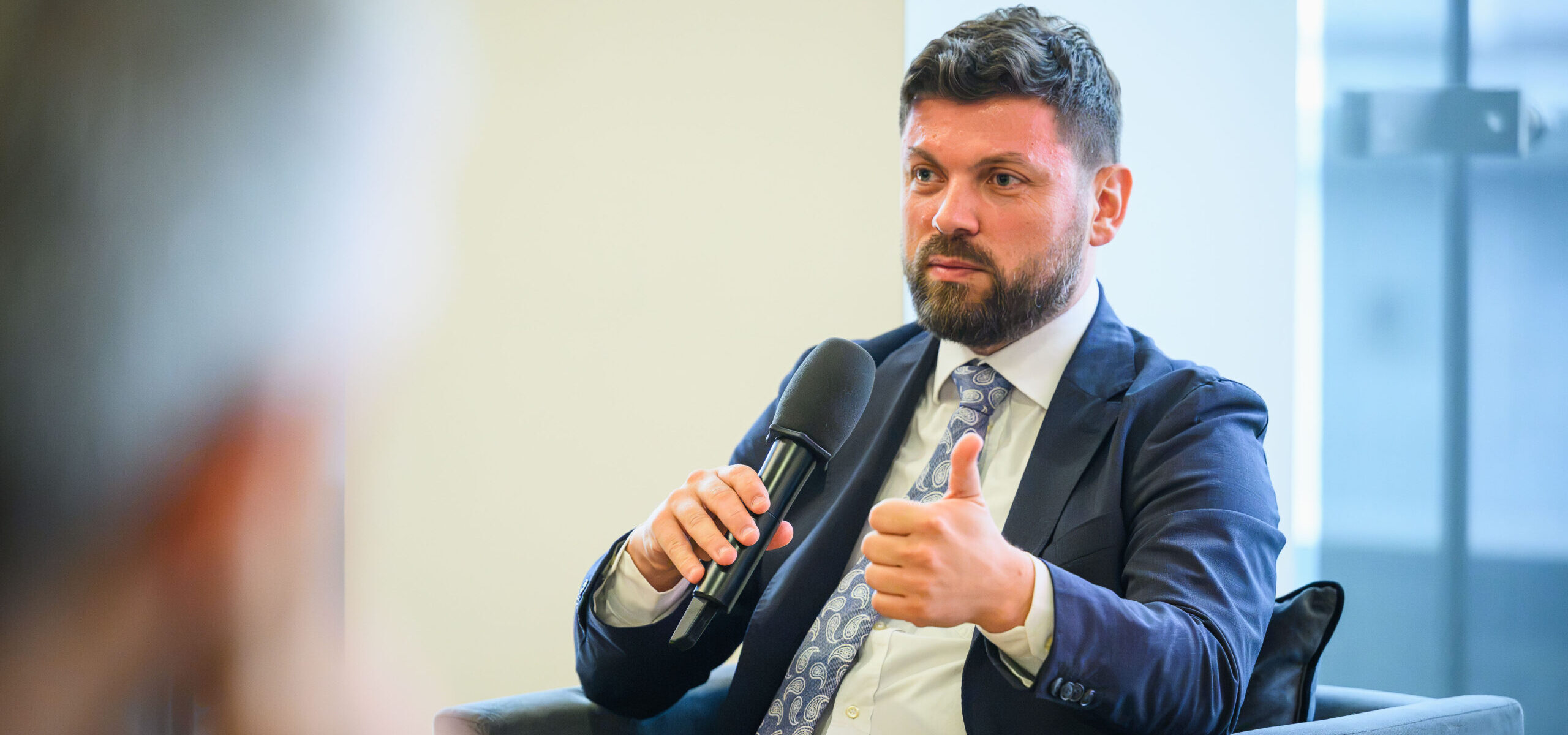
This conversation is drawn from the Visegrad Insight podcast recorded on 26 August 2026, in which Péter Krekó, director of the Political Capital Institute and professor of political psychology in Budapest, and Wojciech Przybylski, editor-in-chief of Visegrad Insight, assess the first 100 days of the Tisza government. They also discuss the push to reshape the rule of law and the limits of what a change of government can achieve. It is the second conversation in the series, following Hungary Wants a Bigger V4.
Péter Magyar spent part of August standing in the middle of the Danube – literally. The river was at a historic low. The Paks nuclear plant draws its cooling water from it. Roughly half of Hungary’s electricity depends on that plant, and so concrete blocks were dropped into the riverbed to lift the level. The prime minister was photographed on the blocks, practically walking on water, and the sequence was cut and distributed as if it were an action film.
The technique is not new. In 2013 a thinner Viktor Orbán was filmed climbing sandbag walls when the same rivers were doing the opposite and flooding Central Europe. ‘Hungary was a spin dictatorship under Fidesz and the Orbán regime. Right now I think it is a spin democracy, in the sense that spin and communication are just as important as they were, but done in a much more democratic spirit’, suggests Krekó.
Analysis
Democratic Security
Europe’s Talent for Perseverance is Shaped in the East
16 October 2026
Analysis
Democratic Security
Belarus. Making Love To a Despot. Again
15 October 2026
Democratic Security
Interview
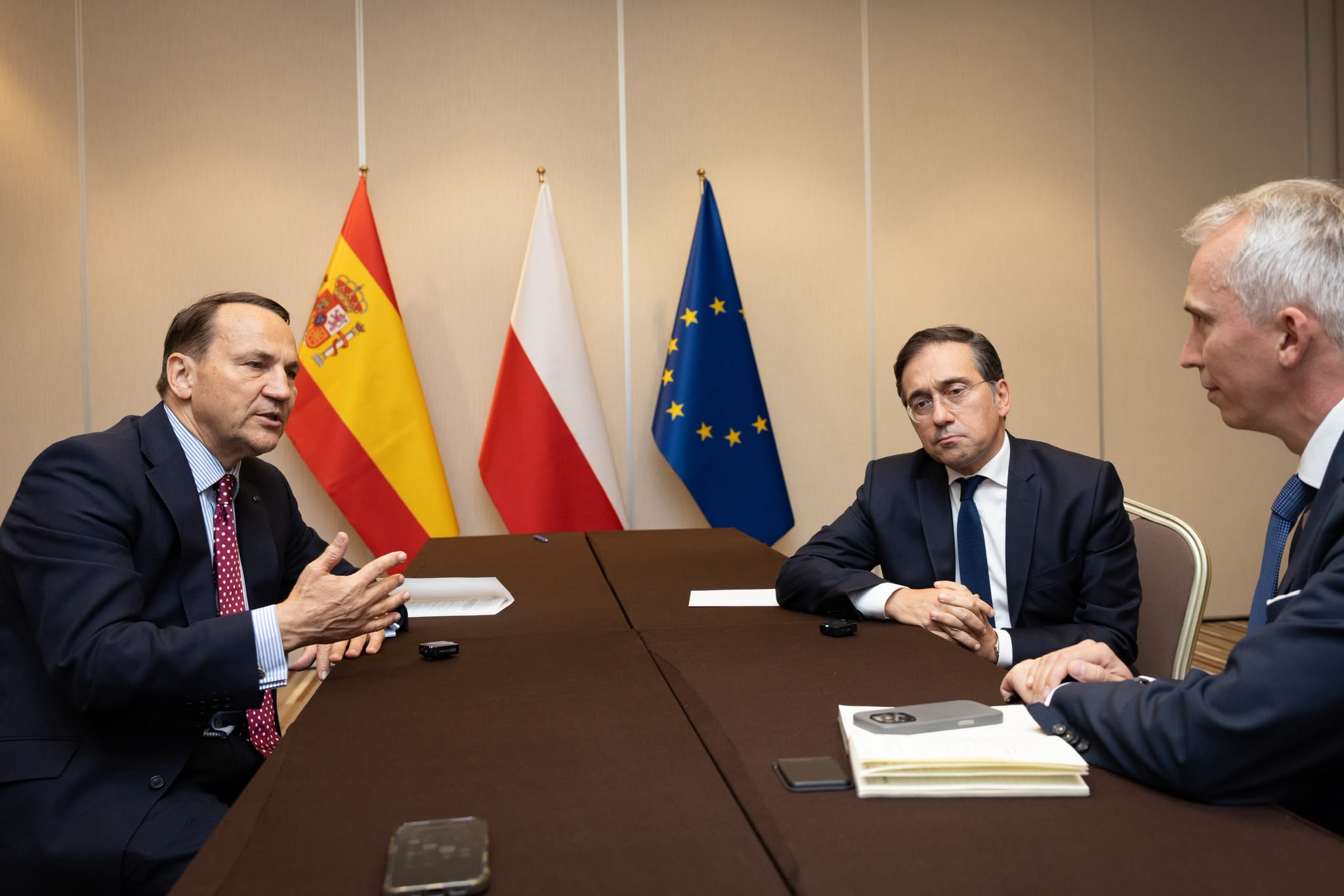
Sikorski and Albares on Big Beautiful Border Wall and Migrants – INTERVIEW
14 October 2026
Economic Security
Interview
Once Inside, Montenegro Will Be Enlargement’s Strongest Advocate – INTERVIEW
13 October 2026