
Analysis
Democratic Security
Europe’s Talent for Perseverance is Shaped in the East
16 October 2026

15 October 2026
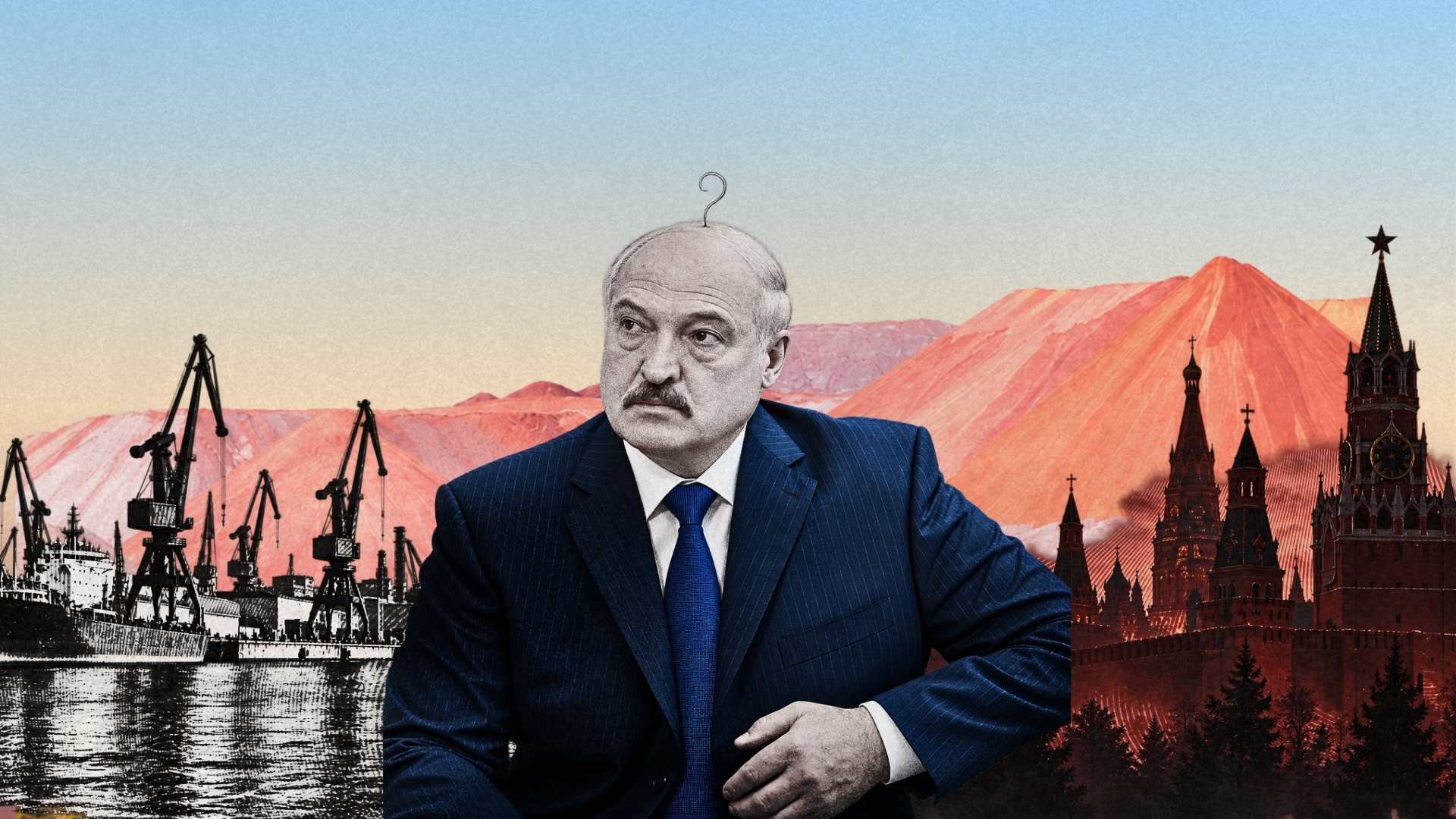
Brussels is due to renew its sanctions against the Lukashenka regime in February 2027. Is Poland about to build a bargaining position with Minsk?
Belarus is once again looking for a channel of communication with the EU. At least, such are the conclusions of the meeting of Polish Foreign Minister Radosław Sikorski with his Belarusian counterpart Maksim Ryzhankou on the margins of the UNGA in New York this September, the first in-person meeting at this level since 2018. Reportedly initiated by the Belarusian side, the meeting produced no breakthroughs beyond an announcement of Poland’s new embassy building in Minsk. What matters, however, is that the meeting themself took place, eight years and many developments later.
Every previous EU opening to Minsk, including Sikorski’s own in 2010, ended with Lukashenka pocketing the concessions, which may be a strong argument against another ‘reset’ with Belarus, argues Aliaksei Kazharski, a Visegrad Insight Fellow. ‘This [reset] has been tried before, and there were multiple things that happened after 2020 between Minsk and the EU which fundamentally undermined whatever trust there had been previously. Rapprochement with a regime that remains Russia’s military ally is ‘a rather toxic business with very uncertain political profits.’ Sikorski himself has said that ‘all successive Polish governments tried to give Lukashenka some room for manoeuvre, bringing the EU into the effort… All with the same result’.
The reason lies in Minsk itself. Belarusian foreign policy has long been shaped by the tension between maintaining a strategic alliance with Russia and preserving its own sovereignty, believes Roberts Kits, Resilient Futures Fellow at Visegrad Insight. ‘Lukashenka’s primary objective has always been to remain in power, and he has therefore sought to avoid both complete subordination to Moscow and bringing Belarus too close to Europe, which would lead to democratisation’, he says.
Analysis
Democratic Security
Europe’s Talent for Perseverance is Shaped in the East
16 October 2026
Democratic Security
Interview
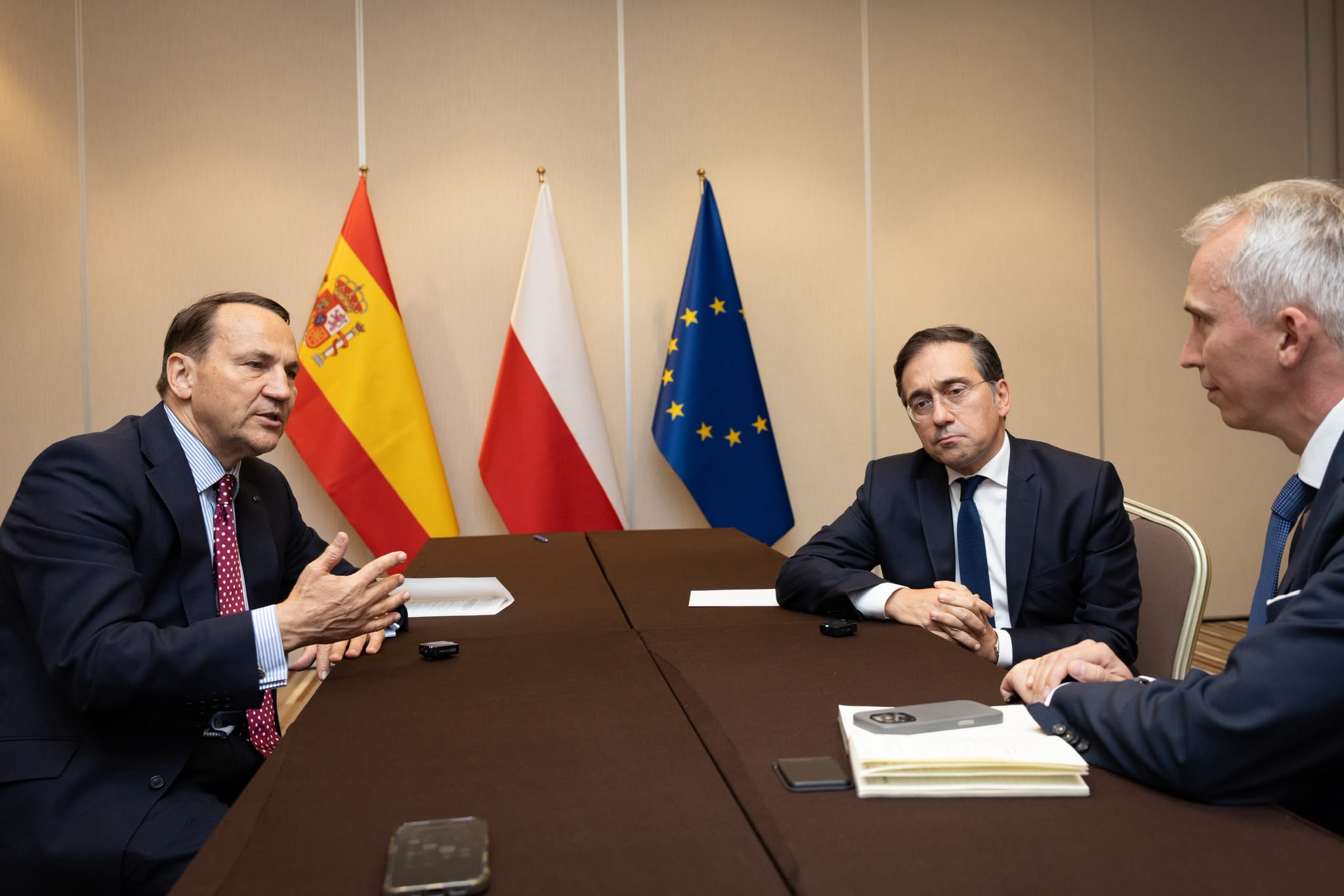
Sikorski and Albares on Big Beautiful Border Wall and Migrants – INTERVIEW
14 October 2026
Democratic Security
Interview
Russia Has Learned That Chaos Is Cheaper Than War – INTERVIEW
9 October 2026
Commentary
Democratic Security
Poland’s Power Needs a Purpose
8 October 2026