Events
Think Tank
How Europe Can Build the Capacity to Act Together
2 October 2026

26 June 2025

How far can Robert Fico go in using disinformation and extremism to consolidate power in Slovakia – and what does it mean for the EU?
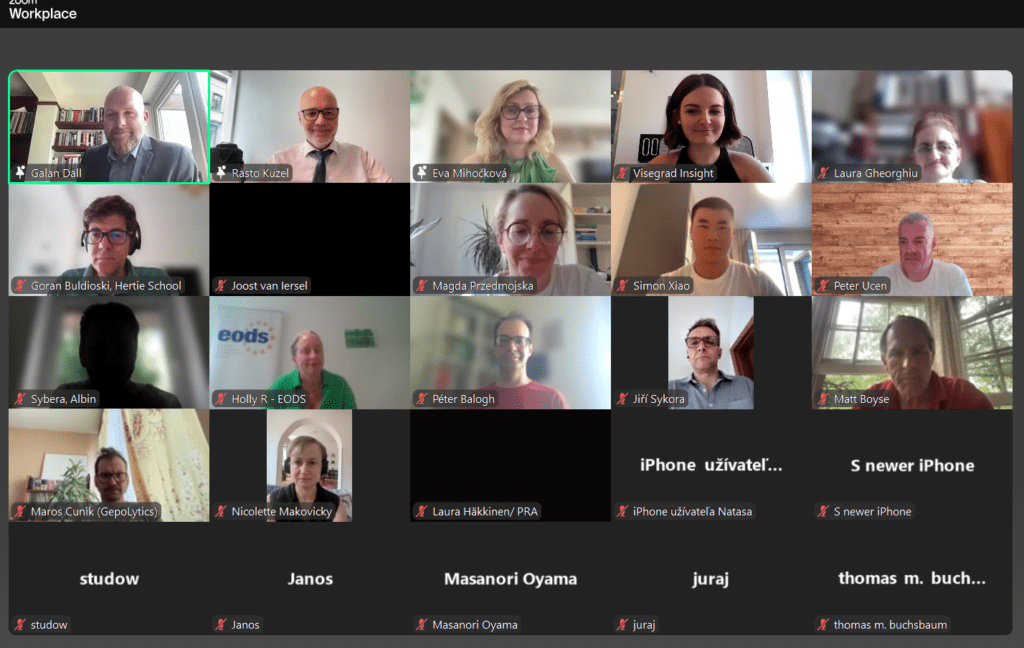
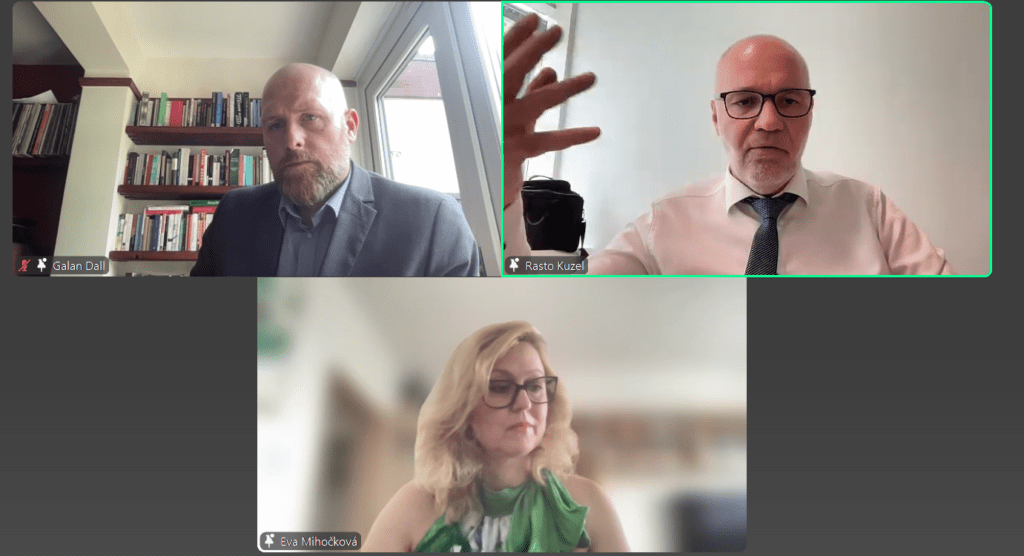
The big picture: Disinformation in Slovakia is no longer something found in the fringes, but a mainstay feature of the very institutions that govern the country. PM Robert Fico and his Smer-led coalition have given prominent conspiracy theorists – such as Daniel Bombic and Peter Kotlár – roles in the government.
Driving the story: Marcin Król Fellow Eva Mihočková and Rasťo Kužel of MEMO 98 discussed the causes, domestic consequences and regional implications of Slovakia’s descent into disinformation.
Editor’s Pick: Read Eva Mihočková’s article How Slovakia’s Government Mainstreamed Extremism and Undermined Democracy to get a deeper analysis.
State of play:
Zoom out: The peddling of disinformation is part of Fico’s broader grievance with liberal democracy. He has repeatedly praised the efficiency and longevity of autocratic regimes, such as those in Uzbekistan and China. Such rhetoric may be preparing the population for future elected authoritarianism.
Slovakia’s trajectory is closely watched by its neighbours. A shift away from illiberalism would mark a symbolic victory for pro-EU and centrist forces, while the continuation of the status quo would embolden Fico-like actors across the region.
Speakers:
The discussion was moderated by Galan Dall, Visegrad Insight Managing Editor.
_
This post was drafted by Simon Xiao.
Democratic security comes at a price. What is yours?
Subscribe now for full access to expert analysis and policy debate on Central Europe.
Events
Think Tank
How Europe Can Build the Capacity to Act Together
2 October 2026
Economic Security
Think Tank
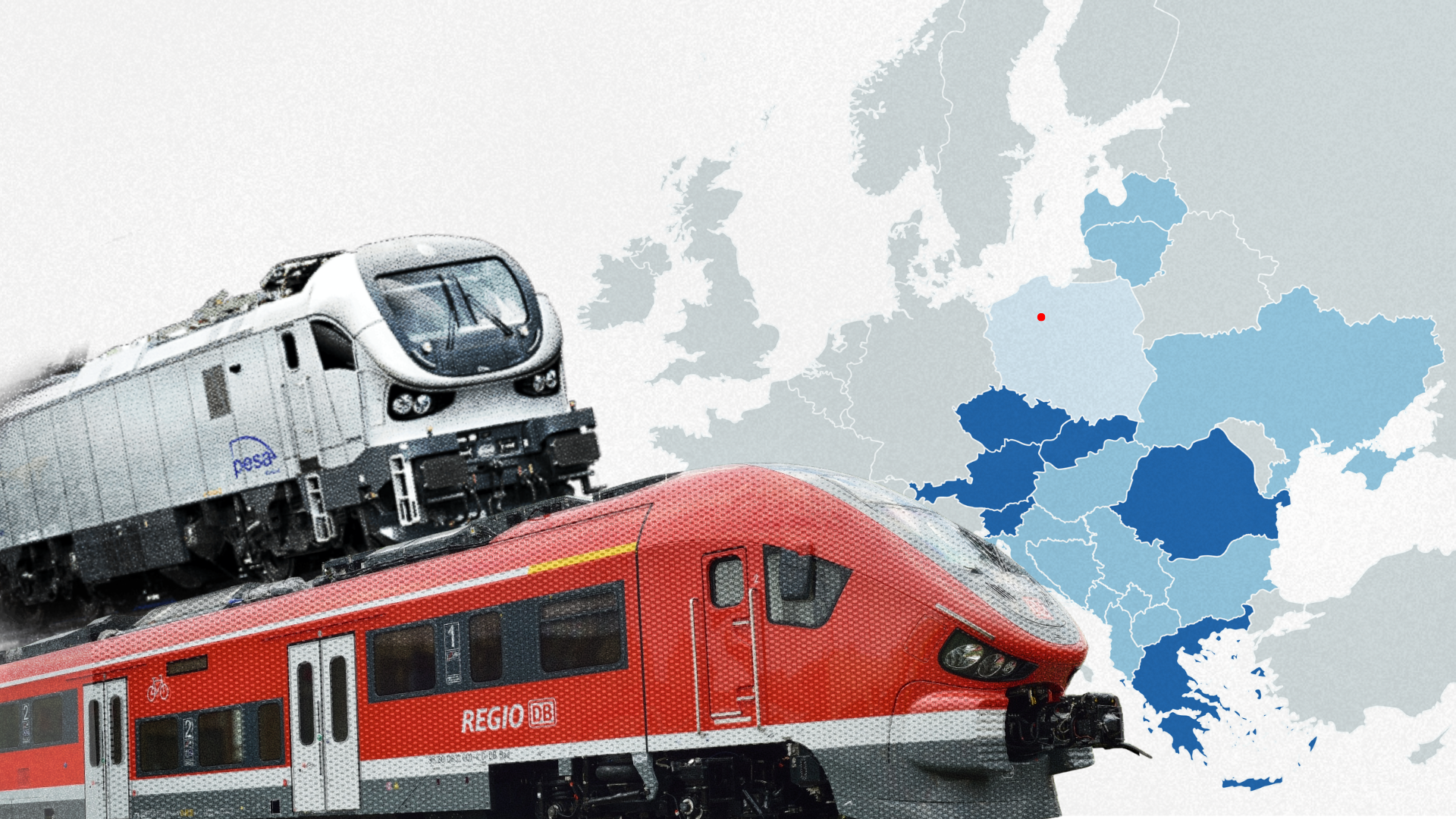
How Poland Wants to Turn a Failing Train Maker into a Geoeconomic Asset
30 September 2026
Economic Security
Events
Think Tank
Europe Aligned with Iran Sanctions Long Before D-Day
8 September 2026
Events
Think Tank
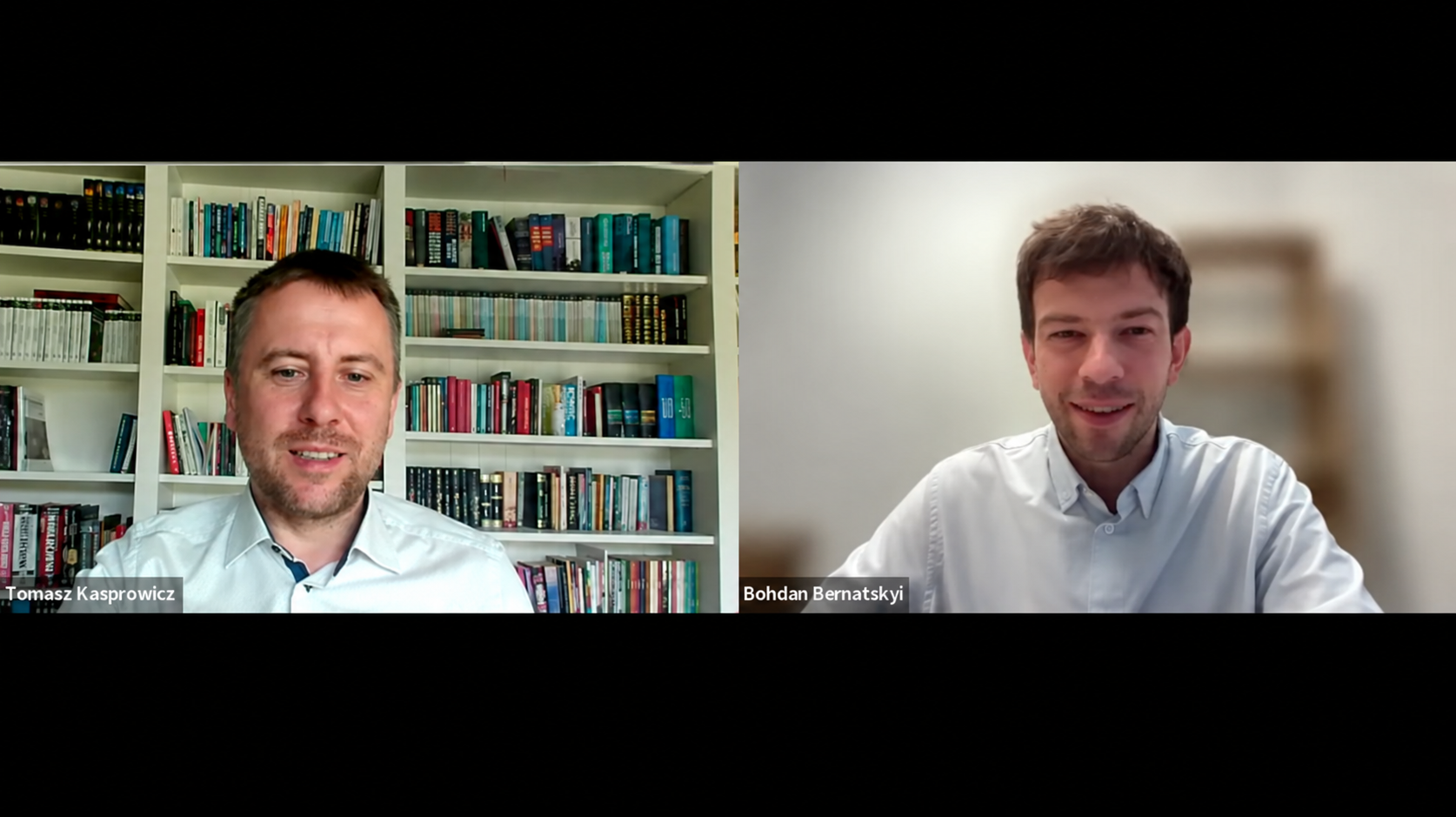
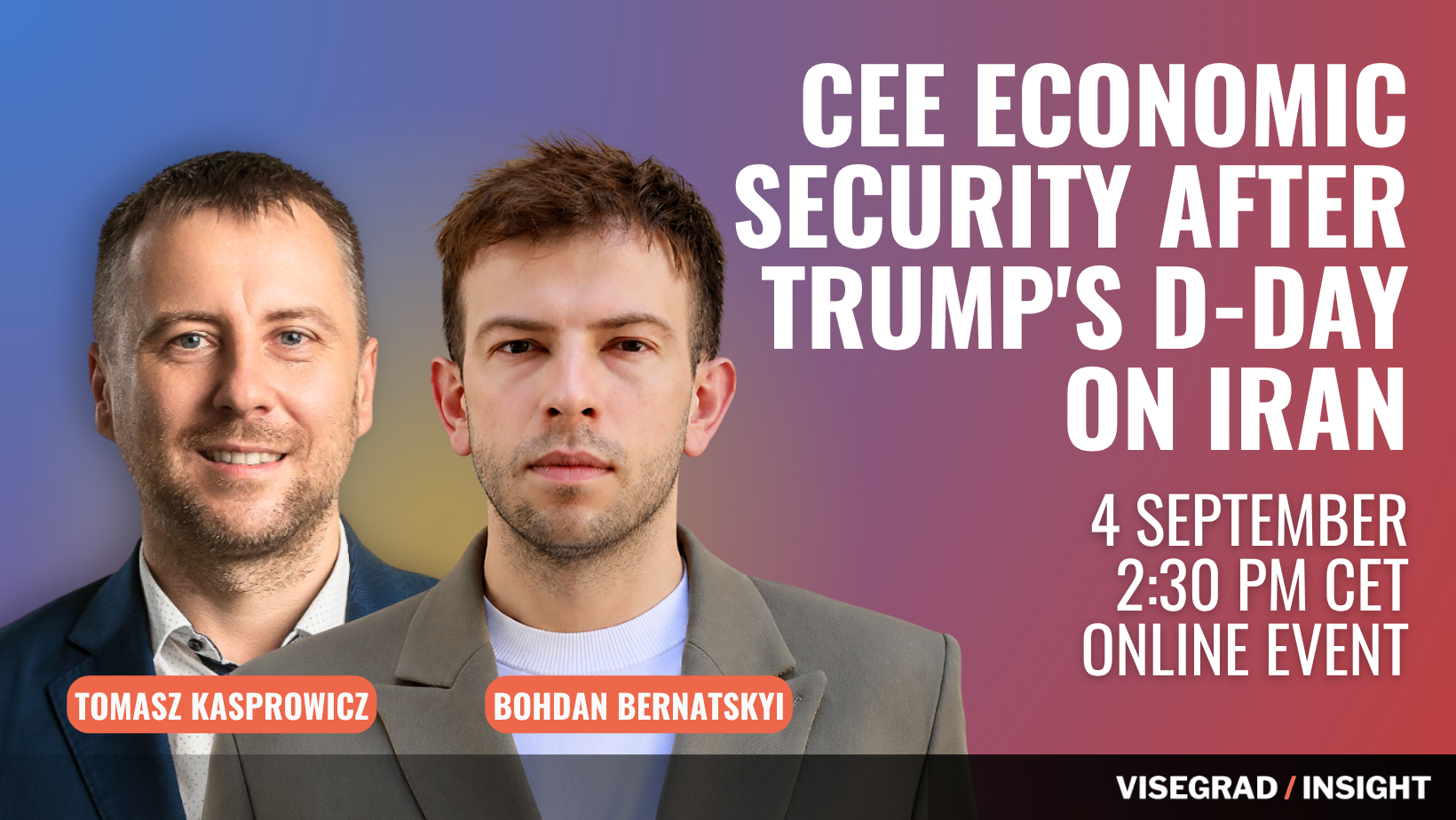
Online event: One Week After Trump’s ‘D-Day’ Against Iran – What Is There for CEE Economic Security?
1 September 2026