Commentary
Democratic Security
Few Reasons to Worry About Latvian Trump
1 October 2026

2 July 2026
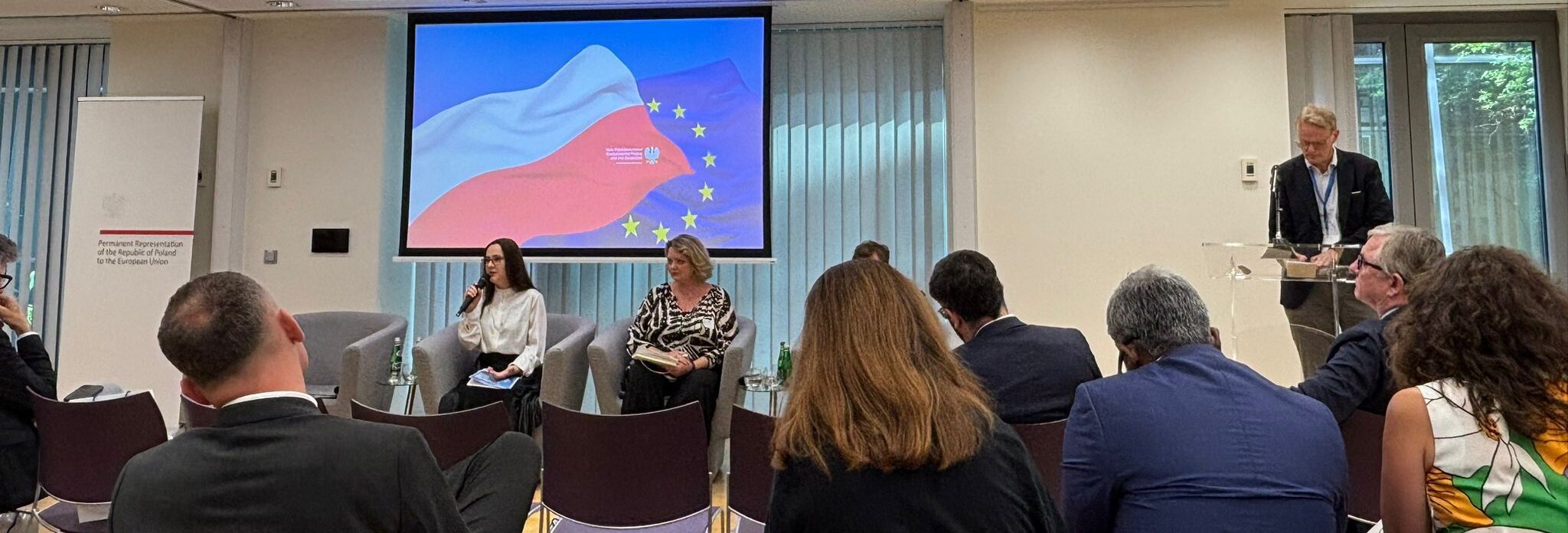
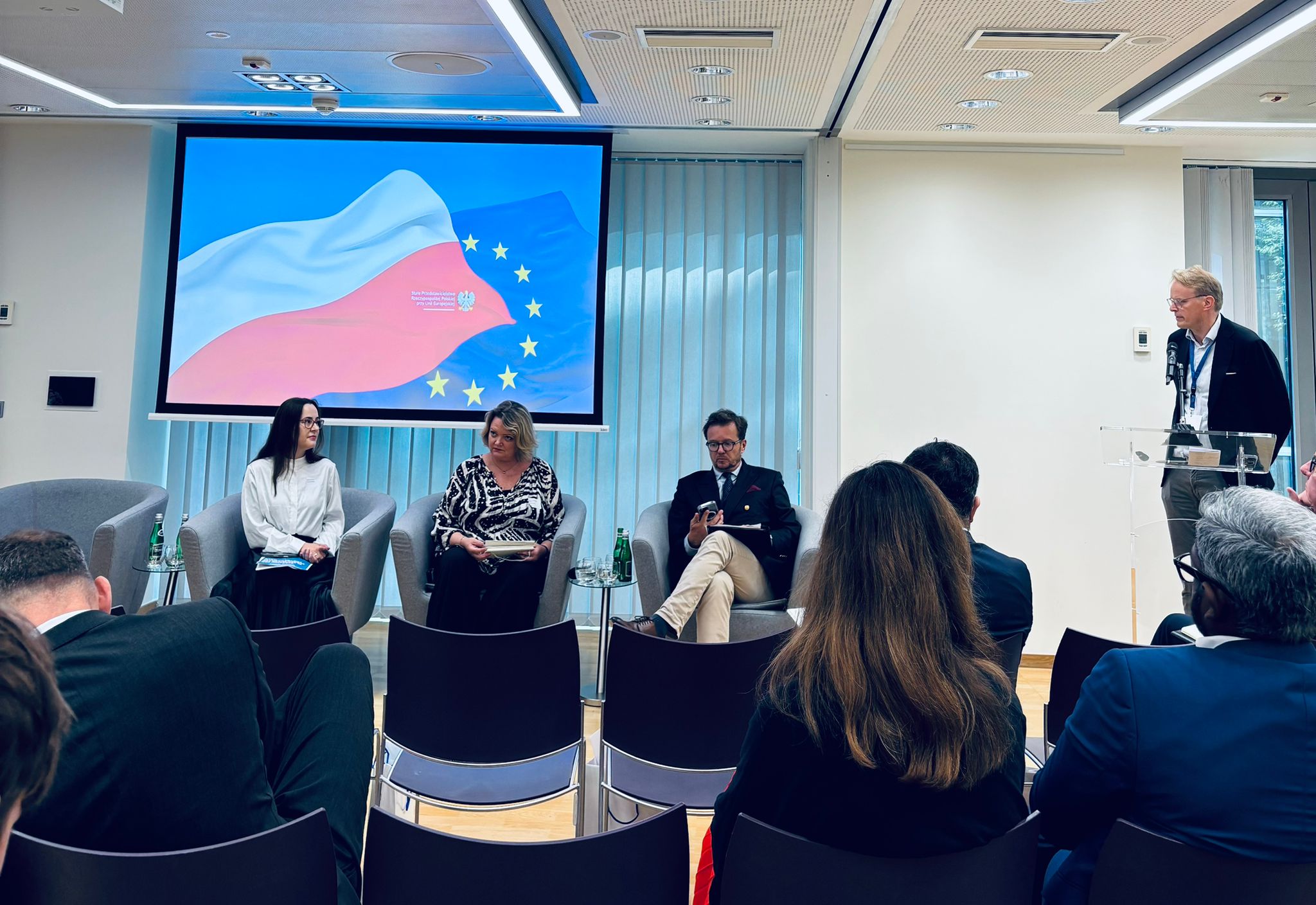
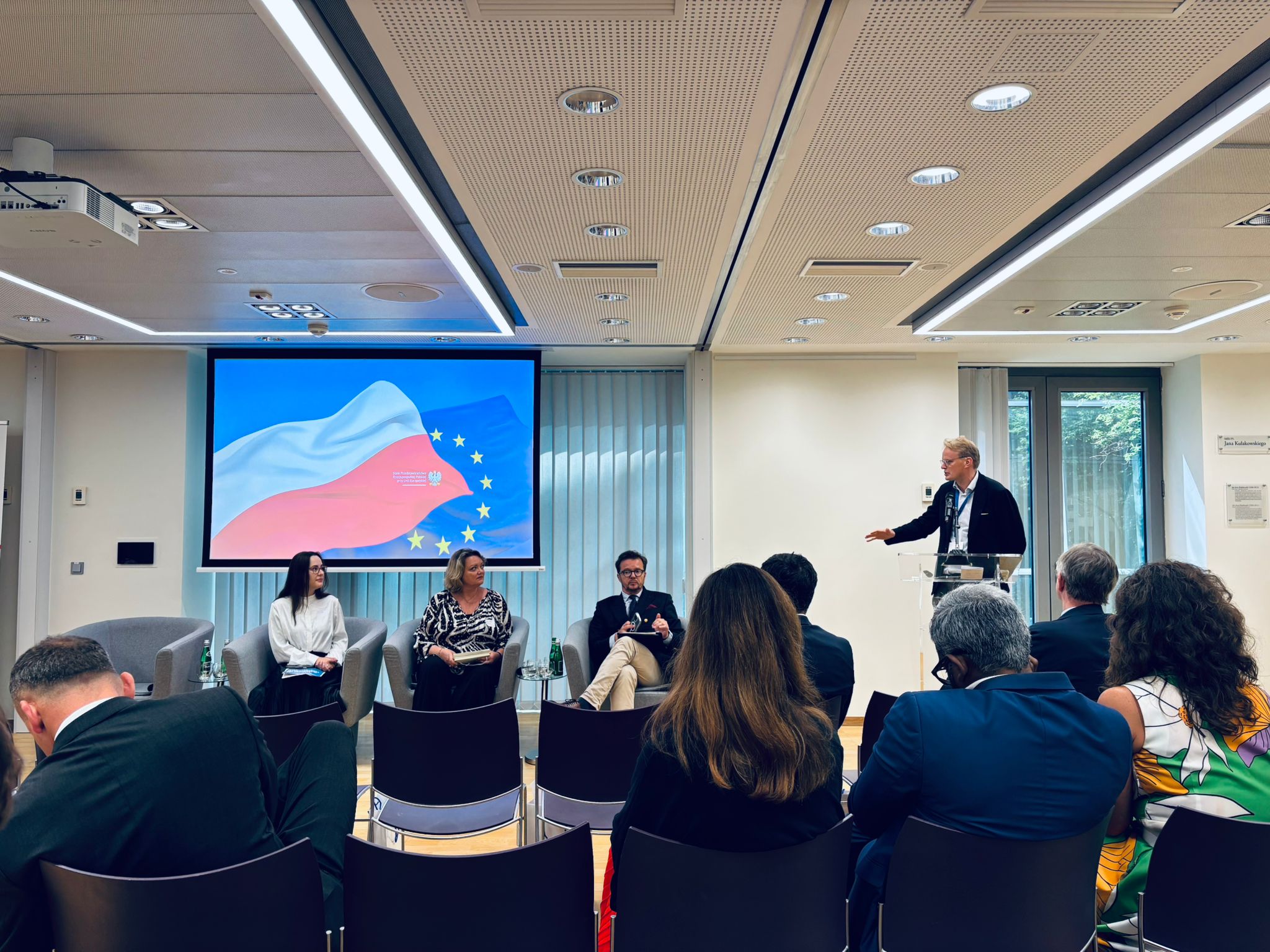
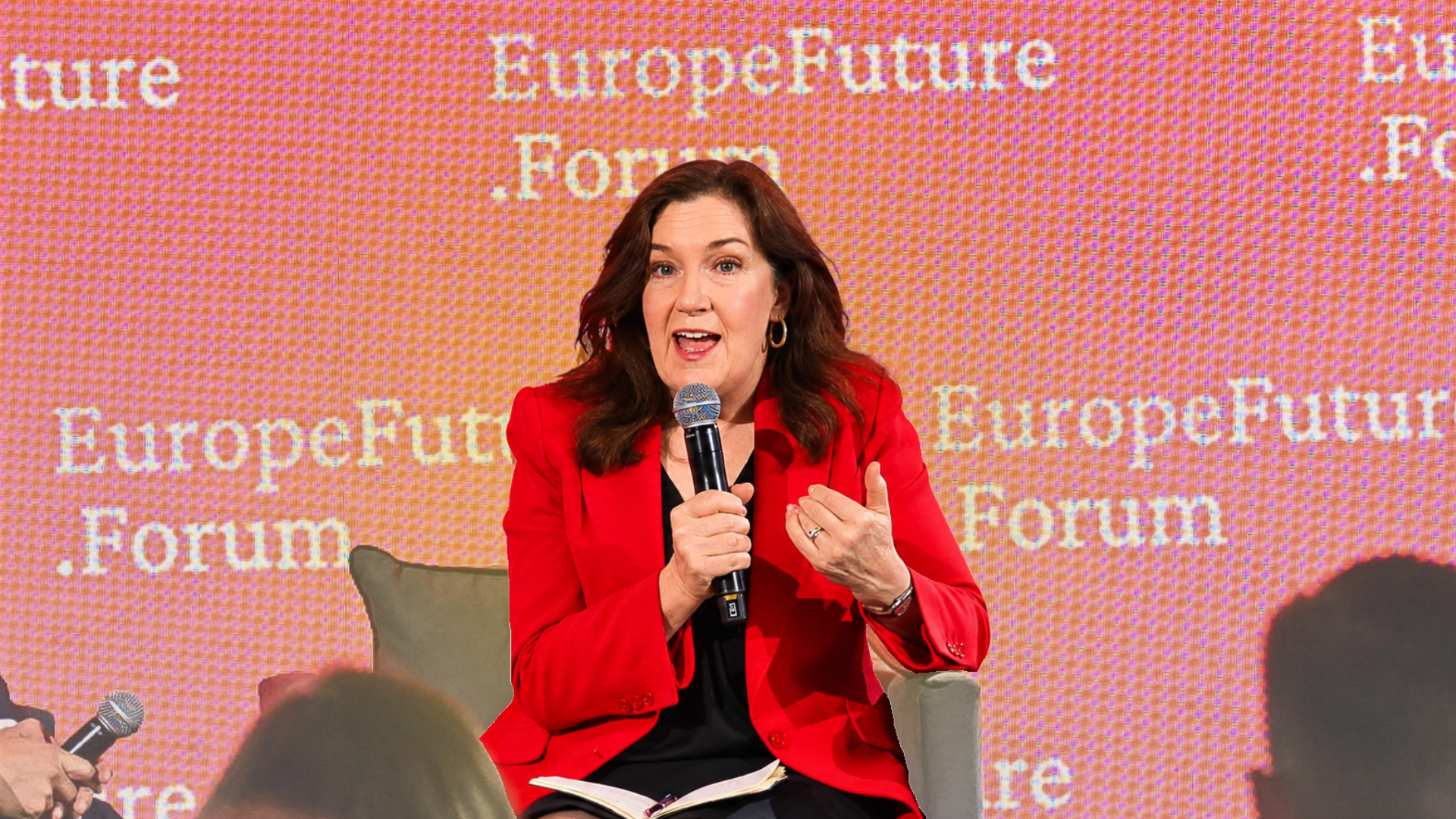
Alina Sarnatska presented the conclusions of the Resilient Futures Fellows workshop on the European Centre for Democratic Resilience Stakeholder Platform on 25 June 2026

The European Centre for Democratic Resilience is a new hub established at the heart of the European Democracy Shield project and aims to strengthen Europe’s collective capacity to anticipate, detect and respond to threats to democracy, including foreign information manipulation and interference (FIMI).
Its Stakeholder Platform is the channel through which independent actors, including civil society organisations, researchers, academia, media and practitioners, are meant to feed expertise, research and field experience into that work. Many countries only began building resilience after Russia’s full-scale invasion of Ukraine, and a large group of them is still missing a workable model. A well-designed platform could empower and gather civil society stakeholders from across the EU member states to develop a practical, cross-sectoral and European space in which to find solutions.
The Brussels meeting brought together the FIMI defenders’ community and the EU Commission to exchange views, conclusions and recommendations on how to co-shape the European Democracy Shield’s bodies. Discussions covered the evolution of FIMI threats, response tools, particularly those that use AI, regulatory developments and the whole-of-society approach, with the Stakeholder Platform a central theme. At this two day event connecting panel discussions and practical workshops, the room gave space for in-depth brainstorming attended by the EU institutions (the European External Action Service, the European Commission’s directorates-general for Justice and Communication), Member State representations (Poland, Lithuania and Romania), Members of the European Parliament, and civil society and research bodies including the Polish Institute of International Affairs (PISM), EU DisinfoLab, Faktabaari, Lie Detectors, Debunk.org and Alliance4Europe.
The discussions focused on ten steps of the creation of the platform. They addressed, among others, the mission, technical construction, the institutional and management structure, resources and financing and predominantly user profiling and lavish participation.
In Brussels, Alina Sarnatska, a Ukrainian playwright, combat medic and Resilient Futures Fellow, presented the findings of our recent Fellows workshop. Speaking at the Civil Society in Action against FIMI panel, she set out how civil society can be built into the new European Centre for Democratic Resilience. Her intervention drew directly on the policy brief that followed the workshop, co-authored with Marta Dermańska, Magda Jakubowska and Dmitri Teperik, as well as lessons learned from Ukraine’s recent experience.
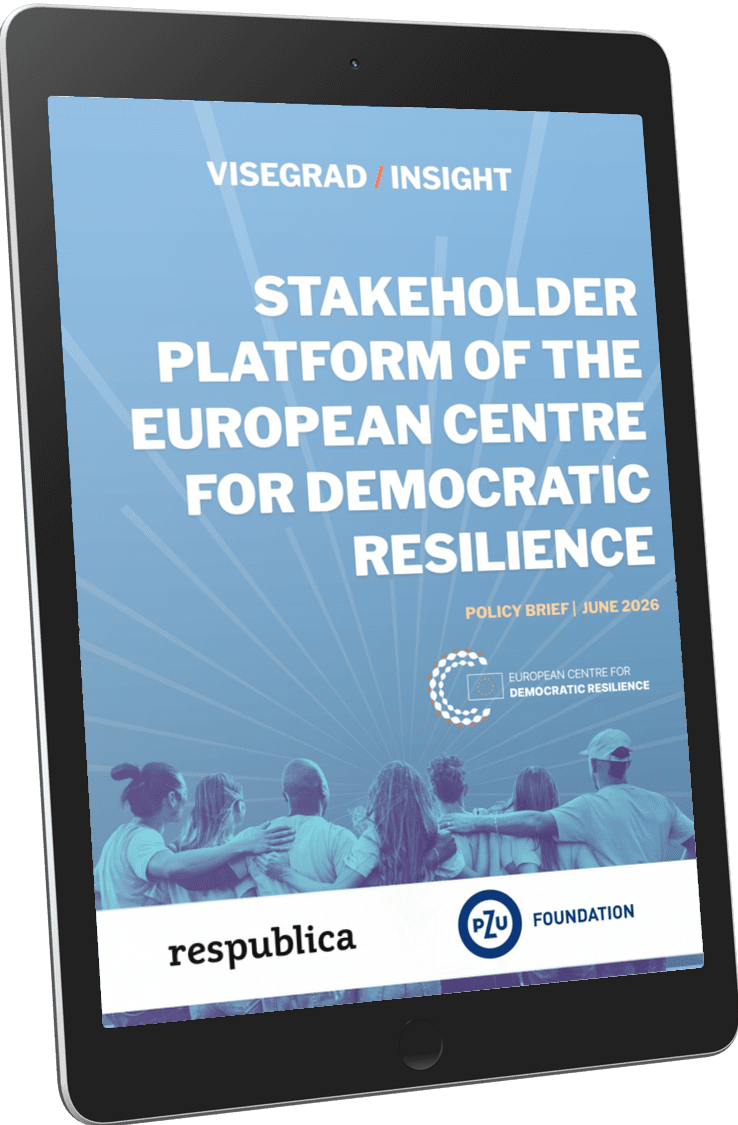
The team set out six points for the platform to deliver real value:
The Brussels presentation is a step, not an endpoint. Visegrad Insight and the Res Publica Foundation, together with the Resilient Futures Fellows and the PZU Foundation, will continue developing these recommendations and feeding them into the design of the ECDR Stakeholder Platform, so that the platform becomes a working space connecting civic knowledge with institutional action.
Democratic security comes at a price. What is yours?
Subscribe now for full access to expert analysis and policy debate on Central Europe.

Commentary
Democratic Security
Few Reasons to Worry About Latvian Trump
1 October 2026

Analysis
Democratic Security
Hungary-Ukraine Spat Gains a New Dimension – OVERVIEW
1 October 2026

Economic Security
Think Tank
How Poland Wants to Turn a Failing Train Maker into a Geoeconomic Asset
30 September 2026
Democratic Security
Interview
If Russia is the Storm, China is Climate Change – INTERVIEW
24 September 2026