
Democratic Security
Those Who Do Not Learn from This War Risk Losing the Next – Radosław Sikorski
17 September 2026

30 July 2026
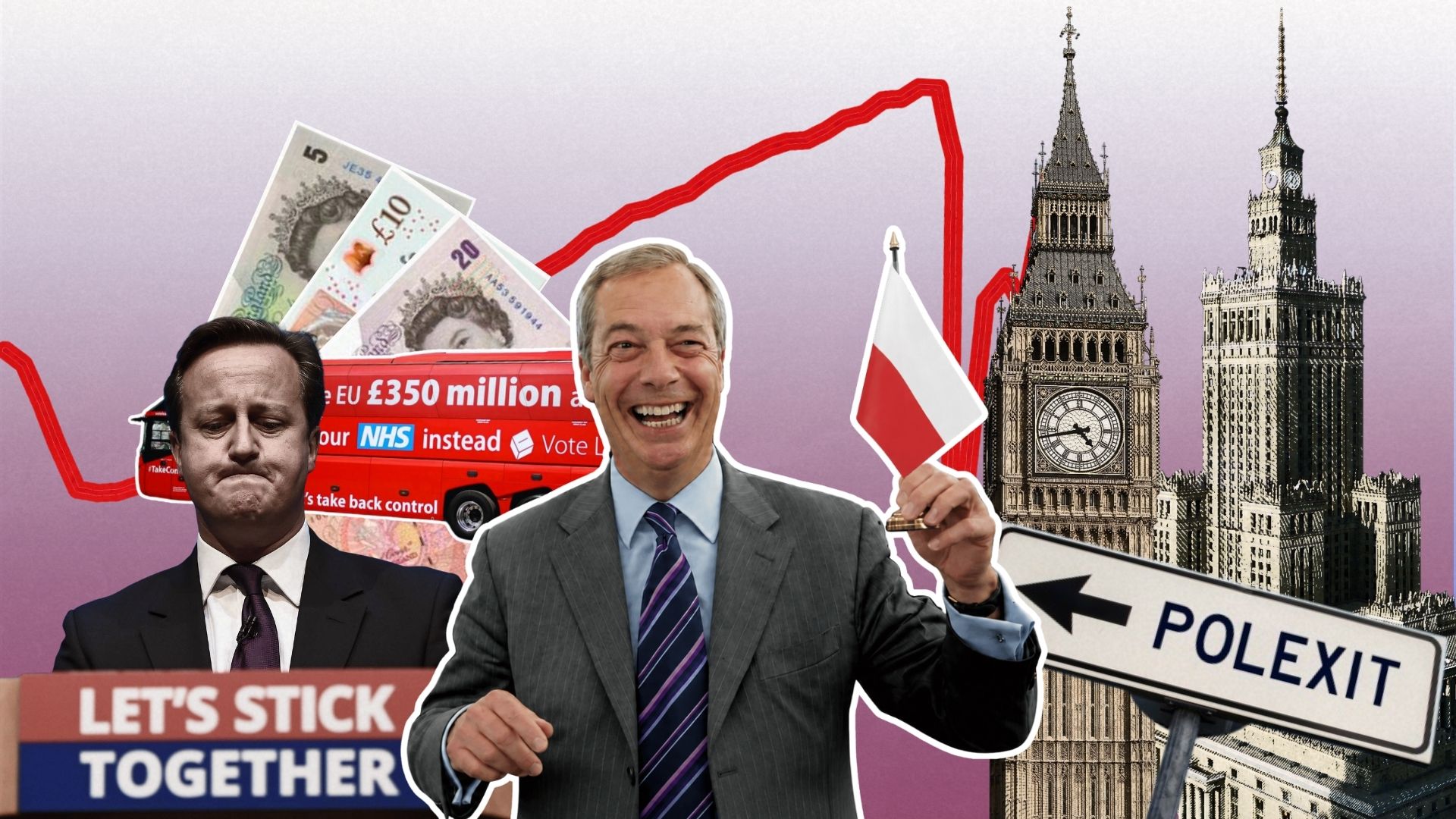
Ten years ago, last month, Britain voted to exit the EU. Keir Starmer became the sixth prime minister to leave Downing Street since then. The legacy of Brexit should concern CEE countries, too.
Clearly, Brexit was not inevitable. It was not the product of inexorable structural forces, nor simply a democratic upsurge of popular Euroscepticism. It was a choice made by a small number of political elites who had the means, the motive, and the moment to act in what turned out to be a historic self-inflicted harm for the United Kingdom.
Prime Minister Cameron called the 2016 referendum not because Britain was structurally destined to leave the EU but because he needed to manage internal Conservative Party schisms, as well as the threat posed by the far-right UK Independence Party (UKIP). Cameron believed he could win yet another referendum, and yet he lost. That single act of political agency set in motion a process that has since cost the British economy between 6 and 8 percent of GDP per capita.
The great misconception about Brexit, shared by both its most fervent champions and its most adamant critics, was the expectation of immediate, dramatic consequences. But the Treasury’s promised economic catastrophe did not materialise overnight. Neither did the promised liberation. What followed instead was what we call a ‘slow poison’ – not a spectacular collapse, but a gradual, compounding erosion of competitiveness, investment attractiveness and regulatory certainty.
Democratic Security
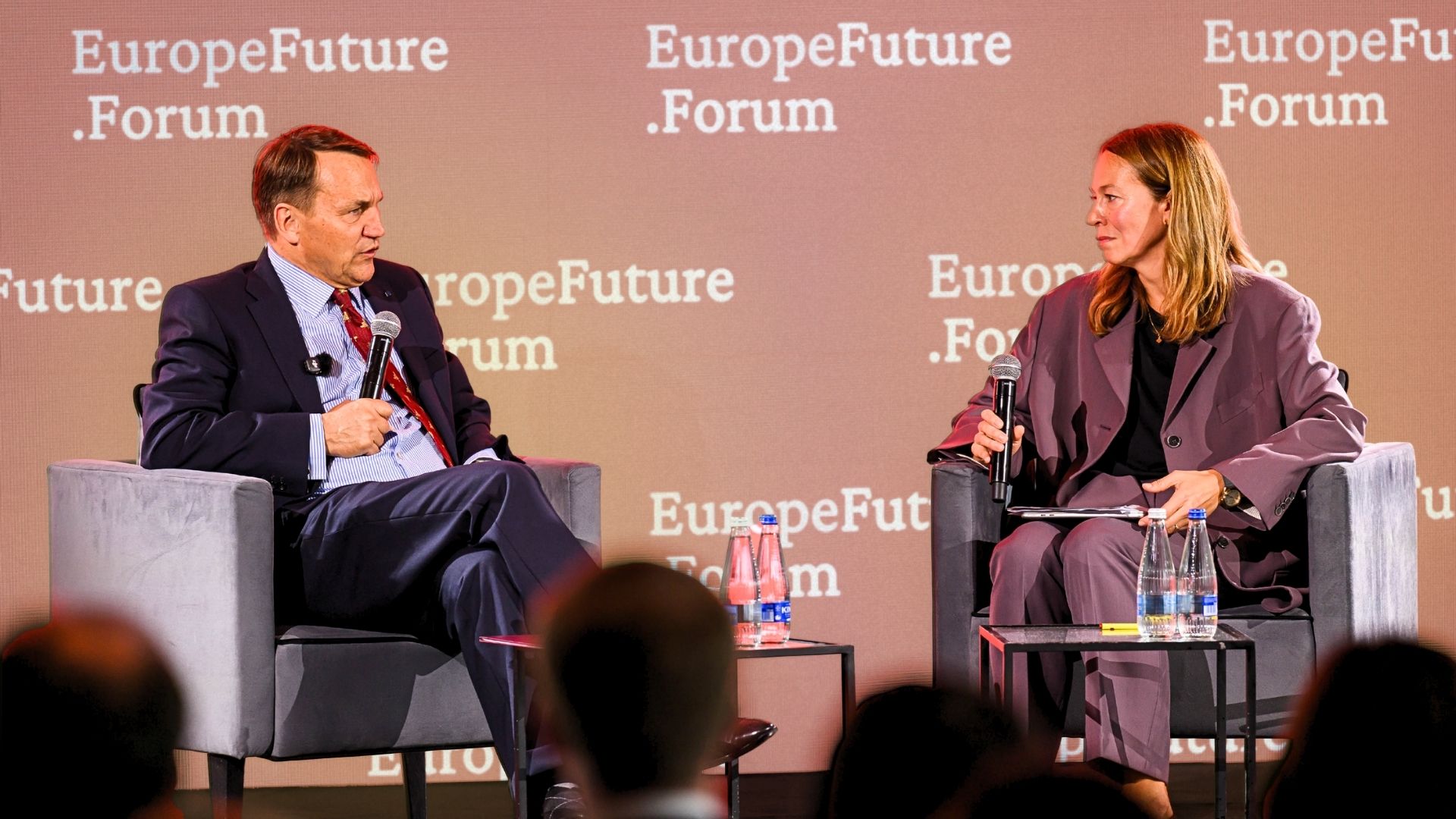
Those Who Do Not Learn from This War Risk Losing the Next – Radosław Sikorski
17 September 2026

Democratic Security
Survey
Unlocked
What the European Security Strategy Should Be About?
10 September 2026

Analysis
Democratic Security
Unlocked
A Polish Crypto Rescue Priced on Orbán Staying in Power
9 September 2026

Analysis
Democratic Security
Donald Tusk’s Tribunal Gambit
3 September 2026