Commentary
Democratic Security
Post-war Ukraine Holds the Key to European Defence
5 August 2026

6 August 2026
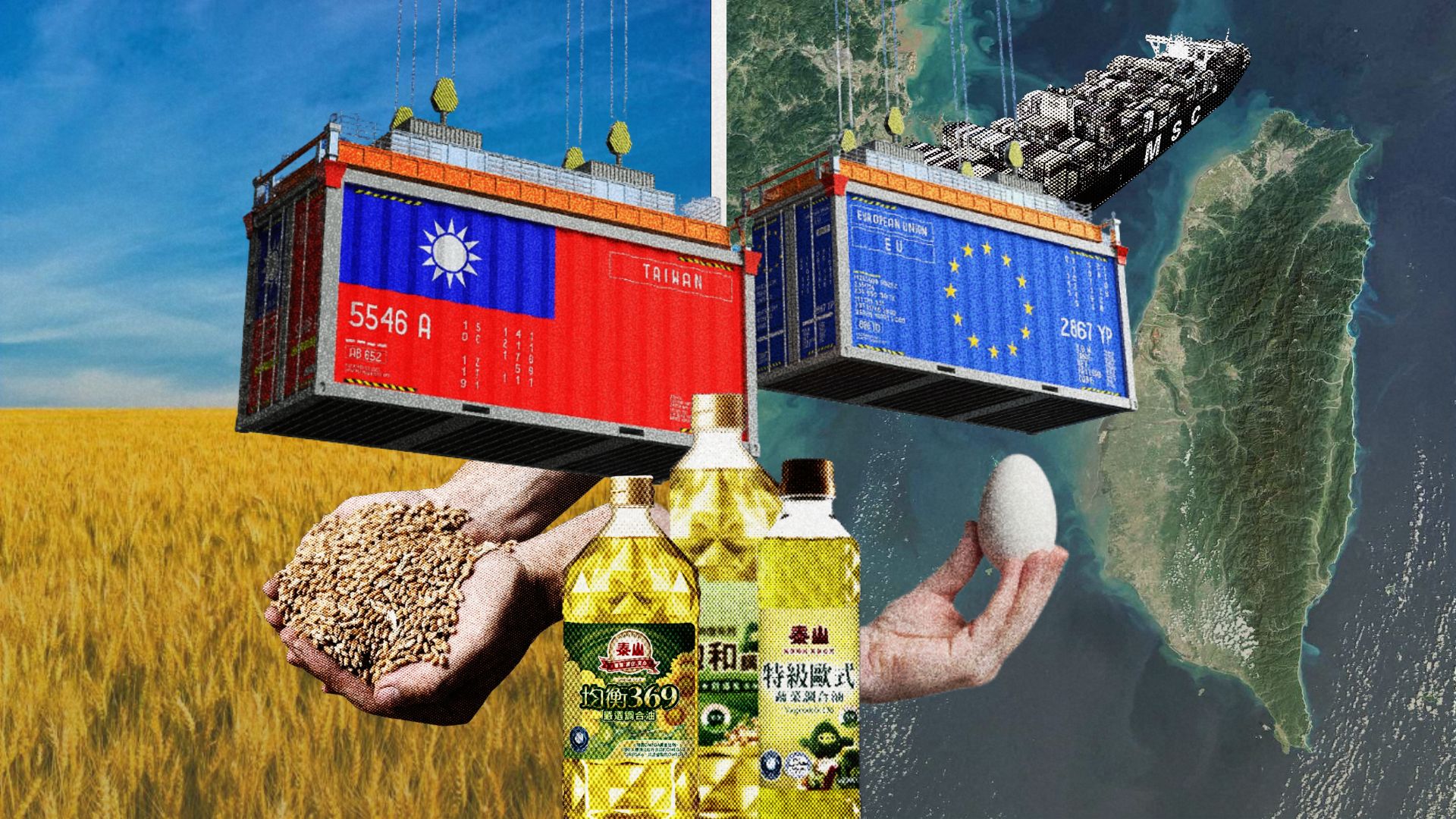
In Bratislava, Warsaw and Taipei, foes have been quick to aggravate genuine irregularities into disinformation that undermines democratic security. Brussels and Taipei should act swiftly and in tandem to respond.
Foreign policy wonks like their crises marbled with gravitas – ballistic missiles, sanction regimes, the ‘rules-based order’. Few clear their throat at a think-tank panel to discuss the price of eggs. Which is exactly why Beijing and Moscow have gotten so good at using them.
Twice in three years, Taiwan has had a food scandal weaponised against it. In 2023 a genuine egg shortage ended a minister’s career and made imports of Brazilian eggs a national obsession. Three years later a cooking-oil company got caught selling carcinogen-laced soybean oil to more than a thousand restaurants and schools. Both times, the storyline out of Beijing was identical: the government ‘conceals’, ‘covers up’, ‘abandons the average Chen’ — the same three accusations, recycled like a bad meme. Neither scandal was invented by China. The contamination has been there – overblown from a minor, single-case, but real – and so has been the public outrage. Only the political conclusion on offer, that Taiwan’s democracy is rotten, is manufactured.
Sounds familiar, Warsaw? Sounds familiar, Bratislava? It should. Swap ‘eggs’ for ‘grain’, and you get an almost identical scenario: a genuine customs loophole, a genuine pesticide finding in a single shipment of wheat – and an information ecosystem that turned both and within days into an obsessive conspiracy theory: ‘they are poisoning us’. Beijing prefers message discipline, repeating the same slogan until it calcifies into fact. Moscow prefers noise – a thousand Telegram channels shouting whatever versions of the same lie. Same recipe, different chefs.
Here is the part policy people hate admitting: food safety is not a footnote to democratic resilience; it is the plot. Few are willing to take to the streets over an abstract erosion of institutional trust. People riot, or at least vote very differently, when they believe their children’s lunch is poisoned and their government lied about it.
Which is why the people who will ultimately decide whether Brussels’, Taipei’s, or Warsaw’s ‘rules-based order’ survives are often not the ones writing white papers about it. They are the ordinary Kowalskis, Horváths and Chens standing in line at grocery stores, deciding whether they still trust the label on the eggs, the oil, and the flour. Taiwan, fittingly, already has a name for this instinct: one of its most popular civic-education projects calls itself 菜市場政治 (literally, ‘vegetable market politics’), which loosely corresponds to an English phrase horse-trading politics — on the entirely reasonable theory that you learn more about power between the fishmonger’s stall and the vegetable crates than in a semester of political theory.
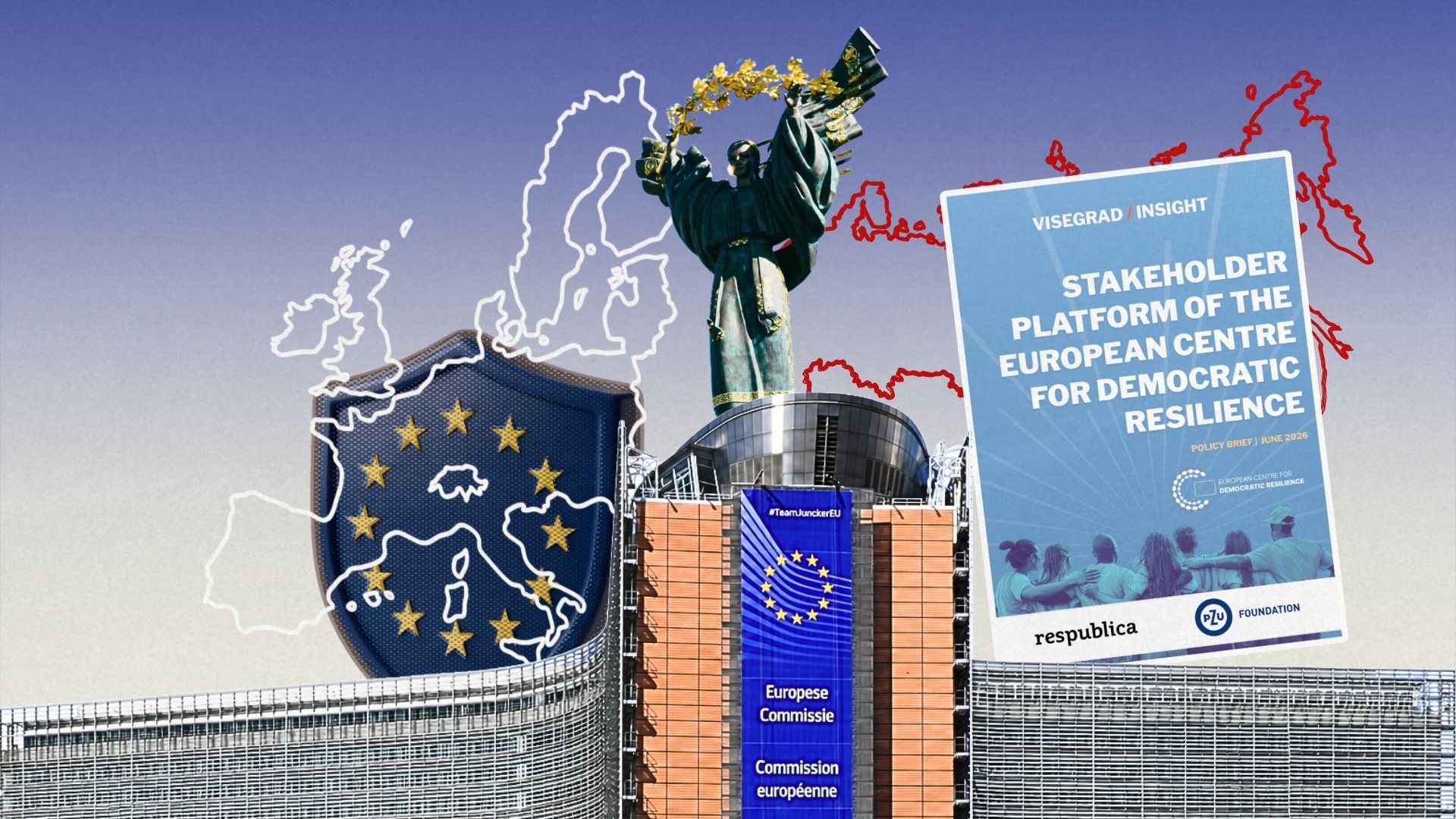
The European Democracy Shield drafted in Brussels is, so far, a seminar-room document: elections, platforms, media literacy. Arguably, it should spend as much time worrying about Facebook ads as in the produce aisle. A joint EU–Taiwan early-warning system for food-safety disinformation — sharing case files before the next contaminated shipment, not after — could do more for democratic resilience than another conference on disinformation. Kowalski is not going to read the conference report. Instead, he will internalise the social media drama. Somebody should make sure he knows the truth behind the label.
Democratic security comes at a price. What is yours?
Subscribe now for full access to expert analysis and policy debate on Central Europe.

Commentary
Democratic Security
Post-war Ukraine Holds the Key to European Defence
5 August 2026

Commentary
Democratic Security
Brexit’s Ghost Still Walks Europe – Especially in Poland and CEE
30 July 2026
Commentary
Democratic Security
Think Tank
Brussels Is Planning the Platform Ukraine Already Built
29 July 2026

Commentary
Democratic Security
Magyar’s Rule of Law Chainsaw Risks Cutting Down the Roots
24 July 2026