Events
Think Tank
Online event: Serbia After Vučić. What Game Should Central Europe Play?
5 November 2026

5 November 2026
The latest Irish proposal cuts next EU budget’s competitiveness programmes by around 13 per cent and cohesion by about three. Music to CEE ears? Central Europe may be winning the wrong fight.
‘If there is somebody winning EU Commission contracts, they are primarily living abroad, not in Romania, not in Poland, not in Slovakia’, started off Janusz Lewandowski, former EU Commissioner and member of the EU Parliament.
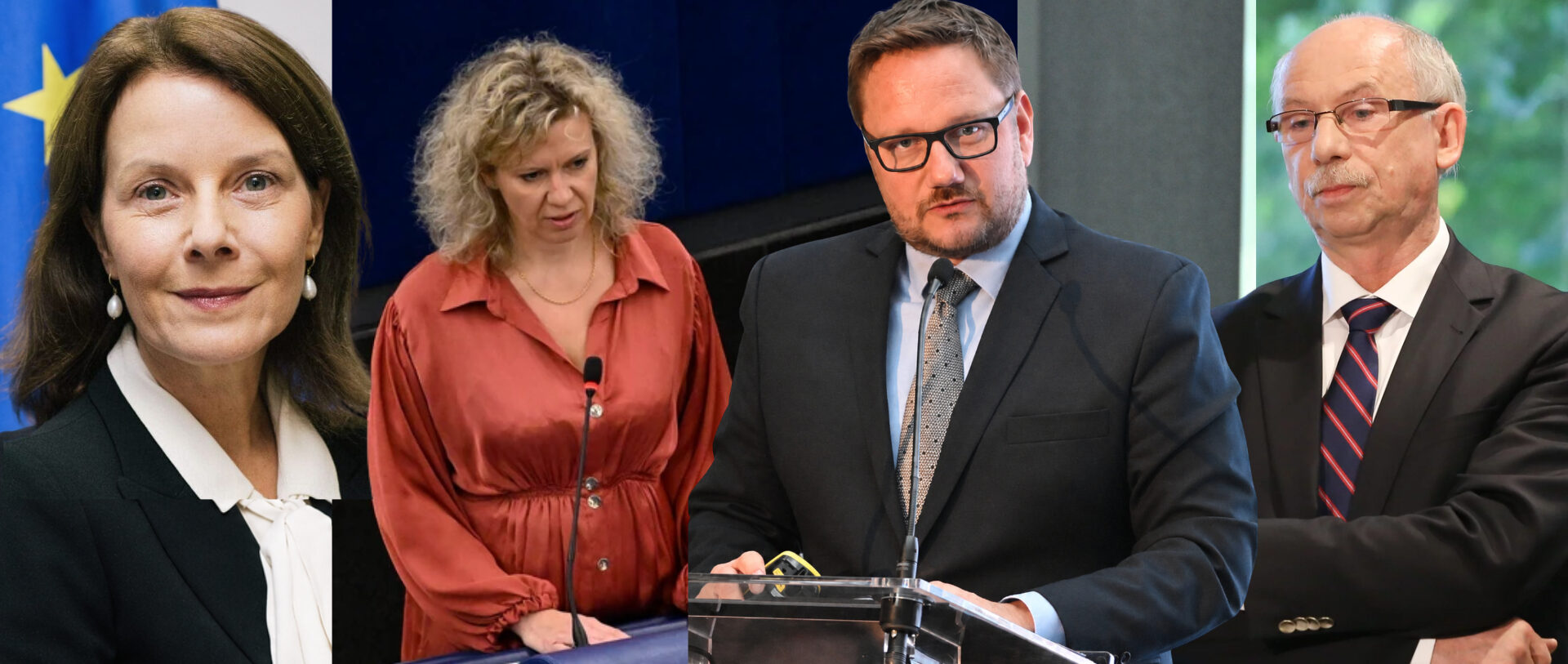
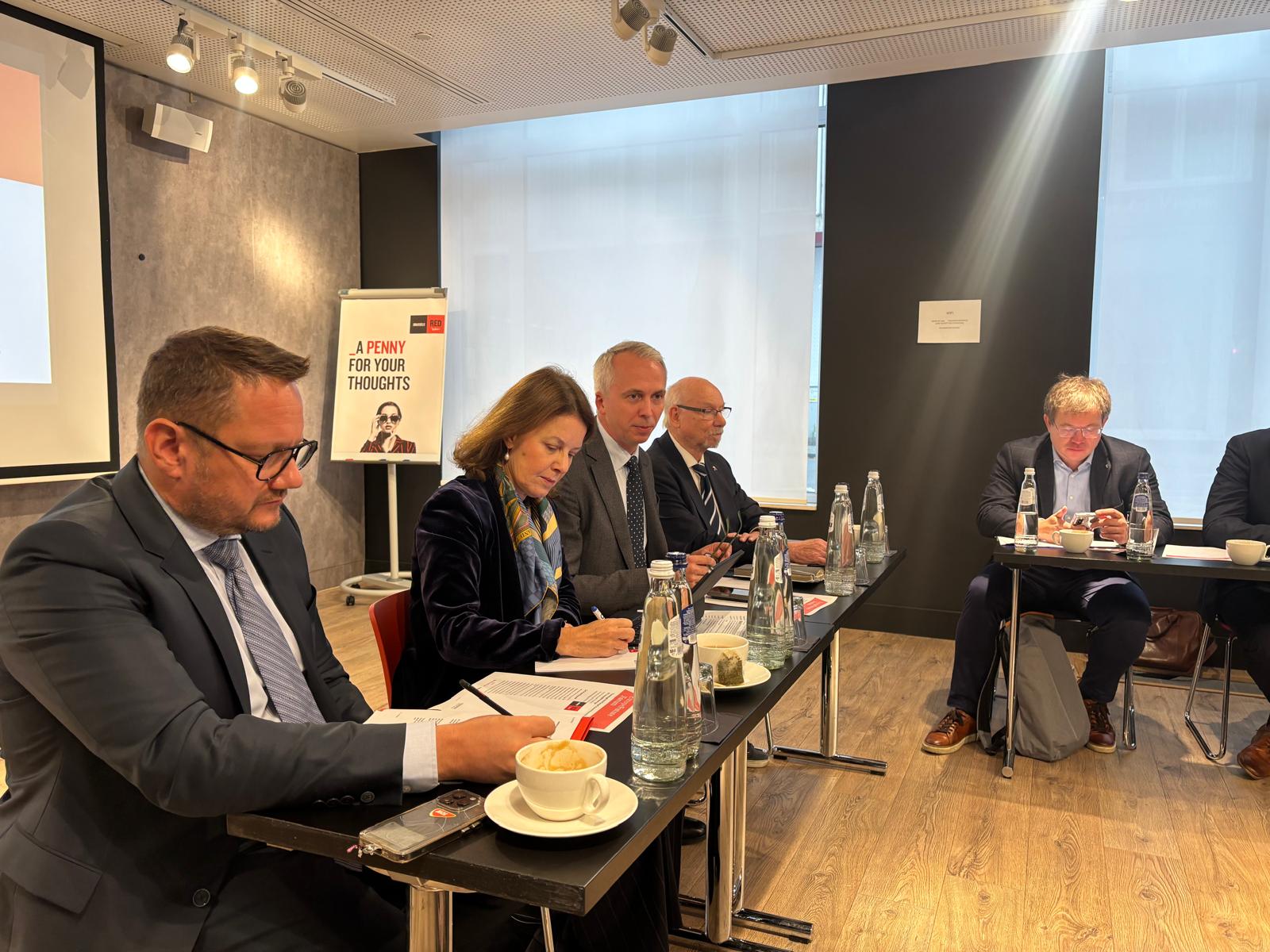
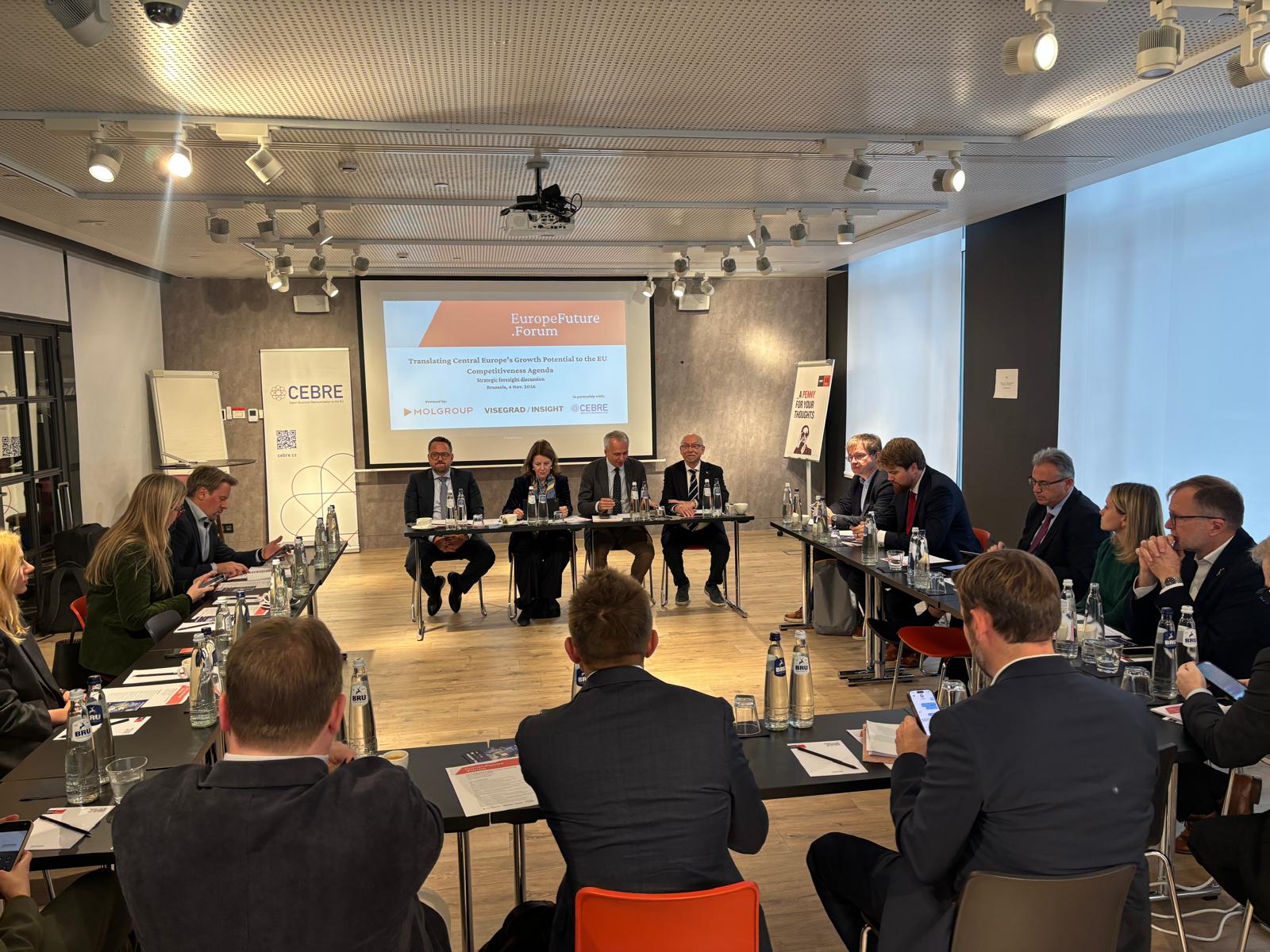
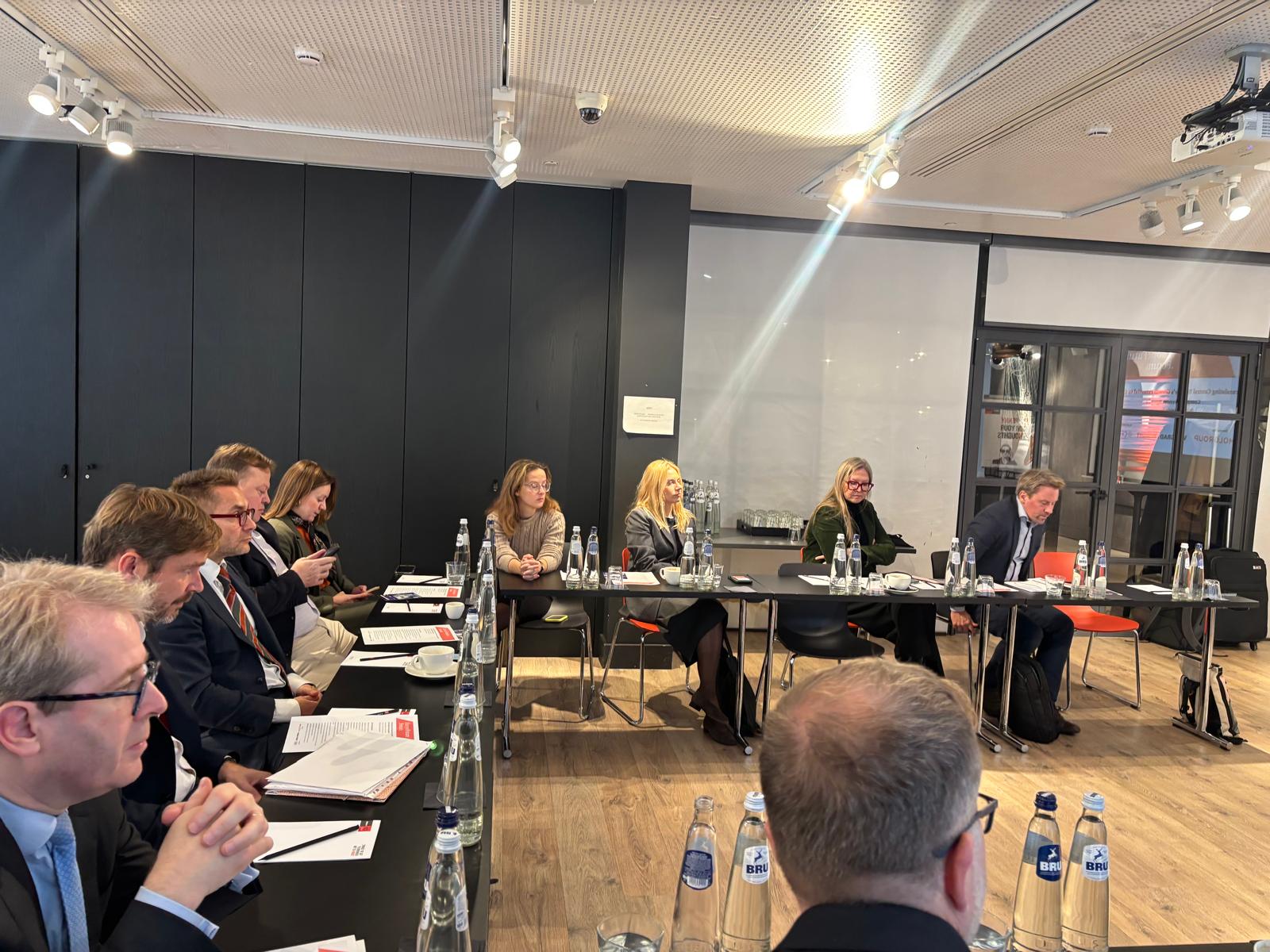
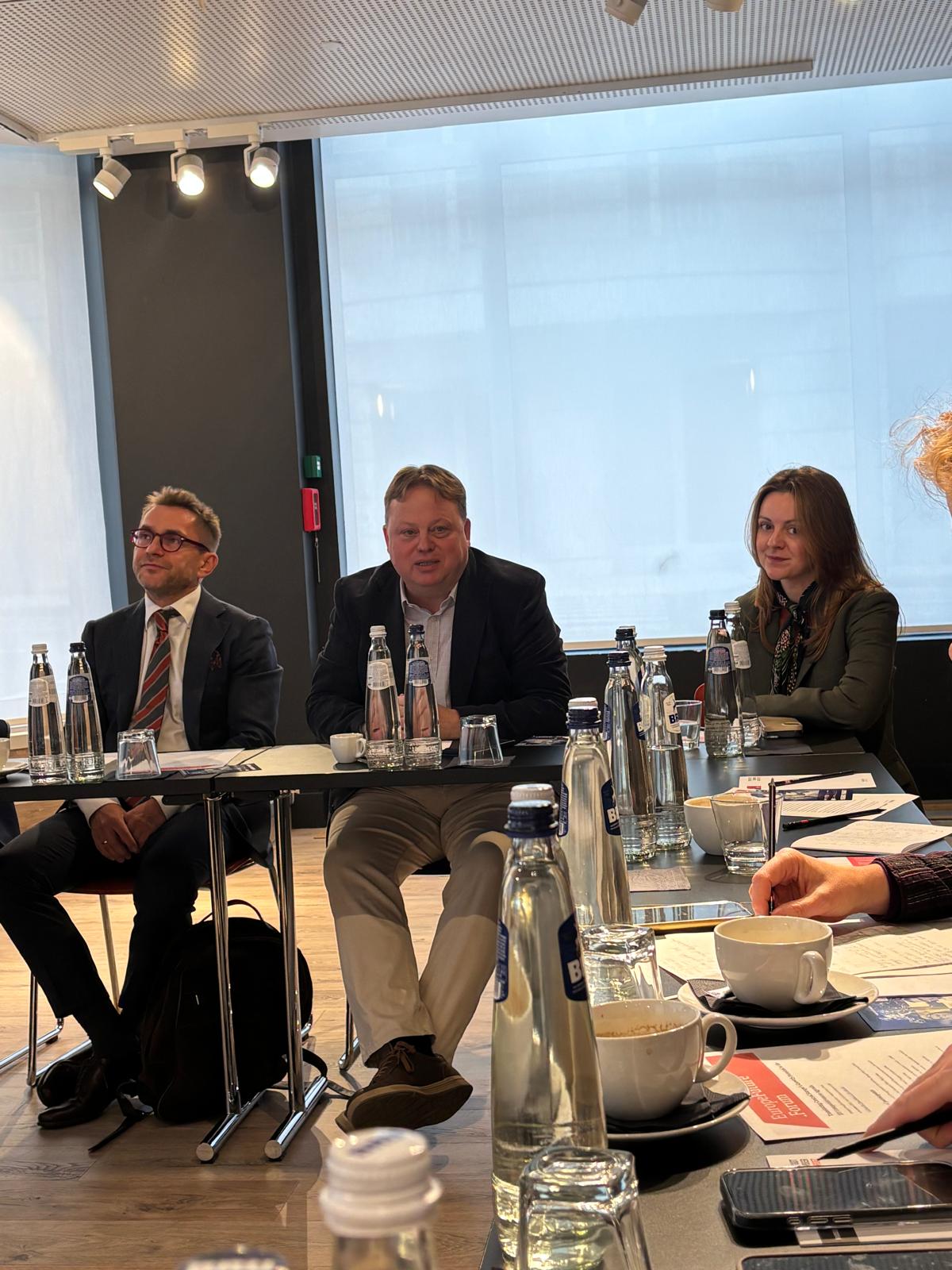
Lewandowski opened a roundtable that Visegrad Insight convened in Brussels on 4 November around one claim. Central and Eastern Europe (CEE) needs a louder voice in the EU debate on growth, because the region’s economies are growing and its industries, heavy industry included, are needed for the further growth of the whole Union. Around the table sat Members of the European Parliament Lewandowski and Kinga Kollár, Nathalie Berger of the European Commission’s Directorate-General for Internal Market, Industry, Entrepreneurship and SMEs (DG GROW), György Bacsa of MOL Group, leaders of Czech, Polish and Romanian industry and business organisations and Brussels think tank analysts.
The region is not one ‘that sits at Europe’s edge’ but ‘a region that beats right at the heart of the future of the continent’, as one participant put it. ‘We are part of the solution, not part of the problem,’ one of the industry leaders said.
When György Bacsa, Group Chief Strategic Officer of MOL Group, looks at Central Europe’s industrial belt, he sees two possible futures. One is Bilbao or Antwerp, industrial cities that reinvented themselves as hubs for finance, energy and new business. The other is Michigan, where car plants outlived their competitiveness and people moved away. The region’s manufacturing remains largely traditional, labour-intensive and energy-intensive, and if it cannot renew itself, Bacsa warned, ‘we can end up like Michigan in the United States’.
Which future the region gets will be shaped in part by the negotiations on the 2028–2034 EU budget, which negotiators aim to conclude by the end of this year.
The Irish presidency’s negotiating box, circulated on 10 October, trims the Commission’s proposal by eight per cent, or about 141 billion euros. It cuts competitiveness, prosperity and security programmes by around 13 per cent and cohesion and agriculture by about three per cent.
That reduction suits the region’s largest cohesion recipients, for whom the MFF has long been a matter of political survival. It suits their industries far less. The European Competitiveness Fund (ECF), the instrument meant to carry Europe’s industrial ambitions, sits in the budget heading for a cut more than four times as deep as that of cohesion funds. It is also designed to reward excellence, project pipelines and access to capital, all of which CEE has in shorter supply than the West.
‘We have a big challenge to transform this competitiveness from an economic policy issue into a European project owned by the society,’ one of the roundtable participants says.
CEE countries have outperformed the rest of the EU for the last two decades thanks to lower labour costs, tax competition and lighter regulation. But all these three advantages may now be fading. Employment has risen to the point where there is ‘no more buffer, no more surplus’ of workers, demographics are as weak as elsewhere in Europe and there is little public appetite for labour migration. The region also spends less on innovation than the rest of the EU and receives less support from Brussels to tackle this. Direct innovation funding, as well as other things, therefore, demands some regional balance.
‘There is a very big anti-sentiment against a big number of guest workers or guest immigration for labour purposes. I don’t think that should be the solution. The solution should be to subsidise less labour-intensive industries. To be supported, to be settled in Europe’, Bacsa says. ‘The European champion should be a European pride’.
Bacsa also calls for abolishing the EU FDI screening rules introduced during the COVID-19 pandemic, which, in his view, governments in both Western and Eastern Europe use as discretionary bargaining tools against companies from other member states, attaching unrelated demands to approvals. ‘The single market is not working like that’.
MEP and former EU Budget Commissioner Janusz Lewandowski believes that cohesion policy delivered ‘enormous, enormous progress with the help of Euro funds’ in Poland after 2004, because it offers ‘predictable money’, which infrastructure modernisation requires.
Centrally managed programmes, however, tell a different story. Apart from Erasmus, where Poland ranks sixth, Horizon Europe and the other competitiveness instruments bring the region ‘almost nothing’, and on the return from each euro contributed Poland ranks 26th in the EU, ahead only of Romania. ‘If there is somebody winning contracts, he is living abroad, not in Romania, not in Poland, not in Slovakia,’ Lewandowski says.
‘If I want to scale up, if I want to grow, I escape to America’. The Polish MEP does not dispute that excellence should be the main criterion, since Europe competes globally, but wants the 2028–2034 Competitiveness Fund balanced geographically, with more privileges for SMEs and start-ups. This is necessary, in his view, because of fragmented capital markets in which ‘billions of euros are sleeping on bank accounts’ instead of funding innovation.
One could still argue, however, that the ECF merges 14 fragmented programmes into a single rulebook covering the path from research to industrial deployment, and its largest window, for industry, defence, security and space, matches CEE’s industrial profile. An 11-billion-euro horizontal envelope for the ECF InvestEU instrument, an advisory hub and SME-specific support are meant to make regional projects bankable. Measured against national GDP, Romania, Estonia, Latvia, Bulgaria and Lithuania follow only Portugal among the largest users of InvestEU.
‘The ECF has an issue there because it’s only an excellent space. Then we have a structural deficit’.
Cohesion money alone may not sustain convergence, because Eastern Europe needs competitiveness funding as well. ‘If you look at Romania, for instance, we have high budget deficits, the high borrowing costs that induce capital cost growth,’ another participant points out, adding that there is little fiscal room to support project development. Those constraints weigh heavily on an instrument that is, by design, demand-driven and free of geographical earmarking.
For industries and businesses, the energy bill comes before the budget. Energy ‘is basically at the foundation of any growth we have in Europe or elsewhere’, as the moderator noted. Bacsa cites estimates that the extra global energy bill since the Hormuz crisis already equalled Belgium’s annual output by the end of September and would match Poland’s by the end of the year. That spending buys no growth, he argues, only the ability to keep ‘running the business, running the society as it is now’. Counting non-fossil sources, Europe imports between 55 and 65 per cent of its energy by his figures, so the exposure is structural.
Bacsa is equally direct on climate policy. ‘The increasing carbon costs without protecting European industry is a dead end,’ he says, calling for the Carbon Border Adjustment Mechanism and the phasing-out of free allowances under the ETS to overlap rather than be switched on and off. He counts around 100 chemical and 35 oil- and gas-based assets closed in Europe, most of them relocated outside its borders, with their output now imported back.
EU rules also split the map. ‘Half of the EU has an exemption in energy. And if you see the map, it would be the left side, meaning the western part,’ an energy sector representative says of EU public procurement rules. ‘It is a discussion about technological neutrality. It is a discussion about trajectories. It is a discussion about flexibilities,’ another participant argues.
On regulation, the Commission counts 12 omnibus packages and other simplification measures proposed in a year and a half, with estimated net savings of 22 billion euros. ‘Omnibuses are a great way forward. But why do we have omnibuses? Because we overregulated before,’ one of the business leaders says, pointing to the digital rulebook from the Digital Services Act to the AI Act. The automotive sector alone is covered by around 180 regulations and directives, with about 100 more due in the next five years, while the automotive omnibus addresses only about six of them. ‘If we do not adapt ourselves, then long term there will be no money for the budget anymore,’ an automotive industry leader warns.
At the same time, some argue that the Commission’s impact assessments neither draw on data from business nor reflect differences in industrial structure between member states, although Czechia is among the most industrialised economies in Europe. Electric cars, which make up more than 30 per cent of new sales in some member states and single digits in parts of CEE, show how unevenly the same legislation lands. ‘Observing businesses coming from the Czech Republic to Brussels, they’re lost. They need to put the money into the growth of their business and not into compliance,’ one business representative says.
‘We are having a delivery gap between what we have diagnosed and what we then actually achieve,’ another participant concludes.
The region’s negotiators have until the end of the year to decide what kind of deal they want. Protecting cohesion is defensible, since it remains the most predictable investment money CEE receives. A deal that preserves national envelopes while cutting the ECF and leaving its design untouched would, however, buy another decade of little influence over the industries meant to replace today’s energy-intensive manufacturing.
The more useful requests should be specific. They should include advisory capacity and national promotional banks strong enough to make regional projects bankable, SME and defence windows open to frontline economies, technology neutrality in the IAA and the ECF, and relief on energy and carbon costs before the next wave of industrial legislation. Whether Central Europe ends up closer to Bilbao or to Michigan will depend on whether it wins a fair share of the money Europe spends on growth.
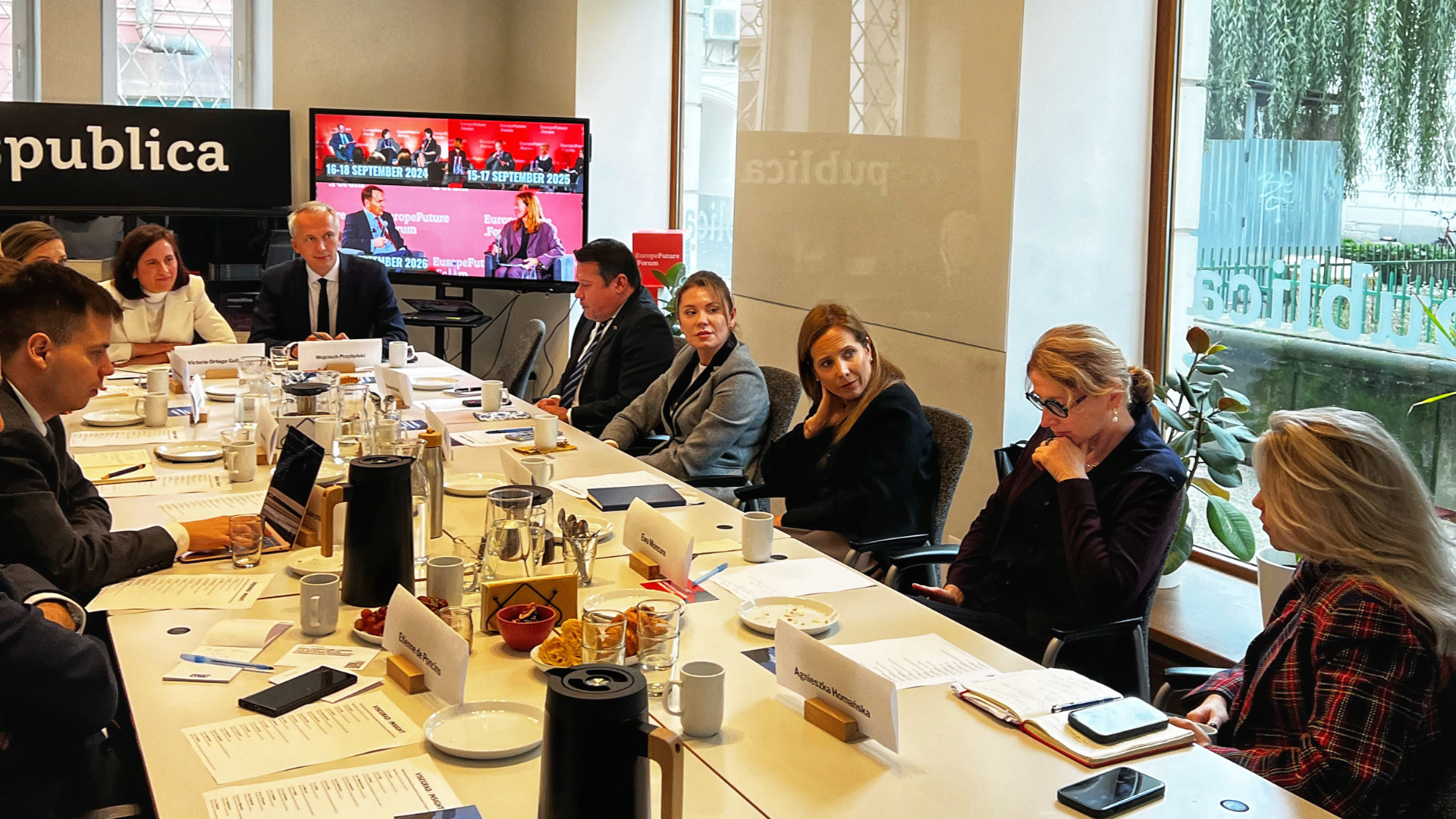
The roundtable ‘Europe’s Competitiveness Agenda through the Lens of Central Europe’ took place in Brussels on 4 November 2026 as a strategic foresight discussion within the EuropeFuture.Forum. It was organised by the Res Publica Foundation in partnership with MOL Group. The roundtable brought together MEPs, European Commission officials, think tank analysts and business representatives from Central Europe.
Nathalie Berger, deputy director-general for Investment and Innovation, Directorate-General for Internal Market, Industry, Entrepreneurship and SMEs (DG GROW), European Commission.
György Bacsa, chief strategic officer, MOL Group
Kinga Kollár, MEP
Petr Očko, director general, Confederation of Industry of the Czech Republic
Fabian Zuleeg, chief executive, European Policy Centre
Zdeněk Petzl, executive director of the Czech Automotive Industry (AutoSAP)
Wojciech Przybylski, editor-in-chief, Visegrad Insight, and President, Res Publica Foundation (moderator)
Democratic security comes at a price. What is yours?
Subscribe now for full access to expert analysis and policy debate on Central Europe.
Events
Think Tank
Online event: Serbia After Vučić. What Game Should Central Europe Play?
5 November 2026
Commentary
Democratic Security
Expensive But Effective? The True Cost of Drone Interception in the Black Sea – INTERVIEW
4 November 2026
Analysis
Democratic Security
How Poland’s Judges Have Closed Nawrocki’s Road to Snap Elections
2 November 2026
Democratic Security
Events
Spain Needs Poland for European Unity
2 November 2026