Economic Security
Think Tank
How Poland Wants to Turn a Failing Train Maker into a Geoeconomic Asset
30 September 2026

2 October 2026
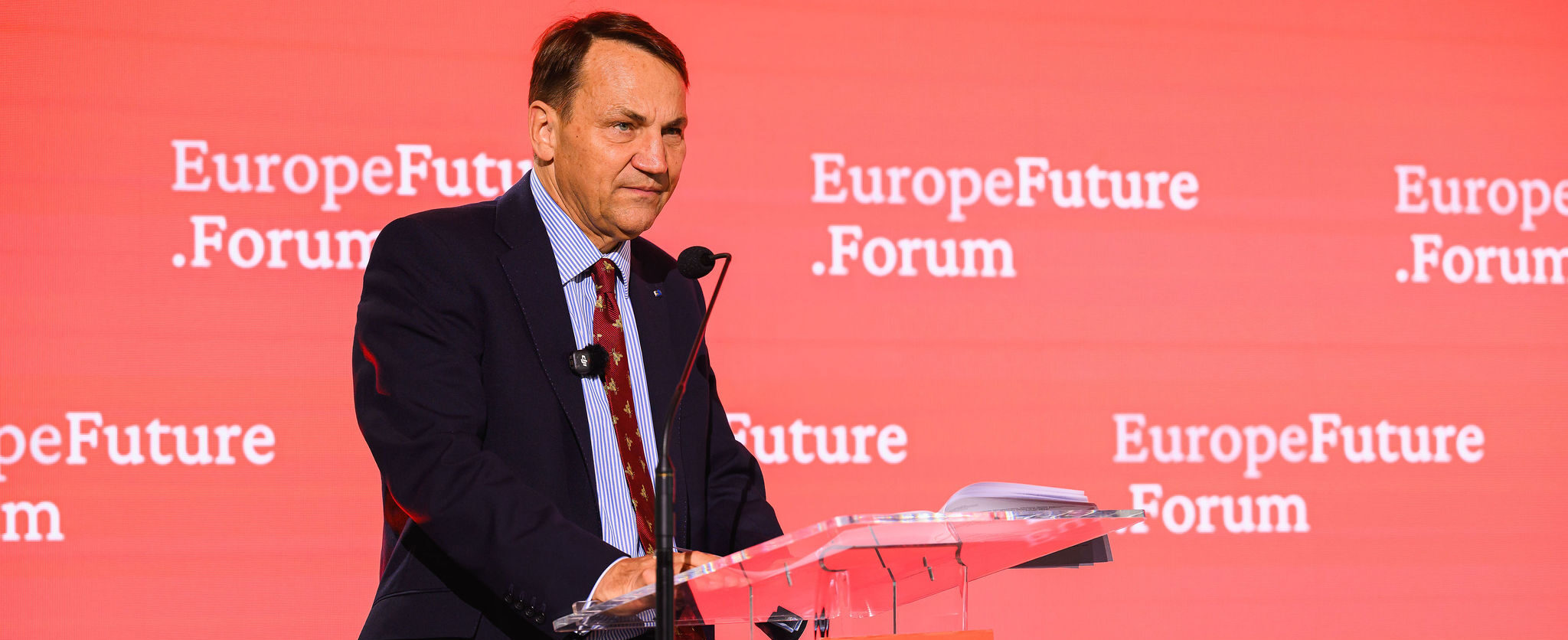
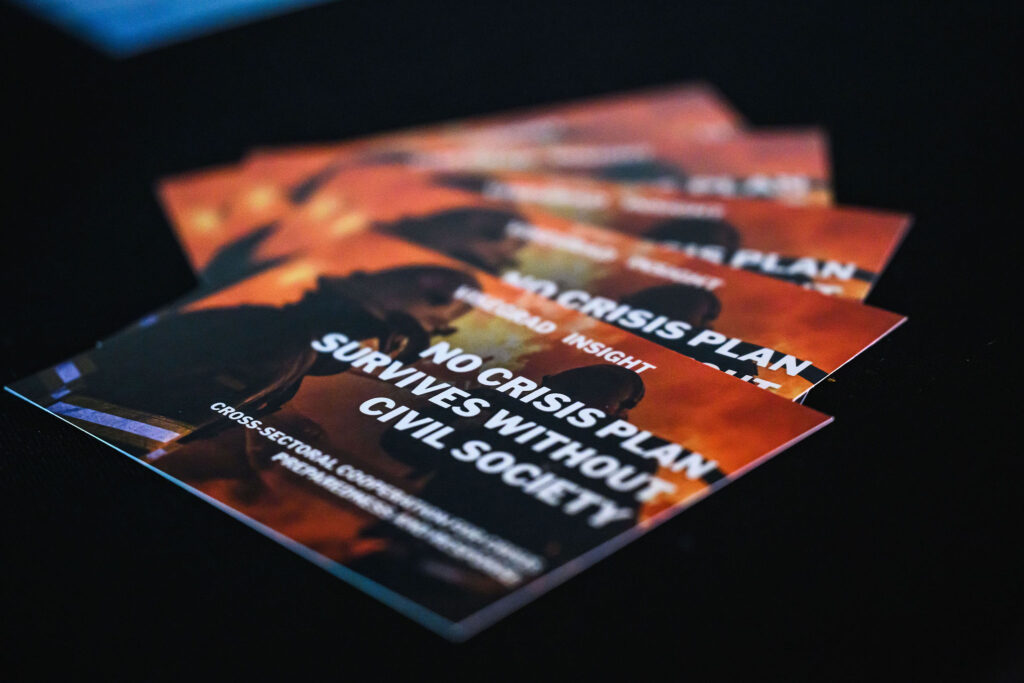
Visegrad Insight and Res Publica Foundation brought together 197 policymakers, experts, business leaders and representatives of European institutions from 30 countries in Warsaw. Revisit the highlights.
Building on the Forum’s focus on economic security in 2025, this year’s programme turned to the practical choices facing Europe as geopolitical competition intensifies, the European security architecture evolves and the Union prepares for further enlargement.
Against a backdrop of shifting alliances, persistent security challenges and growing competition for technological, financial and energy resources, the Forum examined how Europe can translate resilience into capacity and strategic ambition into concrete cooperation. The Forum paid particular attention to the role of Central and Eastern Europe (CEE), not only as a region exposed to Europe’s changing security environment but also as a source of expertise, investment, infrastructure and initiatives shaping the continent’s future.
The core programme featured high-level main stage discussions on Europe’s strategic choices, security architecture, financial capacity, energy security and the economic opportunities of enlargement. These were complemented by exclusive closed-door foresight sessions that explored emerging risks and opportunities in greater depth. Side events and networking gatherings provided additional space for exchange across government, business, finance, academia and civil society.
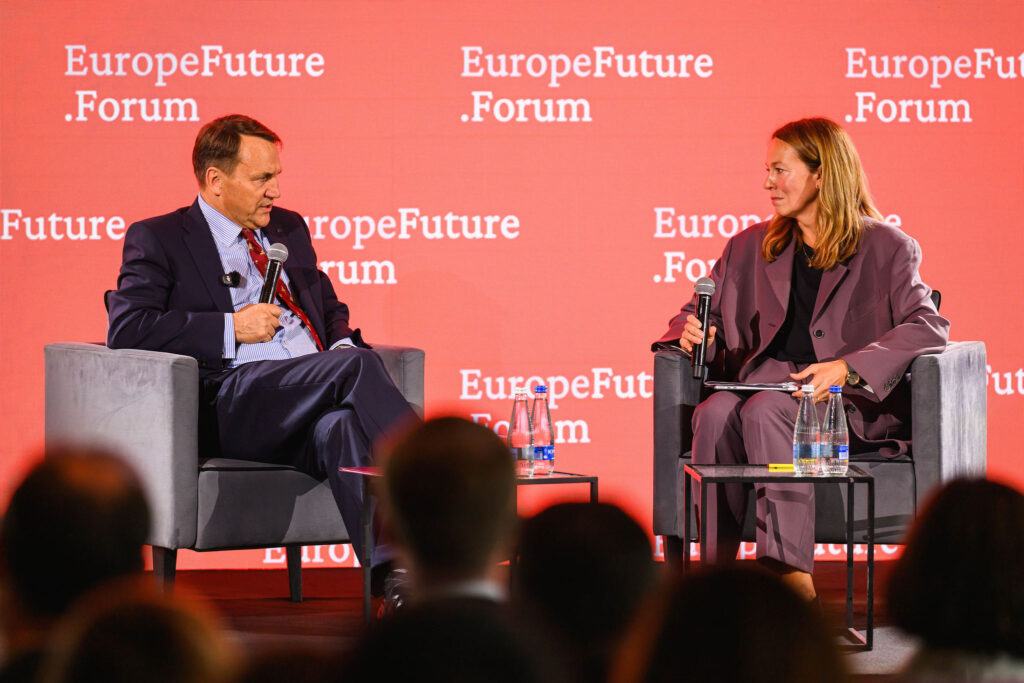
During this year’s Forum, we were delighted to hear Radosław Sikorski, deputy prime minister, minister of foreign affairs of Poland, deliver his keynote address entitled ‘Poland, Europe. The Next Defining Moments’, followed by a Q&A, moderated by Magdalena Góra, associate professor, chair of the Board of the Institute of European Studies, Jagiellonian University in Kraków.
Across the programme, the 2026 Forum focused on one central question, namely how Europe can build the capacity to act together. From strengthening European security and financing defence and Ukraine’s recovery to deepening energy and technological cooperation and preparing for enlargement, the discussions explored the choices that will shape Europe’s resilience, competitiveness and strategic position in the years ahead.

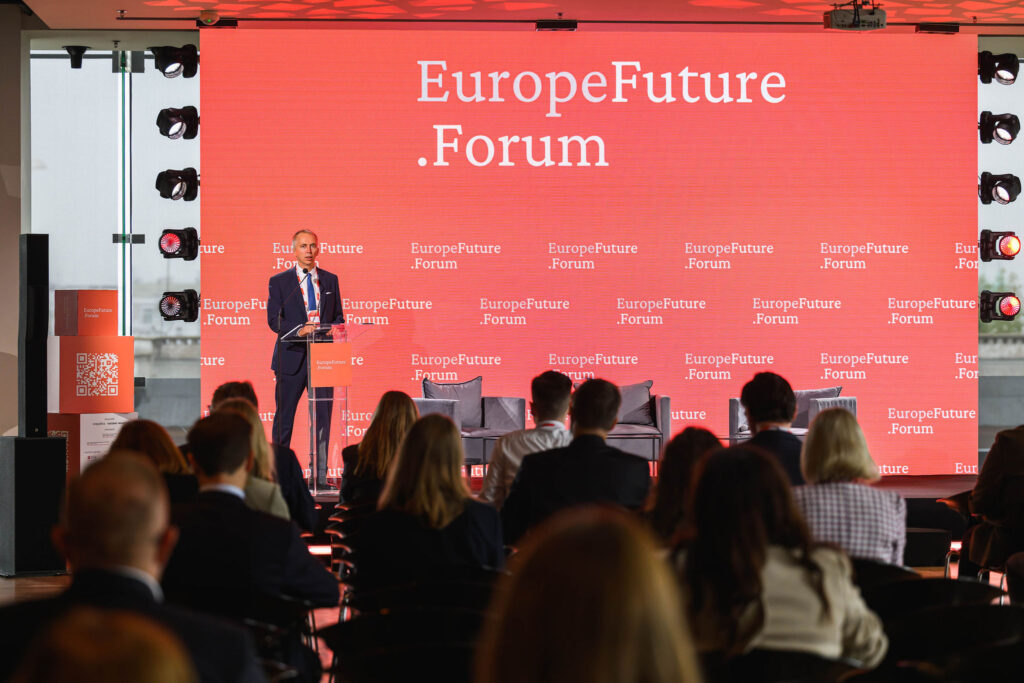
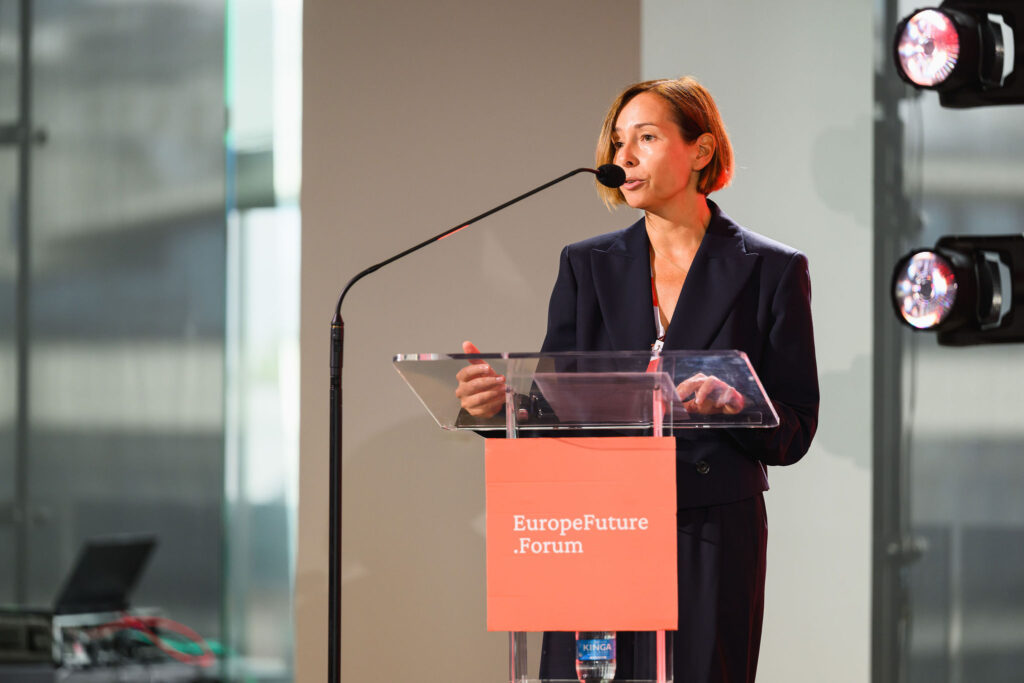
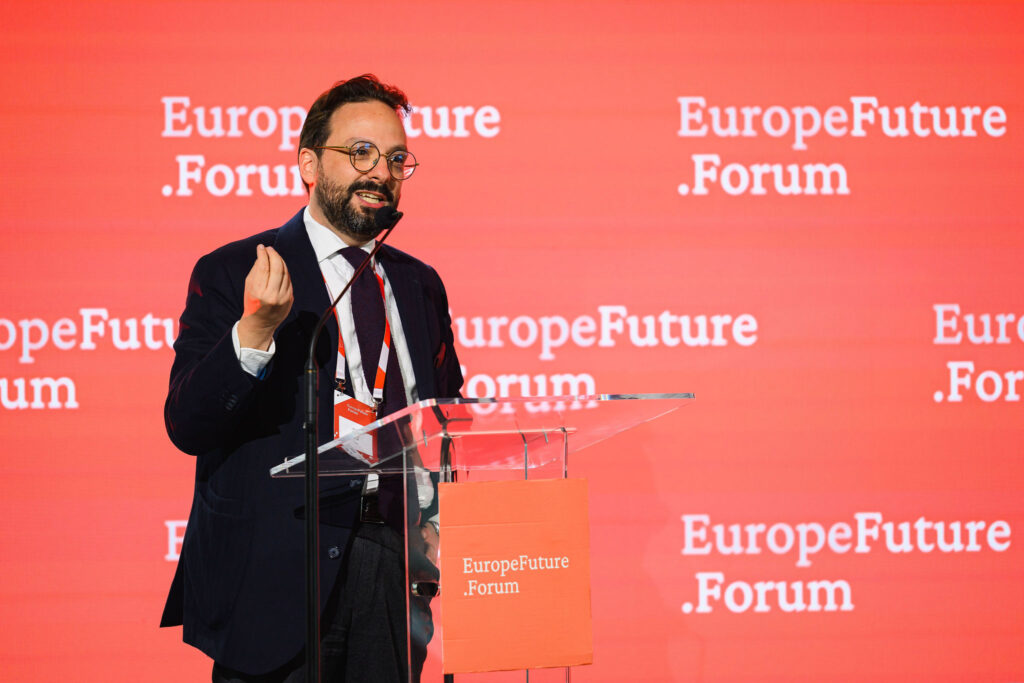
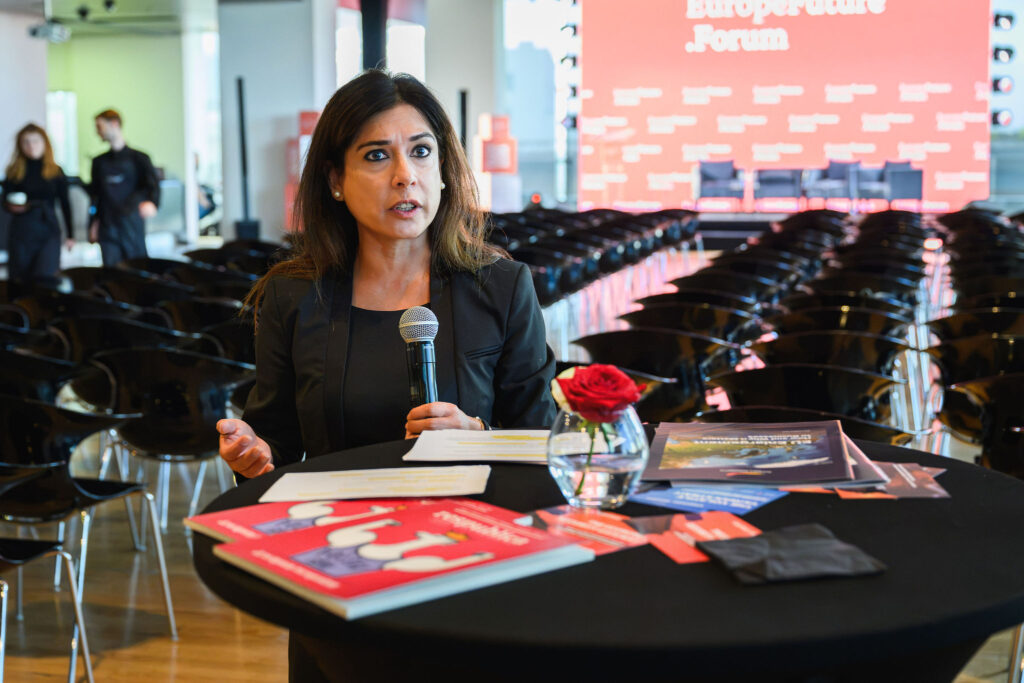
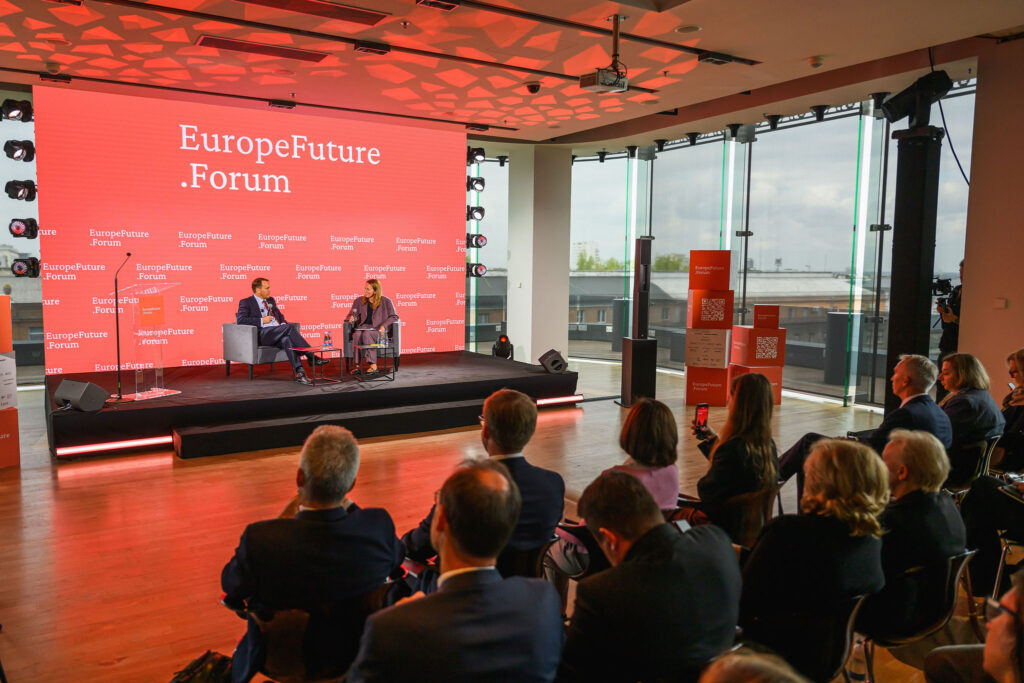
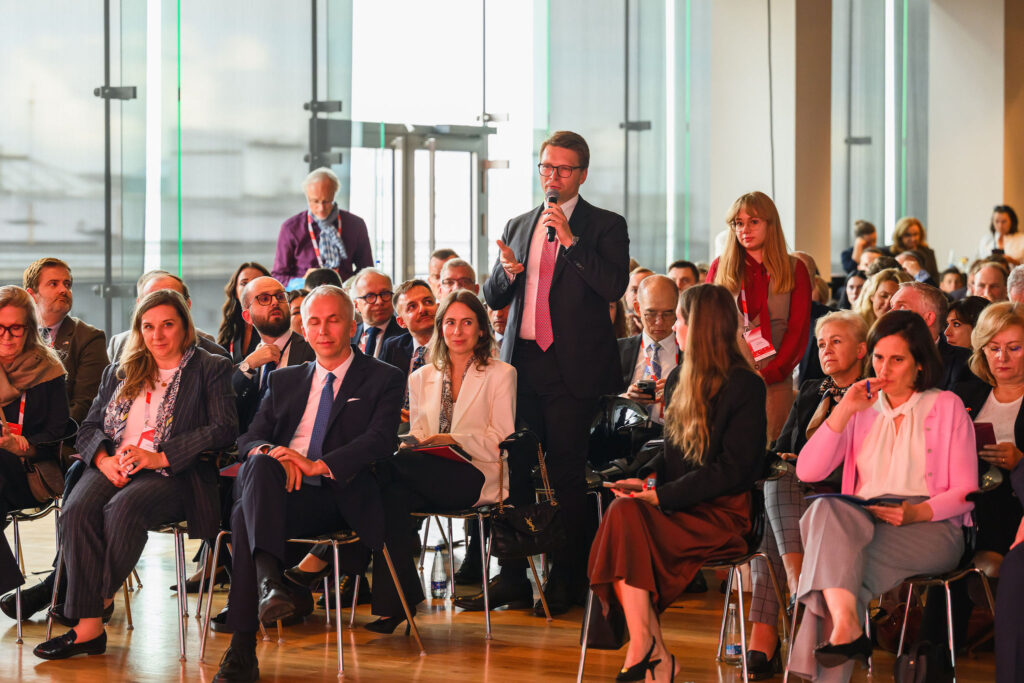
The Forum’s opening remarks were delivered by Wojciech Przybylski, president, Res Publica Foundation, and followed by the discussion ‘Europe Must Choose Its Rivals’.
Main stage keynote addresses included Monika Sus, professor, Polish Academy of Sciences and European University Institute, on ‘Poland’s Vision of Europe’s Future’ in the morning, as well as ‘The Case for a Single Europe’, delivered by Jakub Fast, CEO, Revolut Bank EU, in the afternoon.
Closing remarks, in the form of the presentation ‘How and Why EU Enlargement Matters to Businesses’, were delivered by Asees Ahuja, director, EU policy, Confederation of Swedish Enterprise.
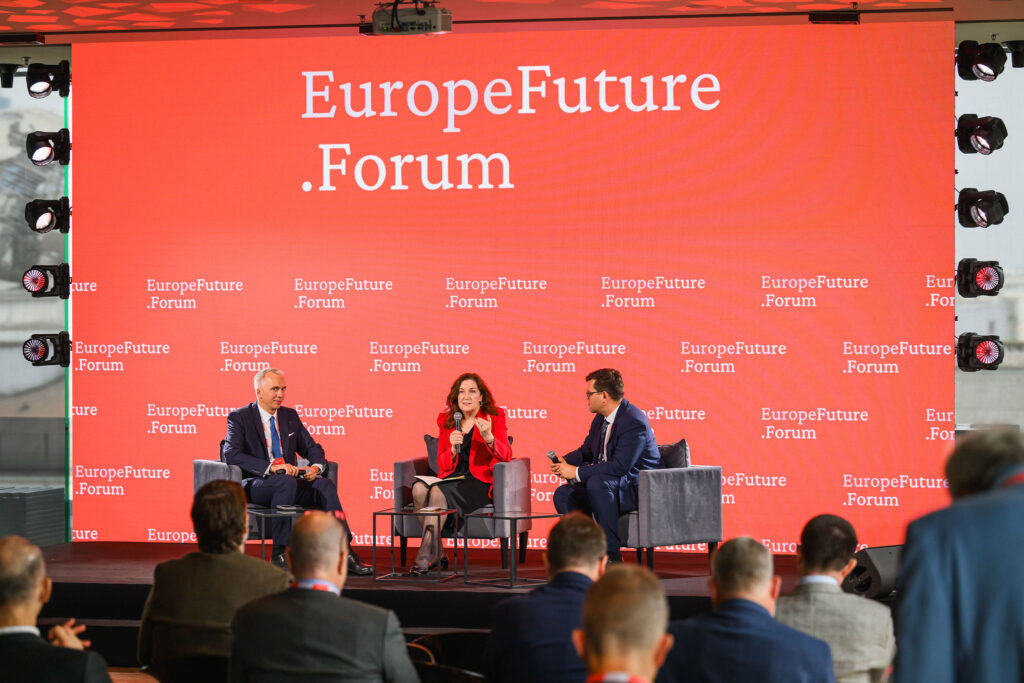
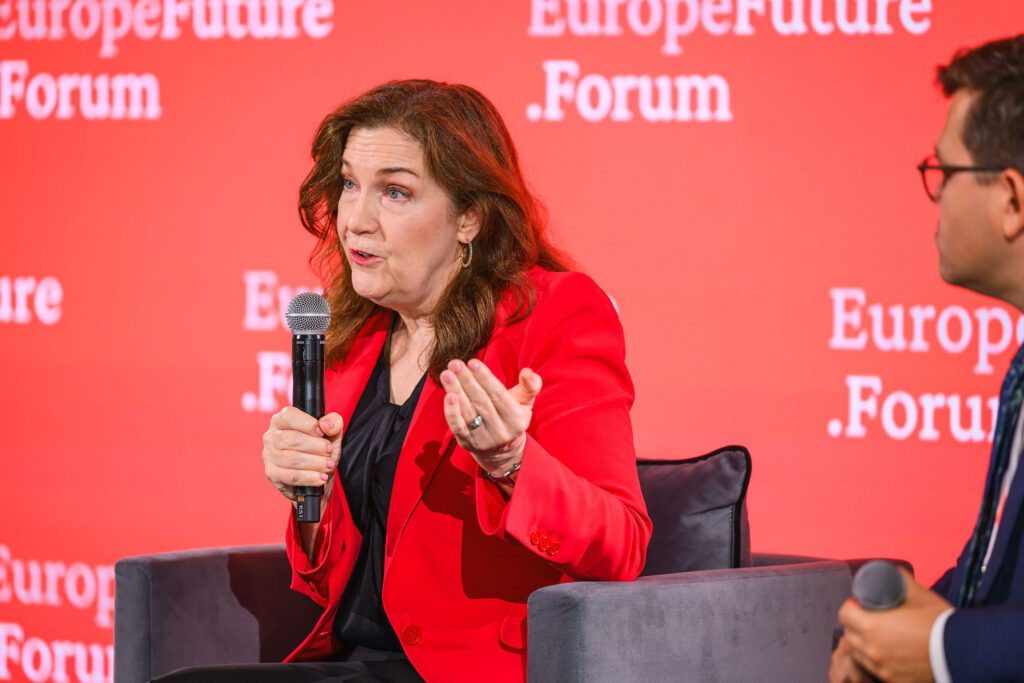
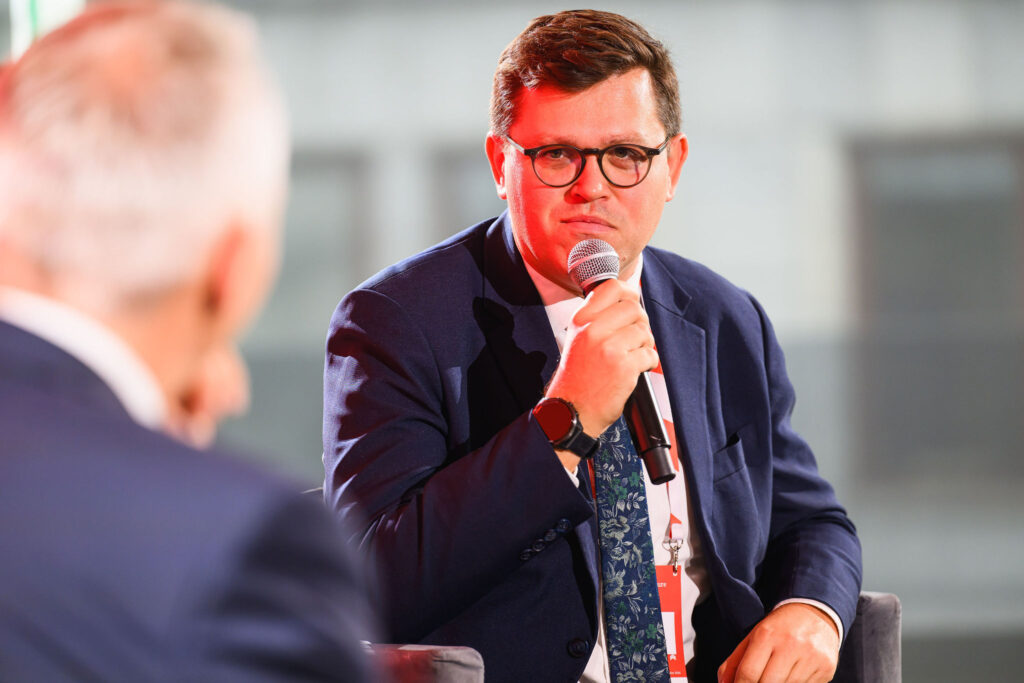
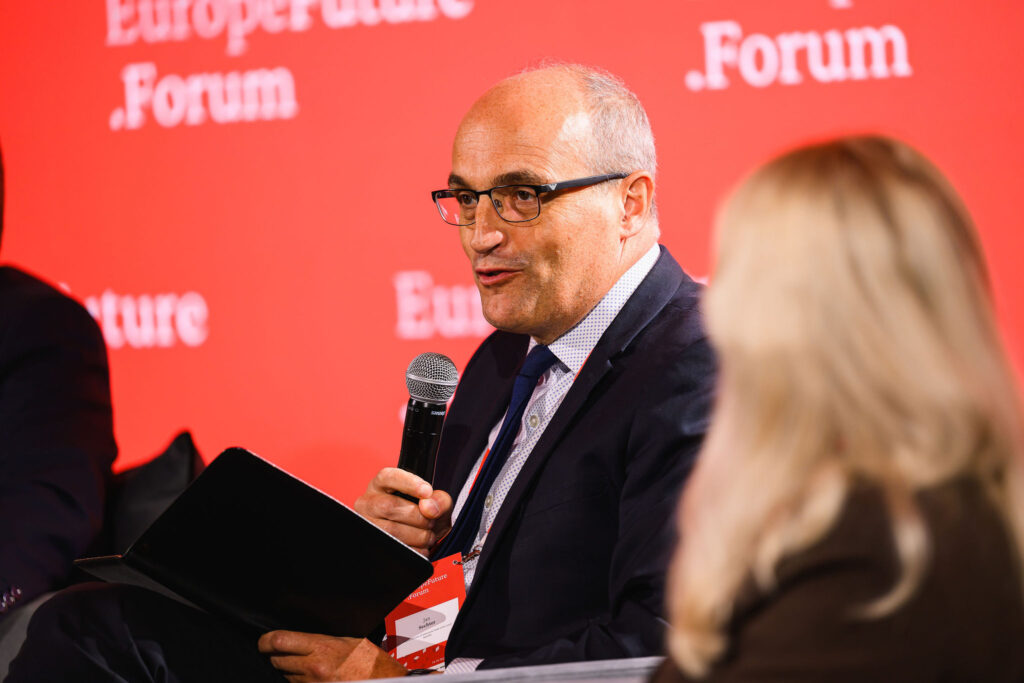
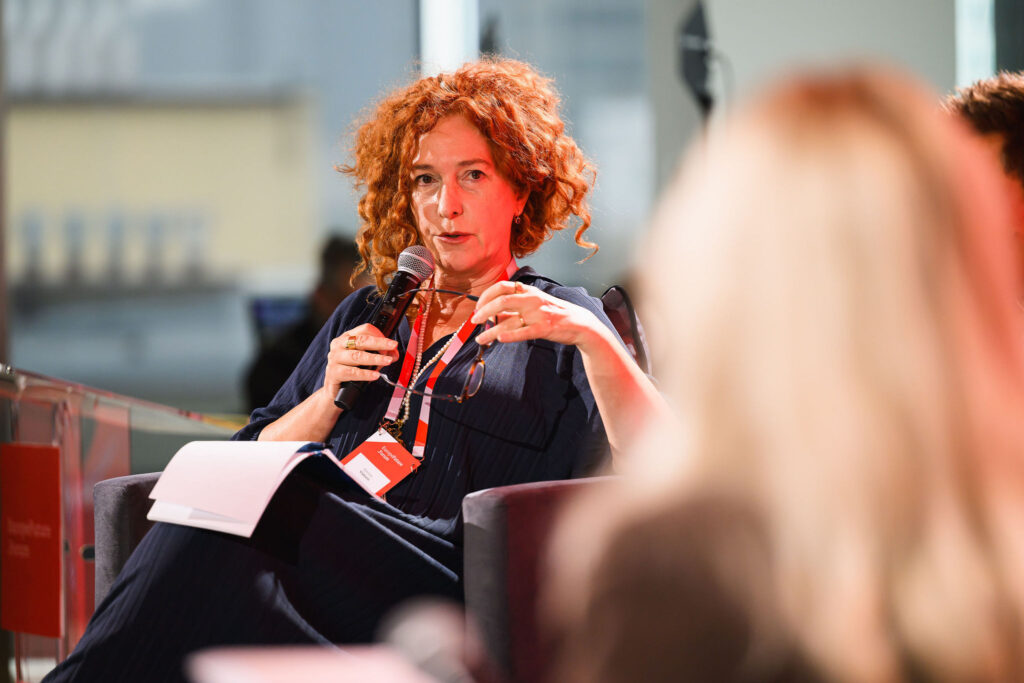
As Europe reassesses its position in a rapidly changing international order, strategic competition is no longer confined to traditional security. Trade, technology, connectivity and economic interdependence are increasingly shaped by geopolitical choices. Theresa Fallon, founder and director, Centre for Russia Europe Asia Studies, and Matej Šimalčík, executive director, Central European Institute of Asian Studies, in a discussion moderated by Przybylski, examined how Europe should navigate a world of competing powers and interests. The discussion considered where Europe needs greater strategic clarity, where partnerships remain essential and how the EU can protect its interests while remaining engaged in an increasingly contested global economy.
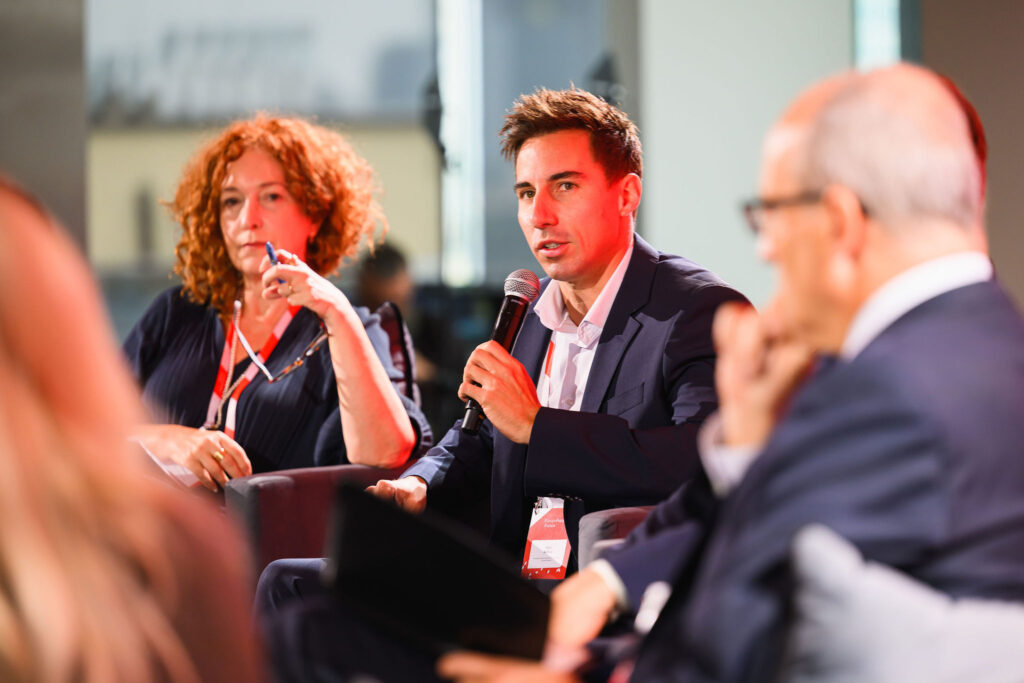

What would it take to build a Europe that is simultaneously secure, economically dynamic and capable of shaping its own future?
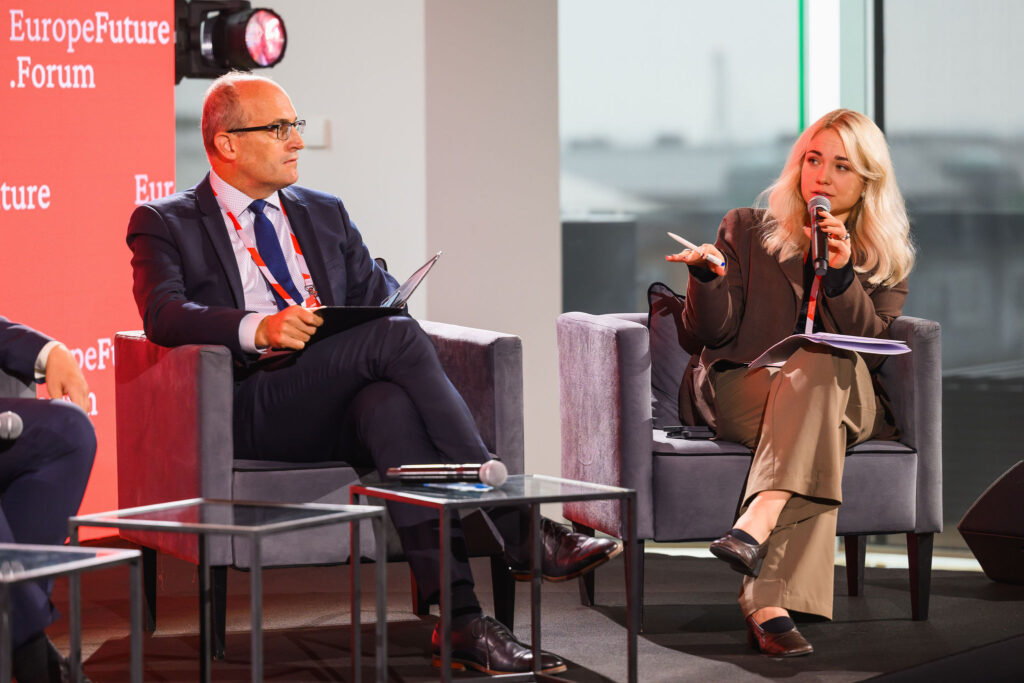
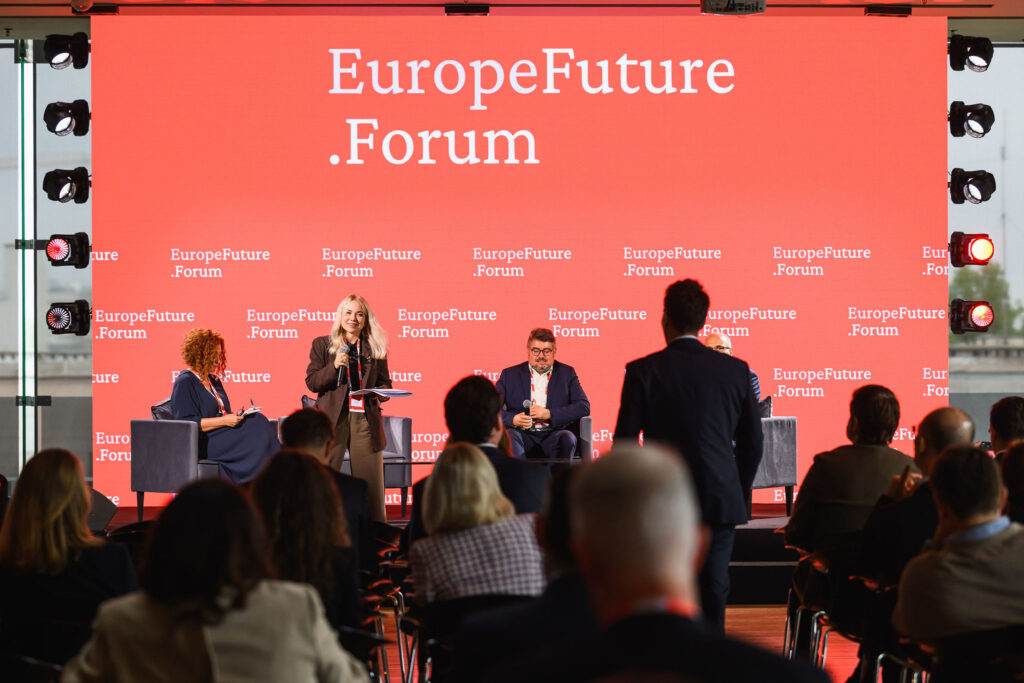
In the discussion ‘I Have a Dream – Europe Free, Secure and Prosperous’, Márk Radnai, government commissioner for a functional and humane Hungary, Jan Sechter, deputy minister of industry and trade, Czechia, Tomáš Strážay, director of the research center, Slovak Foreign Policy Association, and Romana Vlahutin, special envoy for strategic connectivity and the Three Seas Initiative, Croatia, discussed the practical choices facing Europe. Agnieszka Homańska, head of the Minister’s Political Cabinet, Ministry of Foreign Affairs of Poland, moderated.
The conversation focused on strengthening defence and strategic connectivity, sustaining economic growth and deepening cooperation among EU member states and partners, with particular attention to the role Central Europe can play in building a stronger European architecture.
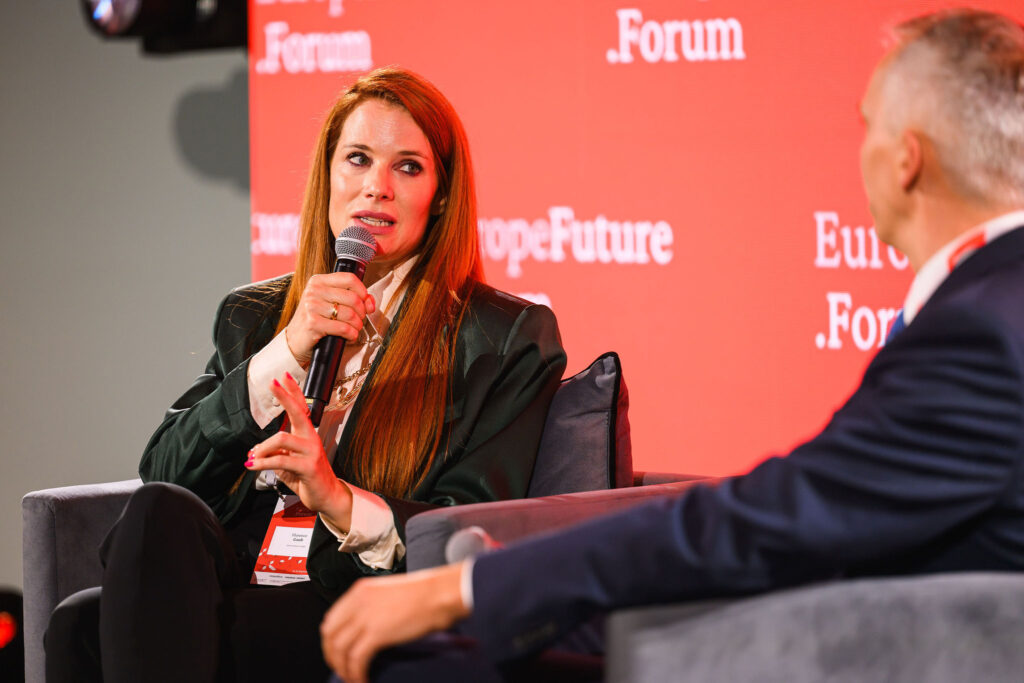
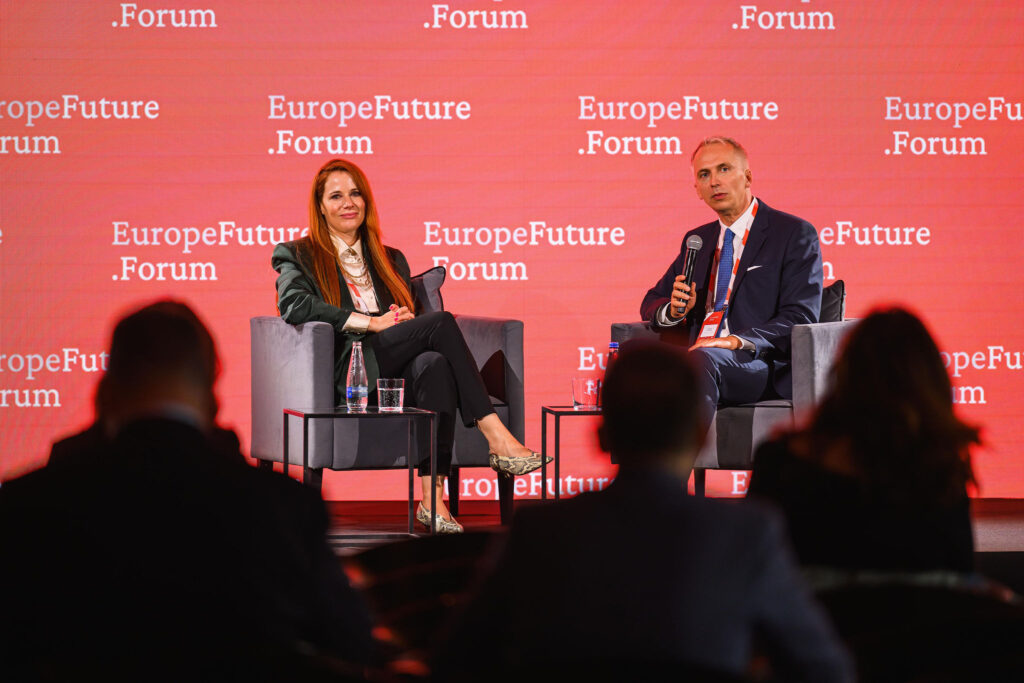
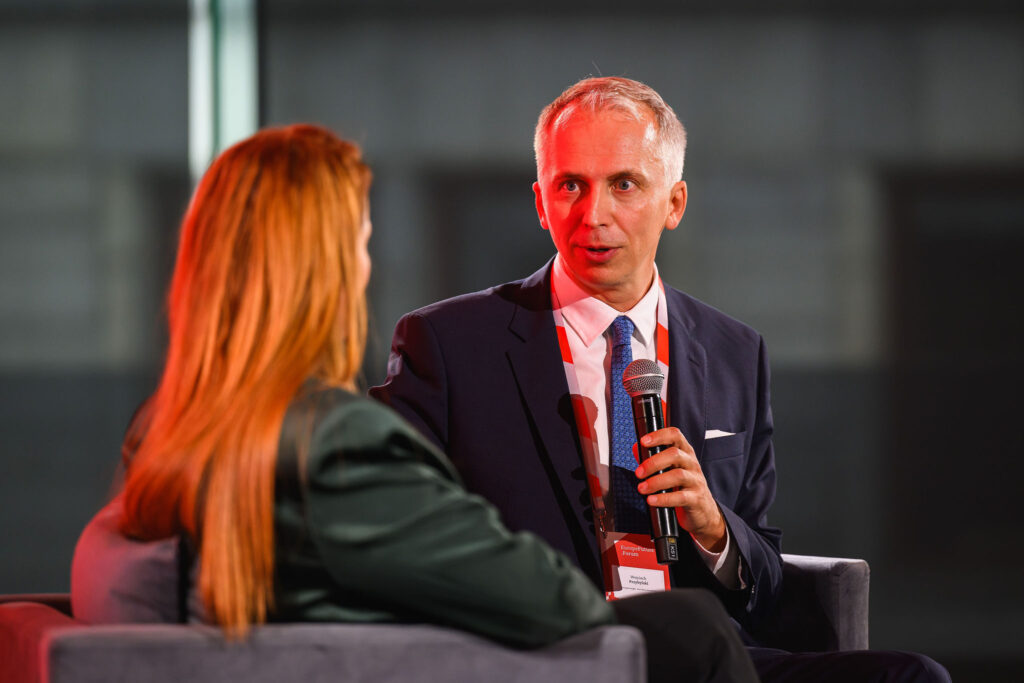
Europe is entering a period in which the boundaries between defence, economic security and resilience are increasingly difficult to separate. In the fireside chat ‘Foresight Into European Security Architecture’, Florence Gaub, director of the Research Division, NATO Defense College, in conversation with Przybylski, examined the evolving European security environment and the changing roles of NATO and the EU. The discussion looked beyond immediate threats to consider what capabilities, forms of cooperation and strategic choices Europe needs to strengthen its ability to deter, respond and adapt.
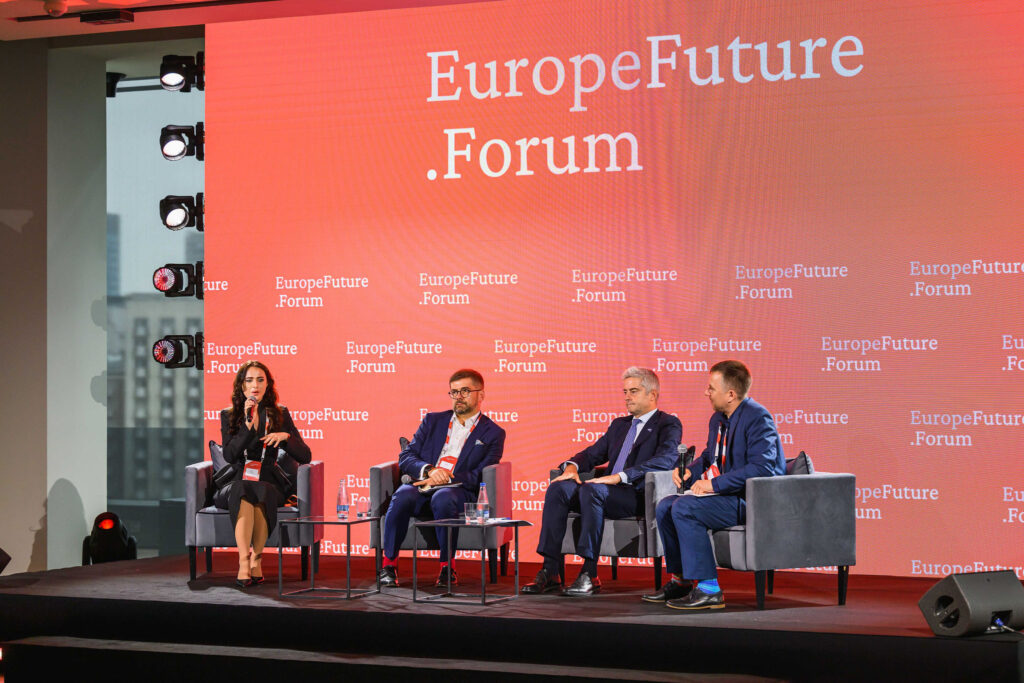
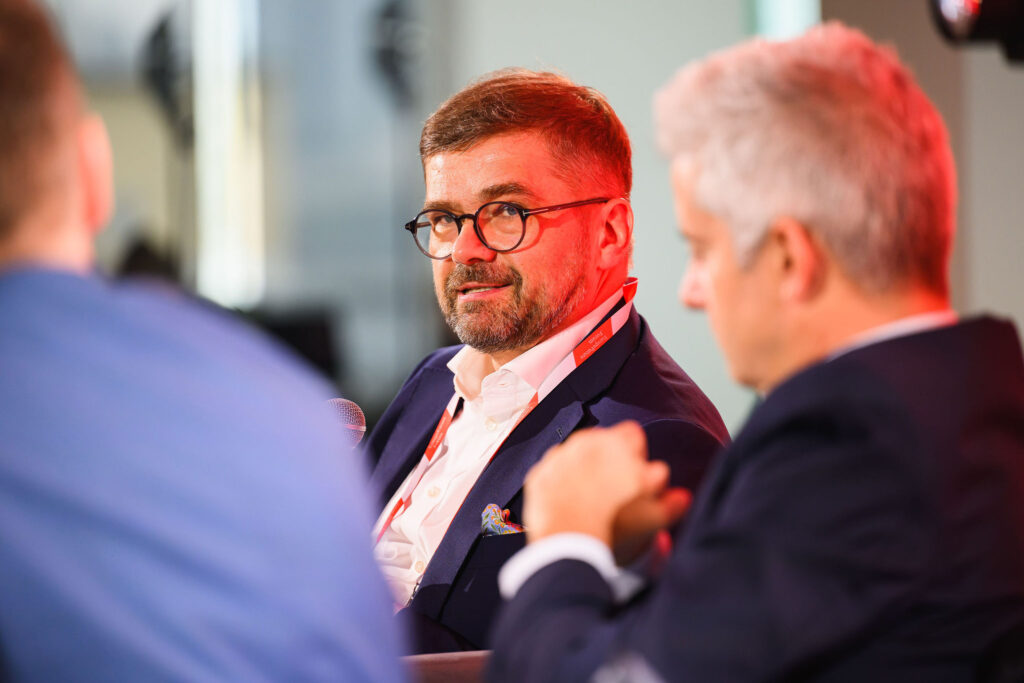


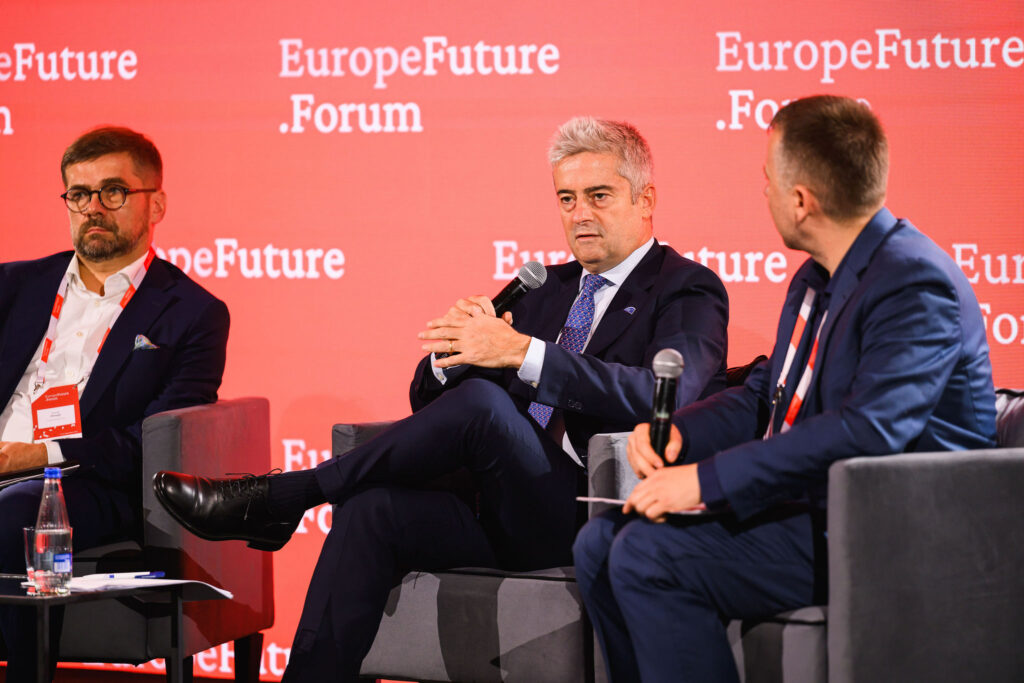
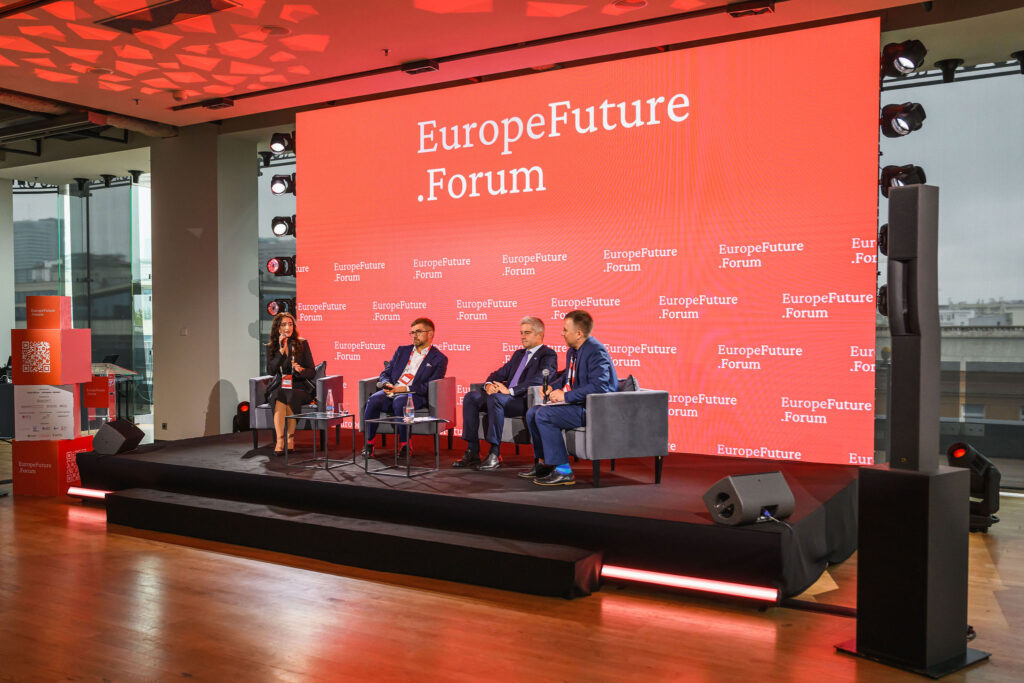
Europe’s new security environment requires new approaches to finance.
In the discussion ‘New Financial Perspectives – Investing in Defence, Ukraine and Growth’, Paweł Chorąży, managing director of the European Funds Division, Polish Development Bank, Anna Liubyma, member of the board, Ukrainian Chamber of Commerce and Industry, and Matteo Rivellini, head of Ukraine Investment Team, European Investment Bank, examined how development banks, European financial institutions and the private sector can mobilise capital for defence, Ukraine’s reconstruction and strategic infrastructure while supporting long-term growth. Tomasz Kasprowicz, editor-in-chief, Res Publica Nowa, moderated.
The discussion considered what financial instruments and risk-sharing mechanisms are needed and how CEE can turn new investment demands into lasting economic opportunities.
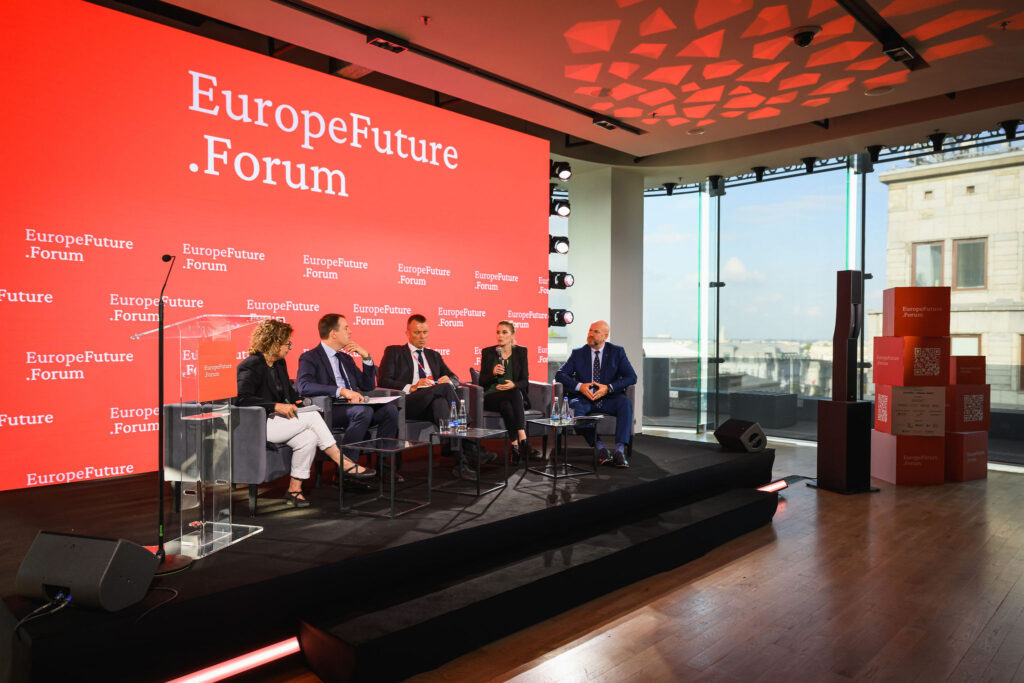

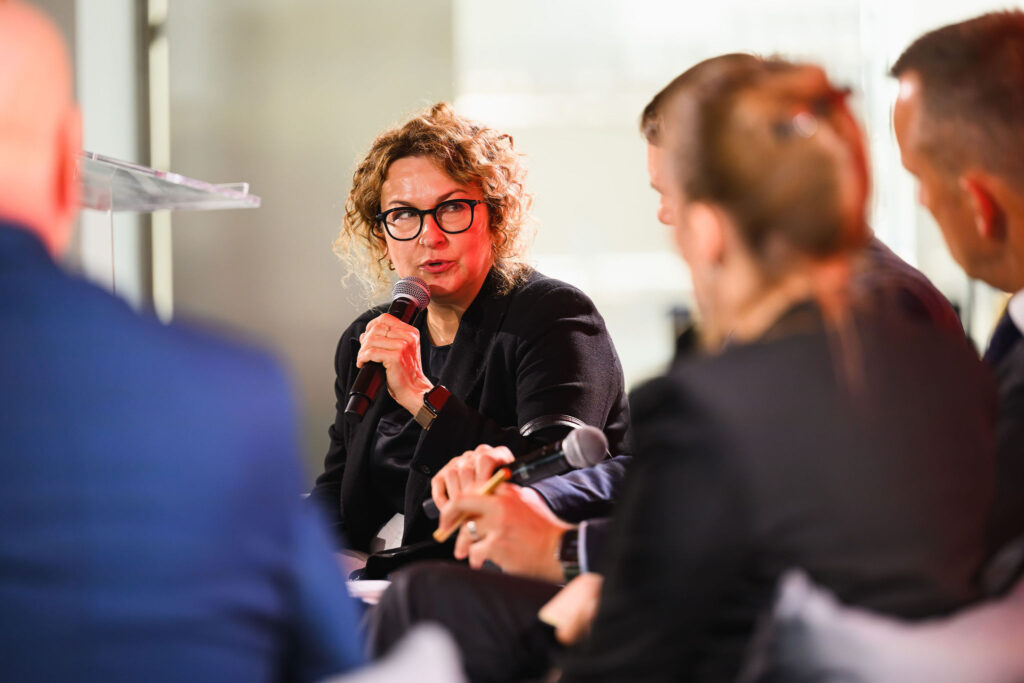
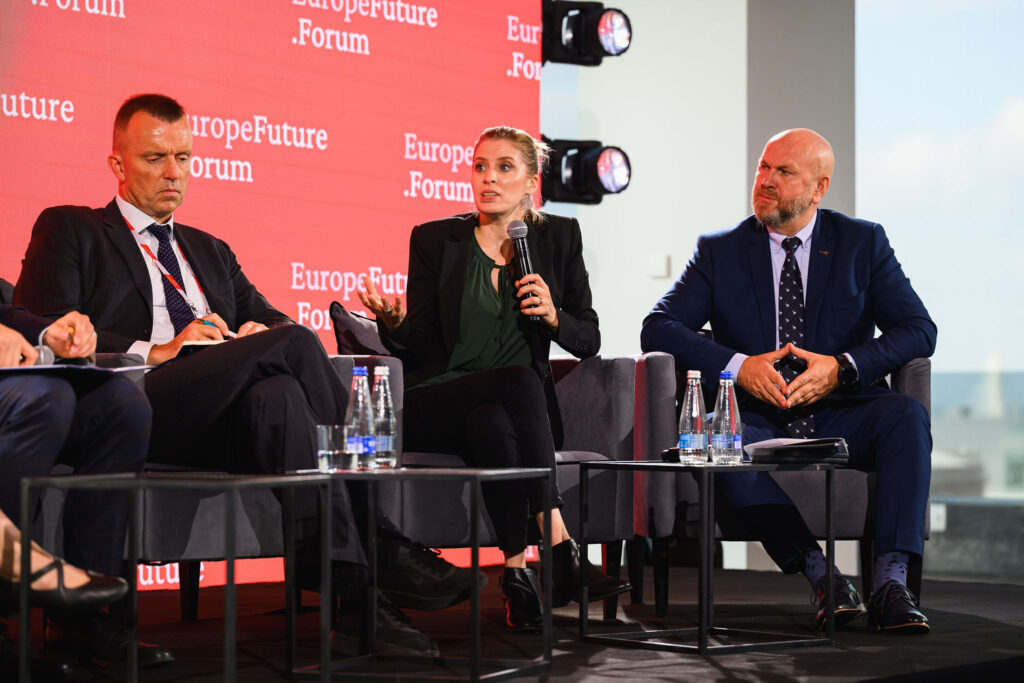
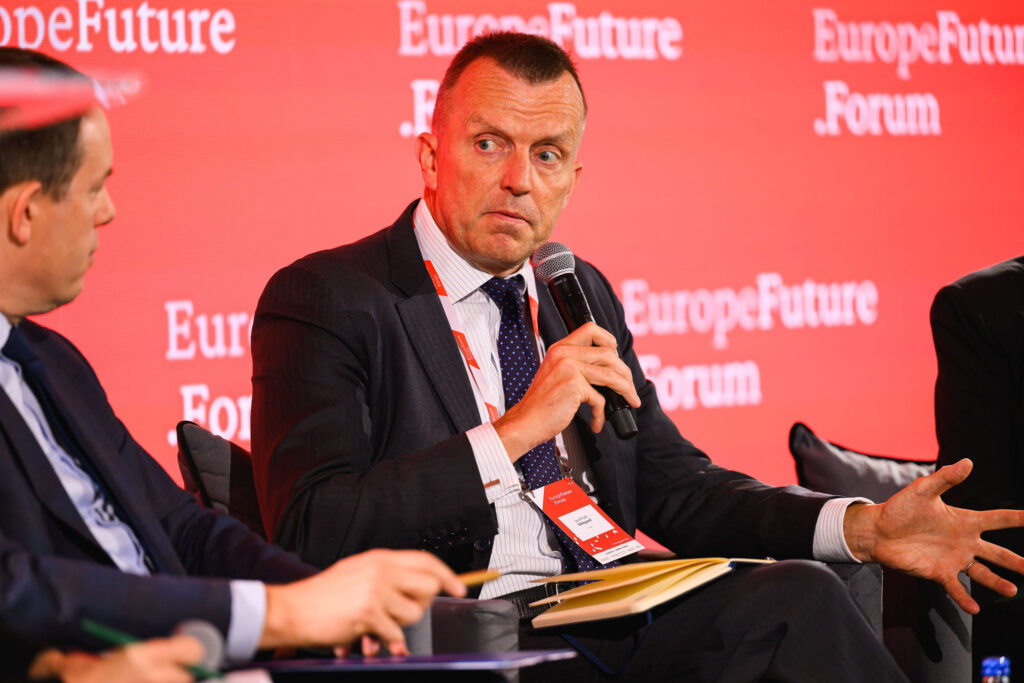
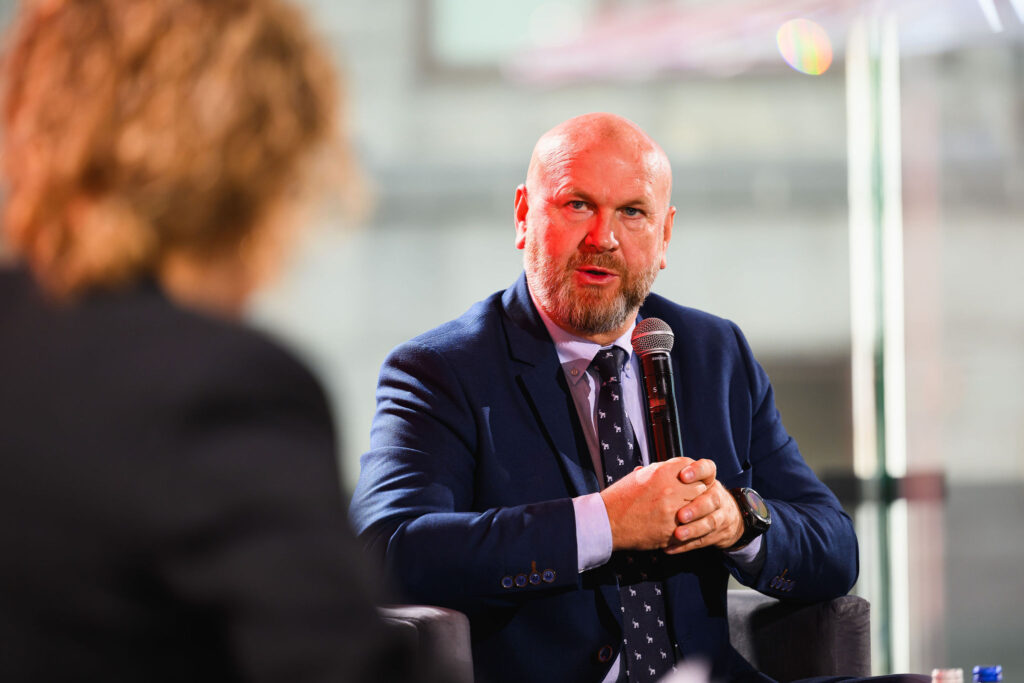
Europe’s energy position has changed fundamentally.
The priority now extends beyond securing supplies to building an energy system that supports competitiveness, innovation and long-term resilience. In the discussion ‘From Energy Security to Energy Opportunities in CEE and Beyond’, Michał Baranowski, undersecretary of state, Ministry of Development and Technology of Poland, Elisabeth Braw, senior fellow, Atlantic Council, Jacob Funk Kirkegaard, senior fellow, Bruegel, and Paweł Wojtunik, vice president of the Management Board, Security & Risk, Orlen SA, explored what the experience of CEE can offer the rest of Europe. Joanna Pandera, president, Energy Forum, moderated.
The discussion considered how diversification, infrastructure, innovation and cross-border cooperation can turn energy resilience into competitive advantage and contribute to a more integrated European energy market.
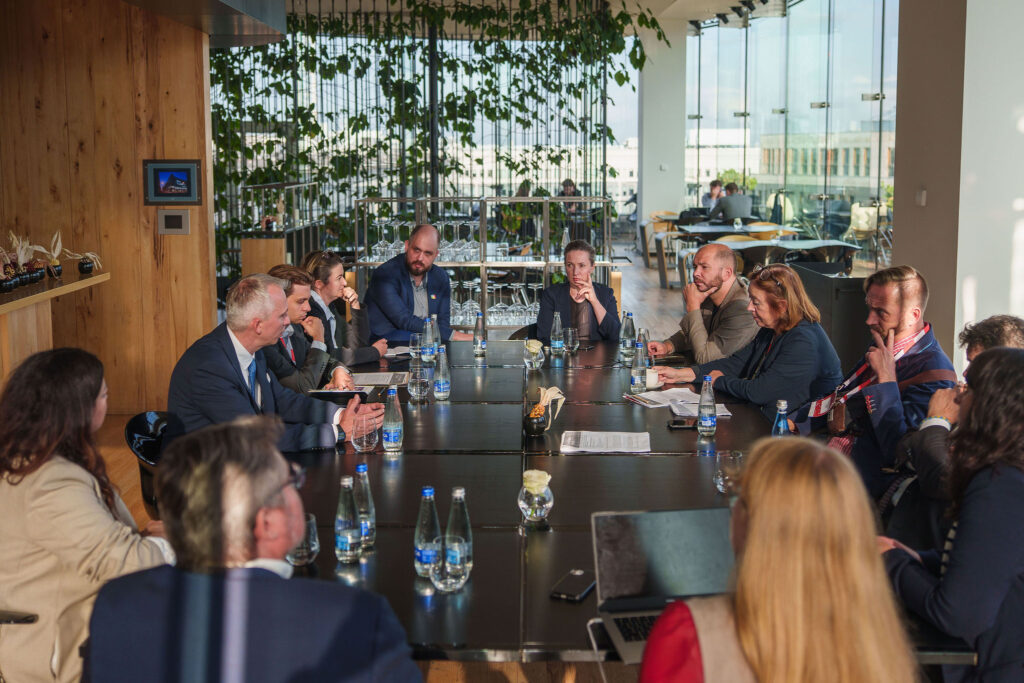
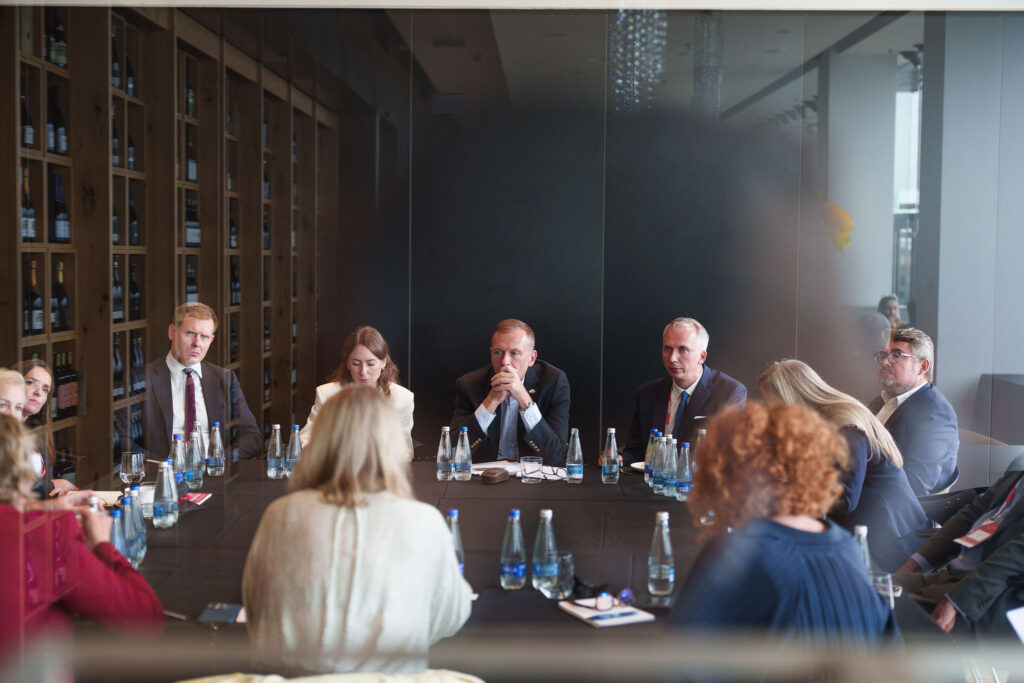
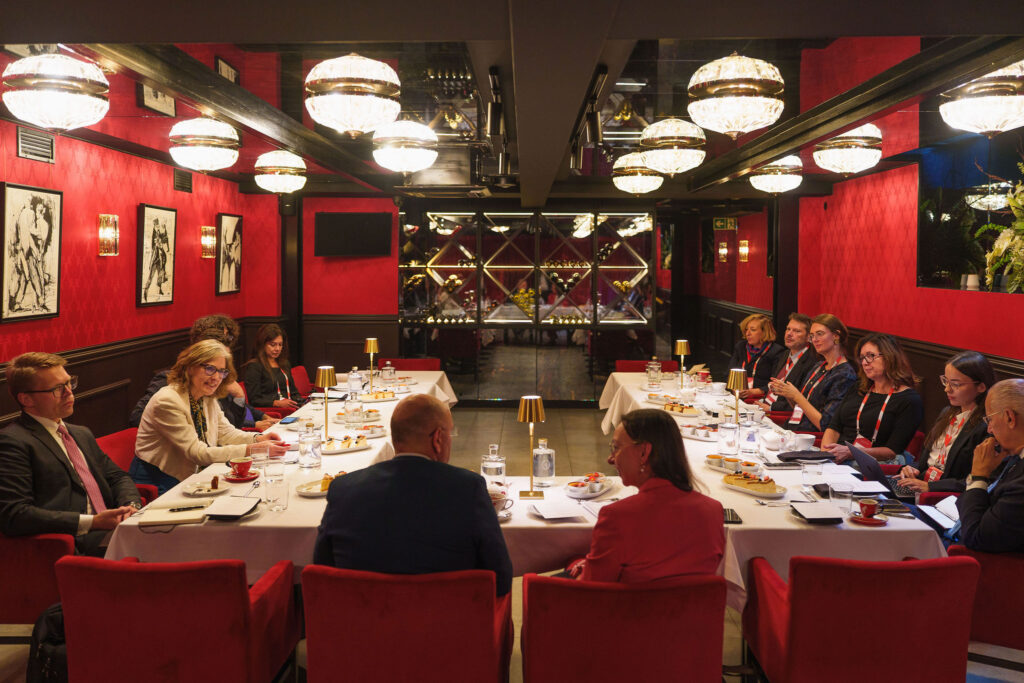
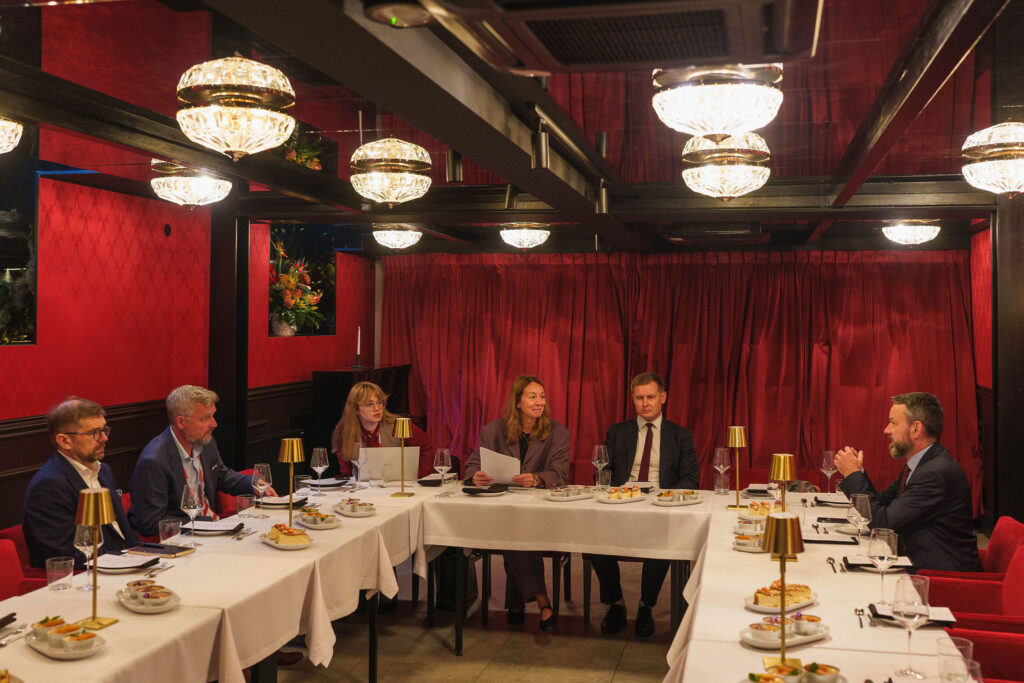
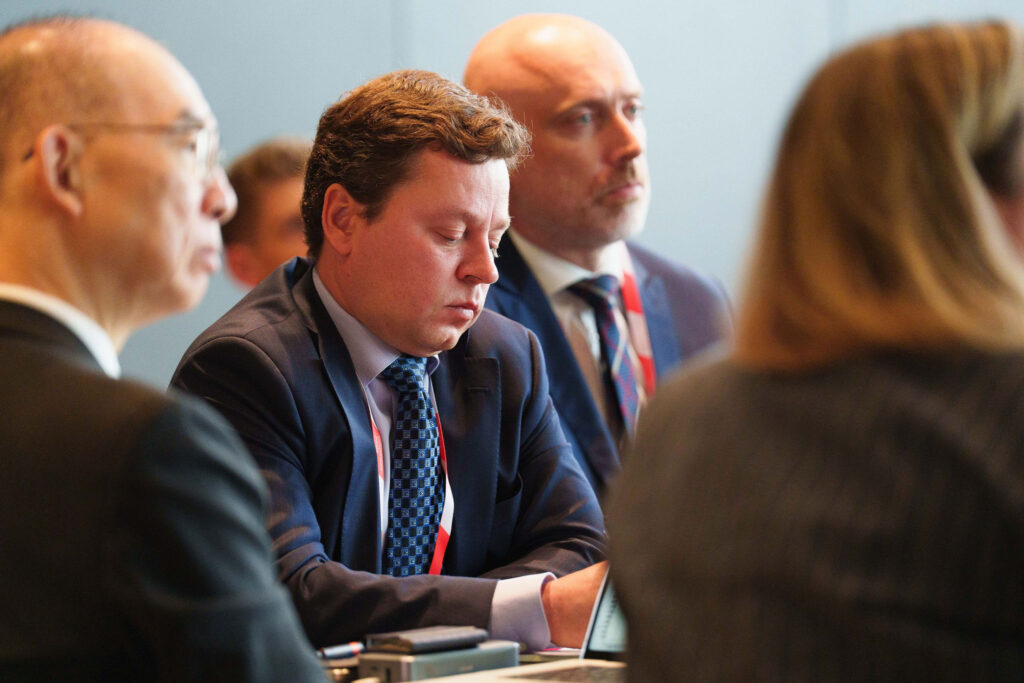
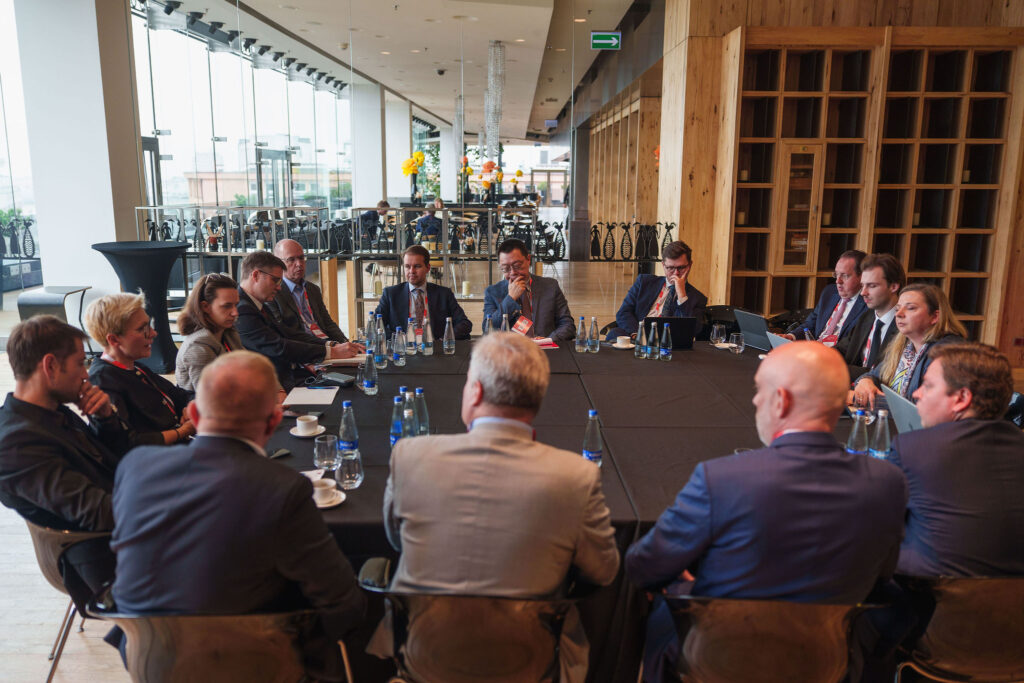
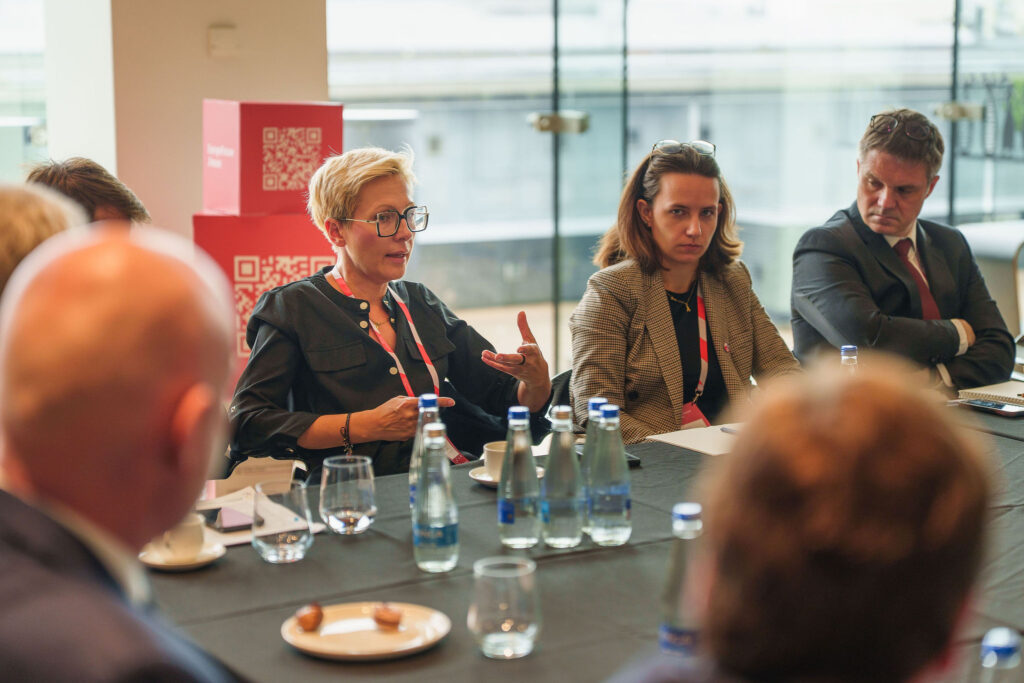
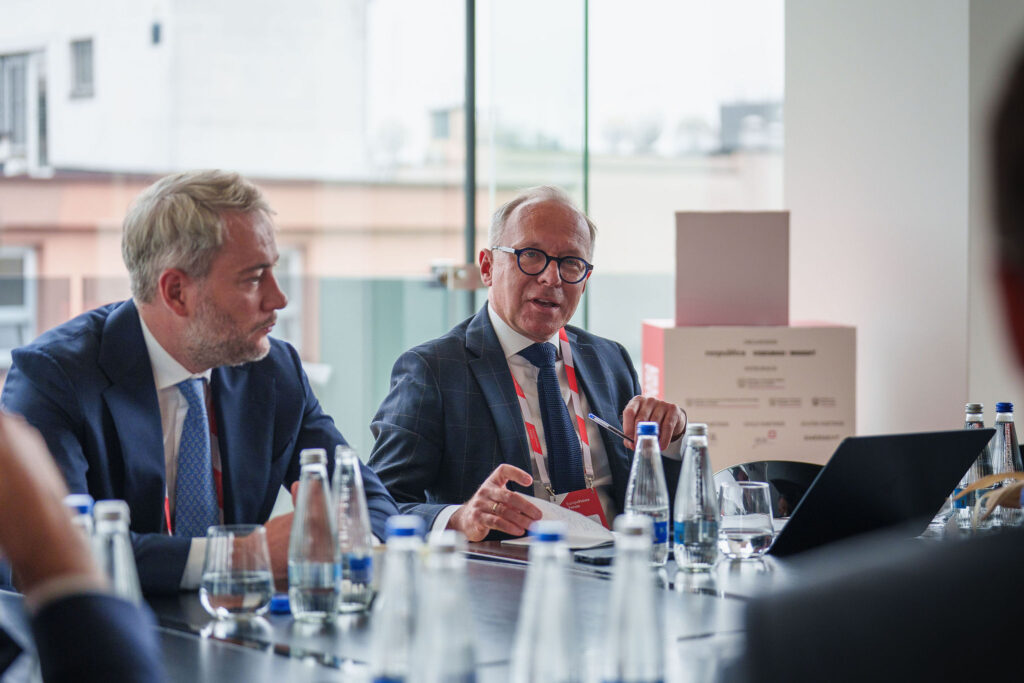
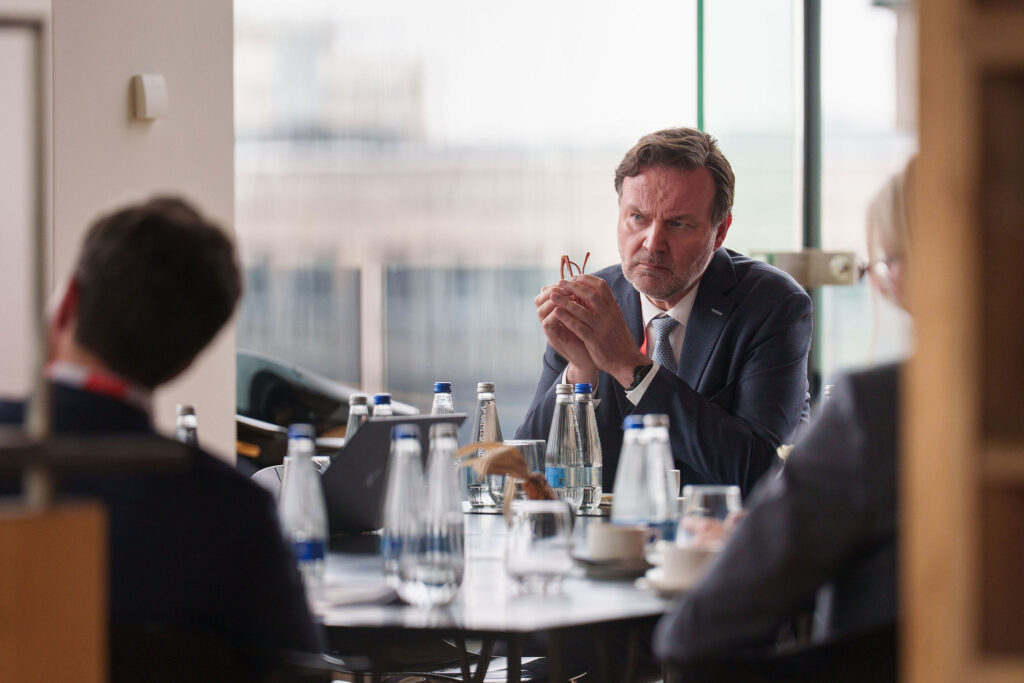
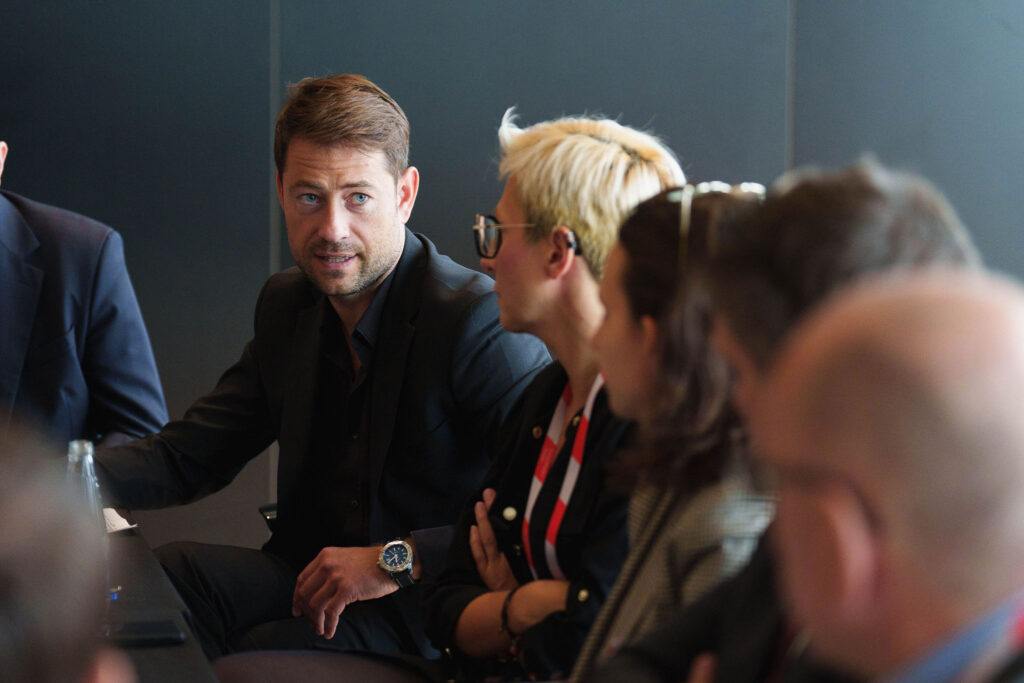
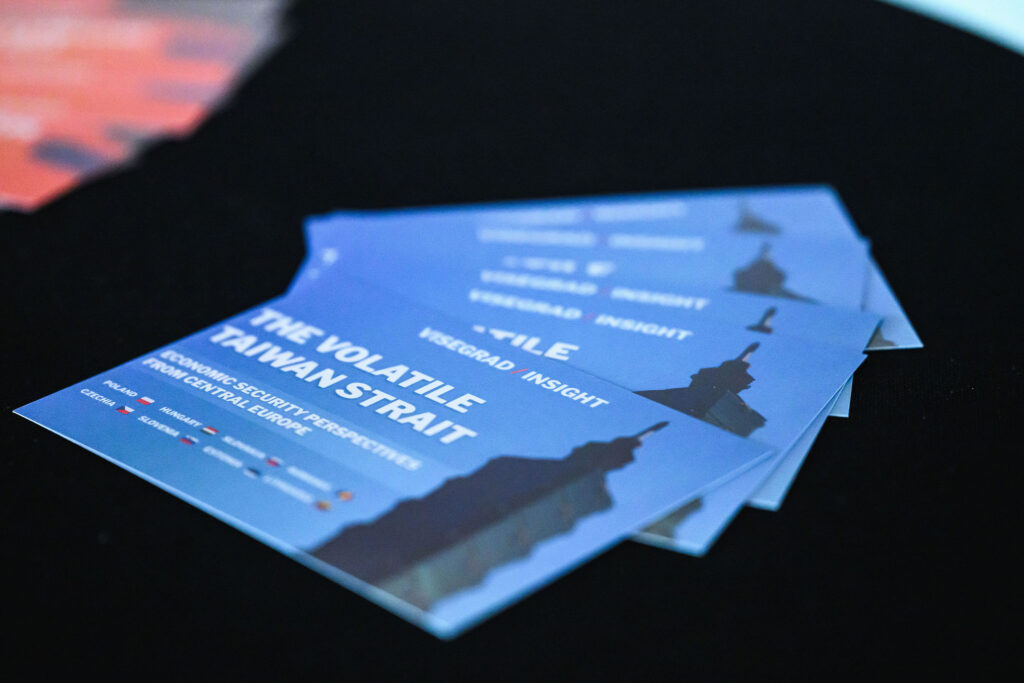
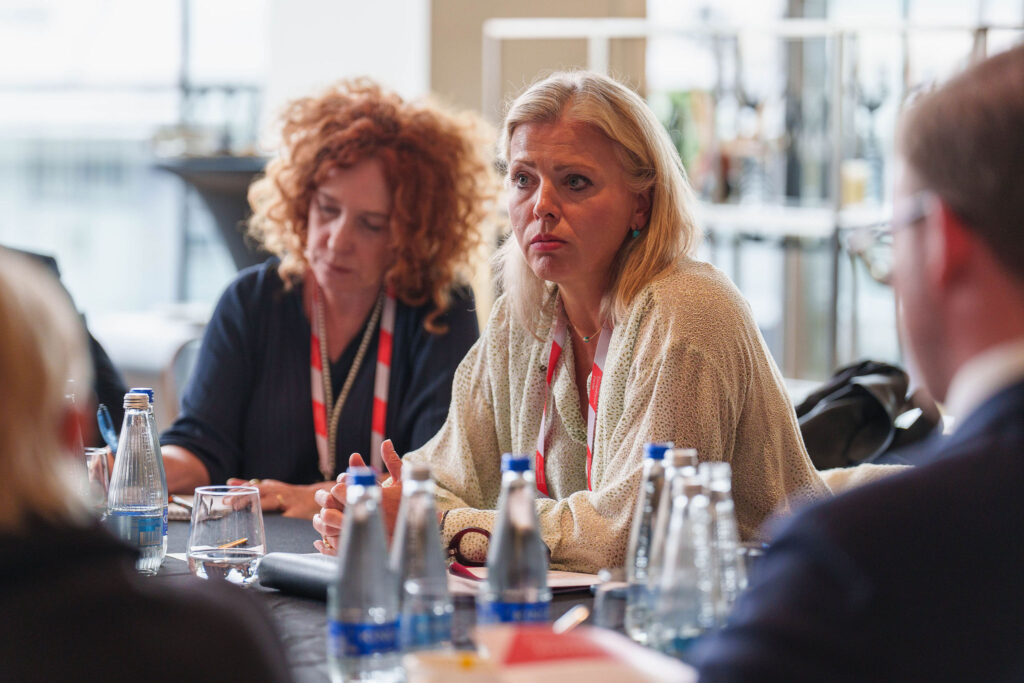
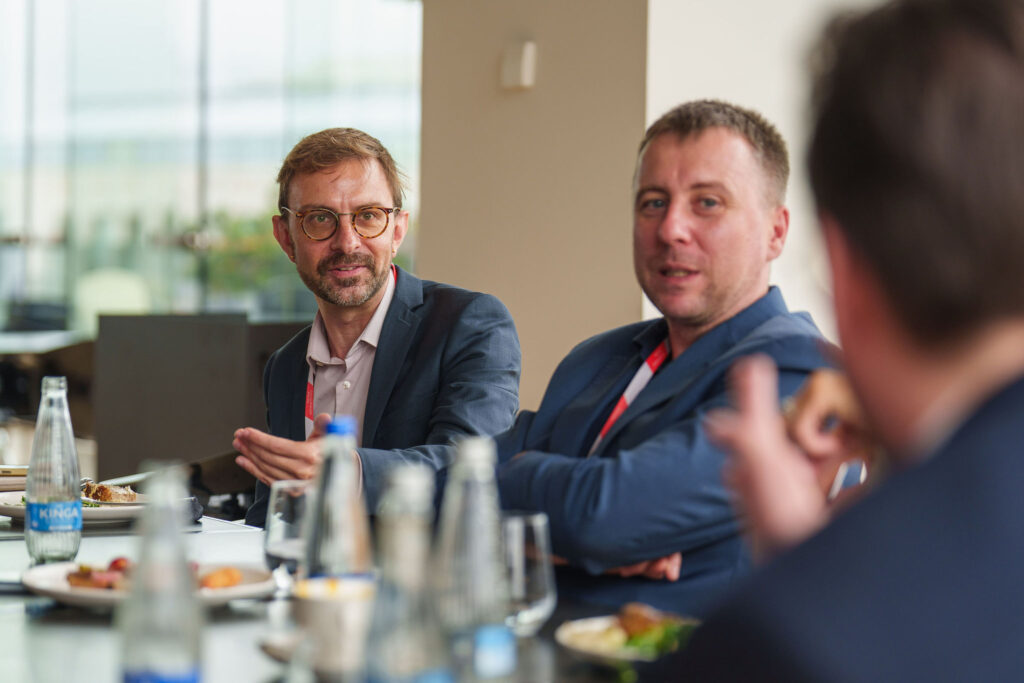
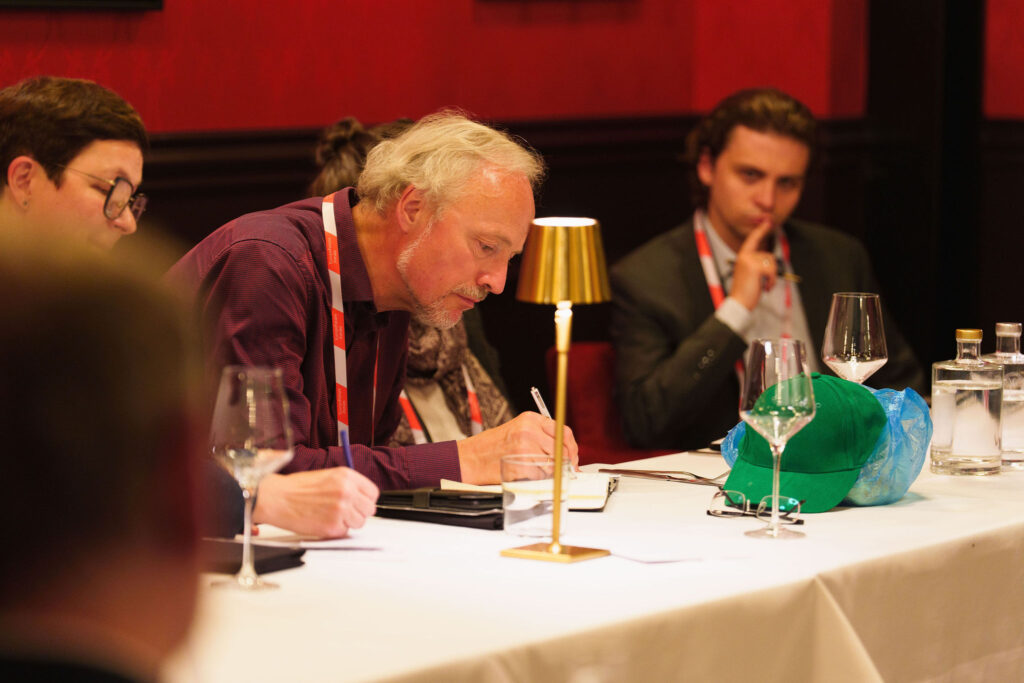
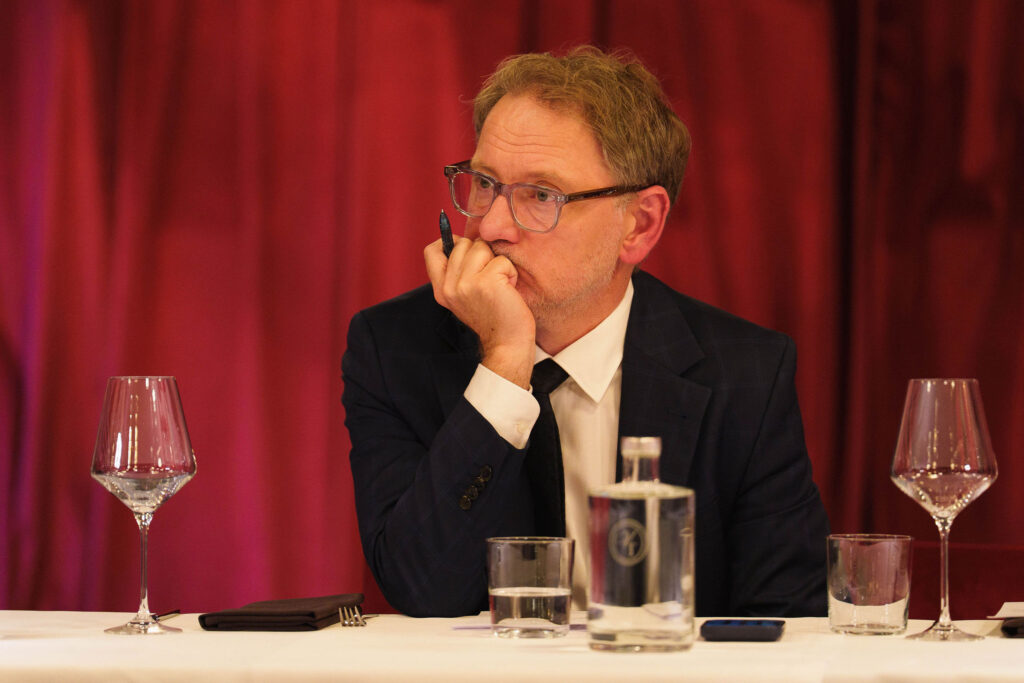
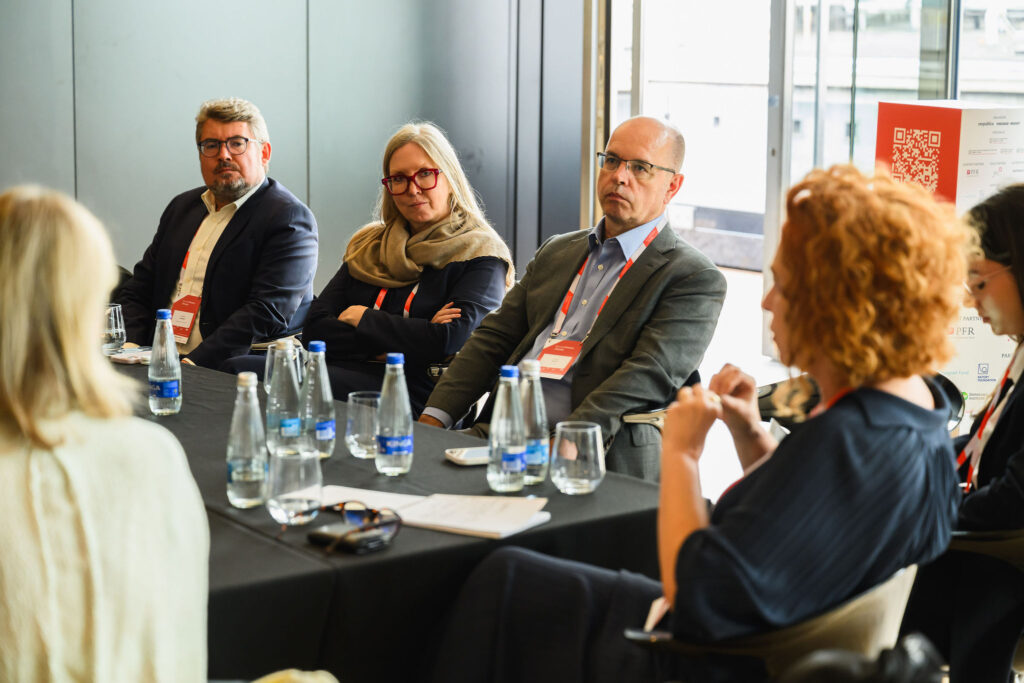
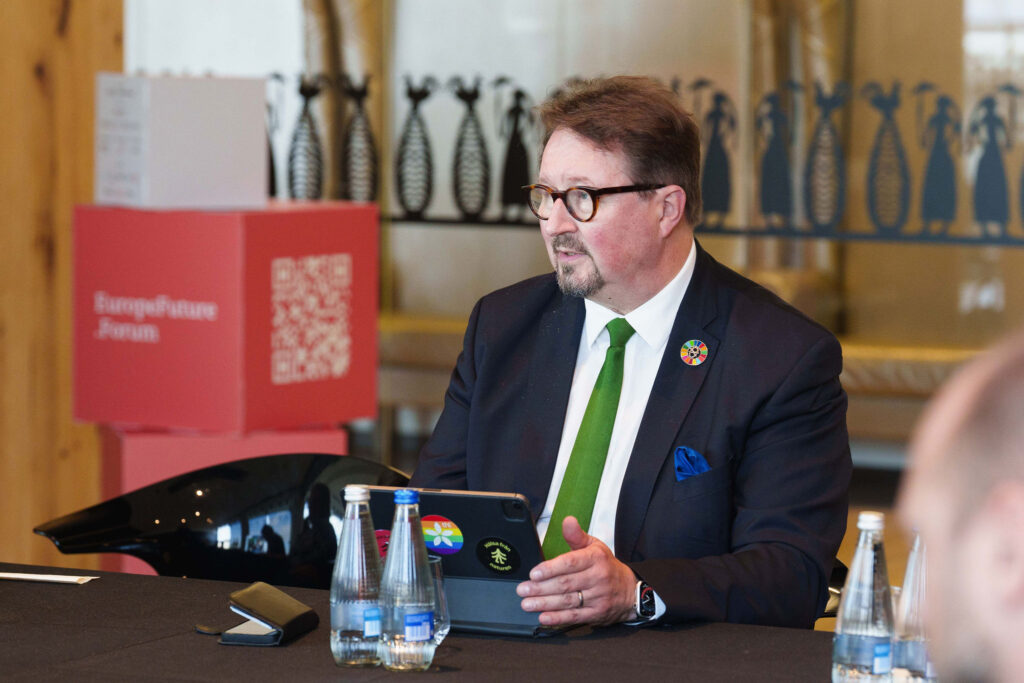
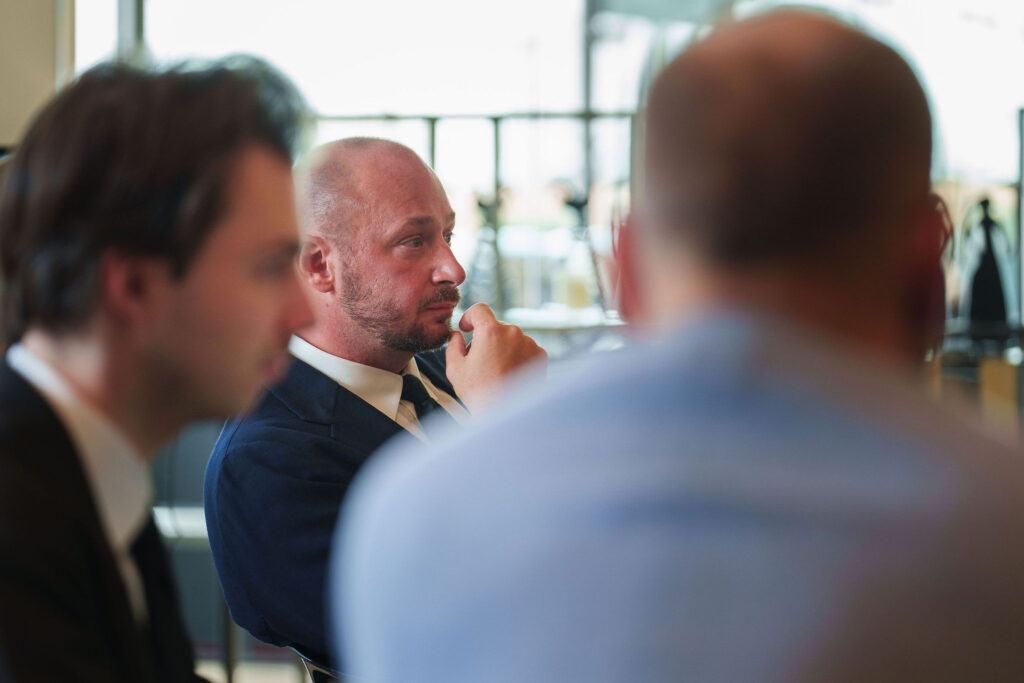
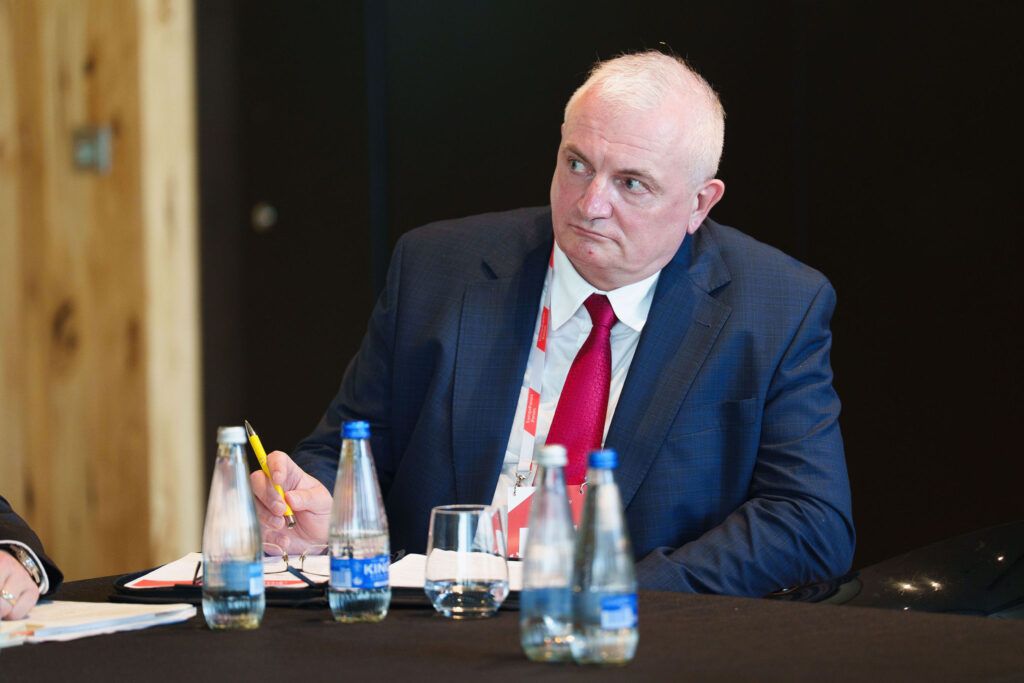
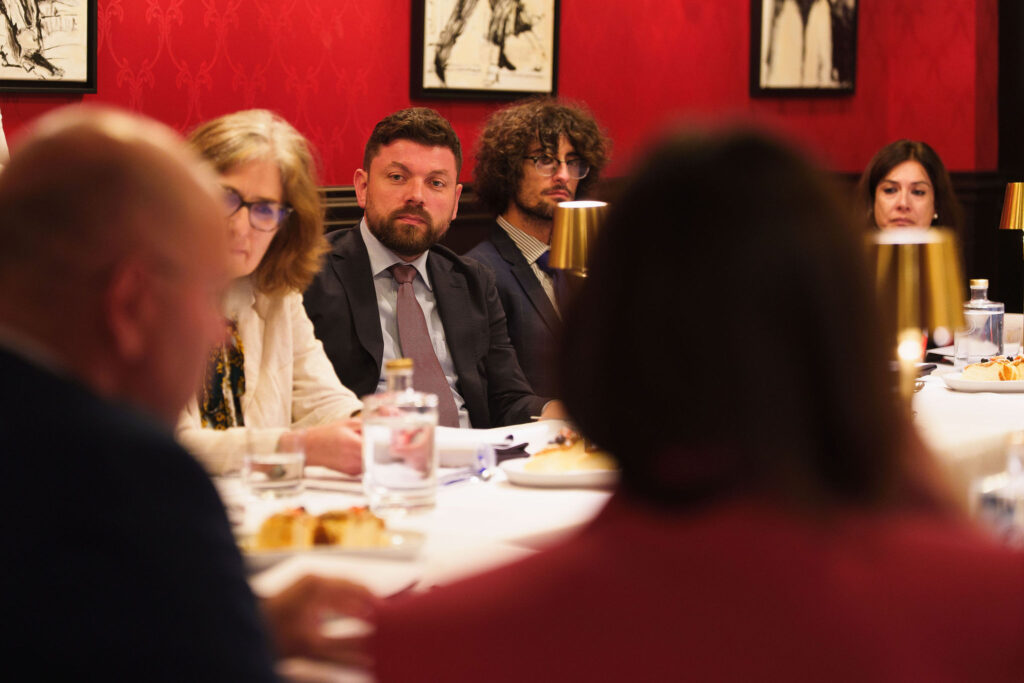
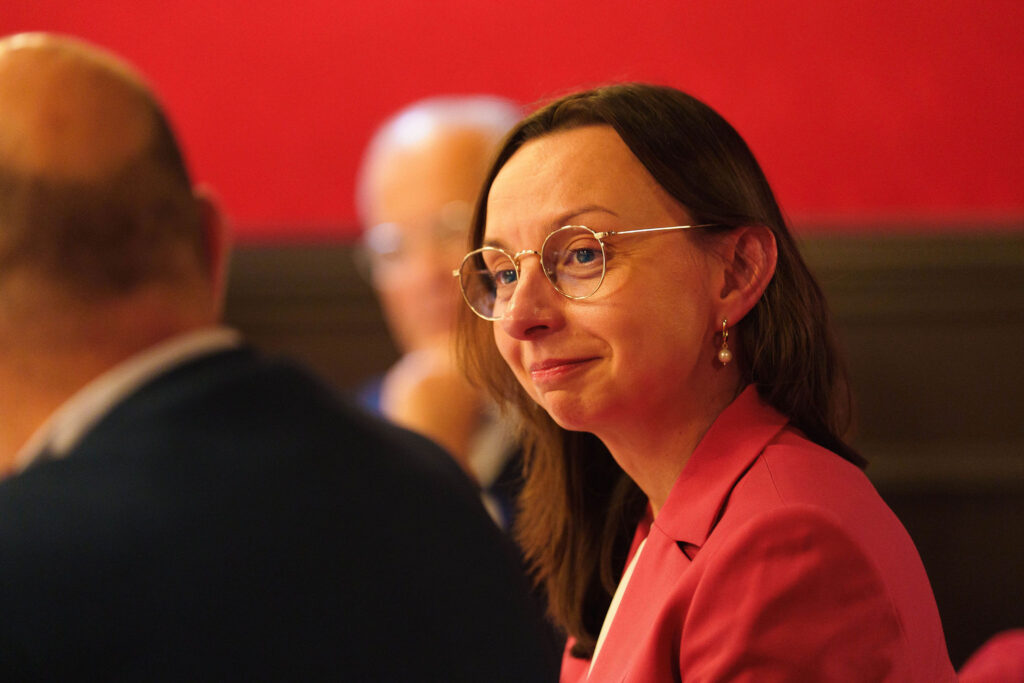
A series of exclusive foresight sessions convened a curated group of policymakers, experts and academics from across Europe to examine pressing questions of economic security, strategic autonomy and EU policy priorities. Each session was intentionally kept intimate to allow in-depth discussions and focused exchanges on the challenges and opportunities shaping Europe’s future.
Chaired by leading figures from Polish ministries, research institutions and development organisations, the sessions brought together representatives of the Ministry of Foreign Affairs of Poland, the Ministry of Development and Technology of Poland, the Institute for Innovation and Technology (ITECH), the Foundation for Polish-German Cooperation and business partners.
The following sessions were held.
A further two sessions were organised together with business partners.
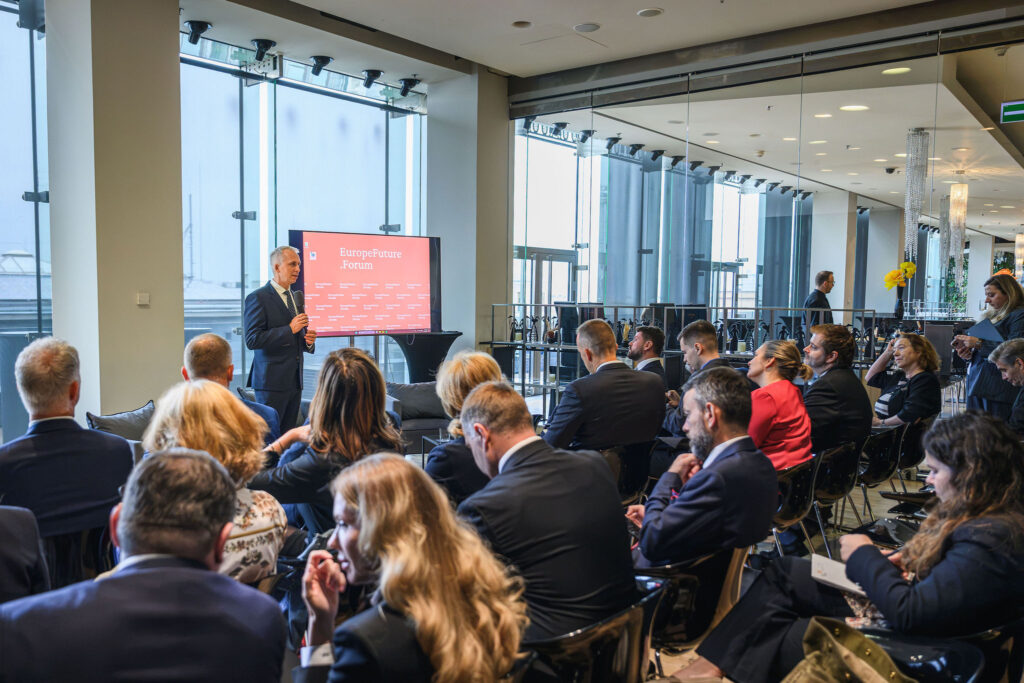
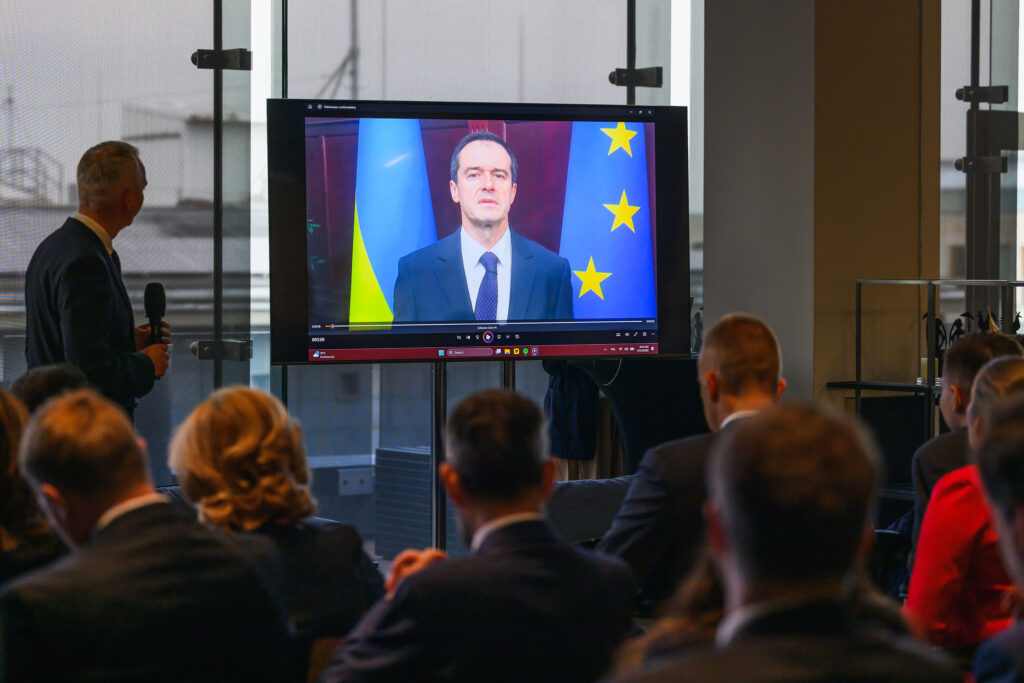
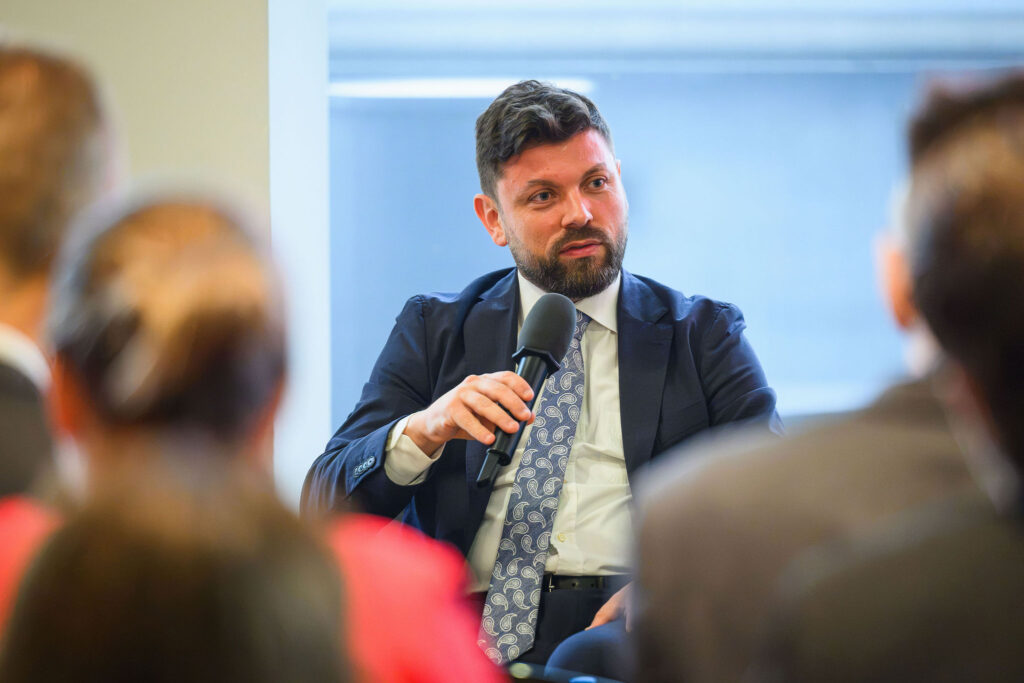
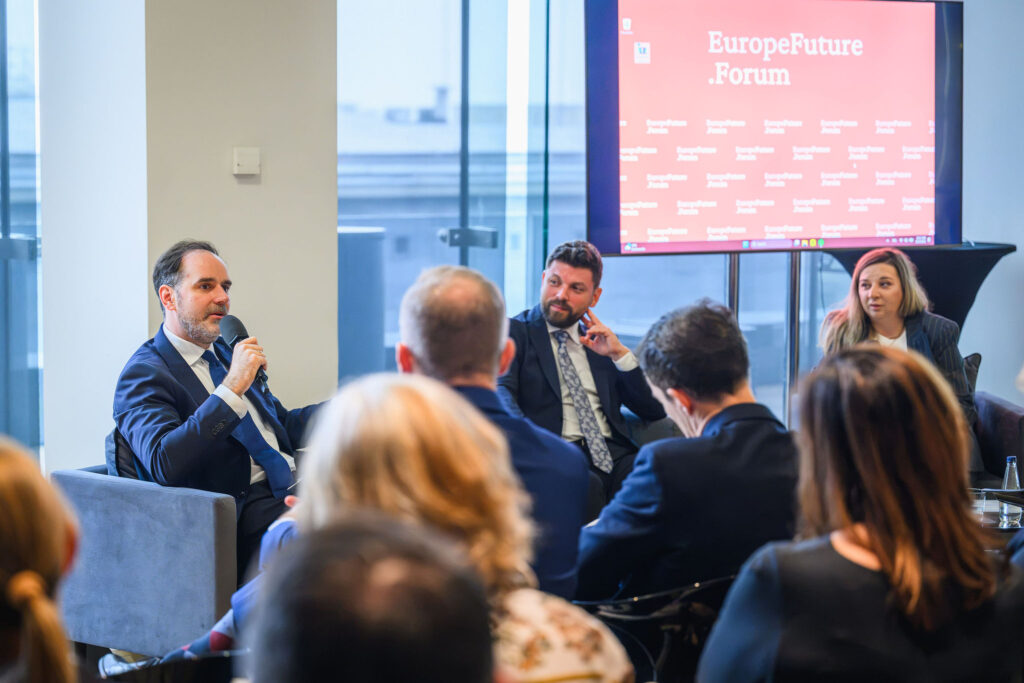
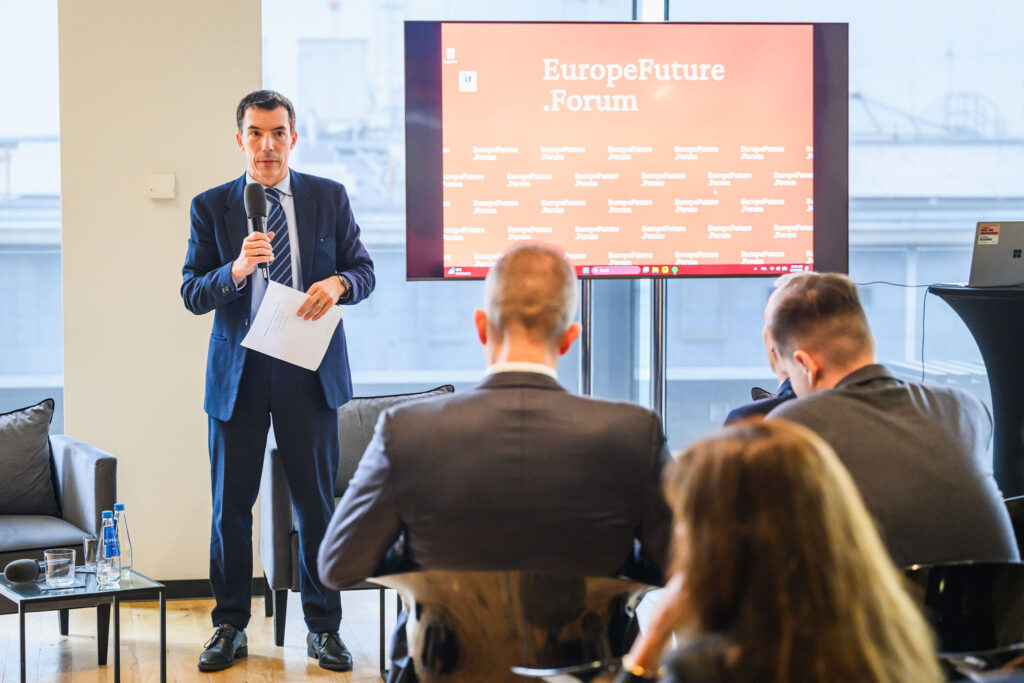
The Europe Future Forum opened its VIP programme with a high-level conversation on the economic and strategic implications of the EU’s next enlargement. Ignacy Niemczycki, secretary of state, Ministry of Foreign Affairs of Poland, and Ivan Ivanišević, deputy minister for foreign affairs of Montenegro in charge of EU matters, in conversation with Magda Jakubowska, vice president, Res Publica Foundation, discussed how deeper economic convergence between the EU and candidate countries can contribute to a stronger and more secure Europe.
The discussion explored enlargement not only as a process of institutional and economic integration but also as an opportunity to strengthen Europe’s resilience, connectivity and strategic capacity. Particular attention was given to the role of candidate countries in the evolving European security and economic architecture and to the conditions needed to ensure that future enlargement delivers tangible benefits for both the EU and its prospective members.
The conversation set the tone for the Forum’s broader focus on building a stronger Europe through cooperation, investment and convergence. It highlighted the importance of integrating candidate countries into Europe’s economic and security thinking well before accession.
The discussion was followed by a presentation by Carlos Mulas-Granados, regional representative for Central, Eastern and South-Eastern Europe, International Monetary Fund, on the economic dividend of EU enlargement and on making the most of EU accession.

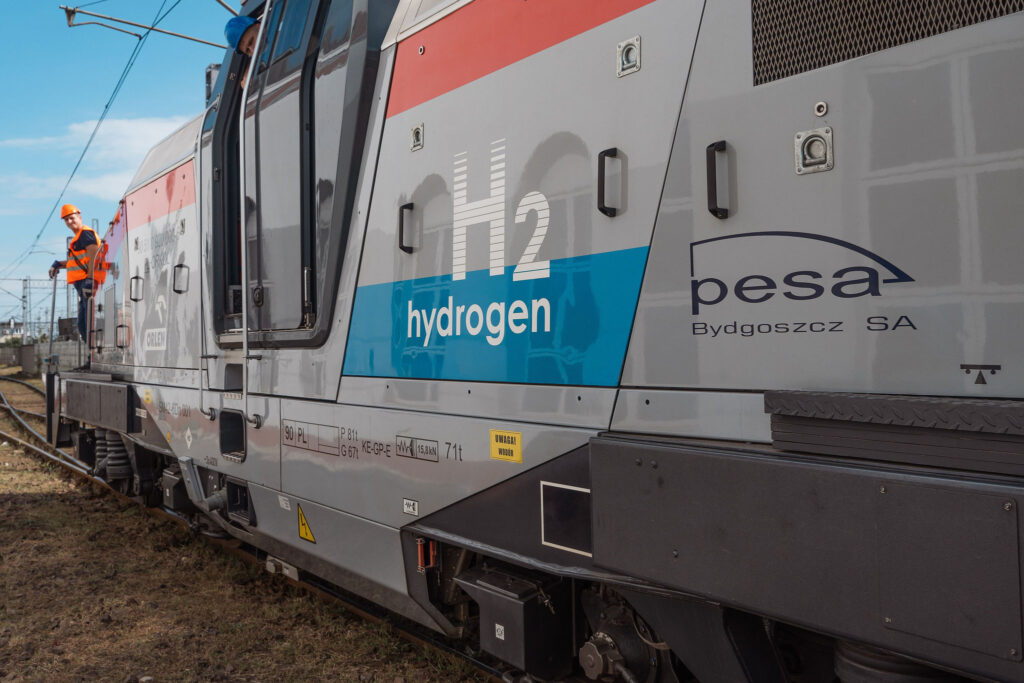
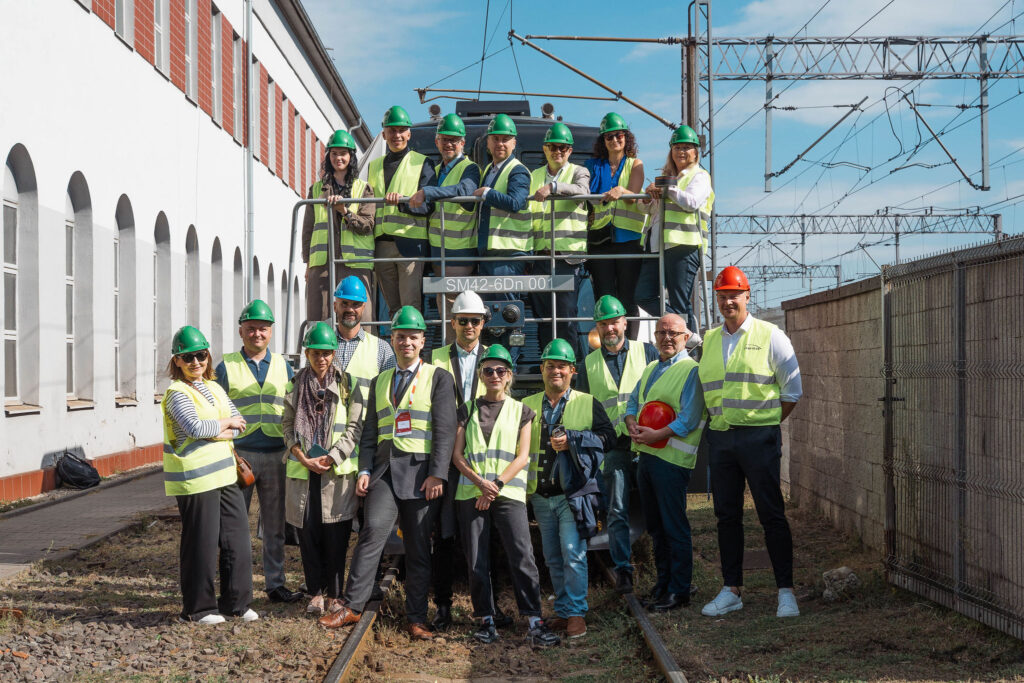
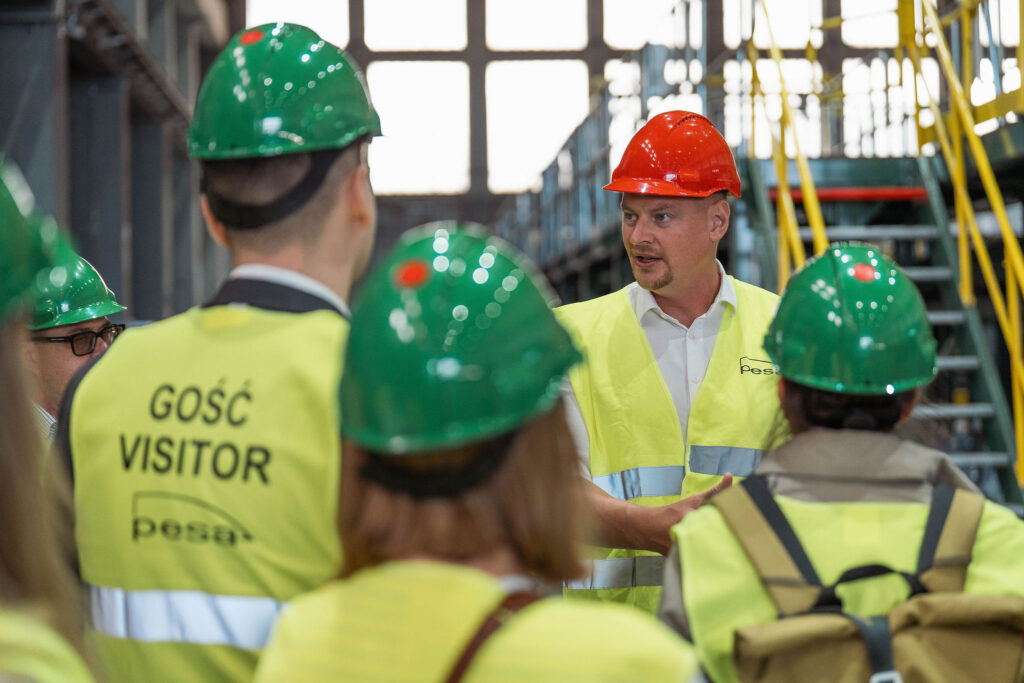
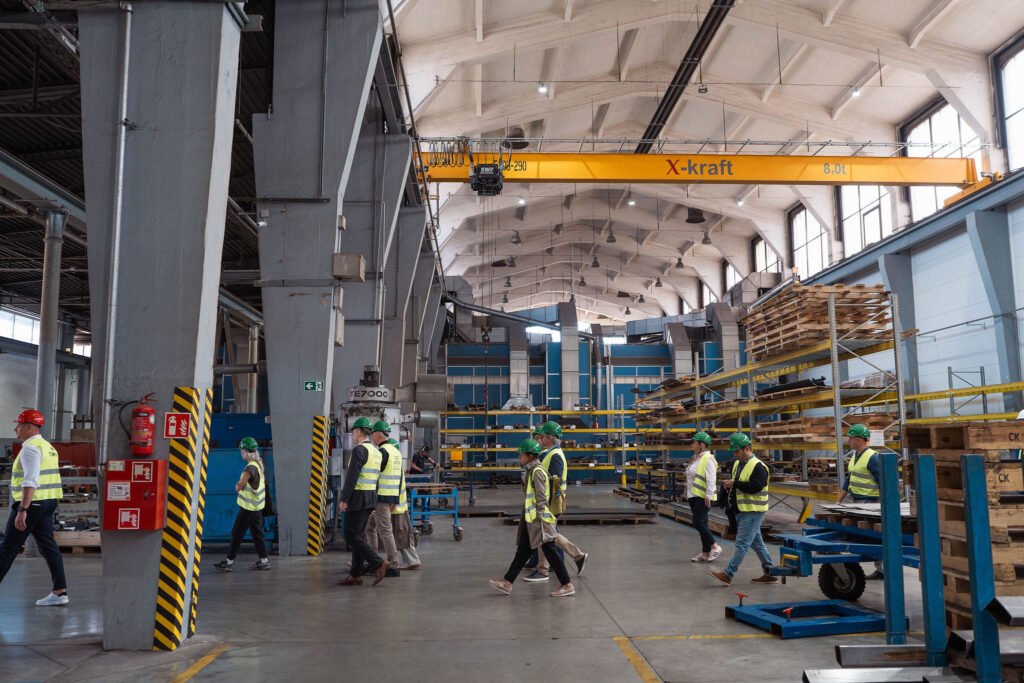
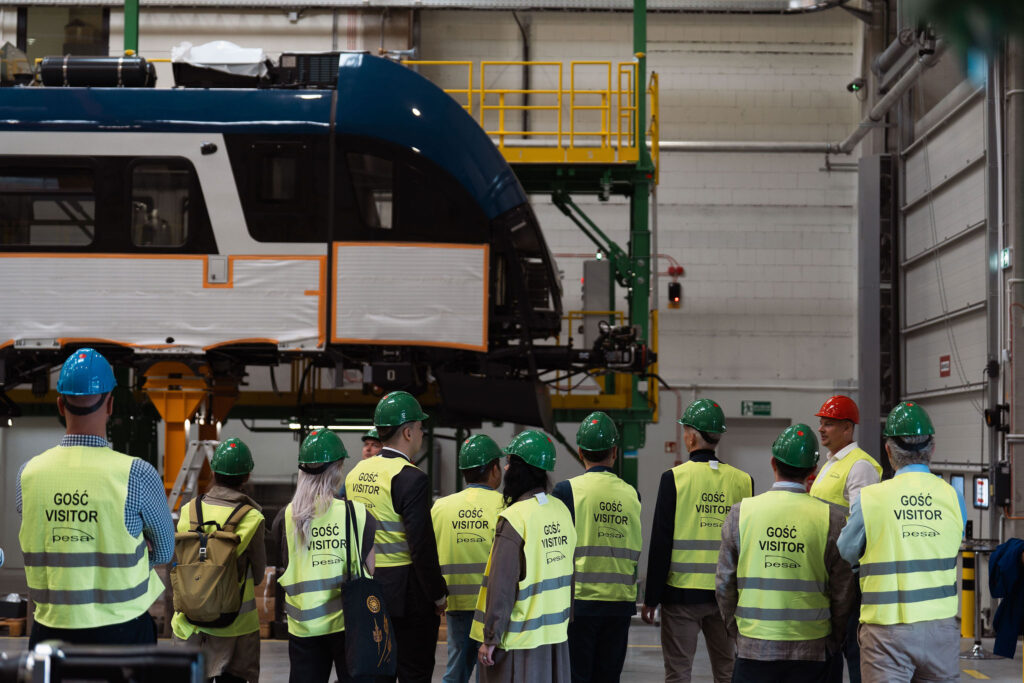
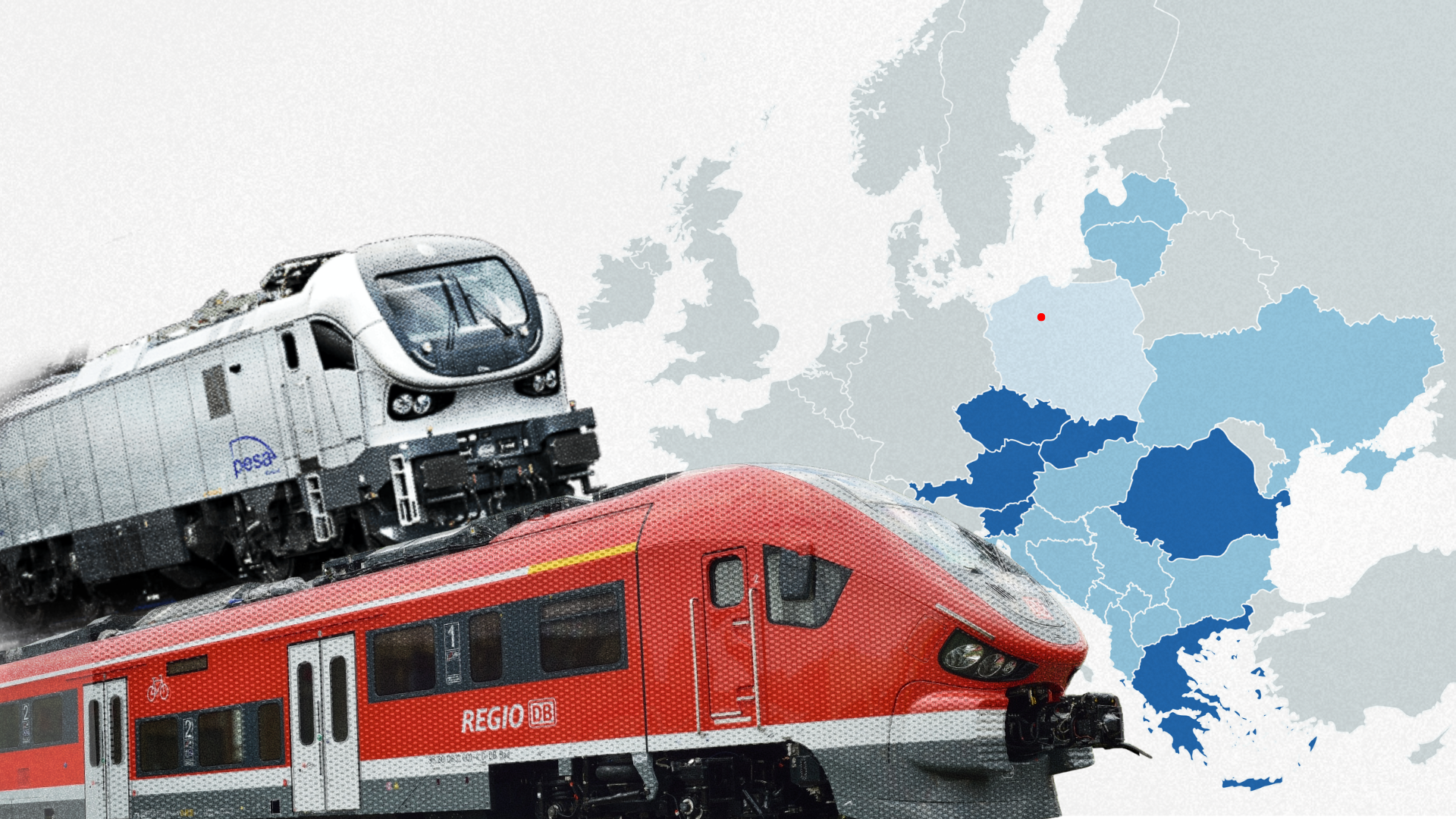
The Forum programme also included a study trip for CEE journalists, hosted by the Polish Development Fund in cooperation with Visegrad Insight – Res Publica Foundation. The special programme offered a setting for in-depth exchange at the PESA factory in Bydgoszcz and at networking events, and was designed to complement the Forum’s main stage discussions.
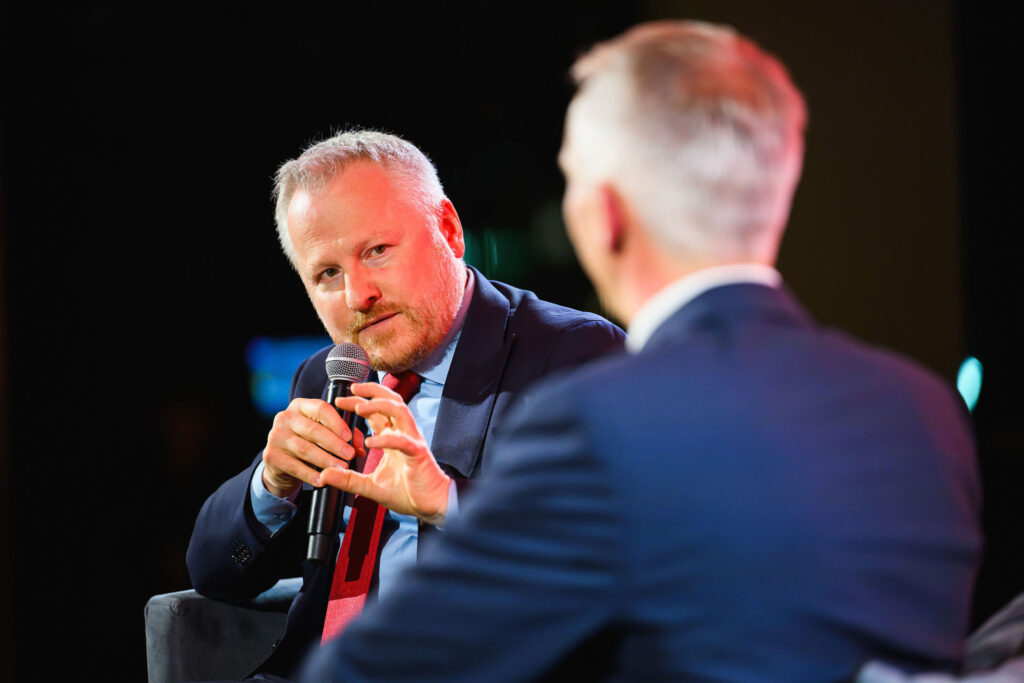
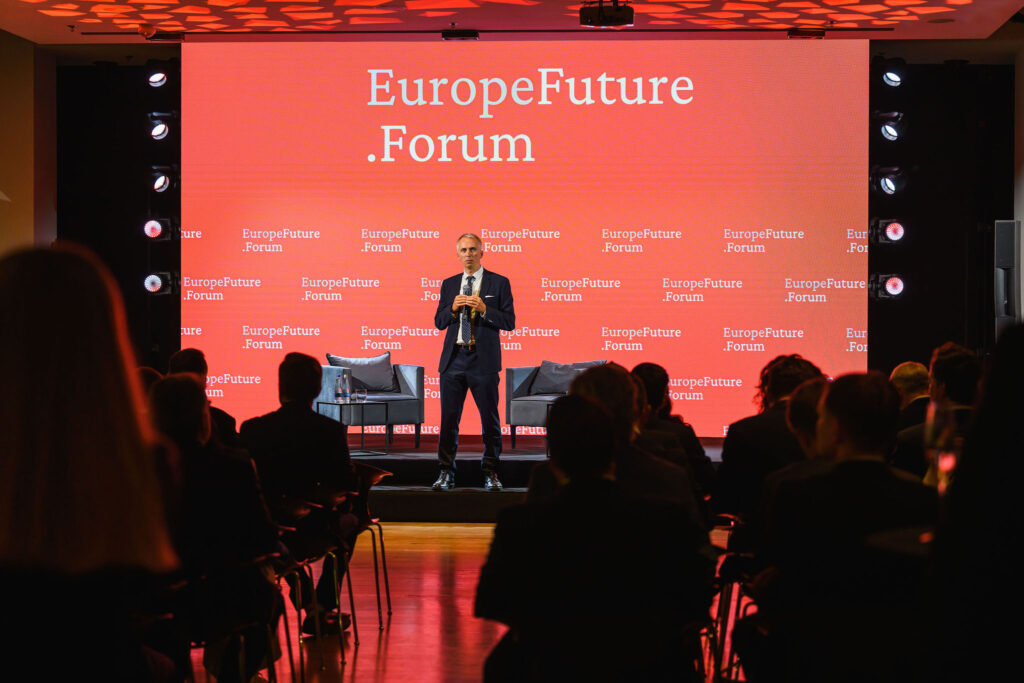
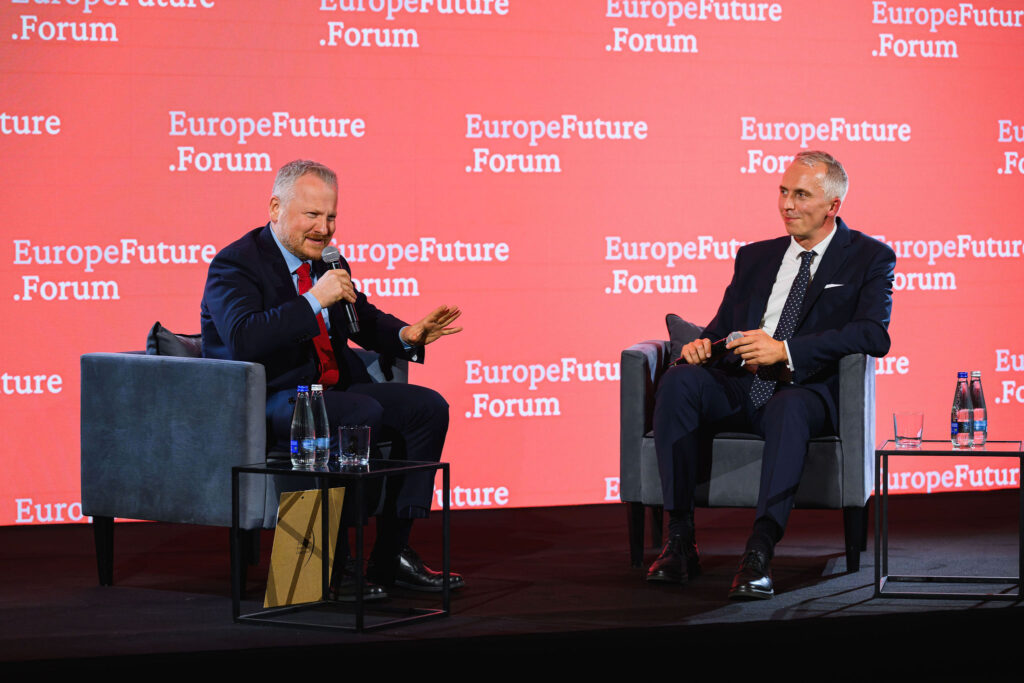
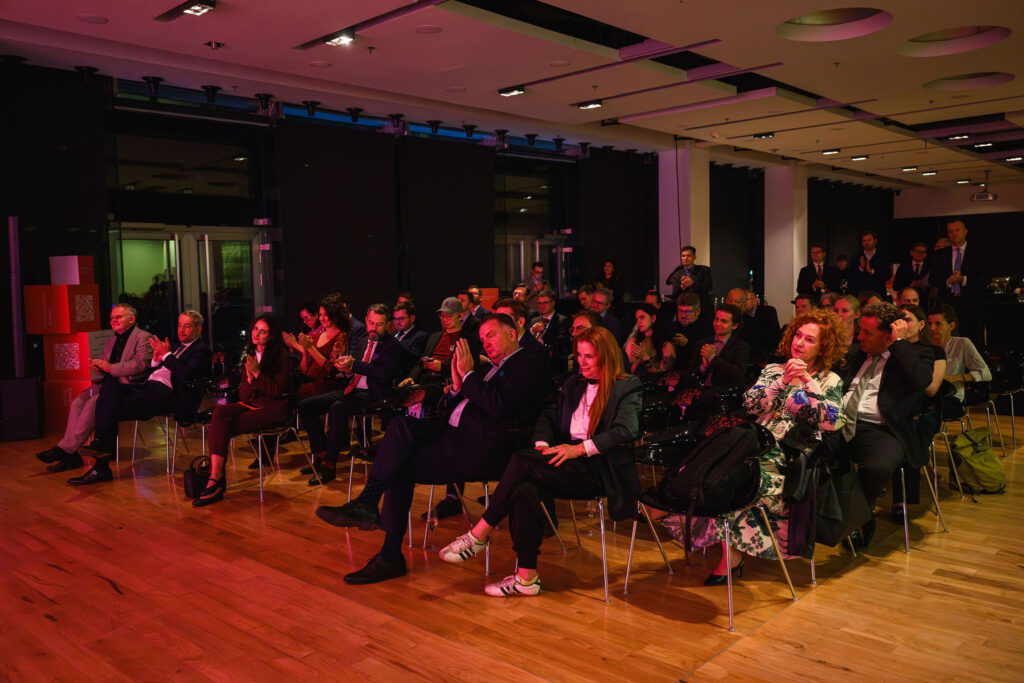
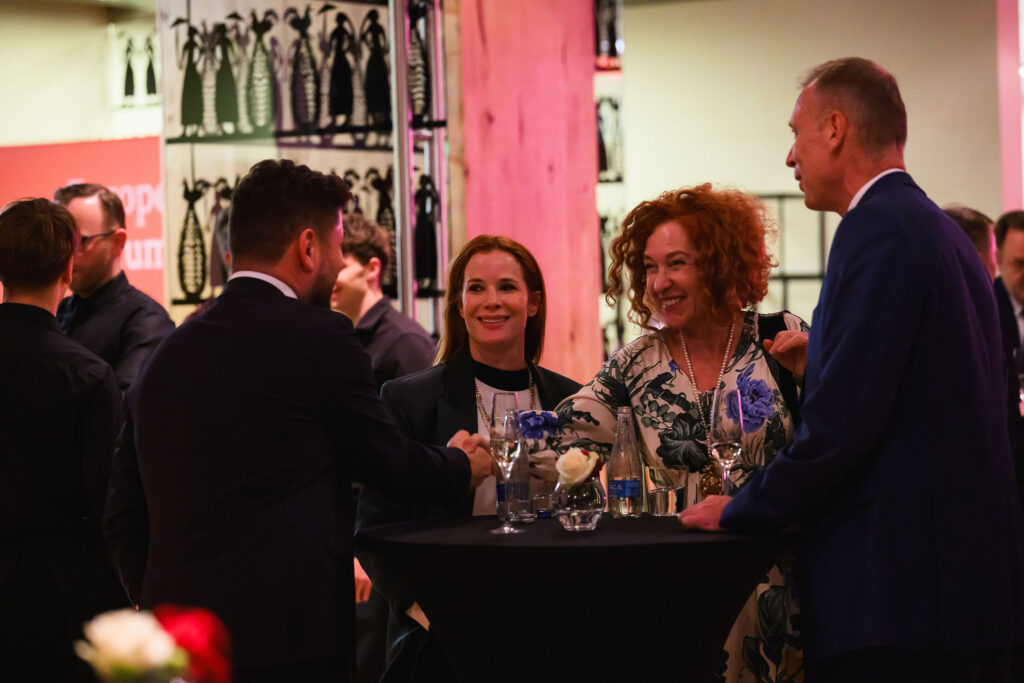
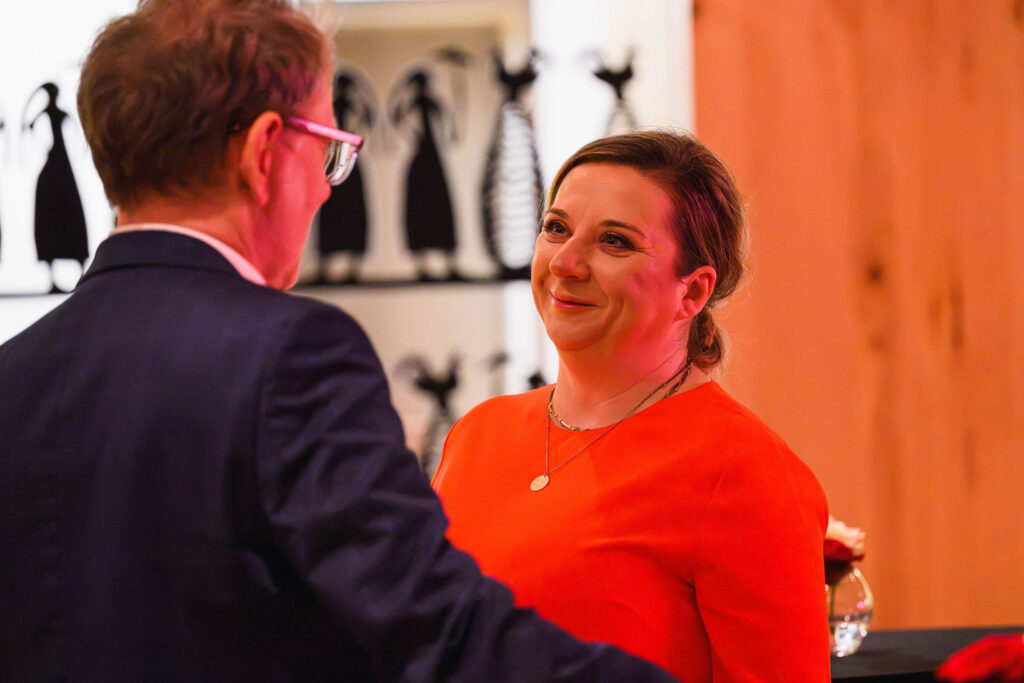
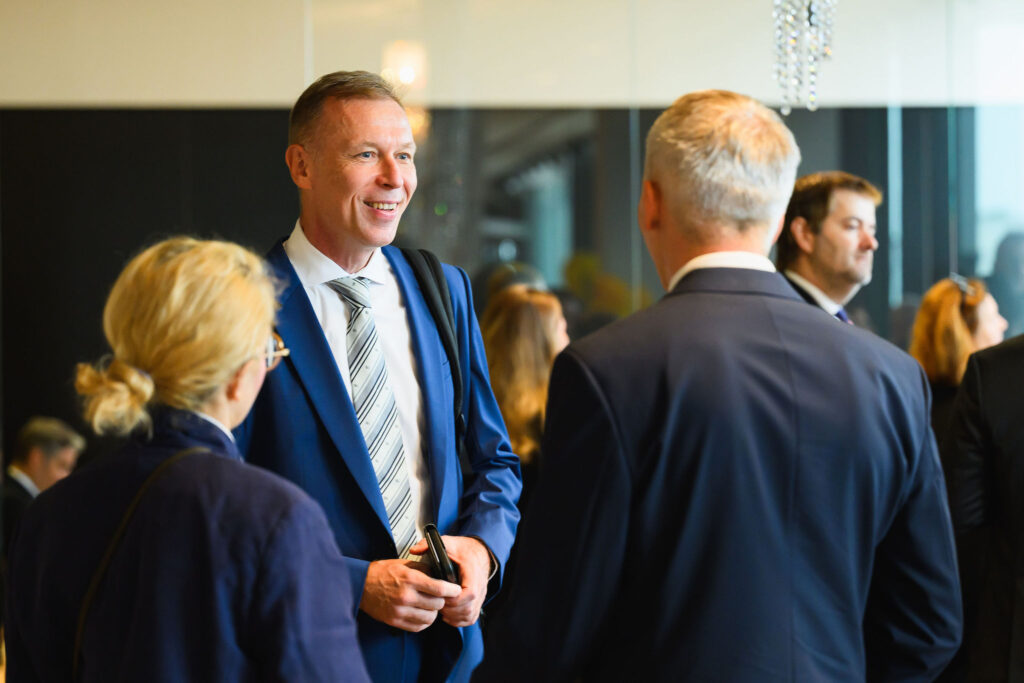
The evening reception of the Europe Future Forum brought together prominent leaders, policymakers and innovators for a lively exchange of ideas.
In a fireside chat, Jurand Drop, undersecretary of state, Ministry of Finance and Economy of Poland, and Wojciech Przybylski explored economic security as a foundation of a functioning Single Market, from resilient critical infrastructure and supply chains to financial systems and strategic dependencies. The conversation also examined Poland’s economic transformation and growing role in Europe, asking how the country can contribute more to European economic security and competitiveness while strengthening, rather than constraining, an open and integrated European market.
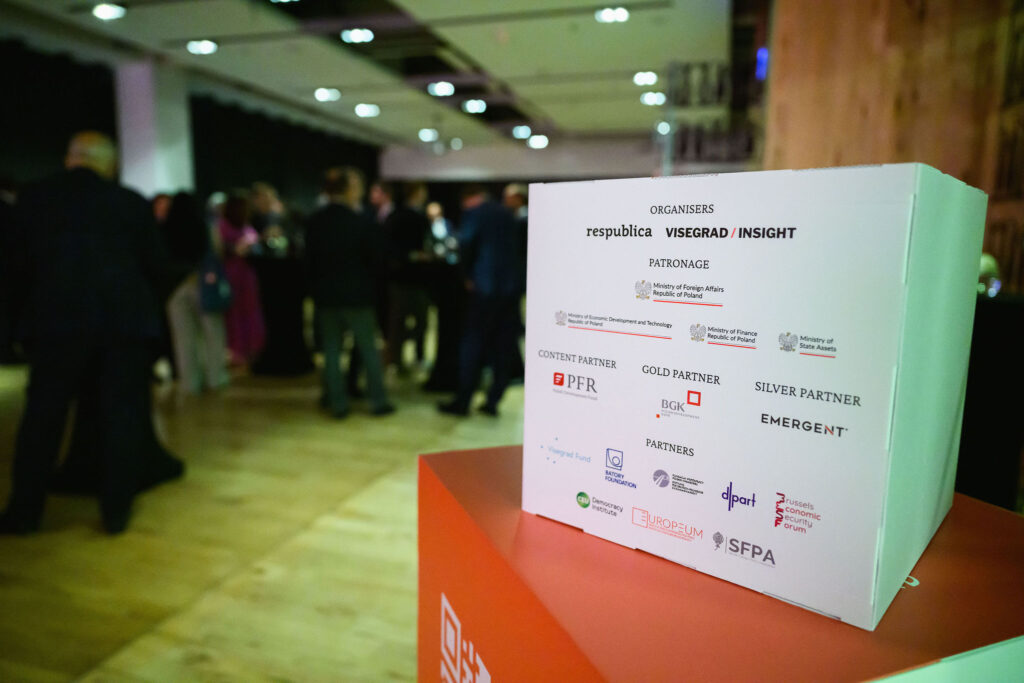
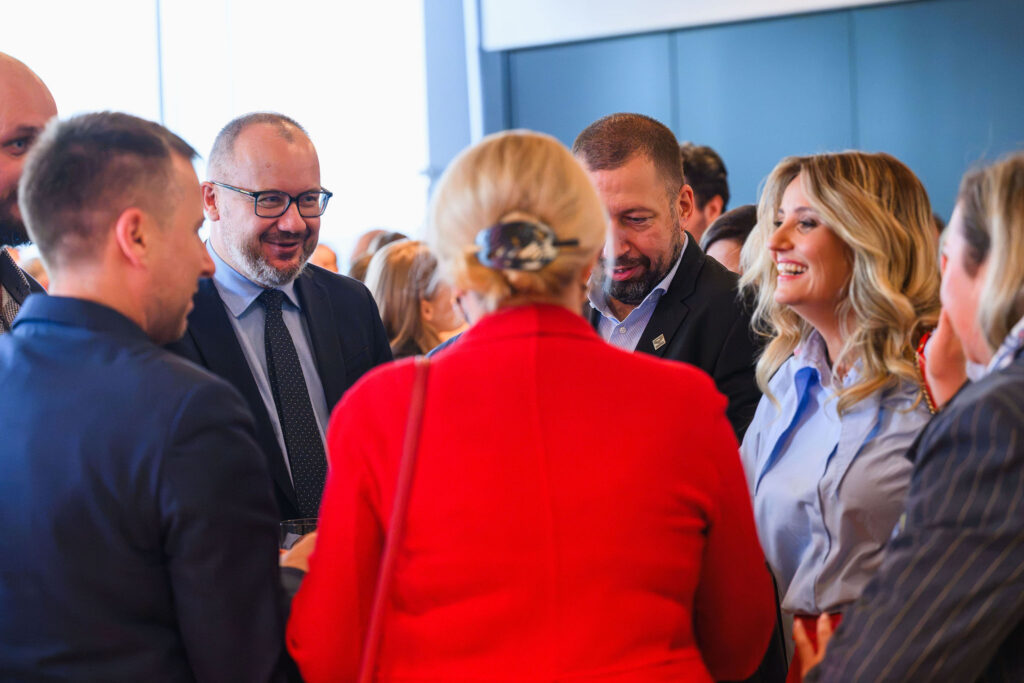
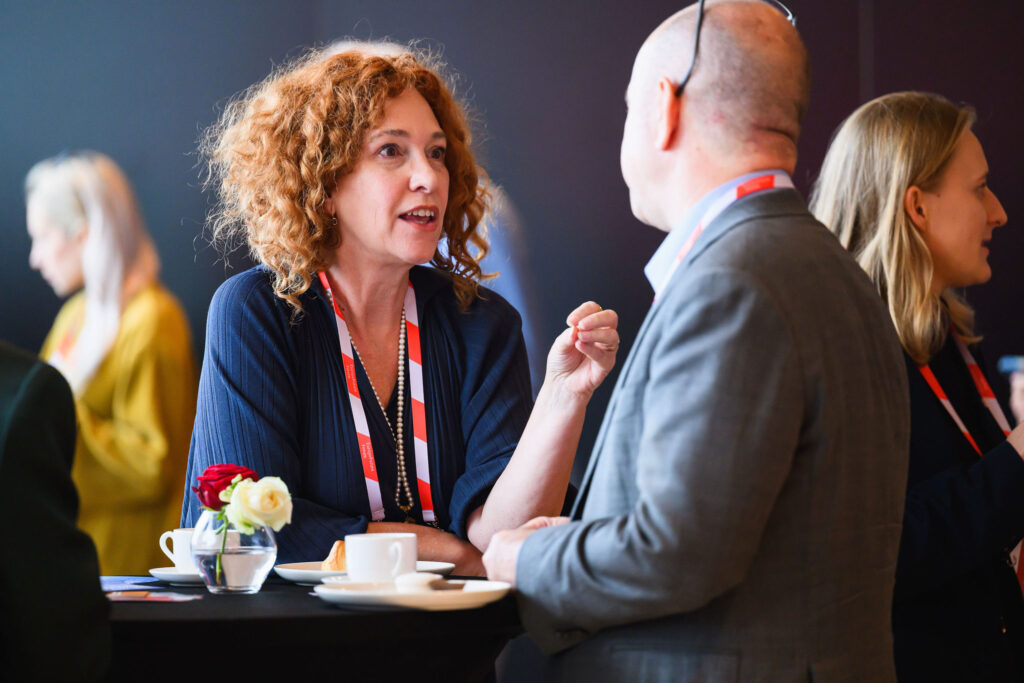
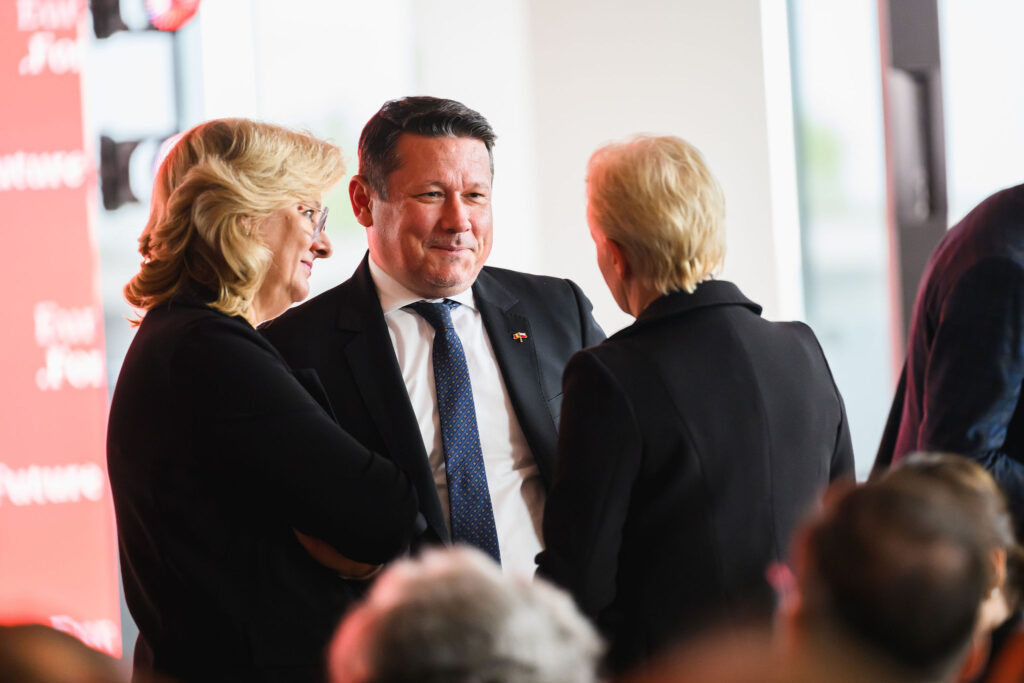
The Forum was a meeting ground where ideas, expertise and experiences converged, allowing participants to connect beyond traditional networking. Its mix of structured discussions and relaxed encounters created an environment where collaboration could emerge naturally, cultivating relationships that extend well beyond the event itself.
Democratic security comes at a price. What is yours?
Subscribe now for full access to expert analysis and policy debate on Central Europe.
Economic Security
Think Tank
How Poland Wants to Turn a Failing Train Maker into a Geoeconomic Asset
30 September 2026
Economic Security
Events
Think Tank
Europe Aligned with Iran Sanctions Long Before D-Day
8 September 2026
Events
Think Tank
Online event: One Week After Trump’s ‘D-Day’ Against Iran – What Is There for CEE Economic Security?
1 September 2026
Events
Think Tank
European Council Has Fewer Success Stories Than Failures
28 August 2026