Economic Security
Events
Think Tank
Europe Aligned with Iran Sanctions Long Before D-Day
8 September 2026

25 June 2026
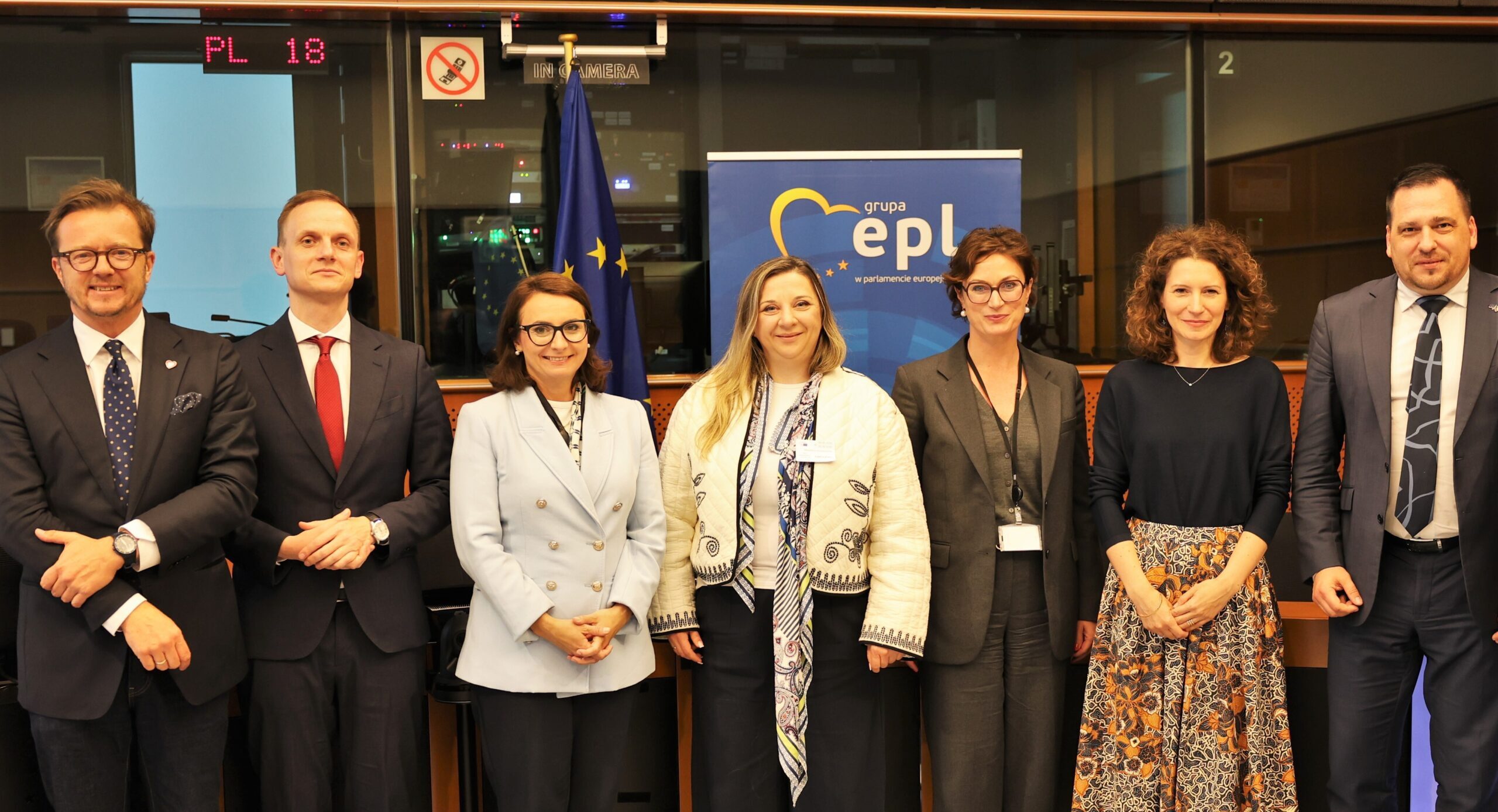
Visegrád Four (V4) countries have long been Europe’s growth engine. Business representatives and other voices agreed that the rule of law shapes Central Europe’s investment climate as directly as cost or location.
Rule of law functions as a hard economic factor. Business representatives argued that investment success directly hinges on system stability, predictability and enforcement, not just cheap labour or access to funds.
Democratic backsliding and economic vulnerability are linked, not separate. Governance weaknesses limit access to EU funds and create unfavourable investment conditions, while fostering hostile dependencies on China or Russia.
Impartiality for both EU and non-EU investors. Equal access to working judiciary, administrative and financial systems is key in dispute resolution, inviting further investment.
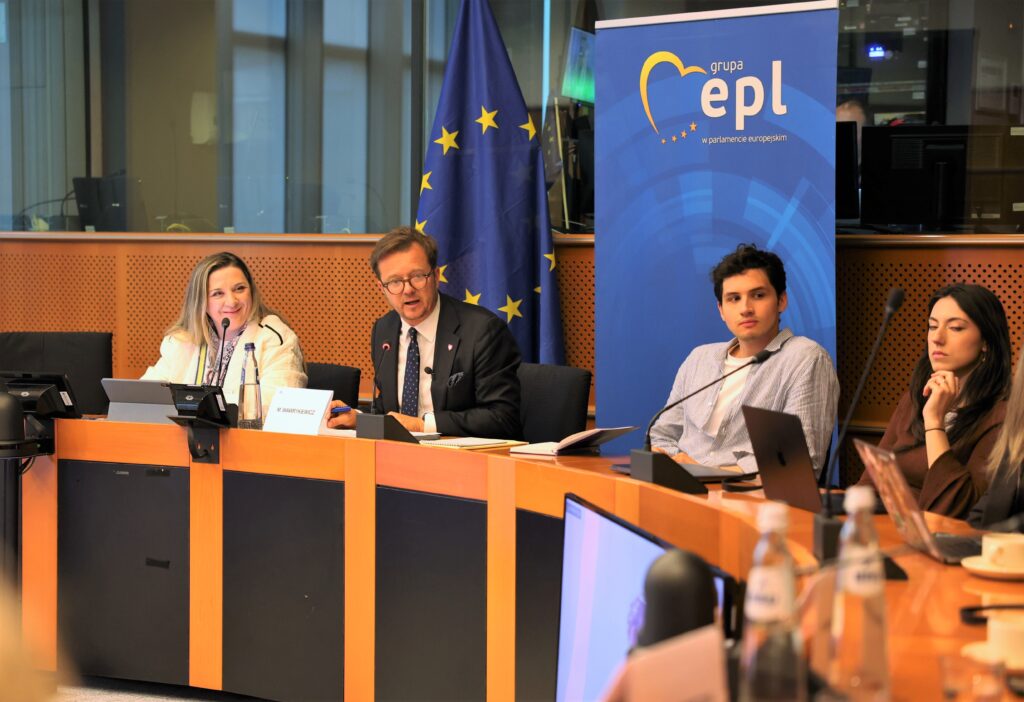
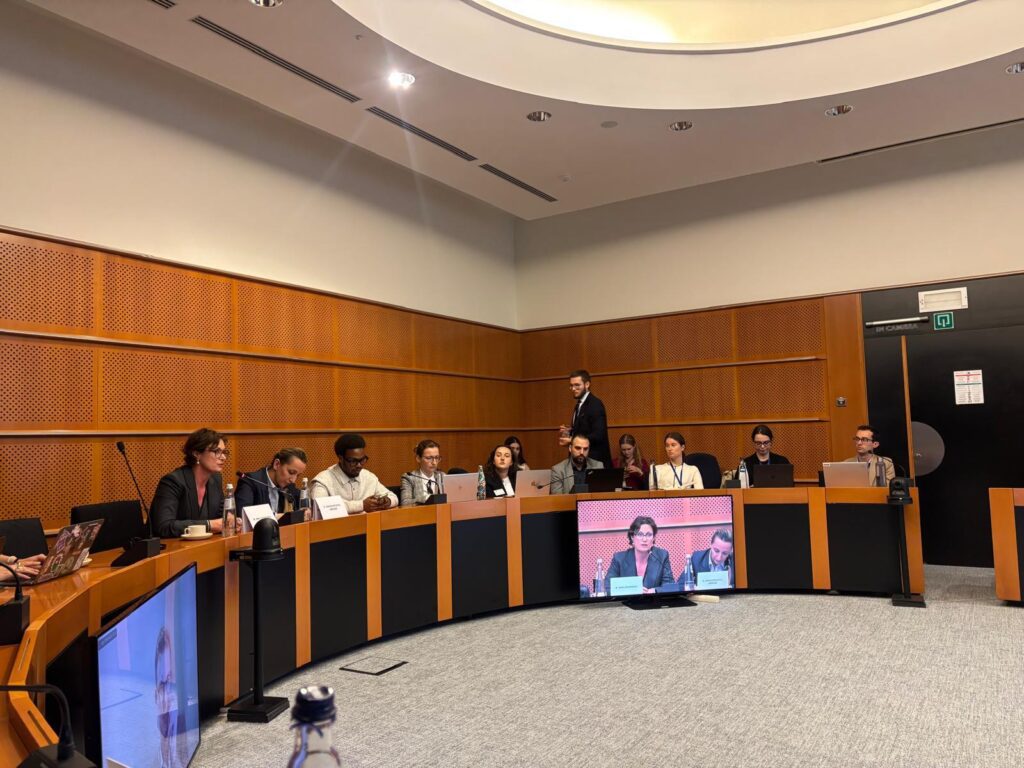
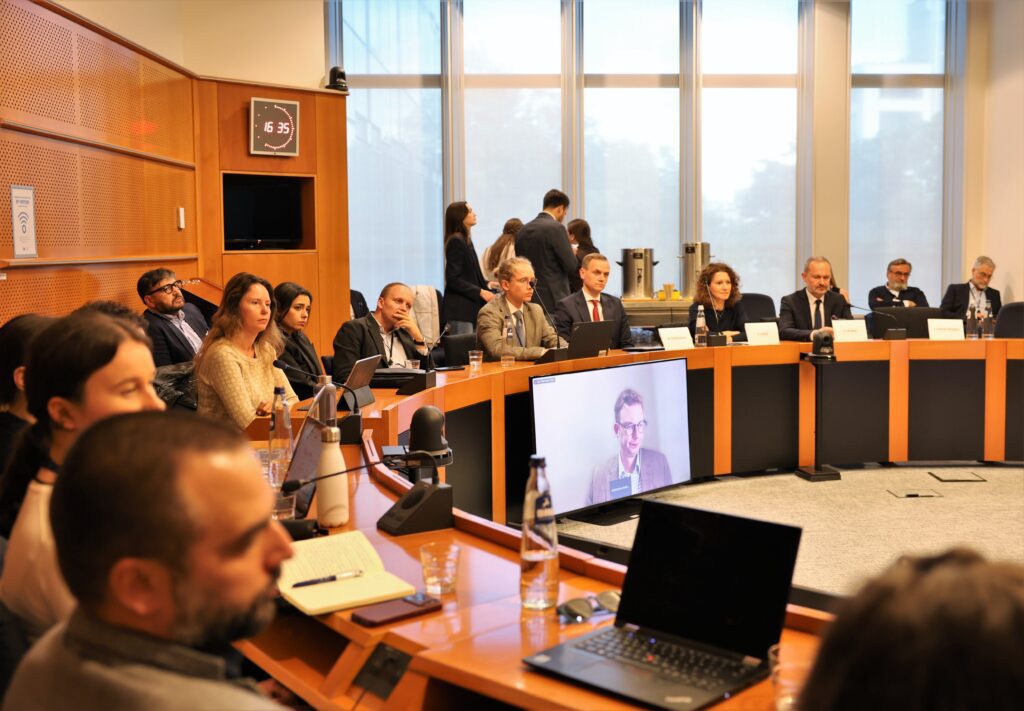
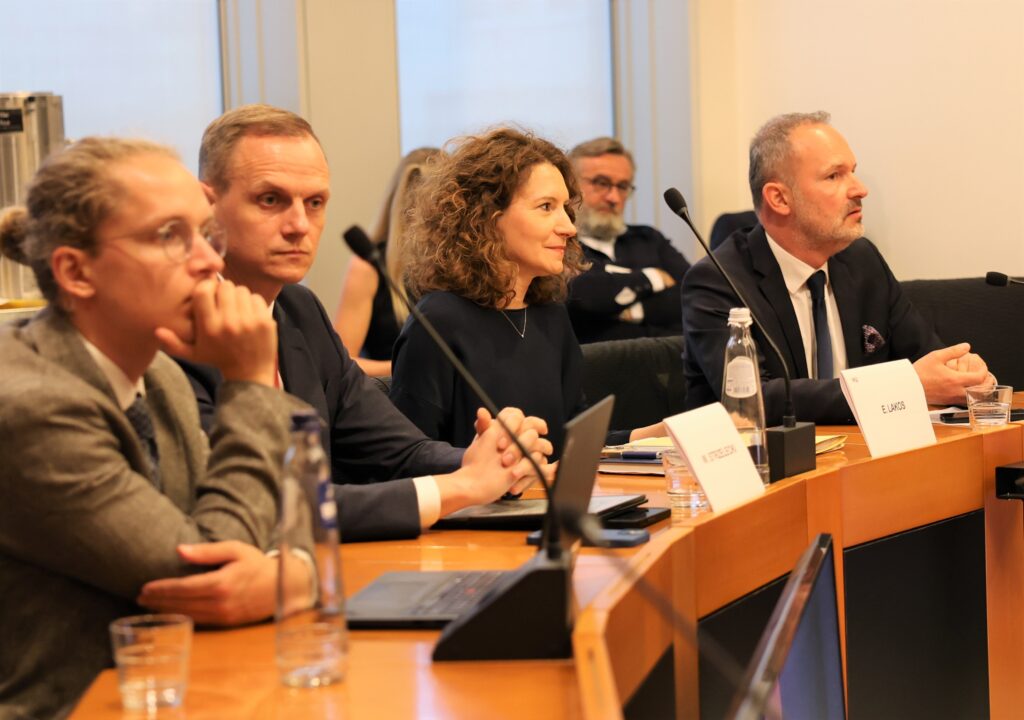
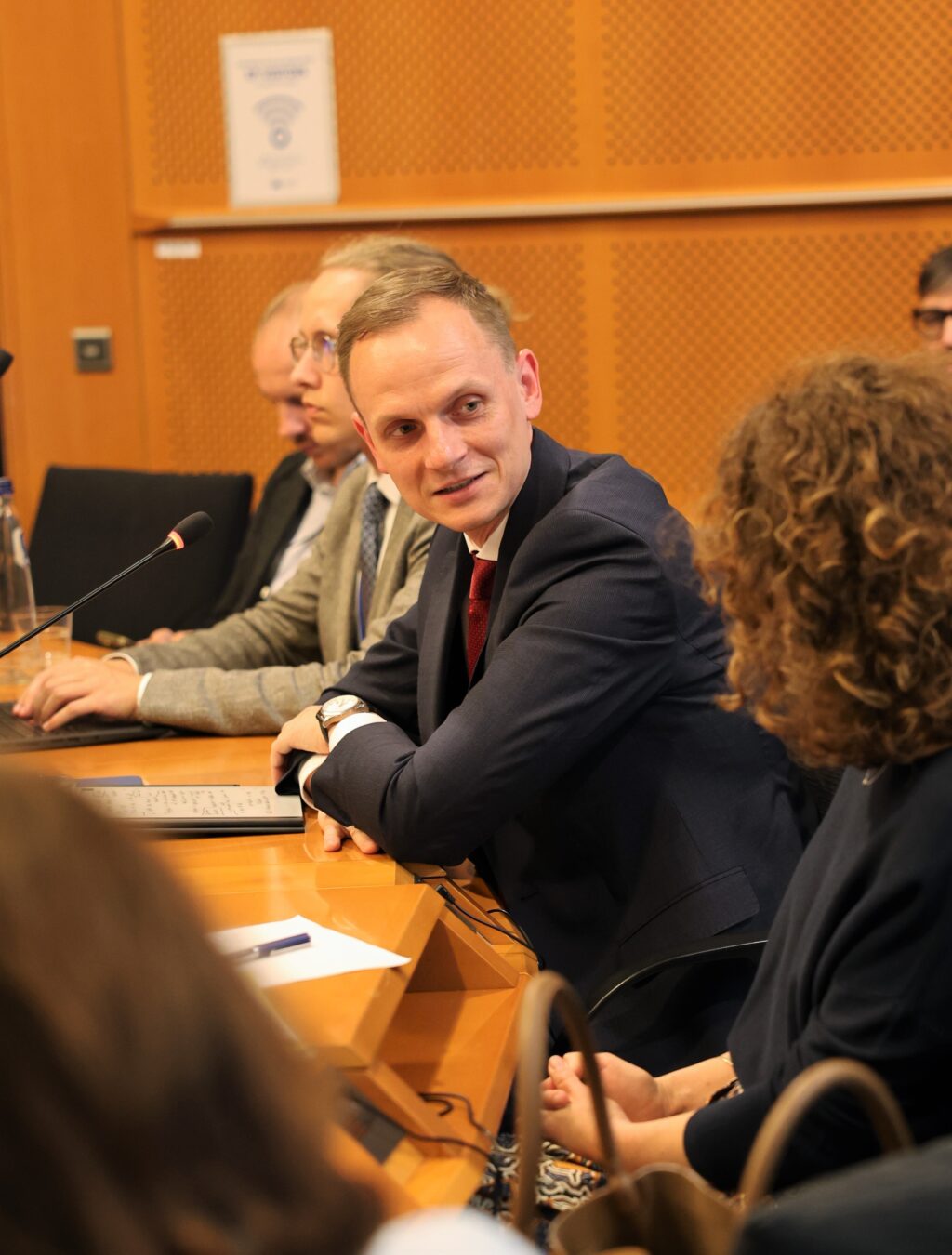
Having a free market economy has long been considered a key variable for investment growth. The European Parliament roundtable discussion organised by Visegrad Insight – Res Publica Foundation and MEP Michał Wawrykiewicz set out to argue that the story is more complex.
The event was moderated by Magda Jakubowska, vice president of the Res Publica Foundation, and featured MEPs Michał Wawrykiewicz, Krzysztof Hetman, Eszter Lakos Tomáš Zdechovský and Kamila Gasiuk-Pihowicz; Marta Mikliszańska, director of public policy at Allegro, Witold Strzelecki, managing director of Business & Science Poland, Sylwia Gregorczyk-Abram, attorney-at-law and co-founder of Free Courts; and Igor Merheim-Eyre, former head of office and adviser to MEP Miriam Lexmann.
Jakubowska set the stage, highlighting how business leaders from across Central and Eastern Europe see a strong window of opportunity for revitalised V4 cooperation. Political alignment following recent elections in Hungary, combined with Slovakia’s presidencies in both the V4 and 3SI formats (first part of 2027), creates a timely moment for delivering concrete investment returns as the region’s global positioning is strengthening.
The 2026 EU Justice Scoreboard, which is an annual review of justice systems, highlighted the importance of effective justice systems for the EU’s competitiveness and its Single Market.
The clearest business demand is in predictability and for a level playing field. Companies are not asking for lower standards but for good standards that are stable, pragmatic and enforced equally on every player, including platforms based outside the EU.
According to the participants, the most practical business grievance is market fragmentation inside the V4 itself. A single product can face four separate registration regimes for extended producer responsibility (EPR) alone, with databases available only in the national language – a barrier that falls hardest on small and medium-sized enterprises (SMEs). The proposed answer was a V4 one-stop shop and a genuine internal single market, which would turn the bloc into a model for the rest of the EU rather than a set of overlapping obstacles.
The discussion unveiled a sharper structural point about influence. The Draghi report on European competitiveness consulted more than 200 entities and not one from the region, a gap the speakers attributed partly to the region’s own passivity. The lesson drawn was that business in CEE has to organise to be heard, and that prevention through enforced rule of law is far cheaper than the slow and trap-laden work of restoring institutions after the fact.
Against this backdrop, the European Competitiveness Fund (ECF), proposed at 234 billion euros for the 2028-2034 budget cycle and carrying explicit rule-of-law conditionality, is becoming the next test of whether the bloc moves together or apart as cohesion funding winds down. ECF decides whether funding is balanced across the region or concentrated in a few capitals.
Rule of law backsliding was highlighted as a level-playing-field problem rather than only a values one, because it attracts capital that bends domestic rules, with Chinese battery and vehicle projects advanced in Slovakia and Hungary, in some cases without adequate environmental assessment, given as the pattern to watch. From the Hungarian side, participants argued that its economy was still trapped in mid-value-added assembly, dependent on an automotive sector tied to Germany and on battery investment owned largely from outside the EU, with state-capped consumer energy prices loaded onto industry.
The instruments that will shape the next decade run through the same logic the room advanced – that institutional quality and economic performance are inseparable. ECF, the 150-billion-euro Security Action for Europe (SAFE) facility and the European Defence Industry Programme (EDIP) all tie access to funds to governance, which makes rule of law a direct commercial variable for any firm bidding into them.
For V4 businesses, the binding constraint on growth is not capital or talent but the predictability that only enforced and evenly applied rule of law provides.
We thank everyone for joining us in Brussels.
Democratic security comes at a price. What is yours?
Subscribe now for full access to expert analysis and policy debate on Central Europe.
Economic Security
Events
Think Tank
Europe Aligned with Iran Sanctions Long Before D-Day
8 September 2026
Events
Think Tank
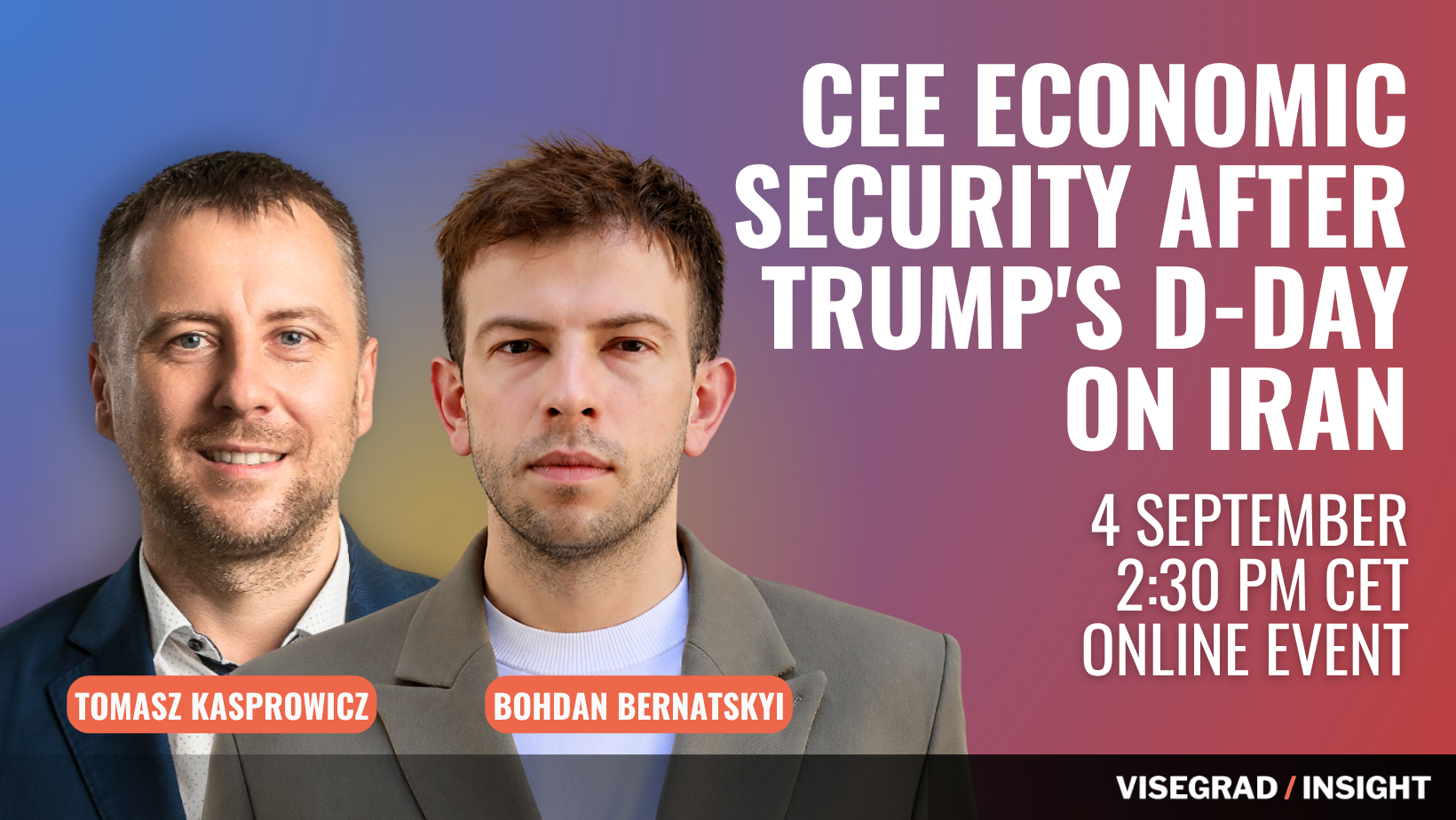
Online event: One Week After Trump’s ‘D-Day’ Against Iran – What Is There for CEE Economic Security?
1 September 2026
Events
Think Tank
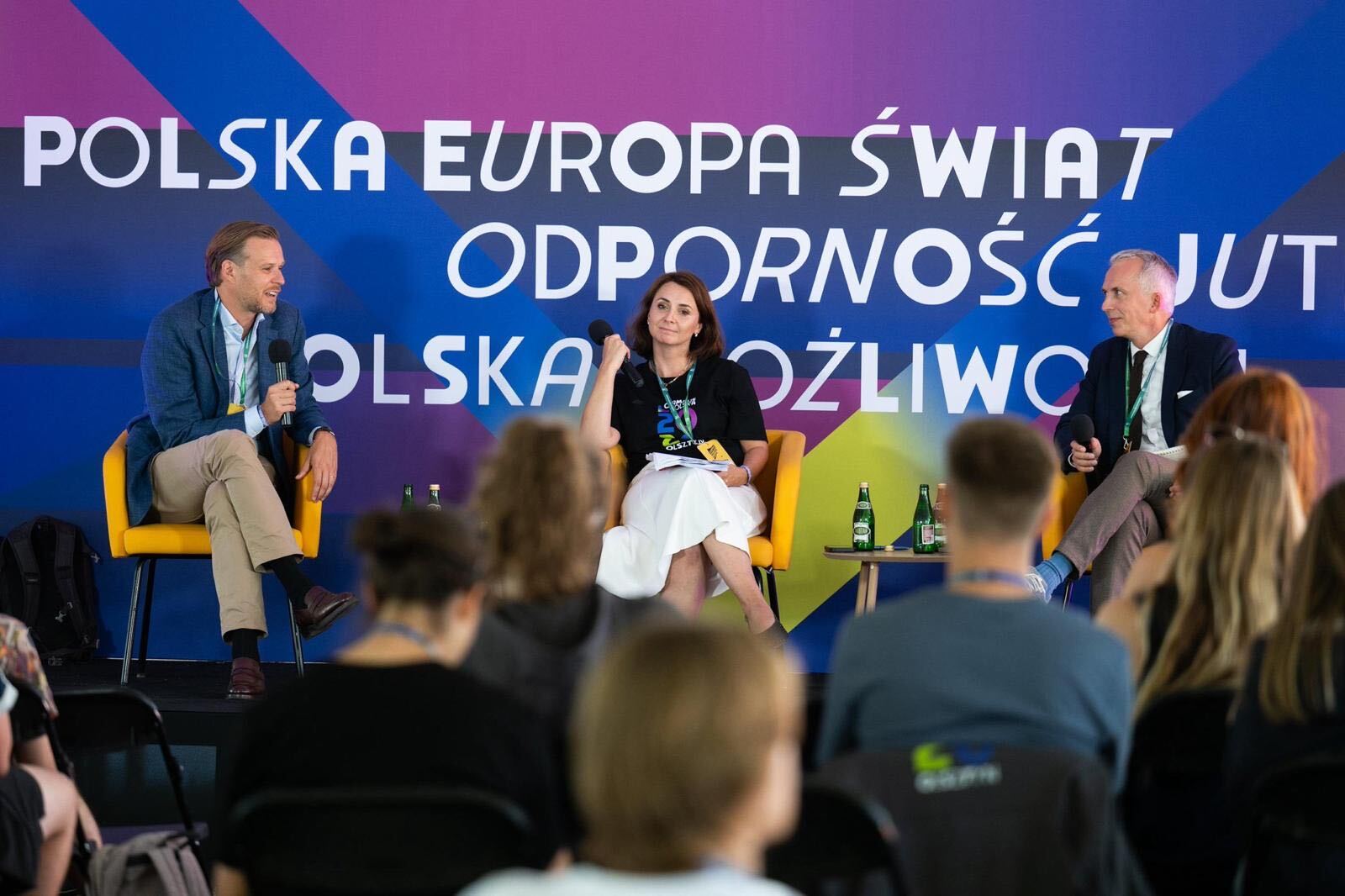
European Council Has Fewer Success Stories Than Failures
28 August 2026
Commentary
Democratic Security
Think Tank
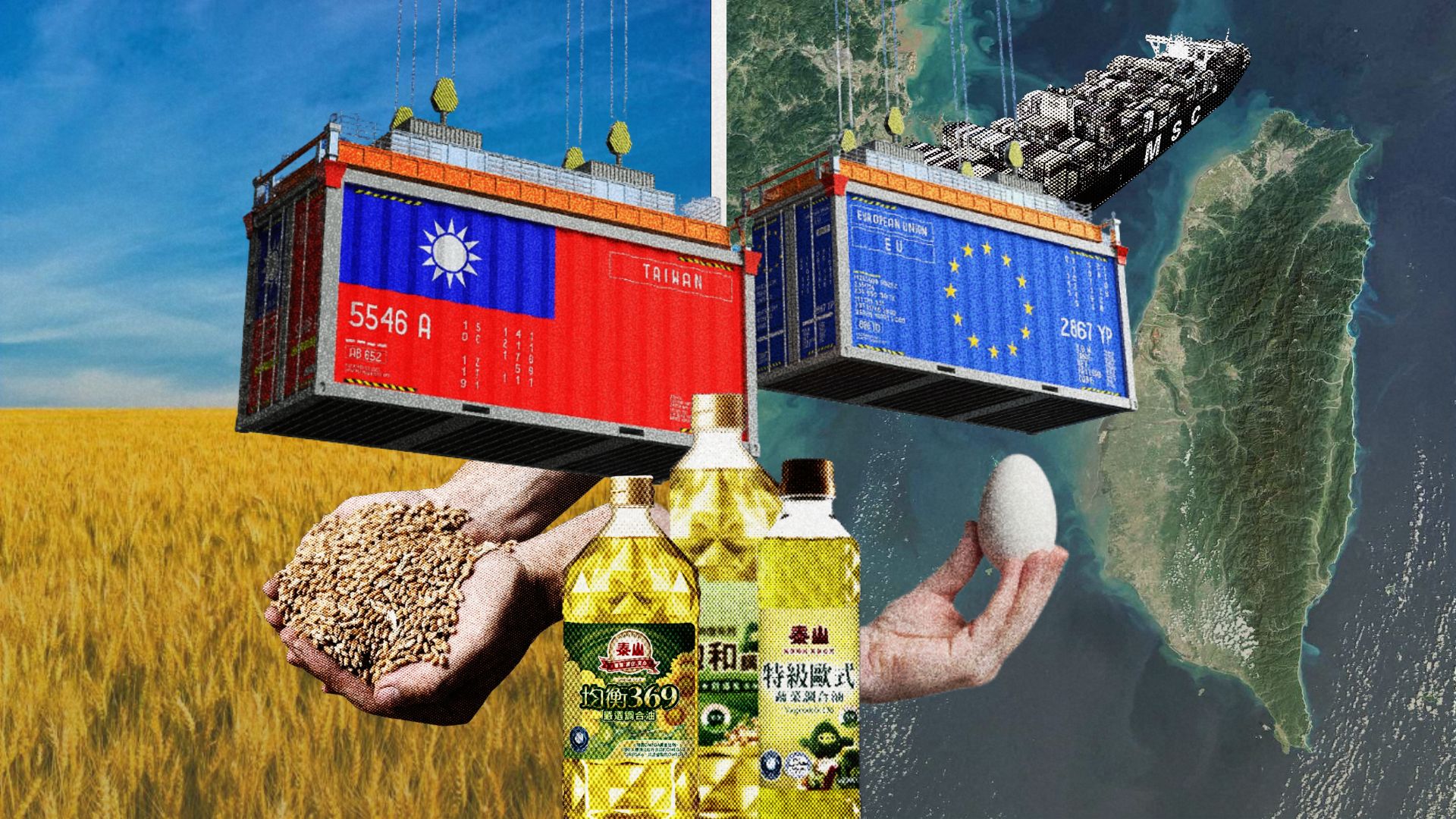
Greasy Lies. Food Crises as Fuel for Chinese and Russian Disinformation
6 August 2026