Events
Think Tank
Online event: One Week After Trump’s ‘D-Day’ Against Iran – What Is There for CEE Economic Security?
1 September 2026

23 July 2026
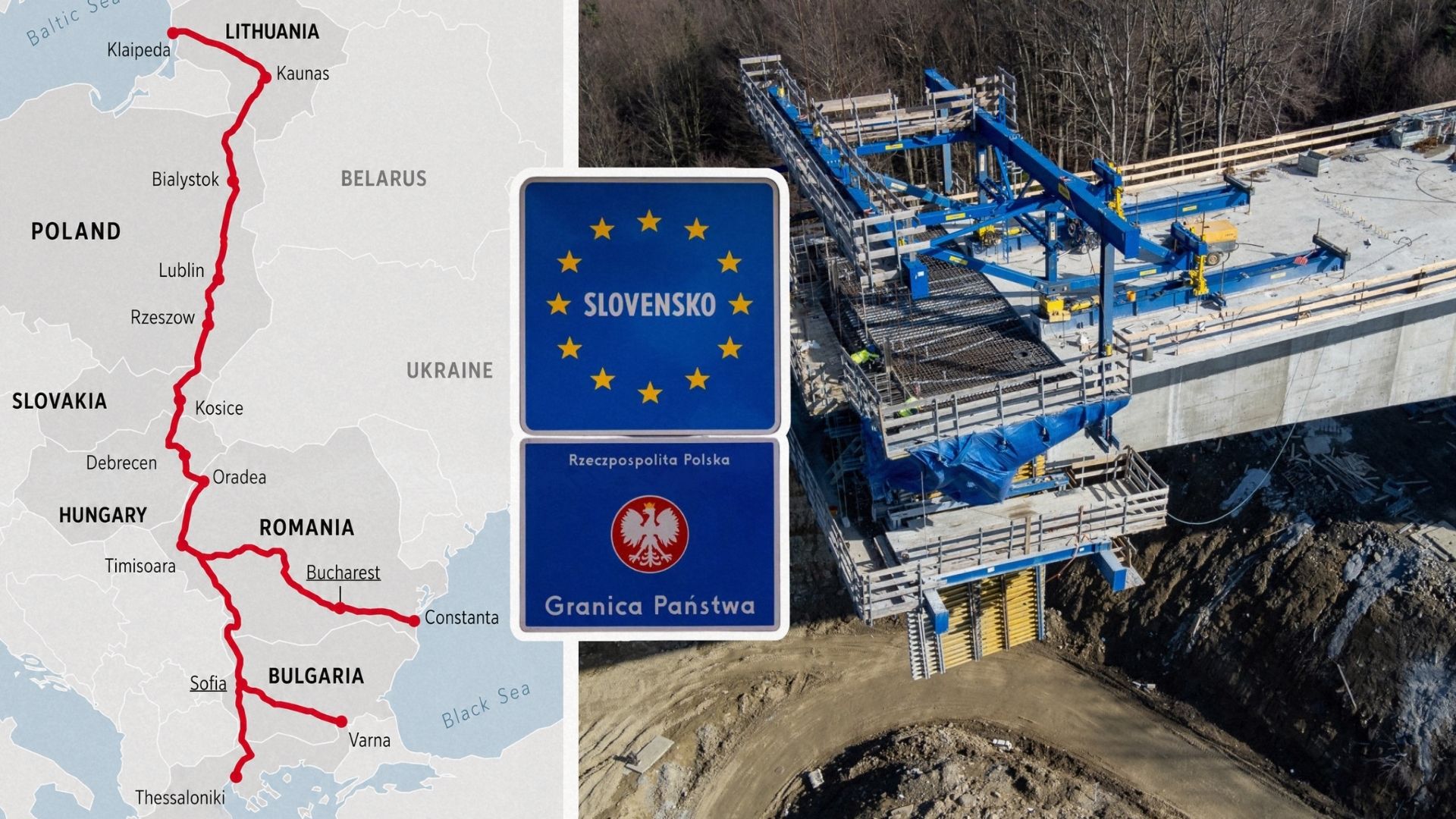
For nearly a decade, the Three Seas Initiative produced little more than group photos. Then two Slovak and Polish officials spent an afternoon in Bratislava.

The Three Seas Initiative (3SI) summits have followed a pattern since the format’s inception in 2015. Presidents from member and associated states assemble, a communiqué is agreed in advance, someone invokes the north-south corridor, and the delegations disperse to airports with nothing that a contractor could act upon.
3SI was born out of a genuinely serious idea – completing Europe through energy, transport and telecommunications links. From the very beginning, it was constrained to a strictly presidential setting that, because of the scale of the ambition, overshadowed the governmental Visegrad Group (V4) format. Putting megalomania aside, there is now real progress within its reach precisely because the two regional formats started a dialogue with one another.
There is something remarkable about where the format finally showed a pulse. On 21 July 2026, in Bratislava, Rastislav Chovanec, state secretary at the Slovak Ministry of Foreign Affairs, received a Polish delegation led by Sebastian Barkowski, who runs the economic section at the Polish Ministry of Foreign Affairs at deputy director level.
With no president attending or a family photograph taken, the two sides went through the priorities of Slovakia’s upcoming presidency in the Initiative, which culminates in a summit and business forum in Bratislava in April 2027. They also reviewed an idea put forward by Visegrad Insight that came out of the Dubrovnik Summit in April, about V4 governments in their rotating presidencies setting the 3SI agenda deeper beyond what heads of state can deliver.
According to the press release by the Slovak press agency the envoys agreed that cooperation has to rest on sound economic principles and on returns that investors can calculate, while narrowing the gaps between the participating economies.
Now read that sentence again and consider what it excludes. Apart from the major news that Slovakia, previously reluctant to engage in the 3SI, now plans to take on board Polish experience in the forum, it also excludes the presidential theory of the format, under which the Initiative exists to arrange meetings between heads of state and to attract American attention.
That theory had one spectacular success, the Warsaw summit of 2017 with US President Donald Trump in attendance, and one instructive failure: of the one billion dollars Washington promised the Three Seas Initiative Fund, less than 300 million dollars arrived. Most of the costs are borne by European partners – primarily Poland – and capitalise on the EU regional infrastructure funds.
This February – when Poland’s foreign policy discourse was embroiled in a debate on whether the president or the prime minister should own the initiative – we argued that it should be handed to the government. Warsaw should treat 3SI as the infrastructure of the region’s collective economic security. Since governments handle budgets to maintain this infrastructure, the ball should be in their hands.
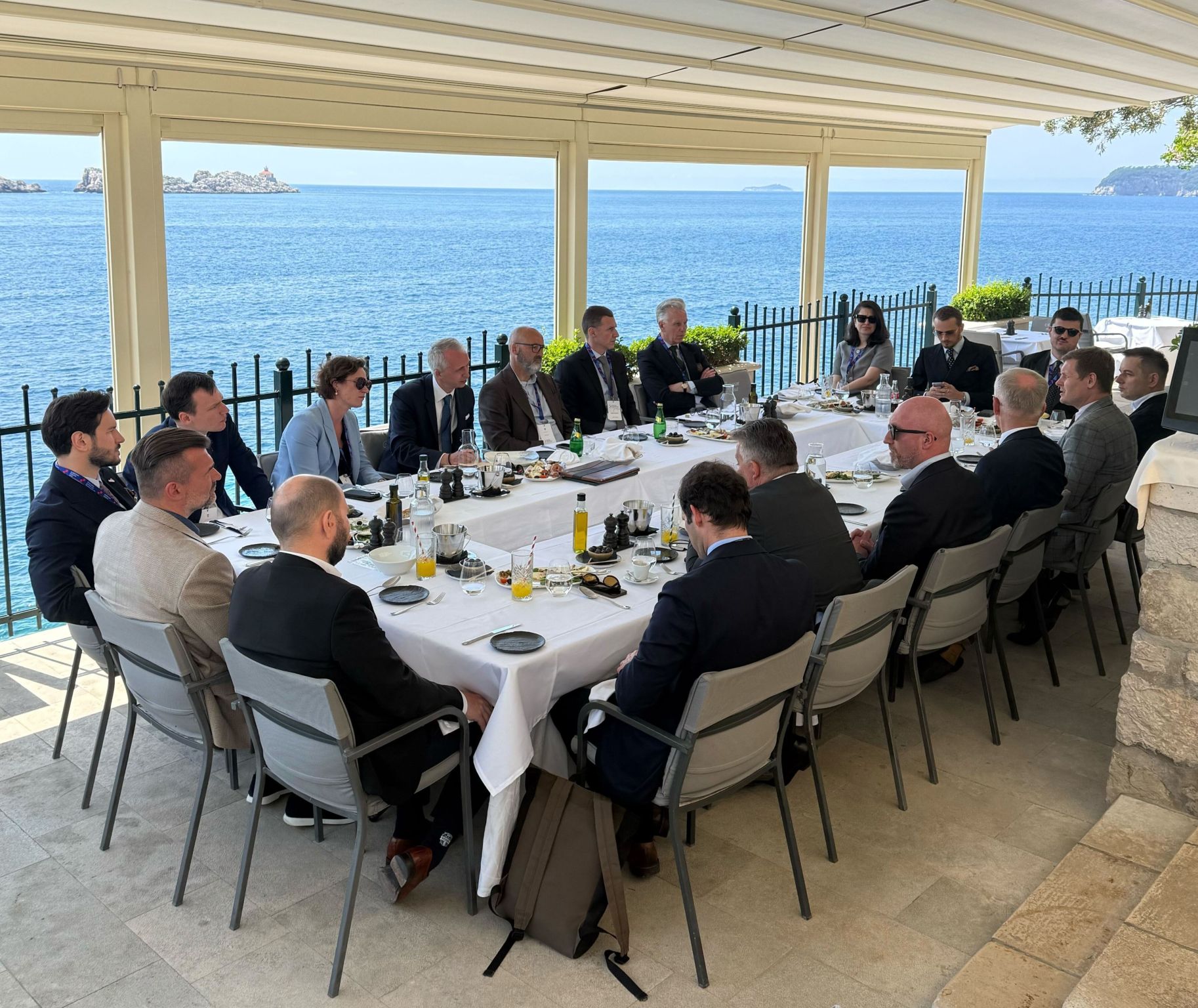
Two months later, at the sidelines of the Three Seas Business Forum in Dubrovnik, Visegrad Insight convened business leaders and officials from the V4 countries and Croatia. The note that went afterwards to the four governments asked for unglamorous things: ministerial working groups with business in the room, a single registration point for Extended Producer Responsibility obligations so that a mid-sized exporter does not need four sets of lawyers, full use of the liquefied natural gas terminals already built in Poland and Croatia, and a common line in Brussels before the negotiations rather than after them.
Read the full note HERE
Whether any of that reached the room in Bratislava, we cannot say and will not claim. Officials read widely and credit themselves. What we can observe is that the language now coming out of the Slovak presidency is the language of the people who actually pay for things – not the language of the people who simply initiate them.
Poland’s standing among the largest EU economies rests on the claim that it speaks for the eastern flank. The claim is only as good as the connections behind it, and the connections remain poor. Military cargo from Warsaw still cannot reach Vilnius or Tallinn by rail. Sending goods to Sofia takes twice as long as sending them to Paris, though Sofia is four hundred kilometres nearer. A country cannot credibly present itself as the keystone of a region it cannot reach on time.
There is also another reason to take Bratislava seriously. A Slovak consecutive presidency, holding both the V4 chair from July and the Three Seas chair into 2027, is an opening for the pragmatists in Bratislava to come out of diplomatic isolation in Europe, especially important in the context of national elections in 2027.
Three things are worth watching for in this context.
First, whether ministerial working groups on economy, energy and digital are actually standing up this autumn – expanding their V4 agendas to embrace the 3SI perspective.
Second, Poland and Slovakia will hold a joint position in the negotiations on the next Multiannual Financial Framework, where innovation money will be handed out on excellence criteria and where any geographic balancing formula would quietly redistribute it westwards.
And finally, whether the revision of the EU Emissions Trading System produces one regional position or four national ones.
Bratislava has committed itself to a standard it can be measured against, which is a rarer act of political courage than it sounds.
Warsaw should now put projects on the table heavy enough that walking away from them would cost somebody an election.
After years of talking about big megaprojects, one afternoon of officials talking in Bratislava about return on investment may yet push forward an actual railway track. Godspeed in that direction!
Featured illustration uses content elements by Shutterstock, Bartosz Wysocki/GDDKiA, Suwalki24.
Democratic security comes at a price. What is yours?
Subscribe now for full access to expert analysis and policy debate on Central Europe.
Events
Think Tank
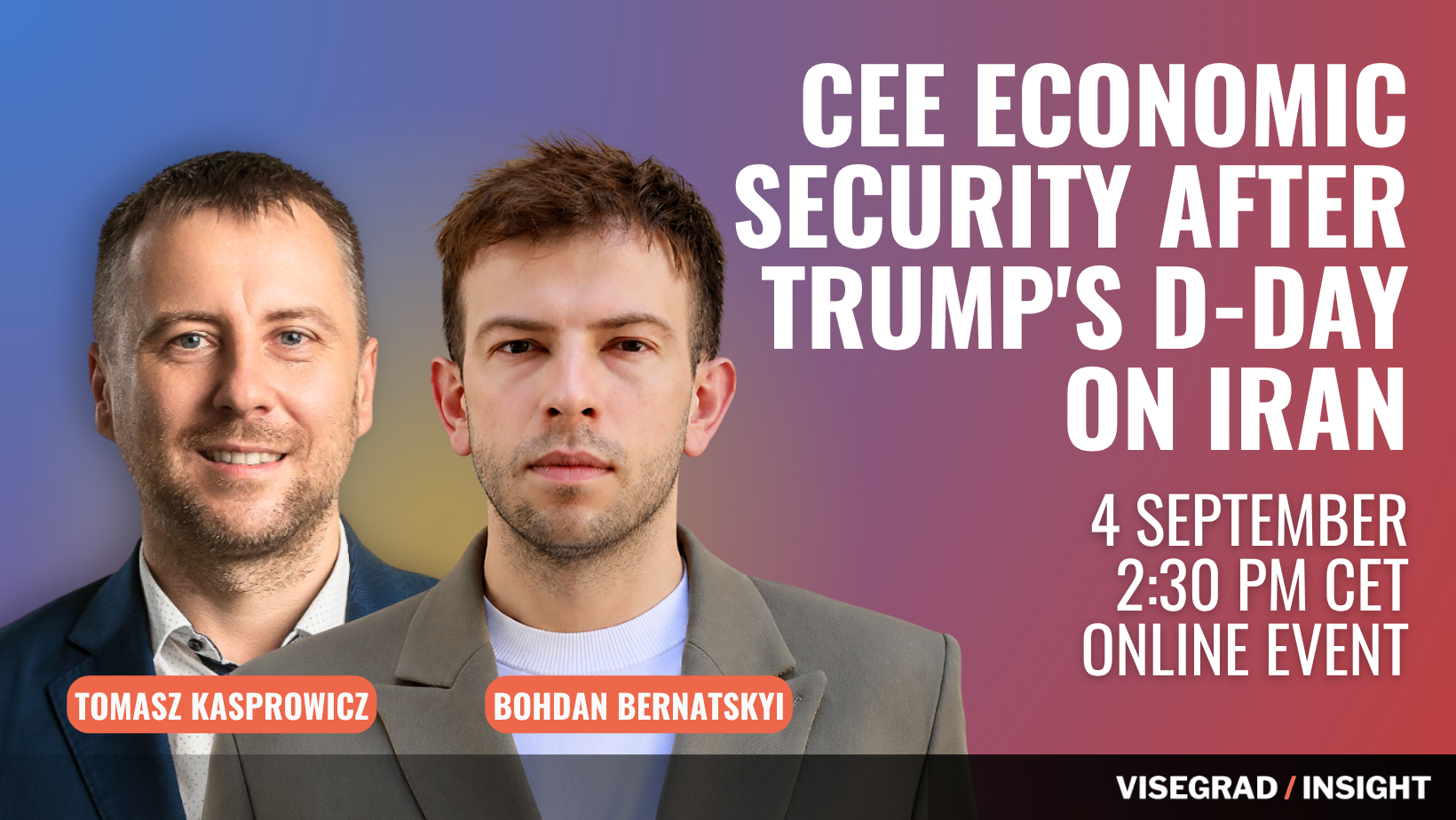
Online event: One Week After Trump’s ‘D-Day’ Against Iran – What Is There for CEE Economic Security?
1 September 2026
Events
Think Tank
European Council Has Fewer Success Stories Than Failures
28 August 2026
Analysis
Economic Security
Why Fuel Is Cheapest in Poland and Who Pays for It
25 August 2026
Commentary
Economic Security
Robert Fico Is Selling Off Slovakia
13 August 2026