Events
Think Tank
How Europe Can Build the Capacity to Act Together
2 October 2026

26 February 2026

The event explored the domestic political logic and European implications of this strategy, particularly in the context of EU energy policy and institutional trust.
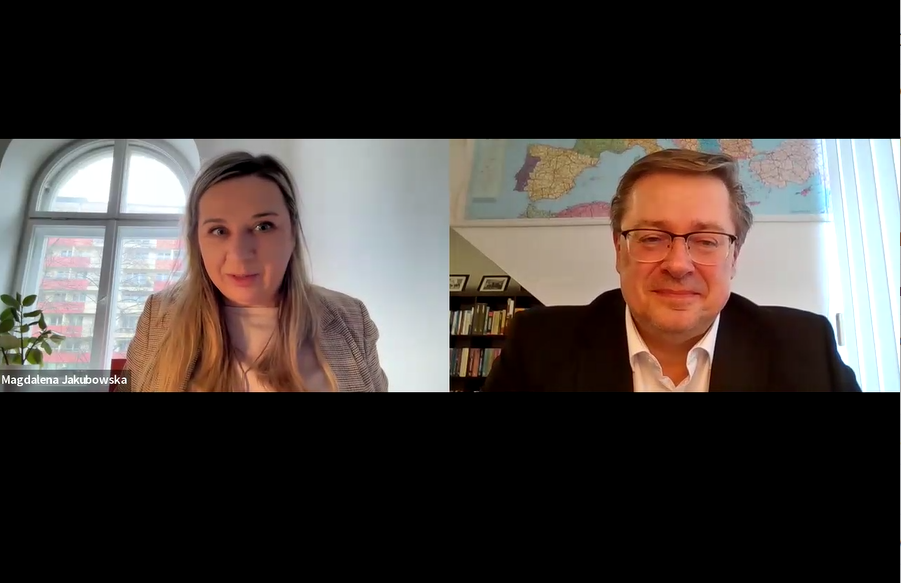
On 25 February Visegrad Insight organised an online session to address a significant interest in Michal Vašečka’s recent analysis, ‘How Rent Seeking Drives Fico’s Brussels Strategy’, which examines how Slovakia’s energy crisis is being leveraged in negotiations with Brussels.
Scroll down to watch the video from the recorded part of the discussion.
The discussion framed Slovakia’s energy dependence as more than a technical problem. It was presented as a stress test for democratic resilience, rule of law and Slovakia’s place in the European Union (EU), with Prime Minister Robert Fico using energy politics to shift blame, extract concessions and normalise a more confrontational stance towards Brussels.
Vašečka argued that Slovakia has remained reliant on Russian oil and gas through established transport routes while other countries in the region have made adjustments, including Poland, Lithuania and the Czech Republic.
He highlighted that Slovakia’s refinery, Slovnaft, has repeatedly said it needs time and technology upgrades to process non-Russian oil due to differences in composition but he argued there has been little visible progress. Vašečka also presented energy dependence as intertwined with democratic backsliding, arguing that heavy reliance on oil and gas often correlates with weaker democratic performance.
The discussion placed Slovakia’s domestic context in stark terms, describing democratic and rule of law deterioration alongside what he portrayed as deep institutional dysfunction and a sharply weakening economy, which he said is now the slowest among the Visegrad Four (V4).
Vašečka outlined several possible drivers behind Fico’s insistence on maintaining Russian oil and gas flows, ranging from ‘business as usual’ inertia and legacy contracts to ideological and psychological factors. He also claimed Fico and Viktor Orbán share a belief that the EU project is weakening and that Central European governments should maximise EU funds while it lasts, treating the Union as business cooperation rather than a community.
In Vašečka’s telling, Fico’s framing of Slovakia’s energy crisis is a strategic tool: it shifts blame at home, pressures the EU for concessions and feeds a broader project of weakening EU unity, with long-term costs for Slovakia’s credibility and influence.
The discussion set up the off-the-record session as a space for more direct questions on financial incentives and Fico’s business linkages.
Democratic security comes at a price. What is yours?
Subscribe now for full access to expert analysis and policy debate on Central Europe.
Events
Think Tank
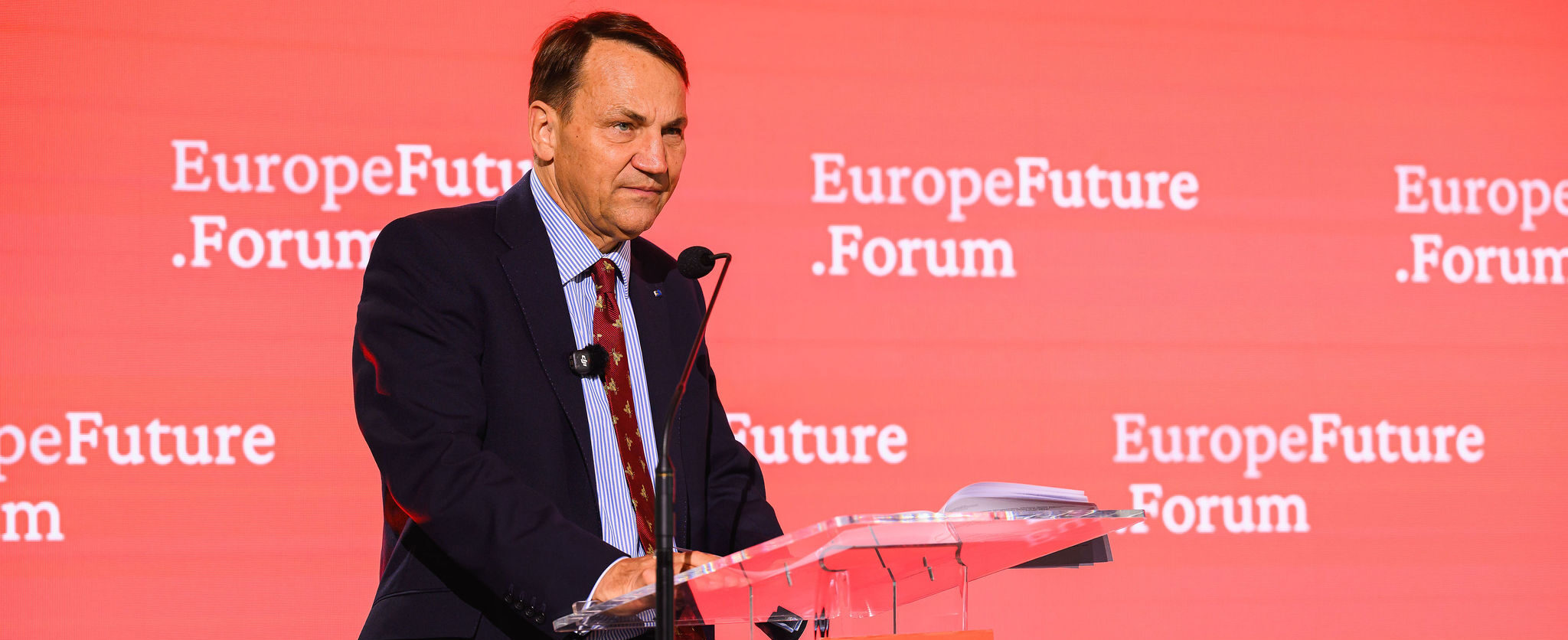
How Europe Can Build the Capacity to Act Together
2 October 2026
Economic Security
Think Tank
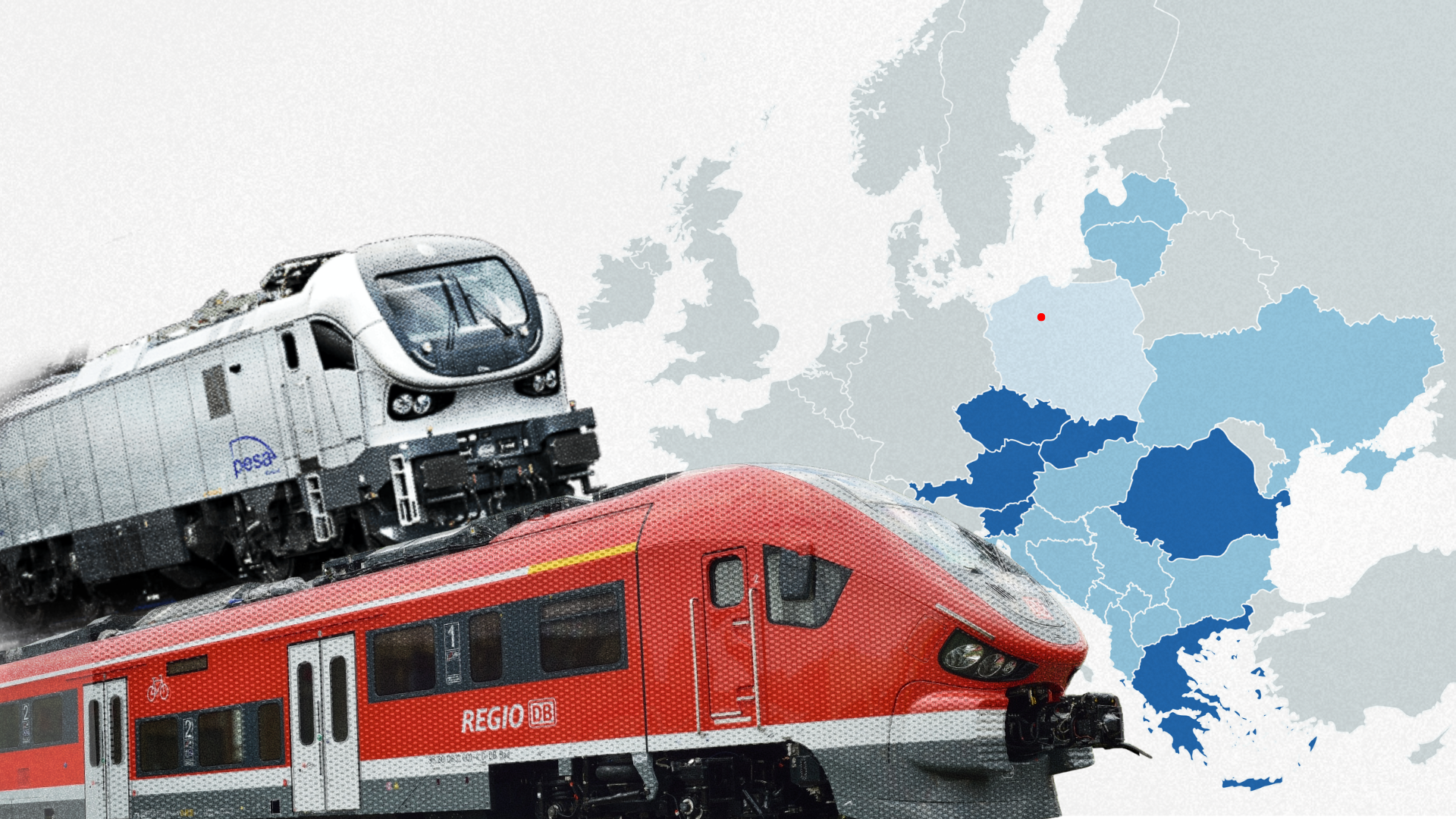
How Poland Wants to Turn a Failing Train Maker into a Geoeconomic Asset
30 September 2026
Economic Security
Events
Think Tank
Europe Aligned with Iran Sanctions Long Before D-Day
8 September 2026
Events
Think Tank
Online event: One Week After Trump’s ‘D-Day’ Against Iran – What Is There for CEE Economic Security?
1 September 2026