Commentary
Democratic Security
Think Tank
Greasy Lies. Food Crises as Fuel for Chinese and Russian Disinformation
6 August 2026

16 January 2026

On 15 January, we sat down with Monika Sus, a professor of political science at the Institute of Political Studies at the Polish Academy of Sciences to discuss the following questions:
Find the video from the first part of the event at the bottom of the page.
Wojciech Przybylski set the tone by warning that European leaders increasingly describe the moment as a ‘pre-war period’, with 2026 potentially the last year in which European Union (EU) and North Atlantic Treaty Organisation (NATO) members avoid direct military engagement beyond the ongoing Russia-Ukraine war. He framed Central Europe’s post-1989 bargain as a triad of security guarantees, democratic freedoms and economic prosperity, arguing that external shocks and domestic politics are putting pressure on all three at once.
The discussion focused on how Europe should brace for geopolitical turbulence in 2026, including uncertainty in United States (US) policy, Russia’s continued aggression against Ukraine, China’s long game and the domestic political cycles that can either sustain or fracture European cohesion.
A recurring theme was that Europe is being pushed into a more transactional world, where alliances, supply chains and deterrence are negotiated under pressure rather than designed at leisure. The speakers described China as a ‘silent power’ that benefits from Western polarisation and warned against strategic dependency, especially in critical supply chains.
The event’s subtext was blunt: Europe can keep issuing communiqués, but adversaries count shells, drones and political disruption. The ‘balance of power’ language, which many Europeans hoped was a museum exhibit, is back in circulation.
Several interventions highlighted constraints that slogans do not resolve: manpower shortages, contested debates on conscription and the limits of symbolic deployments. Sus noted that even if conscription is ‘unfrozen’, it will be politically difficult.
The speakers’ core message was that Europe’s 2026 choices will be judged by outcomes, not intentions, especially on deterrence, resilience against hybrid threats and the credibility of enlargement.
Speakers:
Monika Sus is a professor of political science at the Institute of Political Studies at the Polish Academy of Sciences (Warsaw, Poland) and part-time professor at the Robert Schuman Center for Advanced Studies at the European University Institute in Florence, as co-leads the European Union’s Security Initiative (EUSI). She is also an adjunct faculty member at the Hertie School (Berlin, Germany) and member of Team Europe Direct Poland.
Wojciech Przybylski is leading strategic foresight on EU affairs to improve democratic security of Poland in Europe. He organises EuropeFuture.Forum as the Editor-in-Chief of Visegrad Insight and the President of Res Publica Foundation. An advisory board member at LSE IDEAS Ratiu Forum, European Forum of New Ideas. A guest lecturer at the Foreign Service Institute for the U.S. Government, Warsaw University and CEU Democracy Institute.
Democratic security comes at a price. What is yours?
Subscribe now for full access to expert analysis and policy debate on Central Europe.
Commentary
Democratic Security
Think Tank
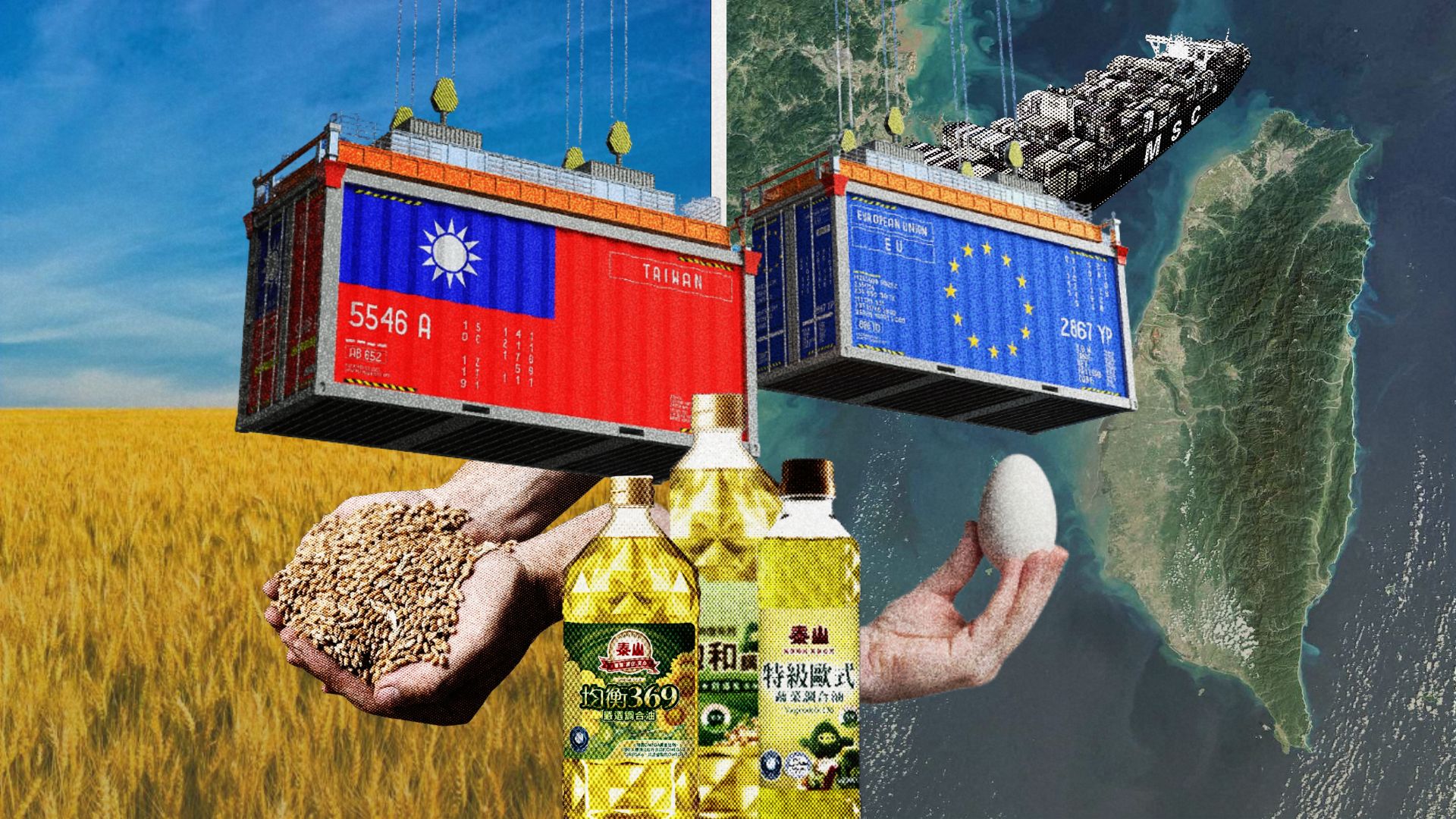
Greasy Lies. Food Crises as Fuel for Chinese and Russian Disinformation
6 August 2026
Commentary
Democratic Security
Think Tank
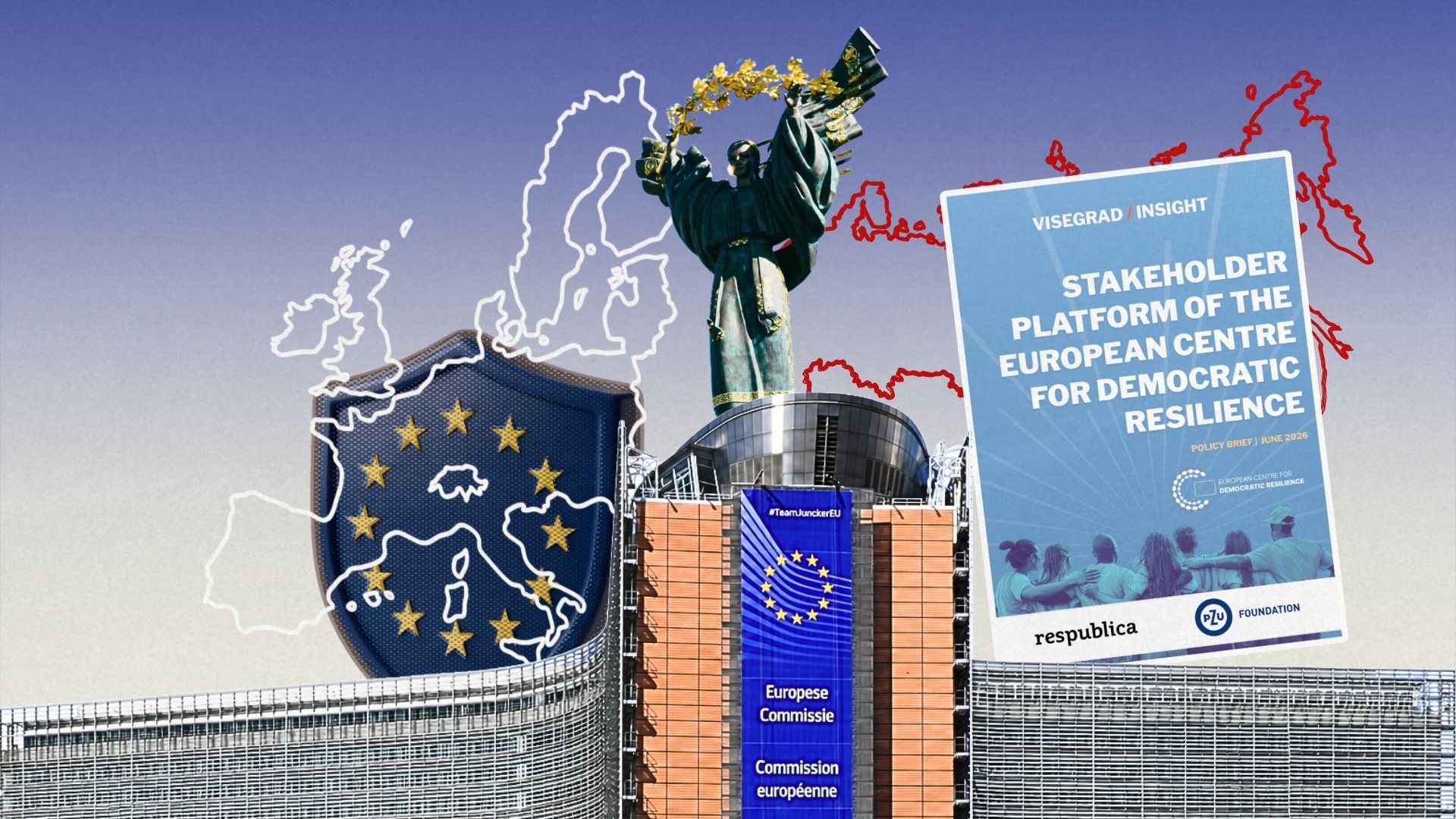
Brussels Is Planning the Platform Ukraine Already Built
29 July 2026
Economic Security
Think Tank
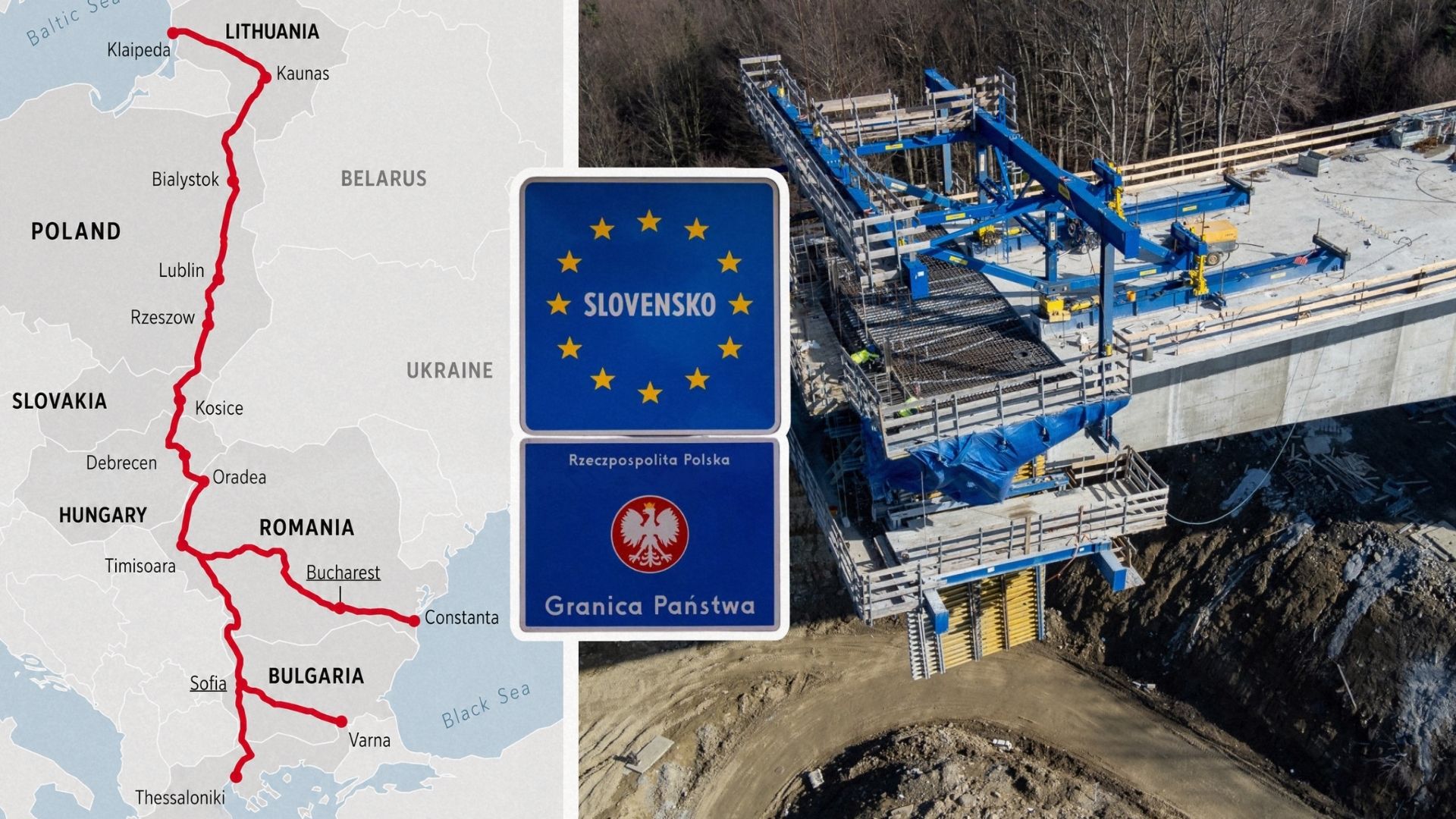
Slovakia Partners Up with Poland on Pragmatic Three Seas Initiative
23 July 2026
Commentary
Democratic Security
Think Tank
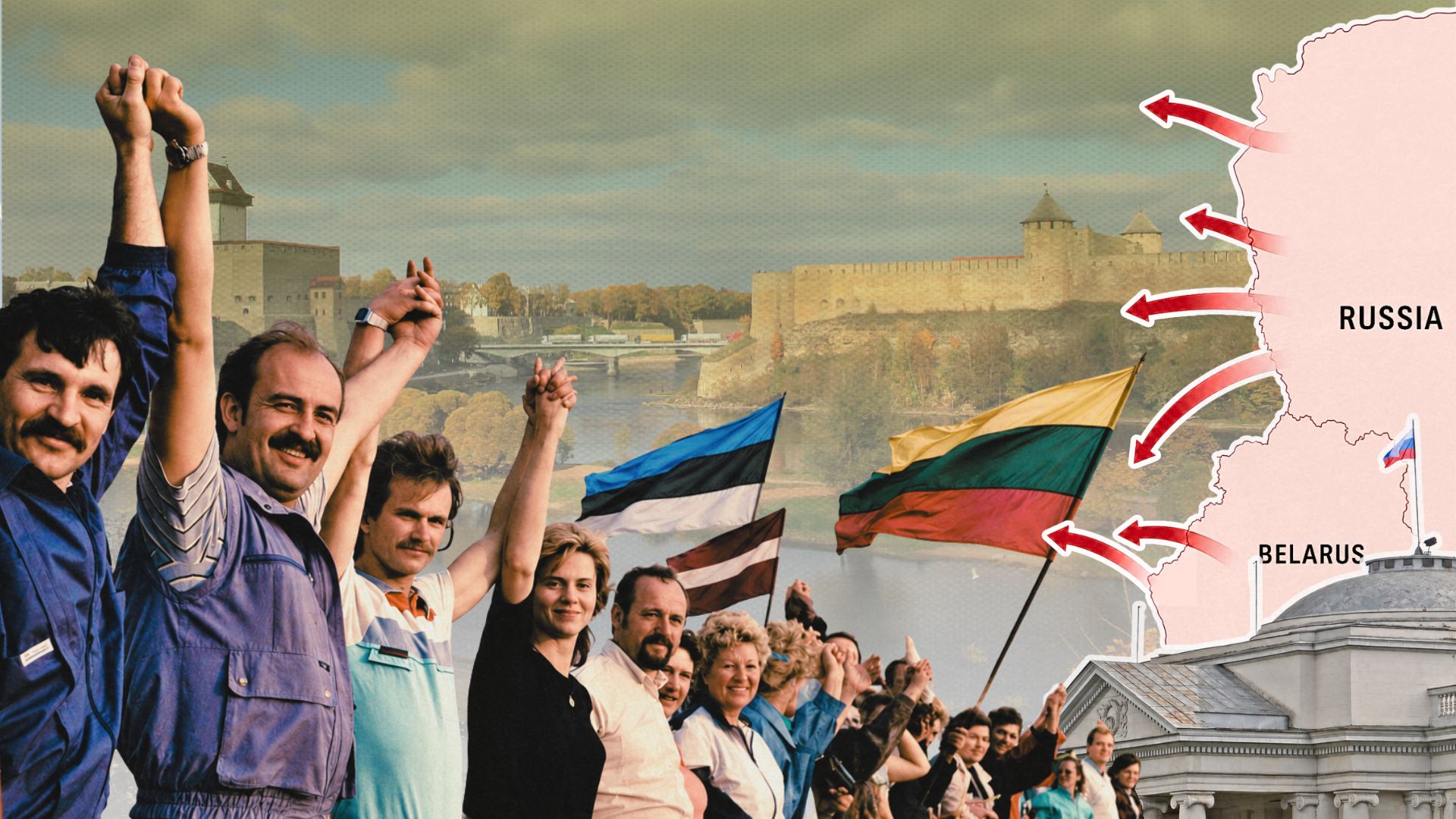
Citizens Are First in Line Against Russia’s Sabotage in CEE
21 July 2026