Viktor Orbán was quick to celebrate President-elect Donald Trump’s victory last week – declaring that the duo have big plans for the future. But despite the Hungarian PM’s positioning, is Donald Tusk set to become the actual leader on EU-US relations?
Upcoming on Visegrad Insight:
Oleksandr Kostryba looks at rule of law demands in Ukrainian EU integration
Matej Šimalčík explains why CEE should care about the Indo-Pacific
Staś Kaleta breaks down his interview Stephanie Fenkart, Director at the International Institute for Peace
Orbán enters European spotlight as US election bet pays off
GLOBAL/REGIONAL
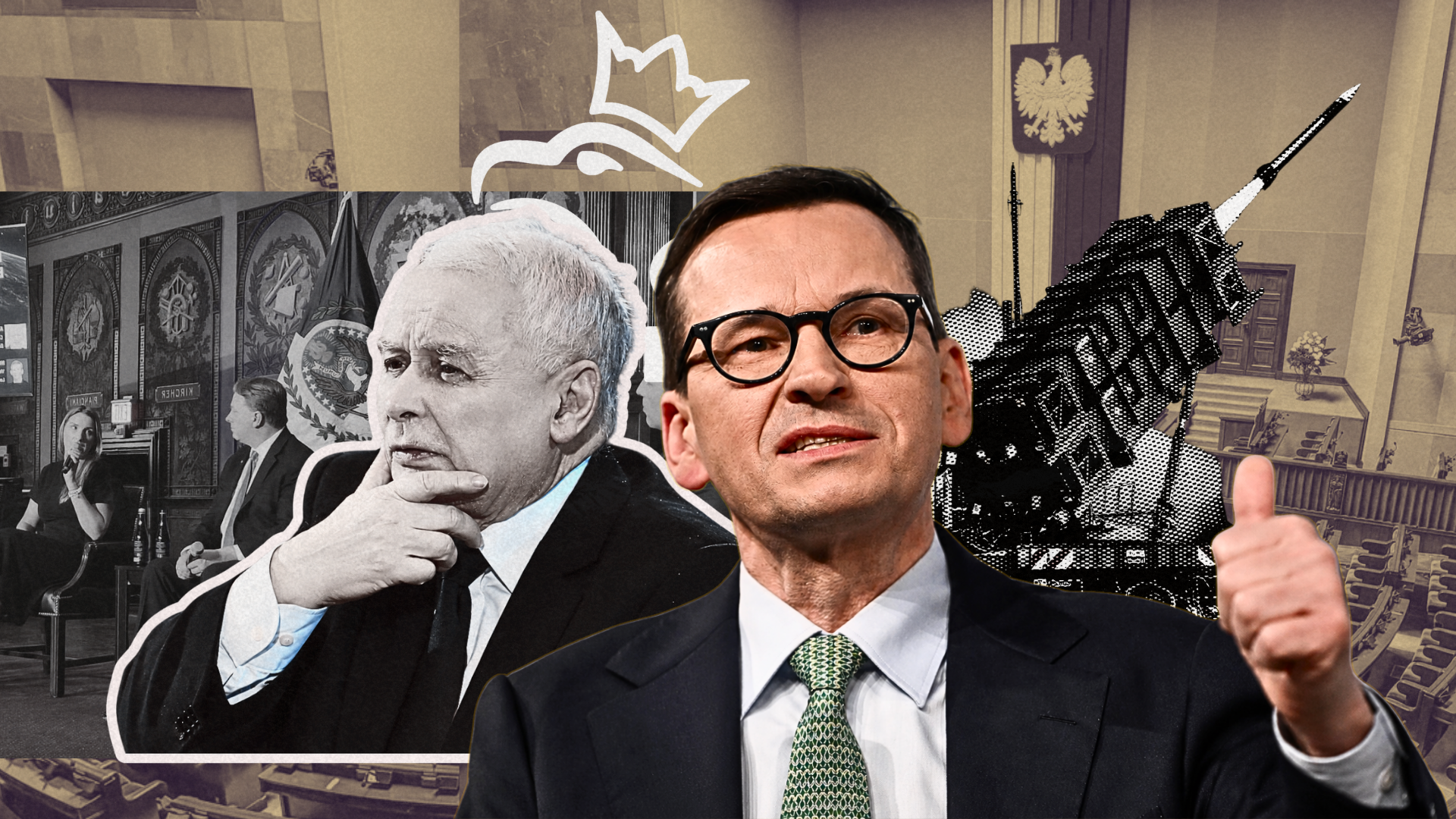
Hungarian PM Viktor Orbán immediately sought to position himself as a mediator between the US and EU last week, as he did in his previous ‘peace missions.’ He called the Donald Trump win ‘A much needed victory for the World!’ and declared that ‘We have big plans for the future’ – after a call on 6 November.
Slovak PM Robert Fico said the US elections were a decisive defeat of liberal and progressive ideas, and criticised the media reporting ahead of the elections, saying the result is exactly the opposite of the image that the media tried to create.
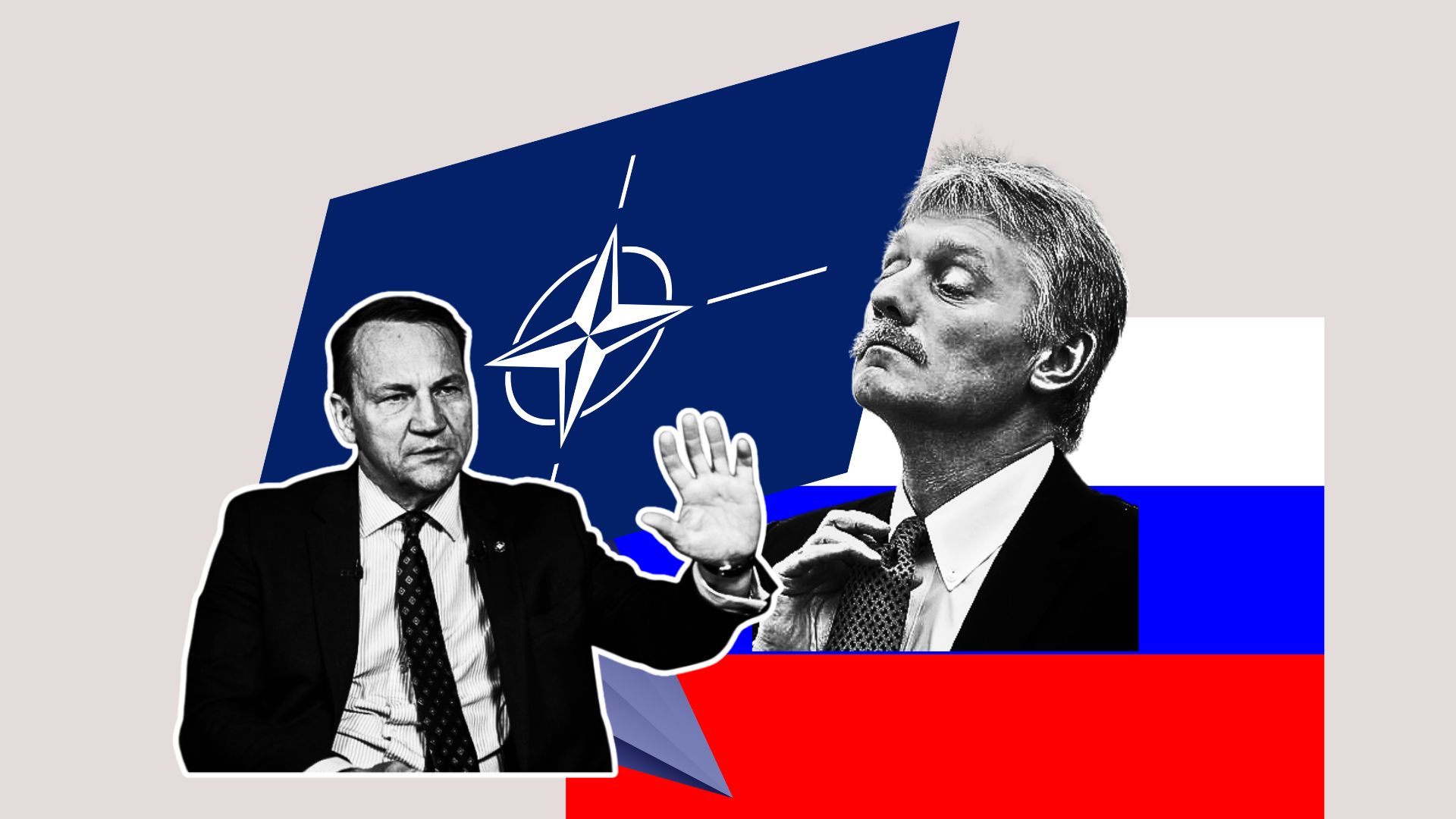
Polish FM Radosław Sikorski, however, said that he is in regular contact with top security officials from both parties. He also reiterated the Polish line that ‘Europe urgently needs to take more responsibility for its security.’
Polish PM Donald Tusk said that he will soon meet with European leaders – including the French, British, Nordics and Baltics – as well as the head of NATO to discuss transatlantic cooperation and Ukraine in this ‘new political landscape.’
‘We will very intensively coordinate cooperation with countries that have a very similar view on the geopolitical and transatlantic situation and situation in Ukraine.’
‘Nobody wants the conflict to escalate, and at the same time, nobody wants Ukraine to weaken or even capitulate; this would be a fundamental threat to Poland.’
Orbán took centre stage as he hosted the European Political Community (EPC) Meeting and European Council (EUCO) Summit on 7 and 8 November – as all of Europe found itself in the ‘black sheep’s pen,’ Albanian PM Edi Rama commented.
Unsurprisingly, little progress was made on key topics like Ukraine, NATO and global trade. Few outside the ascendent right-wing bloc of the EU agreed with Orbán’s appeasement talks – and although everyone agreed on the need for competitiveness, the Budapest Declaration was not as substantial as hoped for.
On the sidelines of the EPC meeting, Moldova‘s allies came together to pledge further support for Moldova‘s resilience after recent electoral wins for pro-Western Maia Sandu – including Donald Tusk, Klaus Iohannis, Ursula von der Leyen, Emmanuel Macron, Keir Starmer and Giorgia Meloni.
The leaders of Poland, France and Germany also published a joint statement on 7 November expressing their concern over the political situation in Georgia, adding that they could not support the nation’s EU accession talks without reforms.
This comes ahead of another week of protests in Tbilisi, including three protests outside the Presidential Palace, City Court and Parliament today.
All CEE commissioners-to-be (except for one…) have passed their hearings thus far – Piotr Serafin (Poland), Valdis Dombrovskis (Latvia), Marta Kos (Slovenia), Andrius Kubilius (Lithuania), Jozef Síkela (Czechia), Dubravka Šuica (Croatia), Ekaterina Zaharieva (Bulgaria) and Maroš Šefčovič (Slovakia). Highlights included:
Kos, who stressed a ‘merit-based’ approach to enlargement, promised a new communication strategy and pledged support for Ukraine’s EU integration; What are the next steps for Kyiv’s accession?
Kubilius, who urged more EU defence spending and cross-border projects over national initiatives – argued that Russia will spend more on defence in 2025 than the entire EU27, while the US will inevitably be distracted by China;
Michael McGrath (Commissioner for Democracy, Justice and Rule of Law), who spoke on the Media Freedom Act and upcoming Digital Fairness Act;
Šefčovič, who was eager to distance himself from the pro-China Slovak government, but also remained vague on an EU strategy for China relations.
European Commission (EC) officials received a warning on 7 November about the ‘real’ threat of espionage, saying that ‘Brussels is one of the world’s biggest spy hubs, with hundreds of active intelligence officers who target our institution.’
Multiple Russian disinformation campaigns targeting the US elections ramped up their efforts not just to support a Donald Trump victory, but to sow discord about the electoral process and hot-button domestic issues – according to findings shared with Politico by a Russian disinformation research group.
Apple is set to face the first-ever fine under the EU’s new digital antitrust rules for Big Tech – which would follow a €1.8 billion fine for similar abuses involving Spotify – after the iPhone maker failed to allow developers to steer users to cheaper deals and offers outside of the App Store.
Zelenskyy walks diplomatic tightrope in first talks with Trump
UKRAINE
Subscribe
Democratic security comes at a price. What is yours? By subscribing or donating now gain access to analysis, forecasts and scenarios by leading analysts and reporters who monitor democratic risks and develop policy debate from Central Europe on Central Europe.
Yes. You will receive a receipt immediately after purchase and a VAT invoice upon request. The subscription amount includes tax. In case of a donation, there is no tax.
Are my credit card details safe?
Yes. The payment is processed by STRIPE www.stripe.com entrusted also by Amazon, Zoom, Booking.com and used by other global NGOs and businesses in the world. We do not store your credit card details.
How modify or cancel my subscription?
At any moment you can manage your subscription and account details. Sign in to modify or cancel.
We are based in Poland and we use cookies on our website to give you the most relevant experience by remembering your preferences and repeat visits. By clicking “Accept”, you consent to the use of ALL the cookies. Privacy Policy
This website uses cookies to improve your experience while you navigate through the website. Out of these, the cookies that are categorized as necessary are stored on your browser as they are essential for the working of basic functionalities of the website. We also use third-party cookies that help us analyze and understand how you use this website. These cookies will be stored in your browser only with your consent. You also have the option to opt-out of these cookies. But opting out of some of these cookies may affect your browsing experience.
Necessary cookies are absolutely essential for the website to function properly. This category only includes cookies that ensures basic functionalities and security features of the website. These cookies do not store any personal information.
Any cookies that may not be particularly necessary for the website to function and is used specifically to collect user personal data via analytics, ads, other embedded contents are termed as non-necessary cookies. It is mandatory to procure user consent prior to running these cookies on your website.