Foresight
News
Russia Escalates Cognitive War Ahead of NATO Summit
6 July 2026

Energy security is back on the menu this summer. Among other things, it will test the Visegrad resolve at the EU energy policy table.
Security is everyone’s concern in the first place. This is not only about Hormuz, where Iran struck civilian vessels, shut the Strait and claimed strikes on its Gulf neighbours. Russia’s tanker fleet is sinking – under sanctions and literally in the Sea of Azov. Ninety of Putin’s vessels were recently targeted there by Ukrainian drones, effectively shutting down seaborne supply lines for Crimea under an energy blackout. Meanwhile, today the EU will again try to end its impasse on the 21st sanctions package against Russia before the current one expires on 31 July and before the 15 July deadline for revising the price cap on Russian oil. The Commission has proposed keeping the price cap unchanged until January to prevent a surge in Kremlin oil revenues. Cyprus, Malta and Greece oppose the move, arguing it would disadvantage their shipping companies.
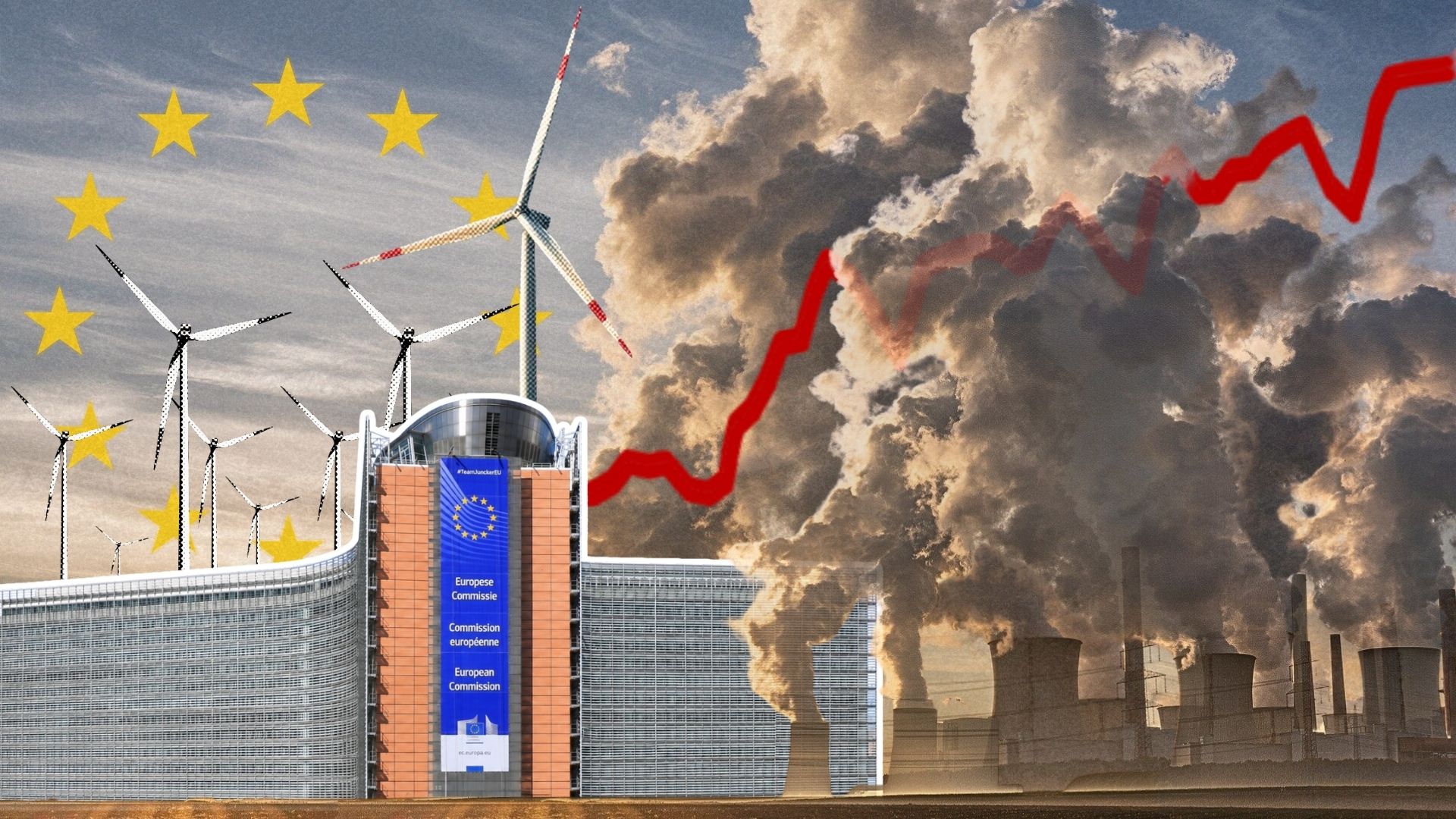
The real showdown and political heat on energy policy, however, will come around 17 July when the European Commission unveils the reform of the Emissions Trading System (ETS). Poland and the V4 leaders have pushed together for delays and liberalisation to save the industries and popular vote. Should ETS plans go unchanged, not only would industries be at risk, but also energy prices would give voters a strong incentive for a protest vote – not only in Central Europe, but elsewhere in the EU.
Energy prices are already a top political issue in countries like Poland, which, according to the new data, had been spending some 363 million euros a month to cut petrol prices for the voters. The case for fiscal subsidies for fuel is a matter of electoral survival. Poland’s first Baltic offshore wind farm, which began generating electricity late last week, is an important milestone, yet it will only satisfy about three per cent of Poland’s current household electricity demand. Developed by Poland’s ORLEN and Canada’s Northland Power, it will have a capacity of about 1.2 GW after all 76 turbines are operating.