Economic Security
Think Tank
How Poland Wants to Turn a Failing Train Maker into a Geoeconomic Asset
30 September 2026

7 April 2026

Our subscribers connect live with opinion leaders and discuss the results of Hungary’s parliamentary elections, exploring their political and economic implications, and what they mean for the country’s future.
Following Hungary’s parliamentary elections held on Sunday, 12 April, the country is entering a new political era. Péter Magyar and his Tisza Party have won the election, while Viktor Orbán and Fidesz are set to leave power after 16 years in government.
With a focus on economic security and foreign policy, the discussion will explore how the outcome may reshape Hungary’s global position, its relations with the United States and Russia and broader implications for European security.
Our events are organised for our subscribers. Subscribe now and get 40% off an annual subscription. Apply the code VisegradIns-40 at the link HERE to take advantage of the discounted rate.
Key discussion points:
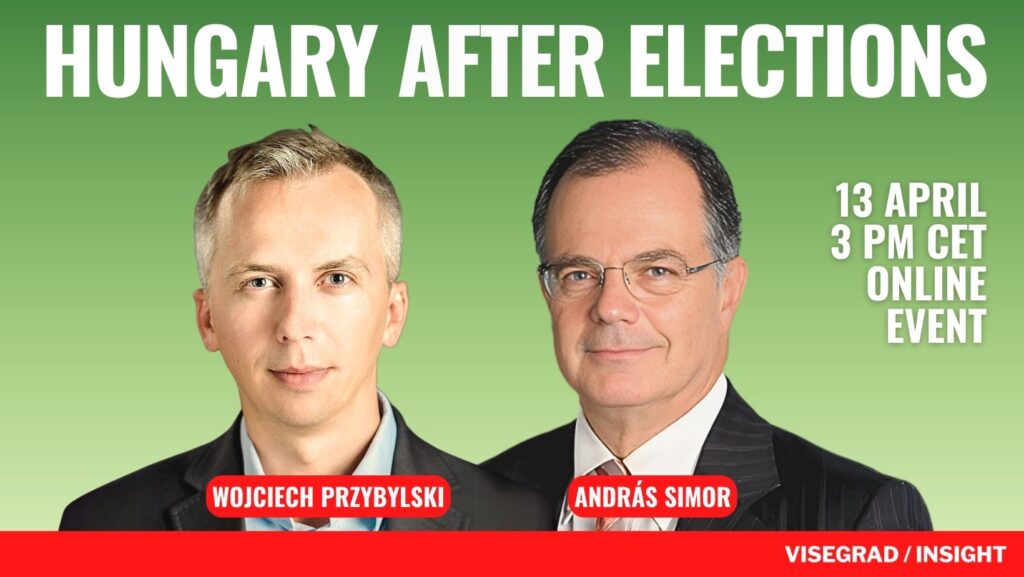
Speakers:
Wojciech Przybylski – He leads strategic foresight on EU affairs to improve democratic and economic security in Europe. He chairs EuropeFuture.Forum as the Editor-in-Chief of Visegrad Insight and the President of Res Publica Foundation. Wojciech is also an advisory board member at LSE IDEAS Ratiu Forum, and European Forum of New Ideas.
András Simor – Former Governor of the Hungarian National Bank (MNB; 2007-2013). He was Chairman of Deloitte Hungary and then Office Managing Partner between 1999 and 2007, and a member of the group’s regional board of directors between 2002 and 2006. He was previously Chairman of the Board of the Budapest Stock Exchange, Executive Chairman of CA IB Investmentbank A.G. in Vienna, and Chairman of the Board and President of the newly founded CA-BB (later Creditanstalt Értékpapír Rt). Mr Simor also took part in our closed-door Europe Future Forum: Polish-Hungarian Perspectives 2025.
Democratic security comes at a price. What is yours?
Subscribe now for full access to expert analysis and policy debate on Central Europe.

Economic Security
Think Tank
How Poland Wants to Turn a Failing Train Maker into a Geoeconomic Asset
30 September 2026
Economic Security
Events
Think Tank
Europe Aligned with Iran Sanctions Long Before D-Day
8 September 2026
Events
Think Tank
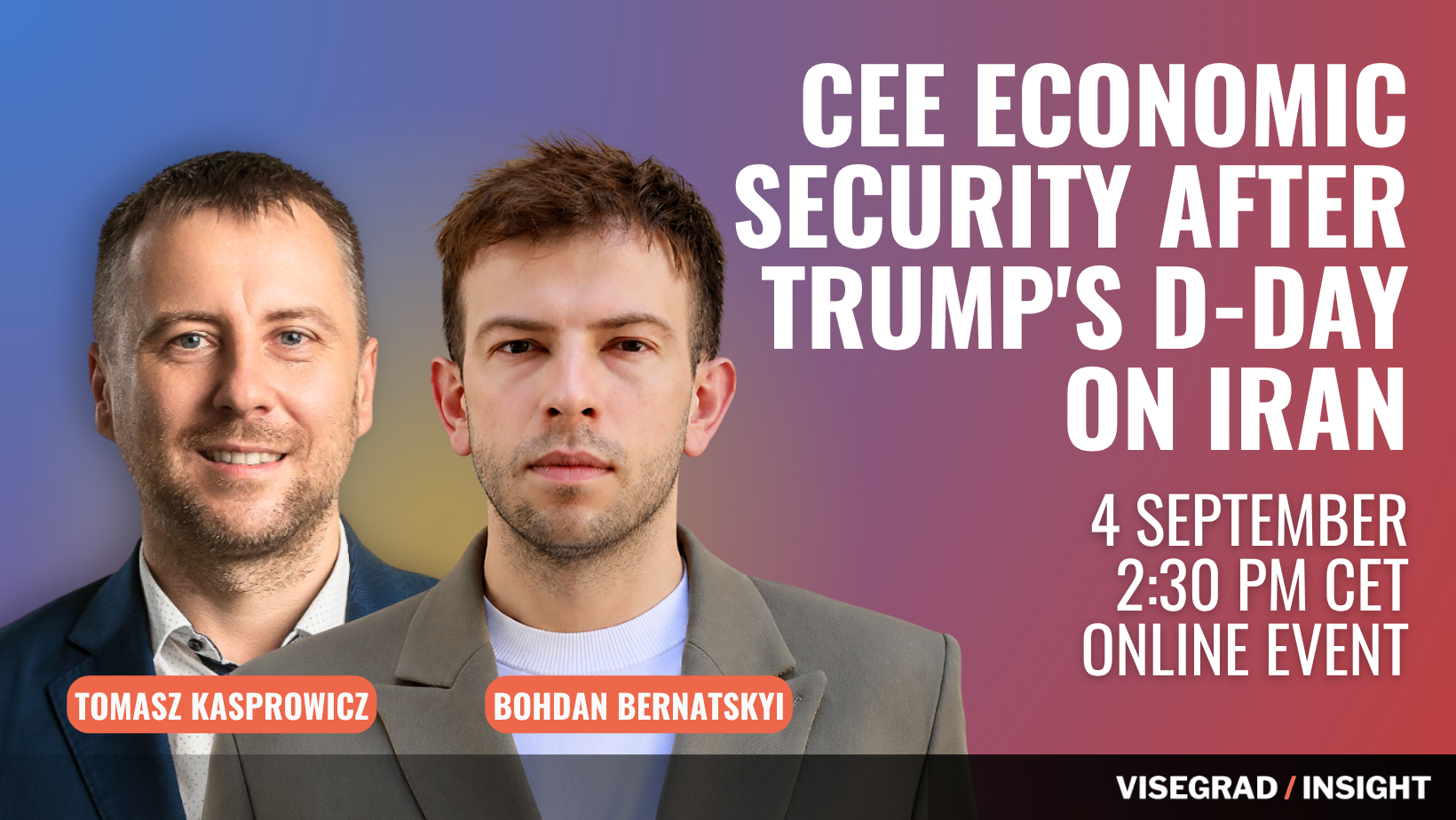
Online event: One Week After Trump’s ‘D-Day’ Against Iran – What Is There for CEE Economic Security?
1 September 2026
Events
Think Tank
European Council Has Fewer Success Stories Than Failures
28 August 2026