Commentary
Democratic Security
Think Tank
Greasy Lies. Food Crises as Fuel for Chinese and Russian Disinformation
6 August 2026

6 March 2026

The event explored the geoeconomic leverage Ukraine holds against Orbán’s Hungary and Fico’s Slovakia in the ongoing spat over the Druzhba pipeline.
The discussion was based on the editorial analysis – Ukraine Learns from Trump to Use Geoeconomic Leverage Against Orbán and Fico.
Scroll down to watch the recorded part of the discussion.
Speakers framed the current confrontation between Ukraine, Hungary and Slovakia as more than a dispute over pipeline repairs, noting that it carries economic, political and symbolic significance. The debate placed the dispute at the intersection of electoral politics, political corruption and geoeconomic leverage. According to the speakers, Prime Ministers Viktor Orbán and Robert Fico rely on discounted Russian oil revenues to sustain domestic patronage networks, redistribute funds to key electoral constituencies and apply pressure on Brussels ahead of Hungary’s upcoming elections.
Ukraine retains an important card, speakers agree, as Kyiv controls the transit infrastructure that enables the continued flow of Russian oil to Central Europe, giving it leverage over both Budapest and Bratislava. By linking technical decisions on repairs and transit volumes to broader political considerations — including EU sanctions policy and financial support for Ukraine — Kyiv is signalling that energy infrastructure can function not only as a logistical asset but also as a tool of strategic pressure.
Wojciech Przybylski highlighted that Hungary and Slovakia have long benefited from exemptions from the EU sanctions regime, including those granted by the United States and the United Kingdom, but that this grace period may now be approaching its end. He linked Viktor Orbán’s resistance to disruptions of Russian oil flows through the Druzhba pipeline to Hungary’s electoral cycle: revenues from Russian oil flow into the MOL refinery, are taxed through a windfall levy and are then redistributed to potential Orbán voters — a mechanism the Hungarian prime minister has used effectively for years.
Tomasz Kasprowicz argued that Ukraine’s reluctance to repair the Druzhba pipeline should be understood as a rational political decision rather than mere inaction. He outlined several incentives behind Kyiv’s position:
First is the symbolic dimension: the continued transit of Russian oil through Ukrainian territory carries a heavy political cost for Kyiv, as the revenues Moscow receives from sales to Hungary ultimately help finance the war against Ukraine.
Second is the economic rationale, as the disruption of flows deprives Russia of an additional revenue stream – and Orbán of the rents that follow
Finally, there is a strategic consideration: the disruption places pressure on Orbán’s electoral position ahead of Hungary’s upcoming elections, particularly given his adversarial stance towards Ukraine.
Discussing Ukraine’s leverage, Kasprowicz argued that oil flows are unlikely to resume any time soon and identified resilience as one of Kyiv’s strongest cards. He also pointed to the Druzhba pipeline itself as a potential bargaining chip: Ukraine could restore oil transit as a concession to a future, more cooperative government in Budapest.
Przybylski added that Kyiv’s leverage is not unlimited. While the dispute continues, Orbán is simultaneously blocking a 90-billion-euro EU loan package for Ukraine, which creates real pressure on Kyiv given its dependence on external financial support. At the same time, the standoff helps Orbán divert domestic attention from government failures toward a designated external adversary. He also noted that refinery retrofitting — necessary for Hungary and Slovakia to process non-Russian crude should they decide to diversify — has begun but remains costly and politically contentious. Meanwhile, Croatia’s Adriatic pipeline alternative has been publicly promoted by Croatian Economy Minister Ante Šušnjara, although its chemical compatibility limitations are rarely acknowledged in political debate.
Notable quotes
Closing the discussion, both speakers addressed the elephant in the room – the potential consequences of US strikes on Iran for the broader energy standoff. Recent escalation in the Middle East has already raised concerns about disruptions to global oil flows and price volatility. 
Kasprowicz argued that the immediate impact is largely logistical — disruptions to shipping routes and supply chains — but warned that the bigger risk lies in possible Iranian attacks on oil infrastructure across the Middle East. If the conflict were to drag on, he said, the consequences for global oil markets could prove far more severe than a temporary bottleneck. In his view, pressure on Iranian and Venezuelan supplies is forcing China to rely more heavily on Russian energy exports — a development Moscow would welcome, especially as higher prices have become a natural consequence of the US–Israel strikes on Iran.
Przybylski closed the recorded session by citing a remark from Ukrainian President Volodymyr Zelensky, delivered roughly an hour before the panel: ‘We’ll give Orbán’s address to our armed forces. Let them call him and speak to him in their own language.’ He interpreted the comment as a sign of a broader trend: the threshold of acceptable rhetoric between formally allied or neighbouring states is falling, and sharper language — and potentially sharper confrontations — may become increasingly common.
Speakers:
Moderated by Arslan Suleymanov – Assistant Editor at Visegrad Insight. He has extensive experience writing for various institutions and businesses in Europe and the United States, including The Poland Observer, United Europe e.V., and the Spykman Center. He is currently pursuing a Master’s degree in International Political Economy at the Central European University.
Democratic security comes at a price. What is yours?
Subscribe now for full access to expert analysis and policy debate on Central Europe.
Commentary
Democratic Security
Think Tank
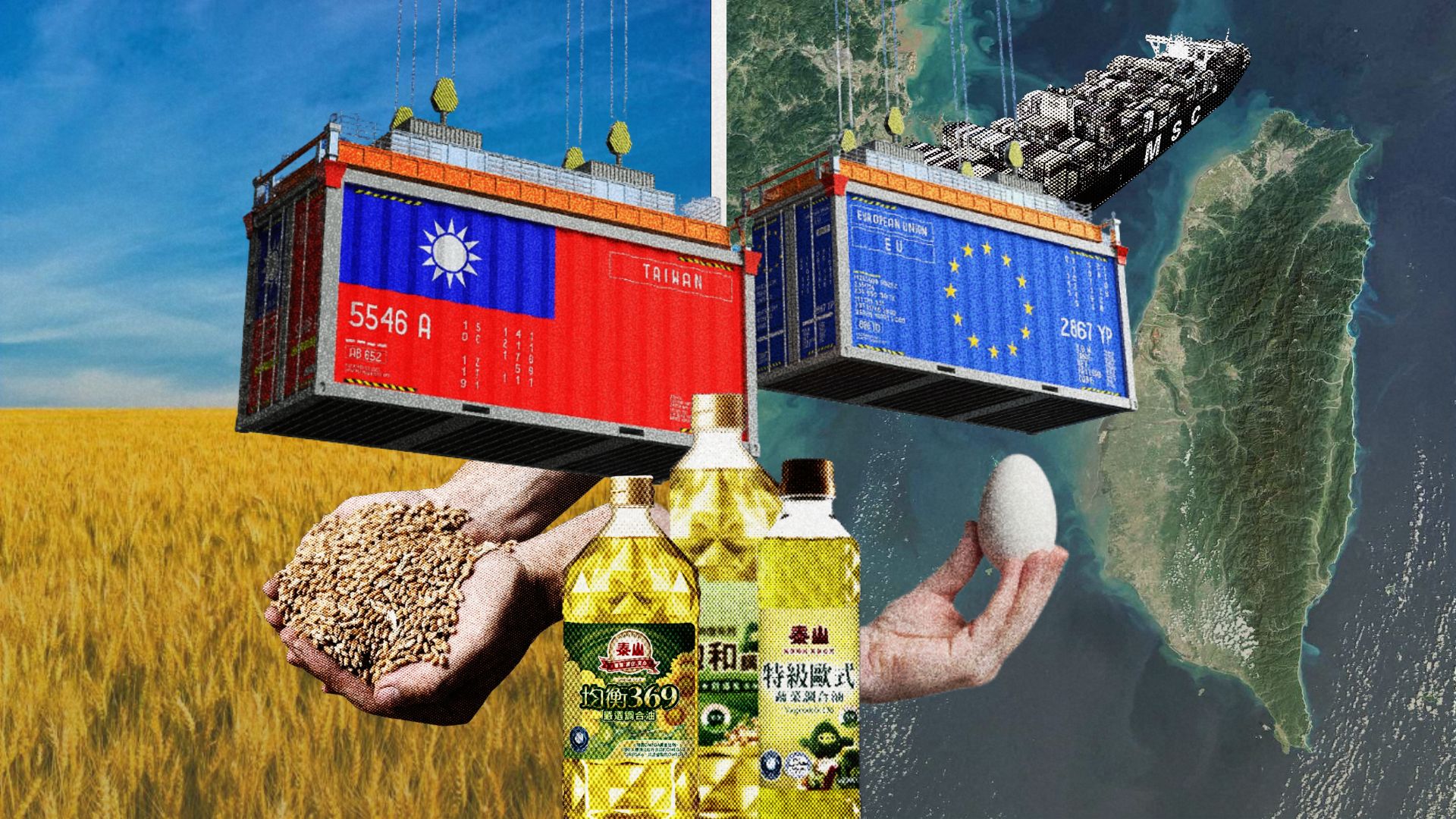
Greasy Lies. Food Crises as Fuel for Chinese and Russian Disinformation
6 August 2026
Commentary
Democratic Security
Think Tank
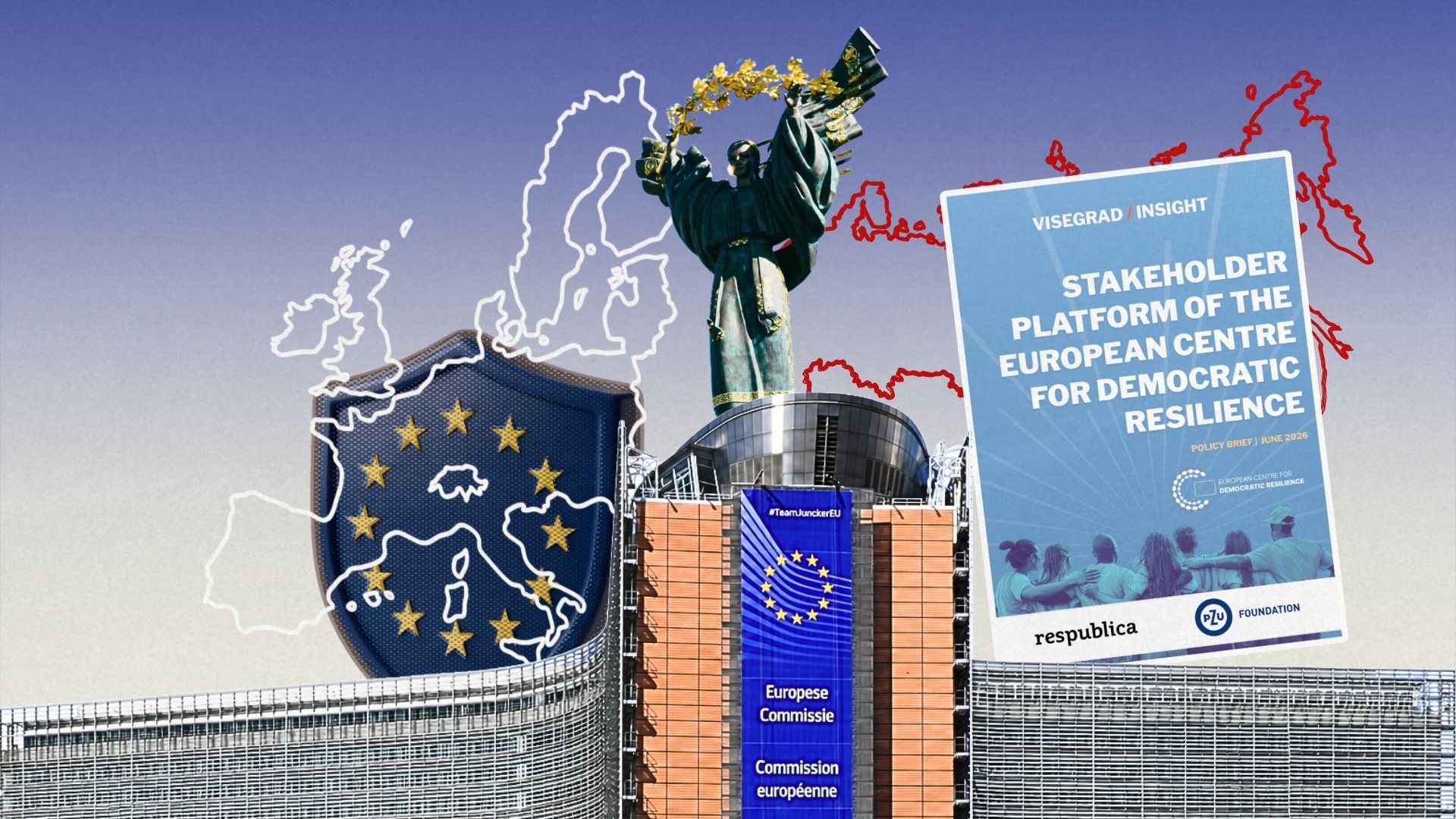
Brussels Is Planning the Platform Ukraine Already Built
29 July 2026
Economic Security
Think Tank
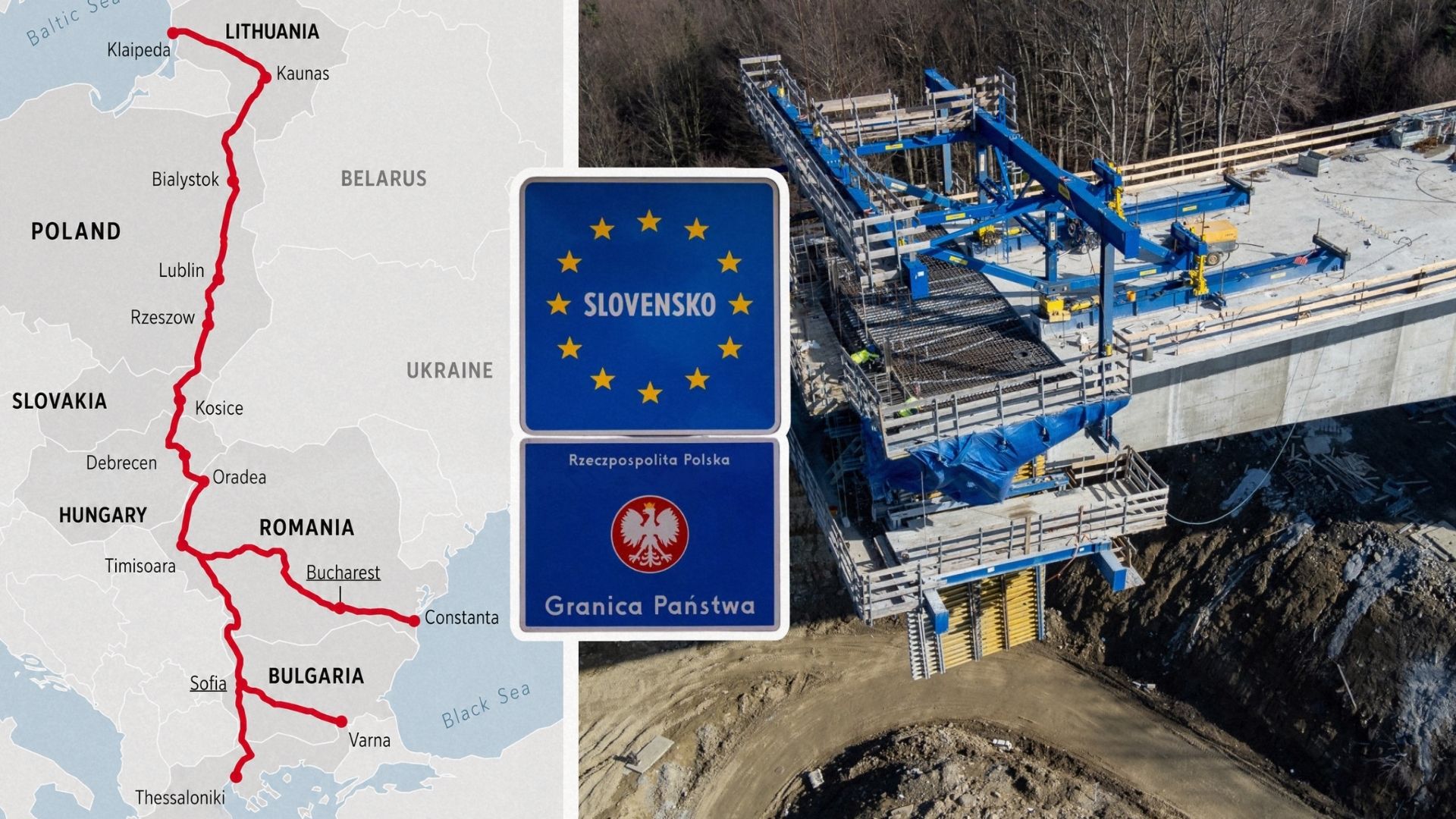
Slovakia Partners Up with Poland on Pragmatic Three Seas Initiative
23 July 2026
Commentary
Democratic Security
Think Tank
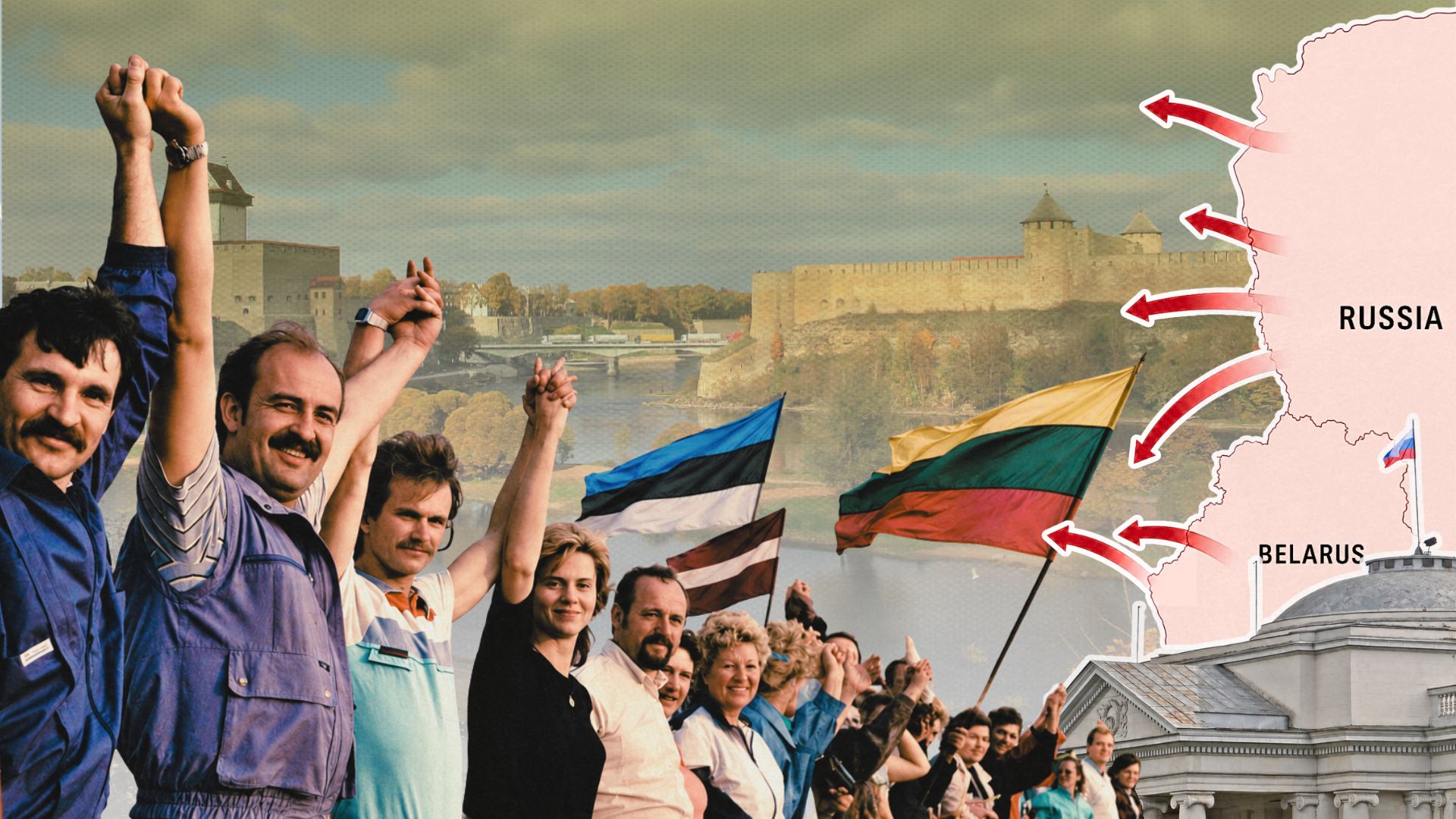
Citizens Are First in Line Against Russia’s Sabotage in CEE
21 July 2026