
Analysis
Economic Security
The Western Balkans Are Ageing Before Getting Rich
9 September 2026

4 September 2023

Energy Poverty policy in CEE is disorienting. Instead of strategic clarity that links social policy with climate policy, it puts both at risk.
This paper is co-sponsored by Visegrad Insight – Res Publica Foundation and the European Climate Foundation. It is part of the larger project on climate and democratic security in Central and Eastern Europe, which you can read more about here.


Analysis
Economic Security
The Western Balkans Are Ageing Before Getting Rich
9 September 2026
Economic Security
Events
Think Tank
Europe Aligned with Iran Sanctions Long Before D-Day
8 September 2026
Analysis
Economic Security
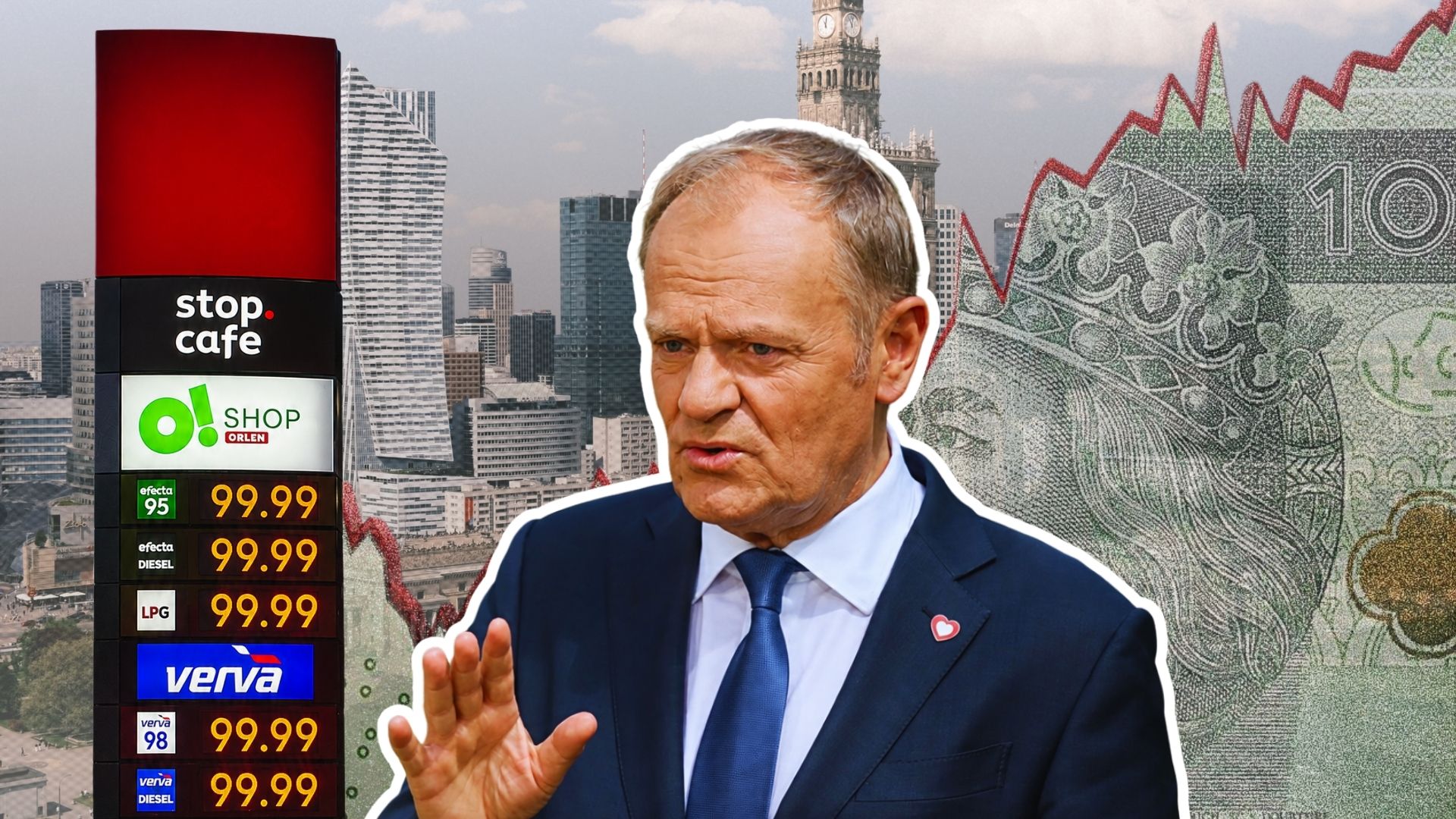
Why Fuel Is Cheapest in Poland and Who Pays for It
25 August 2026

Commentary
Economic Security
Robert Fico Is Selling Off Slovakia
13 August 2026