Commentary
Democratic Security
Think Tank
Greasy Lies. Food Crises as Fuel for Chinese and Russian Disinformation
6 August 2026

21 August 2025

On Wednesday, 20 August, we hosted a Danish group exploring cooperation in Central and Eastern Europe, focusing on the Visegrad Group countries.
The event was organised for a group of 50 Danes brought together by Vibe Termansen from DEO – Demokrati i Europa Oplysningsforbundet.
During our discussion, Wojciech Przybylski, editor-in-chief of Visegrad Insight, outlined the V4’s origins, strategic goals, and early collaboration. However, he noted that cooperation within the alliance has waned, with member states often prioritising national interests over regional partnership.
In Poland, the election of Karol Nawrocki as president foreshadows potential tensions with the government, complicating V4 coordination. In Czechia, the 2025 parliamentary elections could shift the country’s pro-Western stance, particularly if Andrej Babiš regains influence.
In Hungary, opposition leader Péter Magyar is building a coalition to challenge Viktor Orbán’s Fidesz in 2026, potentially reshaping Hungary’s Eurosceptic trajectory. Meanwhile, Slovakia’s Prime Minister Robert Fico, increasingly isolated internationally, is treading a fragile line between courting global powers and maintaining EU ties.
The V4 has historically lacked strategic vision, and today’s divergent interests, particularly on Ukraine and EU/NATO alignment, hinder cooperation.




Democratic security comes at a price. What is yours?
Subscribe now for full access to expert analysis and policy debate on Central Europe.
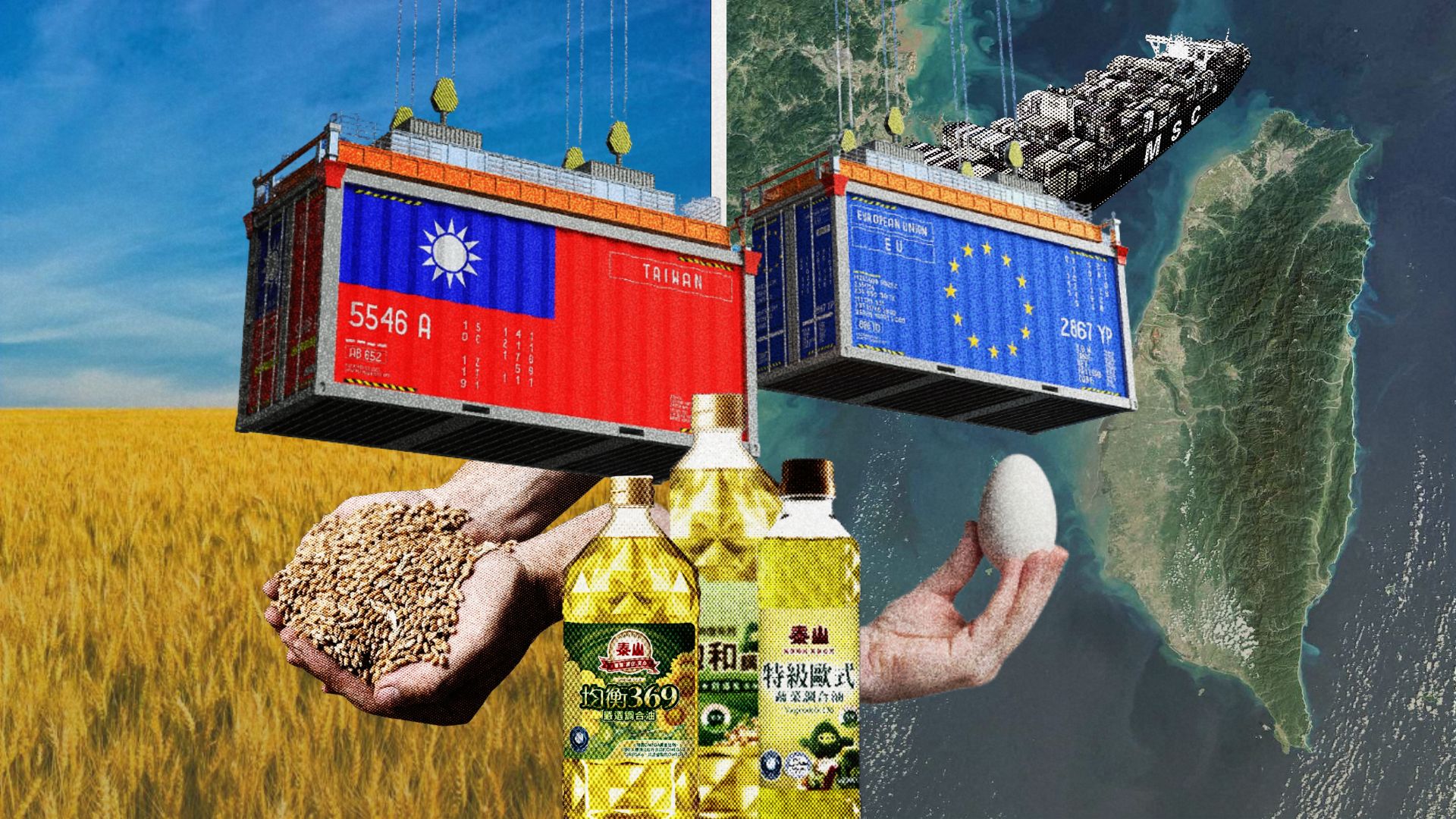
Commentary
Democratic Security
Think Tank
Greasy Lies. Food Crises as Fuel for Chinese and Russian Disinformation
6 August 2026
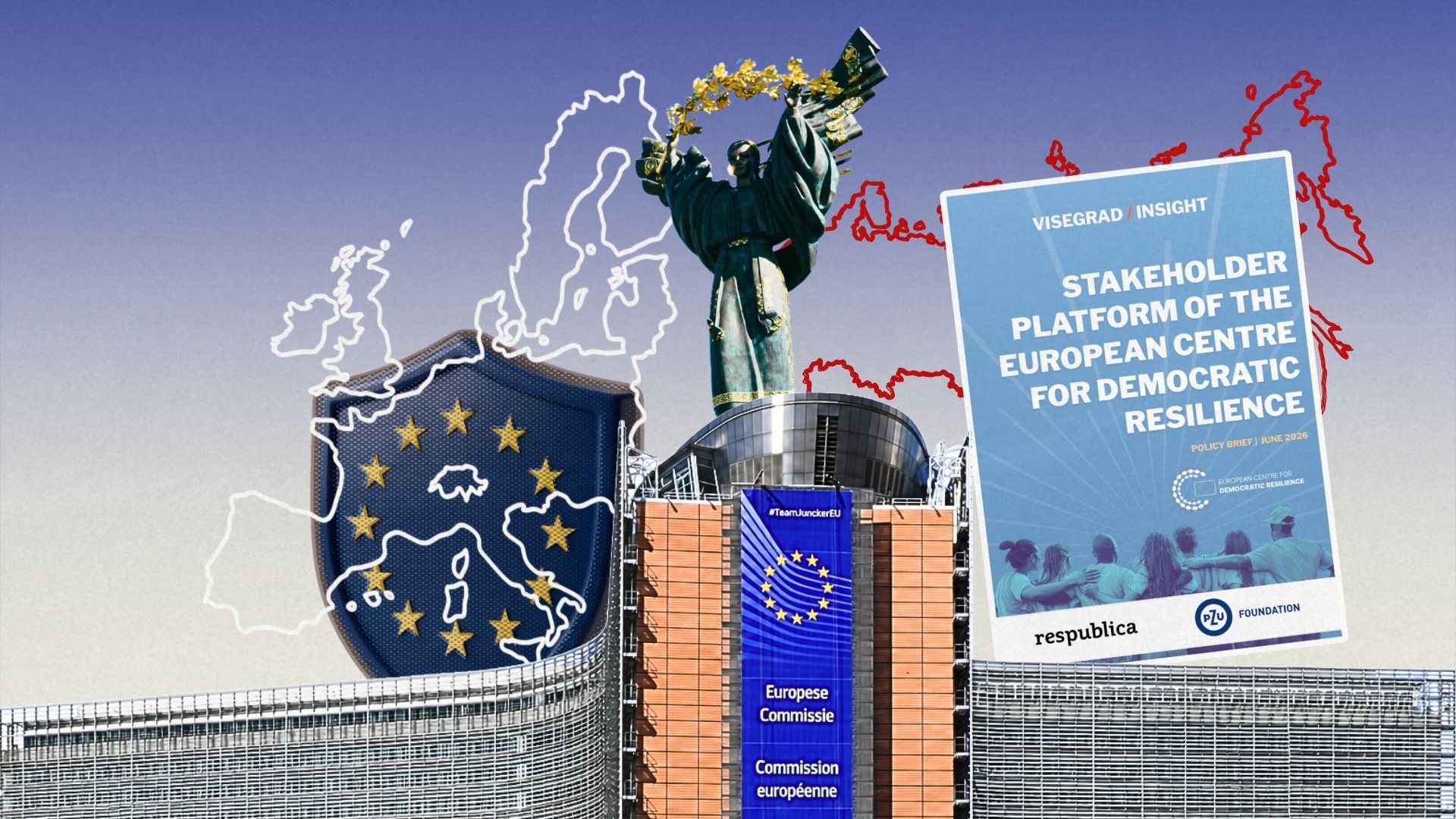
Commentary
Democratic Security
Think Tank
Brussels Is Planning the Platform Ukraine Already Built
29 July 2026
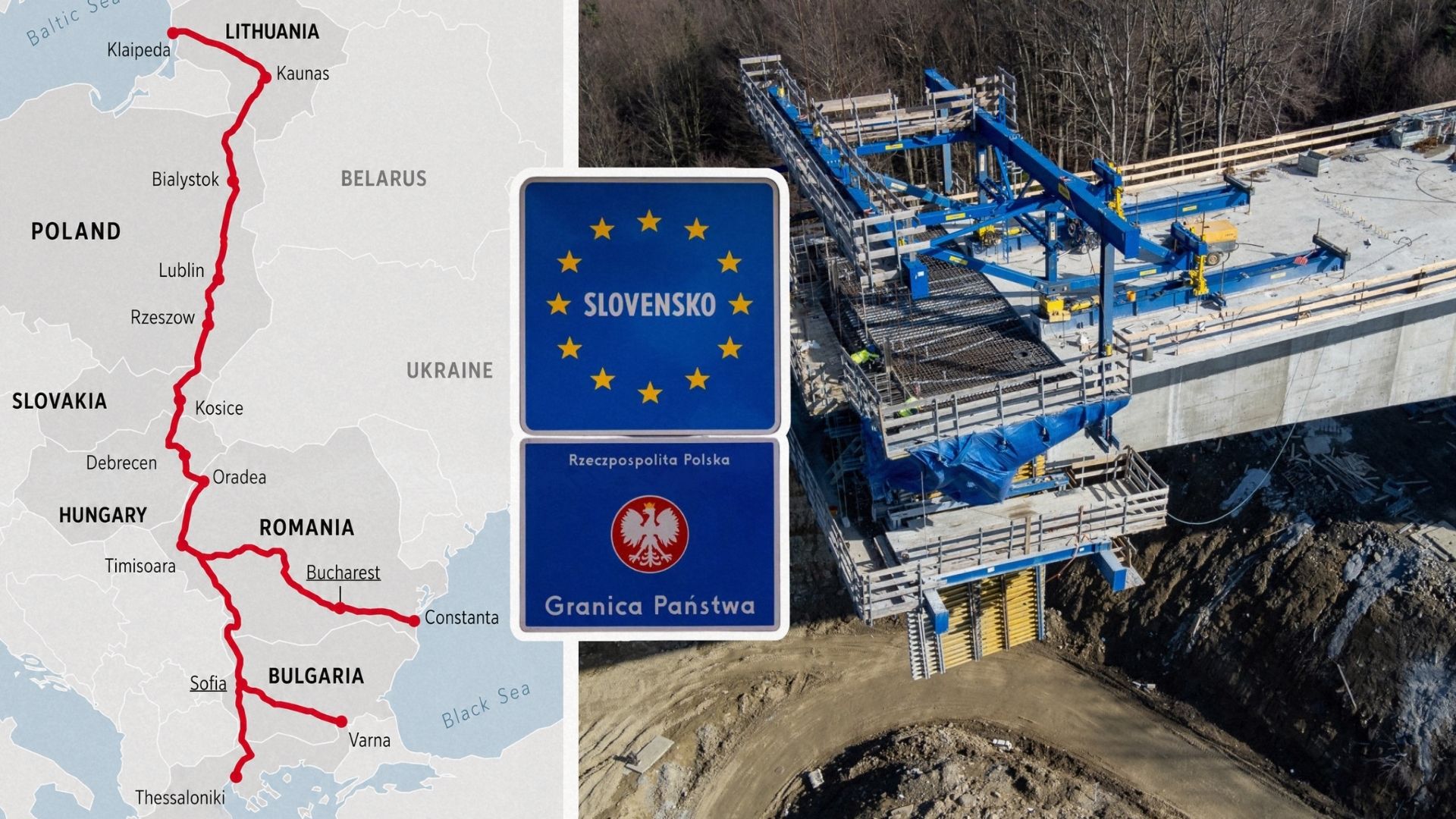
Economic Security
Think Tank
Slovakia Partners Up with Poland on Pragmatic Three Seas Initiative
23 July 2026
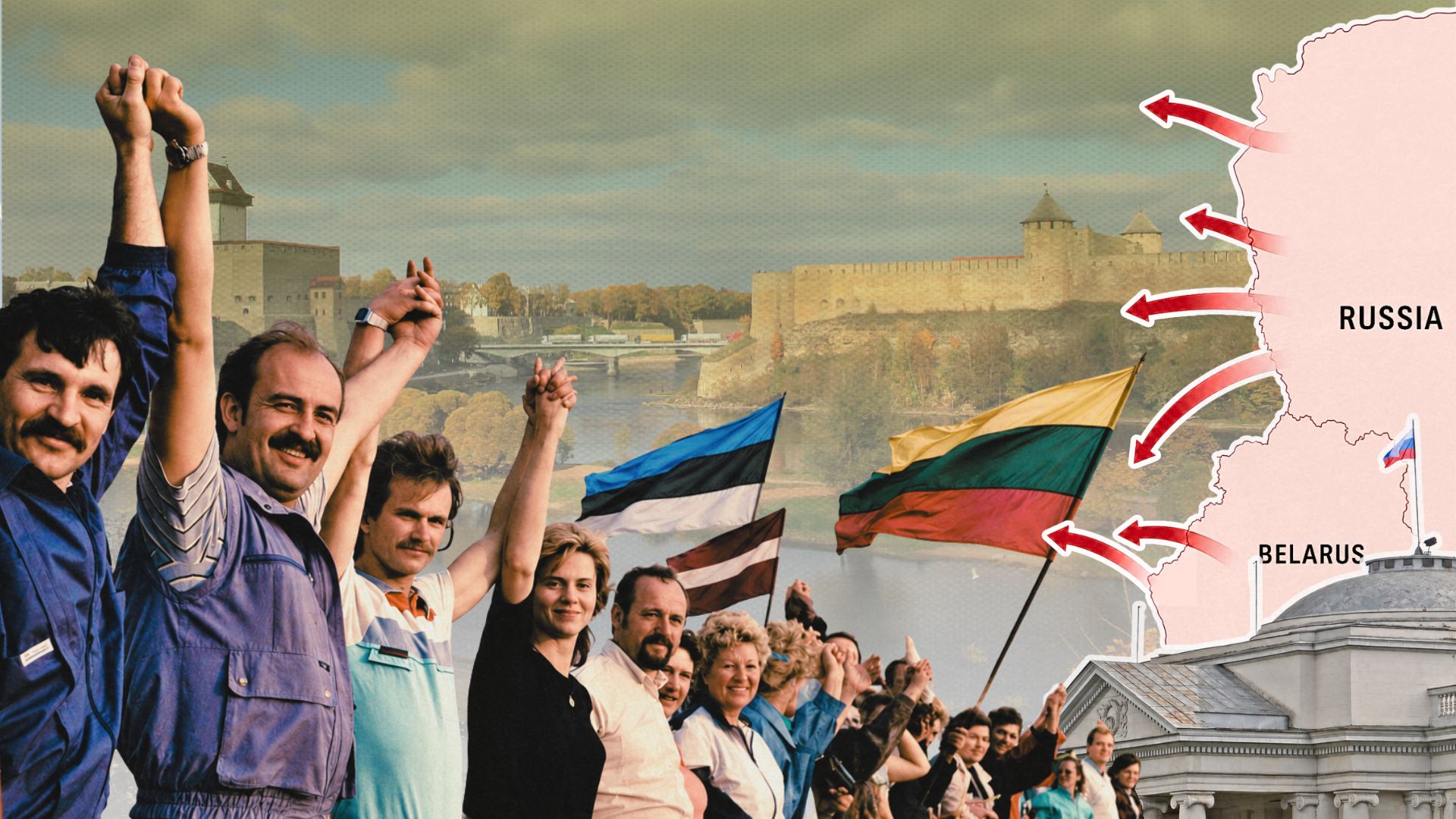
Commentary
Democratic Security
Think Tank
Citizens Are First in Line Against Russia’s Sabotage in CEE
21 July 2026