Economic Security
Events
Think Tank
Europe Aligned with Iran Sanctions Long Before D-Day
8 September 2026

9 December 2025

What does Poland need from allies in order to succeed against the backdrop of Russian sabotage and influence operations that target the country’s pillars of democratic and economic security?
From cyberattacks and sabotage attempts to disinformation and border destabilisation, Poland has been the target of a number of Russian-sponsored criminal activities aimed at destabilising the country from within. Can it get any more serious? While the country is enjoying a pre-Christmas mood of festive relaxation, some draw parallels to pre-2022 Kyiv, where amidst a hype of similar Russian operations the public did not believe that a kinetic attack would begin. This begged the question of whether Poland has indeed reached for all the resources it can possibly expect to increase its resilience.
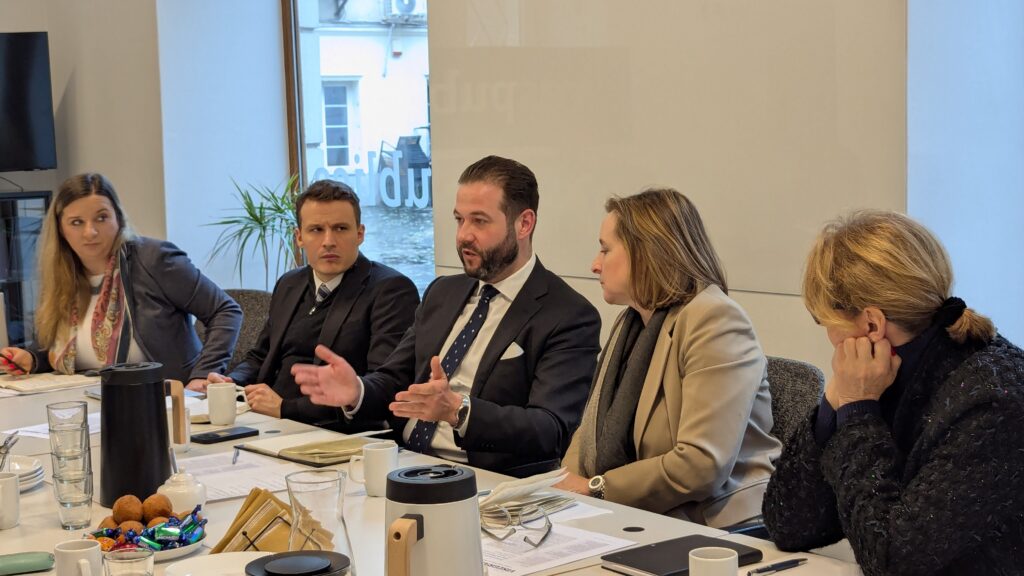
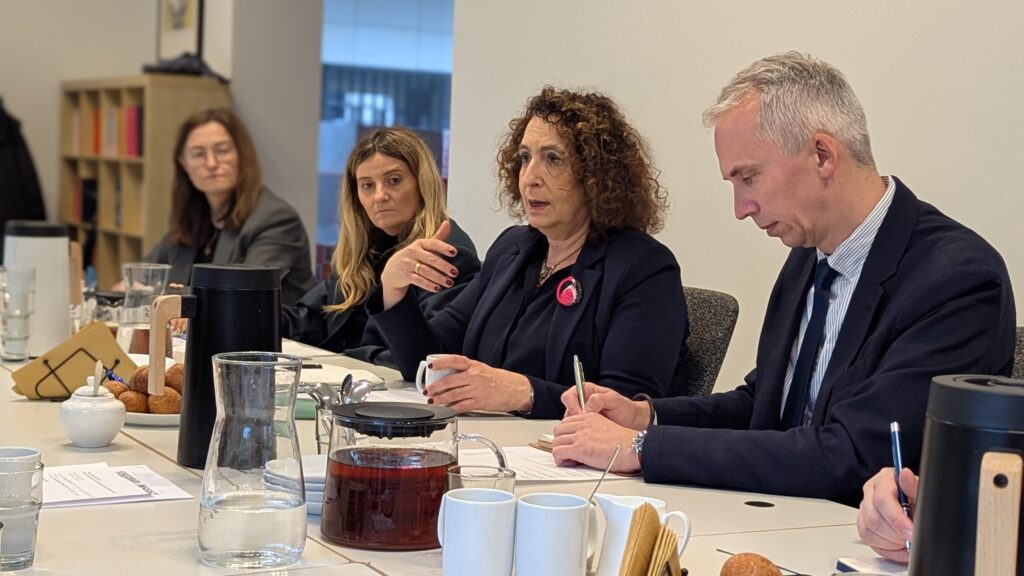
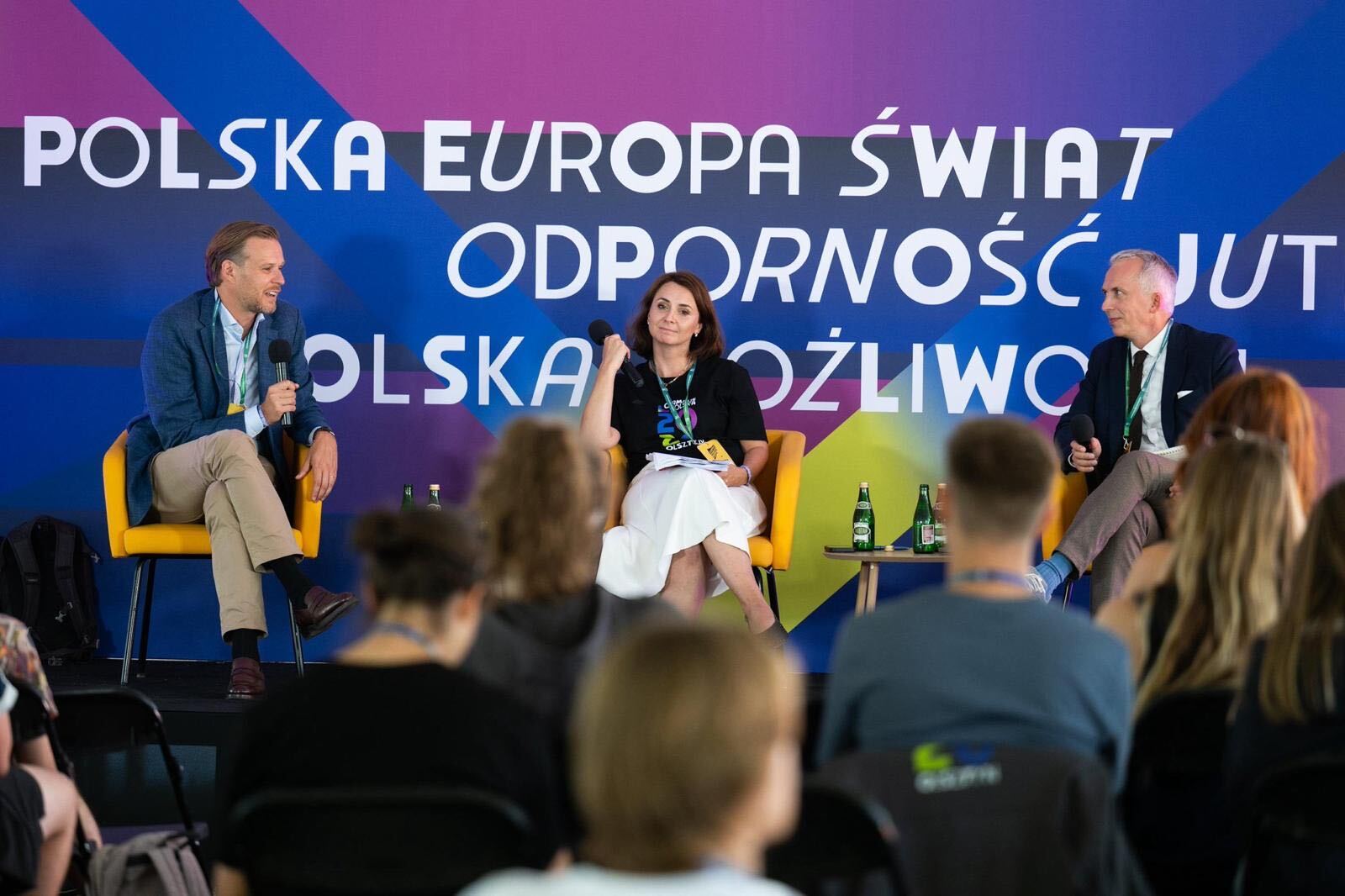
On 9 December, we organised the Visegrad Insight Breakfast, co-hosted by Melinda Simmons, the British Ambassador to Poland, centred around the issues of societal resilience. The discussion brought together diplomats, analysts and strategic communication experts to reflect on how European states, in particular the United Kingdom and Poland, can better understand and address the complex set of security challenges posed.
The conversation highlighted the shared nature of security threats across Europe but emphasised differentiated political strategies that expose Europe to its strategic rivals, as explained in the recent report Democracies at War. War on Democracies.
Speakers noted clear parallels between the tactics used against European countries and those deployed earlier in Ukraine, Georgia and Moldova. This reinforced a central point in the exchange: European security is interconnected and an effective response requires coordinated understanding and communication from allies. But in relation to Poland, the participants identified a mindset gap in allied capitals which allows many countries in Europe to ignore the gravity of the challenge already present, as clearly explained in the Financial Times big read on Russia’s hybrid warfare currently testing Europe.
A significant part of the exchange focused on how European governments frame these challenges for themselves. Participants stressed that the very term ‘hybrid warfare’ fails to convey the scale and intentionality of hostile actions. The ambiguity of the term hinders present and real action that disturbs public order at best and puts lives at risk, with some casualties resulting from arson and bombings which already took place. ‘Is everyone really on board with Poland?’ was the question asked in several ways around the room.
One of the focal points centred around coordination efforts between European capitals to bring more focus on Poland and make sure that the Polish strategic mindset is explained and embraced. This would ensure that partners know how to think about responding to challenges posed to NATO and the European Union within the Polish domain.
Another perspective underscored the need for more coherent and unified foreign and security messaging, one that explains the strategic context without causing alarm but helps mobilise domestic and allied resources when needed. A cohabitation between the president and the government with multiple tensions around conflicting messages regarding Polish ambitions in Europe becomes an urgent task to be resolved from the perspective of resilience buildup.
Discussions with the British Ambassador also underlined the United Kingdom’s role as a key security partner in the region, particularly in cyber defence, counter-disinformation efforts, intelligence cooperation and NATO deterrence. The meeting emphasised the importance of continued British engagement in Central and Eastern Europe as the continent faces long-term geopolitical pressure.
The practical recommendations from the session included:
At the same time, participants agreed that a full mobilisation of partners’ resources would help improve communication and resilience in the country currently put to a stress test. The time to act is now and not to wait for the electoral battle in 2027. Given the nature of aggressive acts by Russia, it is conceivable that a state of emergency could effectively undercut the democratic process and elections would need to be postponed, heightening the already significant political polarisation and exposing the country to further subversion by the Kremlin’s playbook.


Democratic security comes at a price. What is yours?
Subscribe now for full access to expert analysis and policy debate on Central Europe.
Economic Security
Events
Think Tank
Europe Aligned with Iran Sanctions Long Before D-Day
8 September 2026
Events
Think Tank
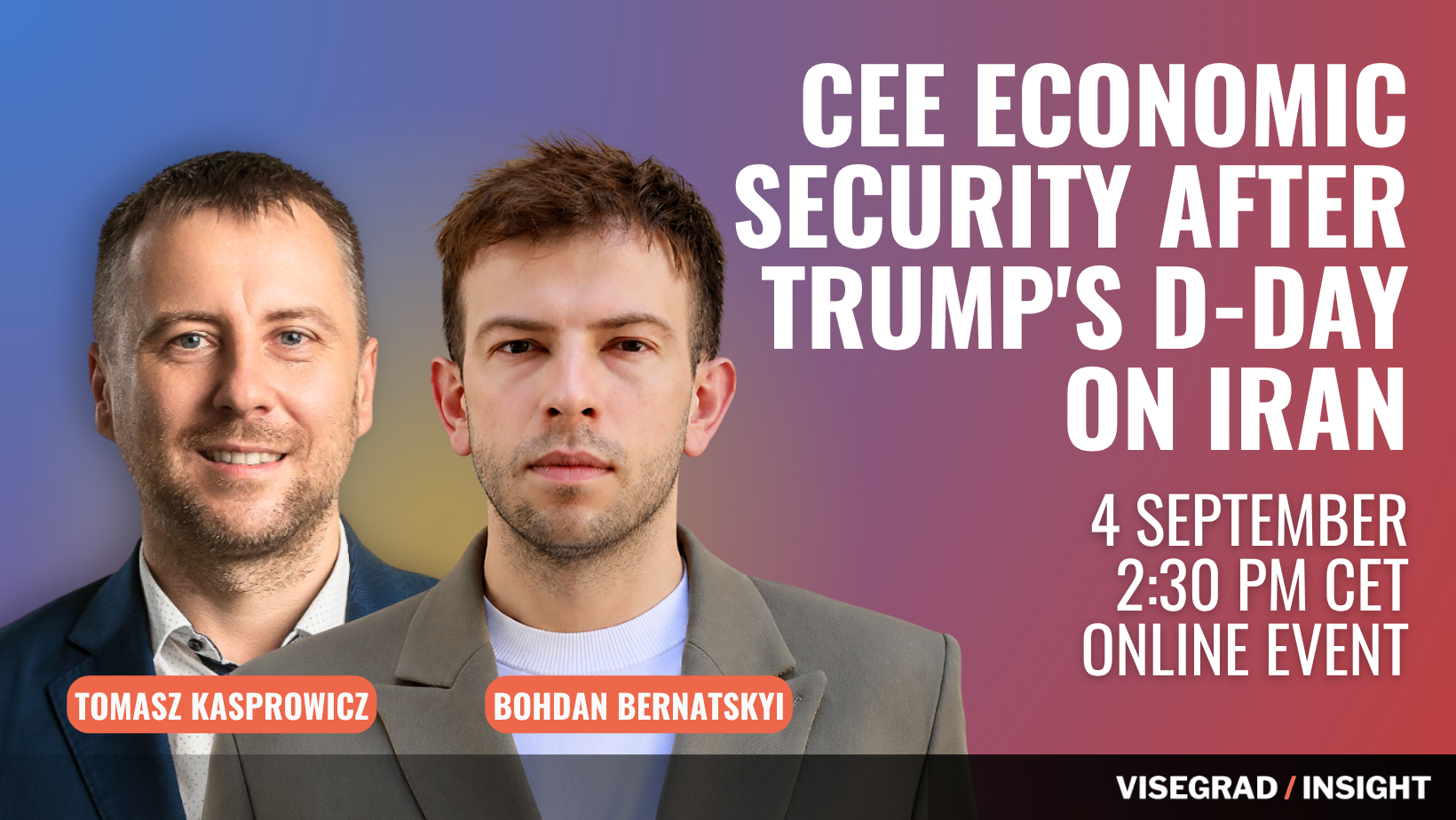
Online event: One Week After Trump’s ‘D-Day’ Against Iran – What Is There for CEE Economic Security?
1 September 2026
Events
Think Tank
European Council Has Fewer Success Stories Than Failures
28 August 2026
Commentary
Democratic Security
Think Tank
Greasy Lies. Food Crises as Fuel for Chinese and Russian Disinformation
6 August 2026