Commentary
Democratic Security
Think Tank
Greasy Lies. Food Crises as Fuel for Chinese and Russian Disinformation
6 August 2026

21 January 2026

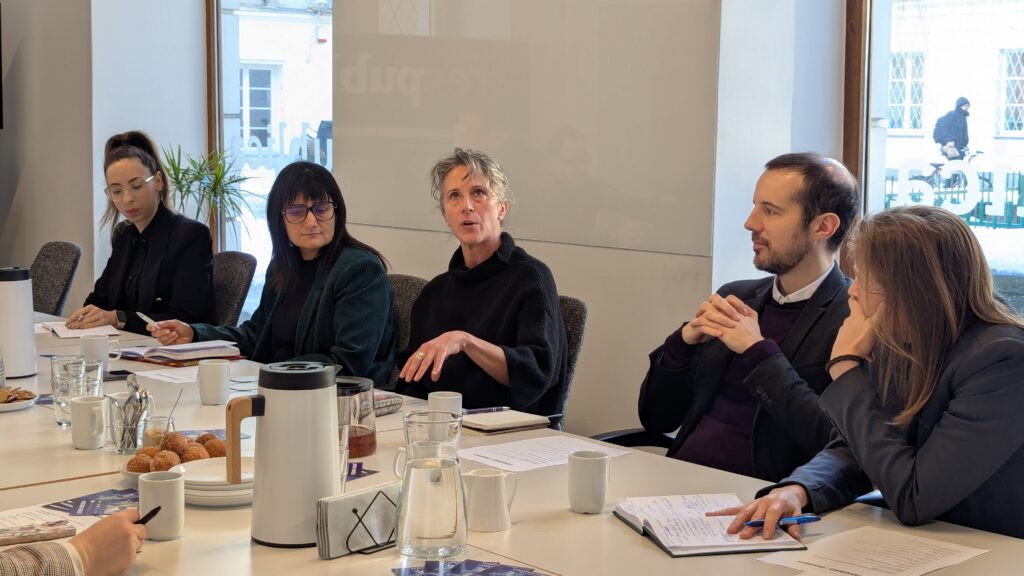
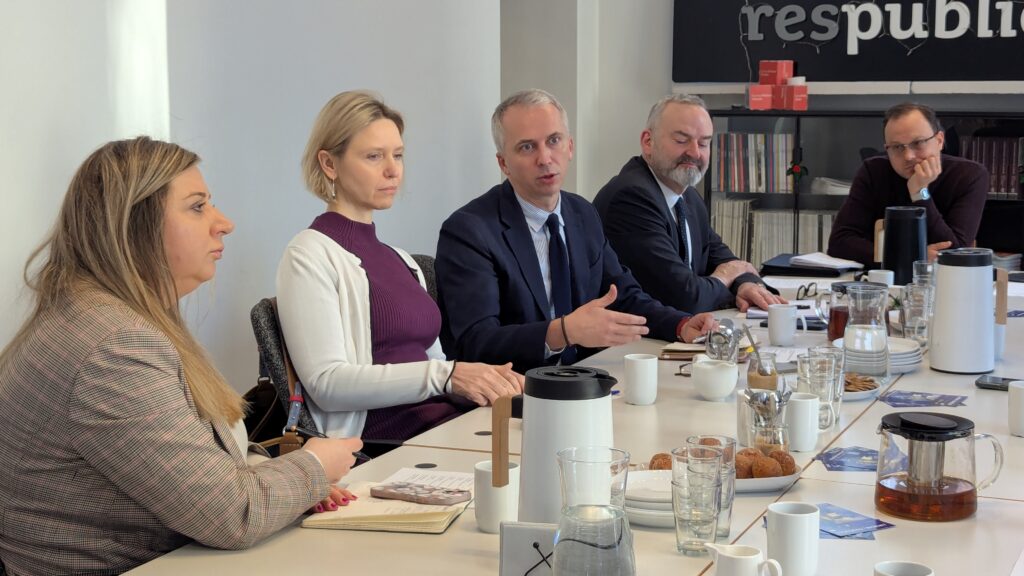
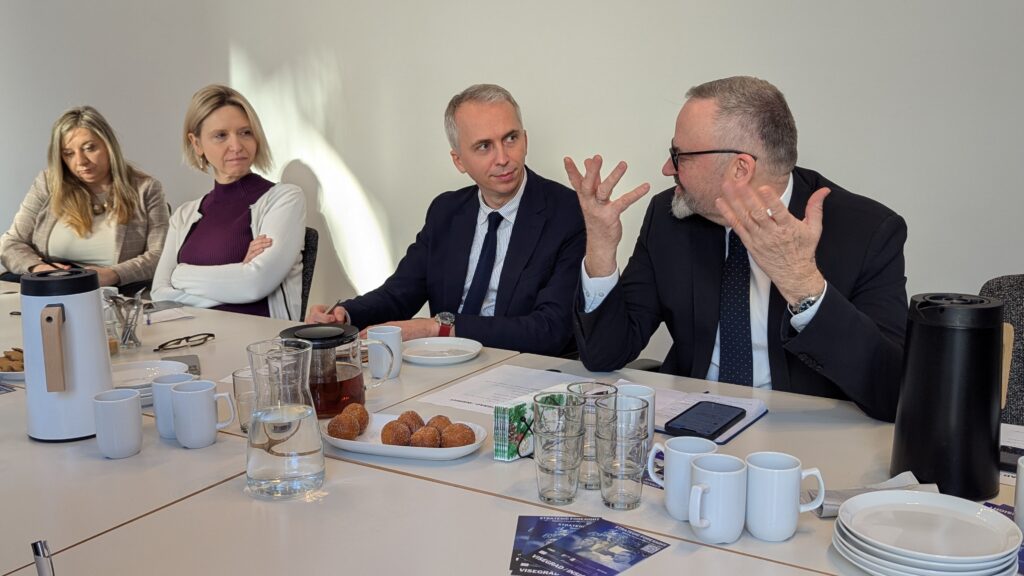
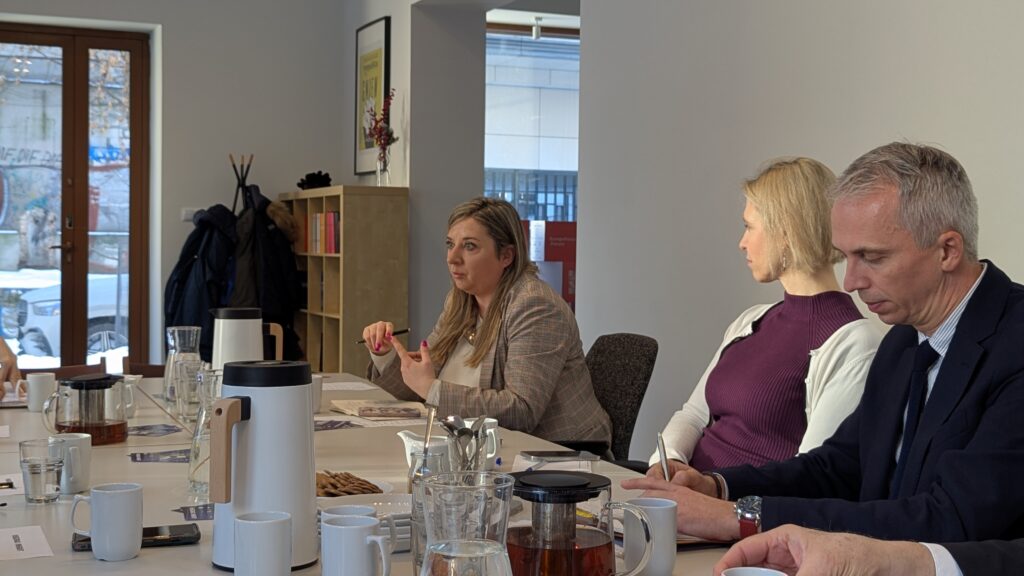
The first Visegrad Insight Breakfast meeting of this year brought together an exclusive group of institutional subscribers, donors and partners. Participants reflected on how Europe’s democratic agenda aligns with an evolving geostrategic landscape.
Opening the discussion of the Res Publica, Visegrad Insight team with Ambassadors, diplomats, journalists and representatives of the Ministry of Foreign Affairs of Poland on the findings of the recent report Democracies at War. War on Democracies [free to read] and the Last Year of Relative Peace? The World in 2026 – yearly outlook [subscribers only].
Participants discussed how Europe is currently pursuing two partially disconnected tracks: on the one hand, reinforcing democratic standards and the rule of law and on the other, responding to pressing geostrategic pressures through initiatives such as rearmament, defence readiness and new security strategies.
Looking ahead, the discussion emphasised the strategic importance of upcoming electoral cycles, beginning with Hungary in 2026 and then even more consequential in France, Slovakia and Poland in 2027. These elections will shape whether Europe moves toward a more fragmented, nationally driven security landscape or manages to consolidate a more ambitious and integrated European defence and security project.
The scenarios outlined in the report served as a reference point for assessing how different political outcomes could affect Europe’s ability to sustain defence investment and strategic autonomy over the next few years.
A part of the exchange focused on resilience, both societal and institutional. It was underlined that resilience is not only about military capabilities, but about the willingness of societies to absorb economic, political and social costs without capitulating to coercion.
This includes safeguarding democratic infrastructure, electoral integrity and public trust, areas that remain underinvested at the European level.
Participants also reflected on the limits of existing EU tools, including economic security instruments and the SAFE mechanism. While useful, these instruments remain insufficient without a stronger democratic resolve and internal coordination among member states. The group noted that internal market fragmentation and regulatory barriers continue to weaken Europe’s overall resilience, despite the scale of untapped potential identified in recent analyses.
Importantly, Ukraine remains the ultimate stress test for Europe’s democratic security. Participants agreed that Europe’s credibility depends on its ability to sustain long-term support for Ukraine, including through industrial defence capacity, where Germany’s role was singled out as decisive.
Looking at Poland the discussion highlighted the polarised domestic political environment and the growing role of disruptive political actors who can dominate public debate without offering constructive solutions. This dynamic mirrors broader European and transatlantic trends, where disinformation, external influence and radical narratives distort democratic competition and weaken policy continuity.
In conclusion democratic security must be treated as a core pillar of European security policy. Elections, political communication and societal resilience are not secondary issues, but central determinants of Europe’s ability to act in an increasingly confrontational geopolitical environment.
Visegrad Insight will continue to develop this agenda through publications, events and its latest Resilient Futures Fellowship programme.
See the photos from the event below:




Democratic security comes at a price. What is yours?
Subscribe now for full access to expert analysis and policy debate on Central Europe.

Commentary
Democratic Security
Think Tank
Greasy Lies. Food Crises as Fuel for Chinese and Russian Disinformation
6 August 2026
Commentary
Democratic Security
Think Tank
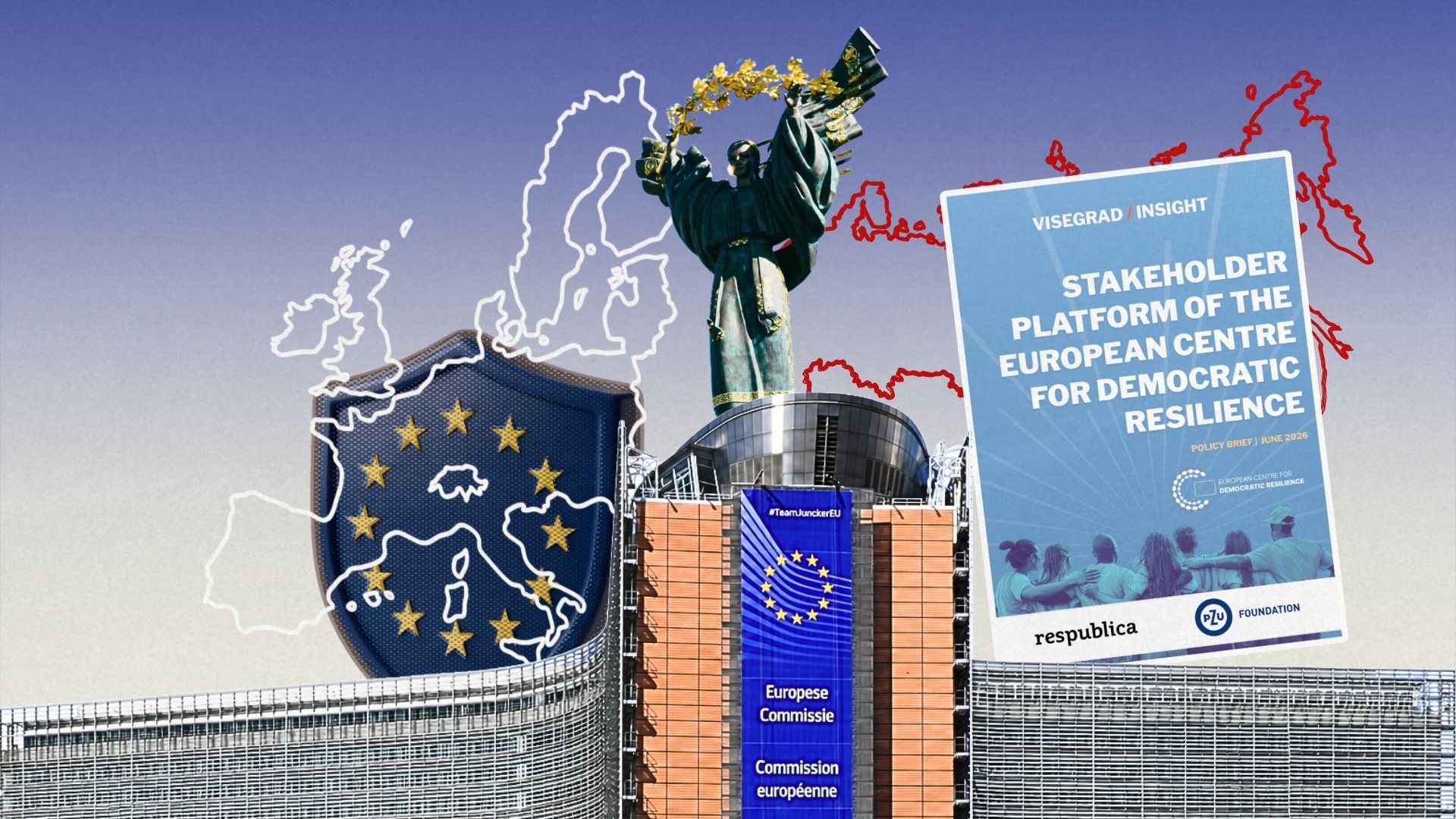
Brussels Is Planning the Platform Ukraine Already Built
29 July 2026
Economic Security
Think Tank
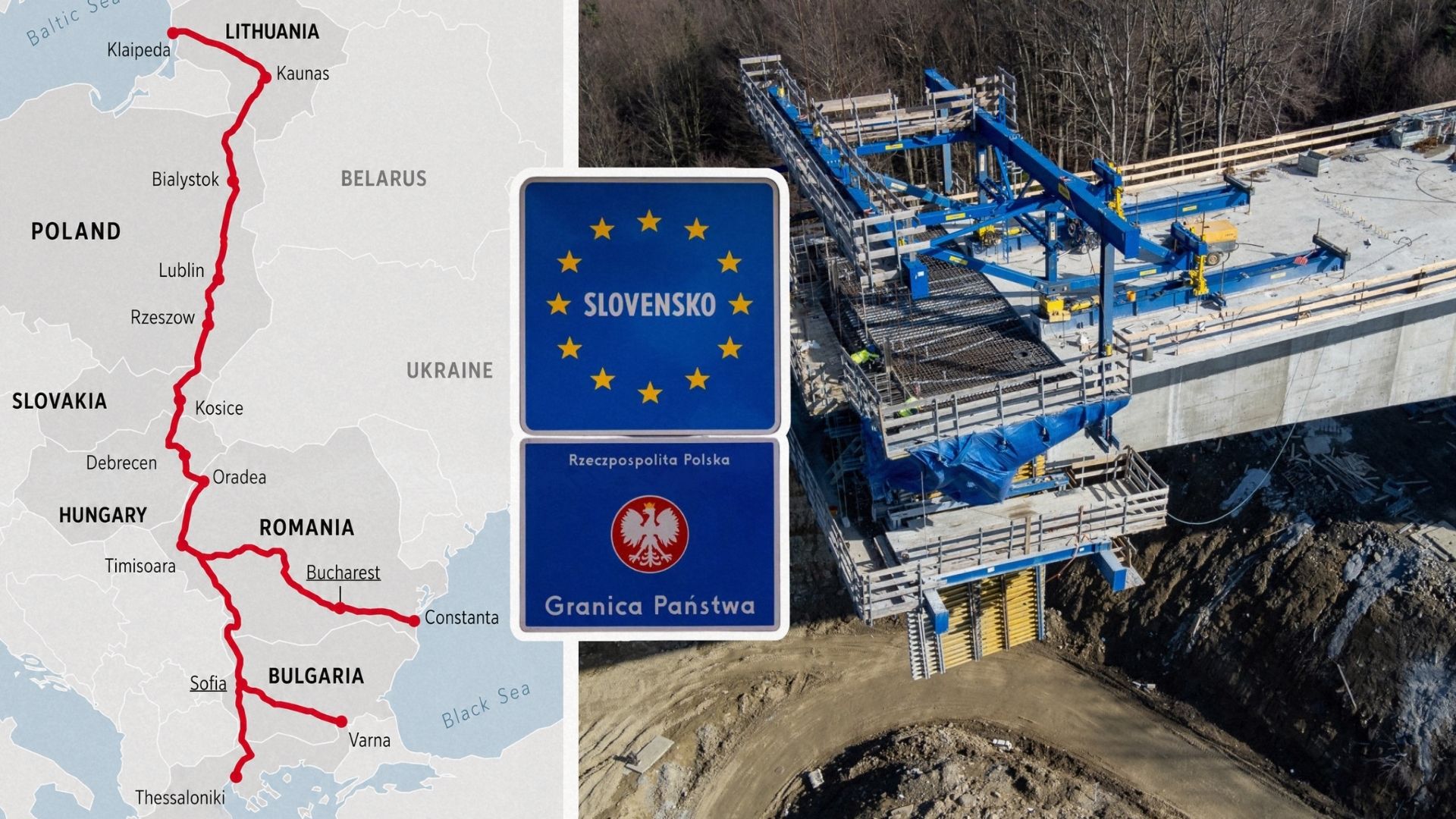
Slovakia Partners Up with Poland on Pragmatic Three Seas Initiative
23 July 2026
Commentary
Democratic Security
Think Tank
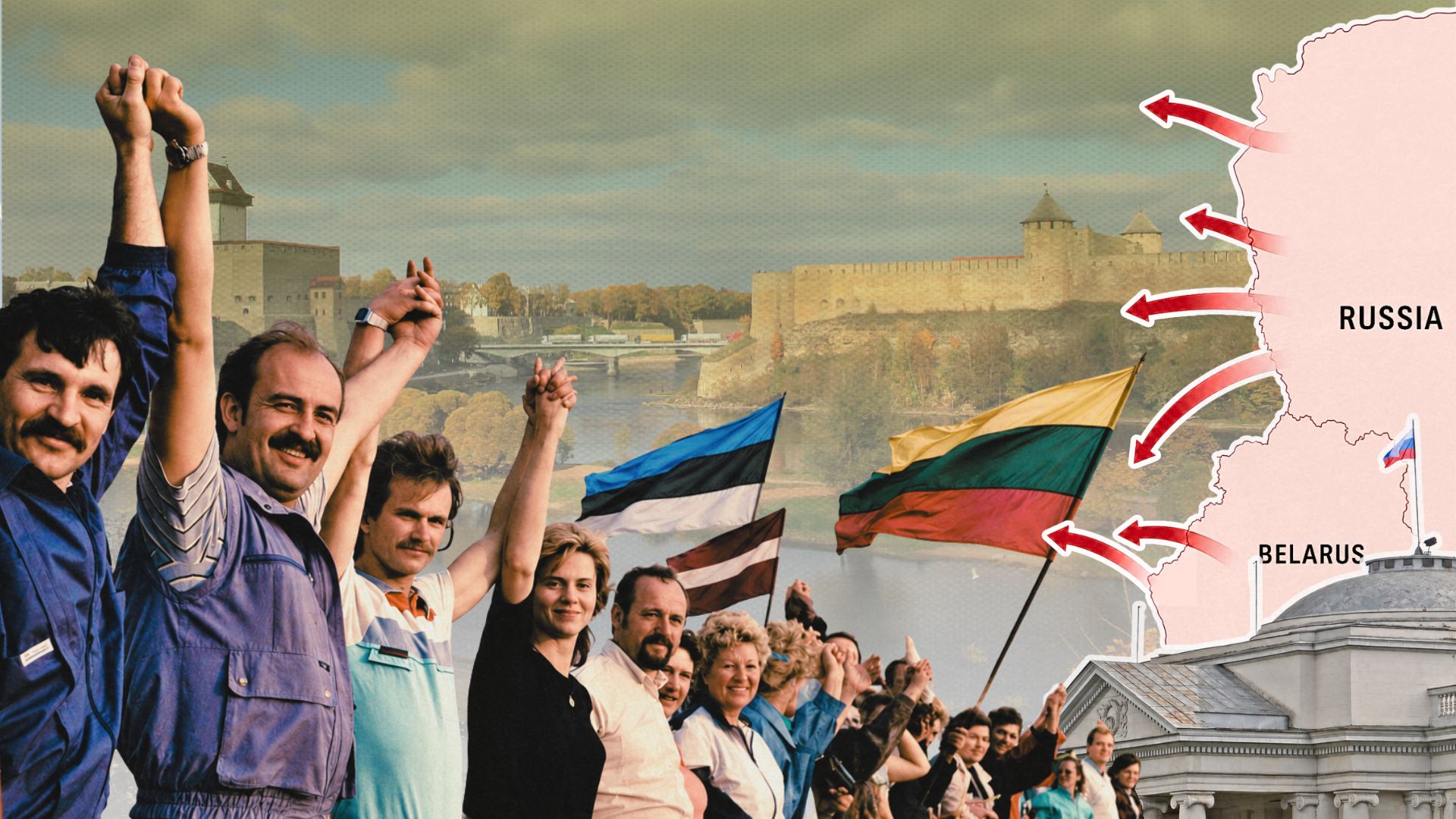
Citizens Are First in Line Against Russia’s Sabotage in CEE
21 July 2026