Economic Security
Interview
Once Inside, Montenegro Will Be Enlargement’s Strongest Advocate – INTERVIEW
13 October 2026

24 December 2025

2025 has been a rollercoaster for Visegrad countries and beyond. From populist victories in Poland and Czechia to glimmers of hope in Romania and Moldova, there was a lot to cover. Certain topics stood out among our readers: democracy, populism, war, corruption and the role of civil society in tackling the latter three.
After an electoral cliff-hanger in Poland’s presidential race in 2025, conservative candidate Karol Nawrocki, backed by Law and Justice, narrowly secured the presidency and opened a new chapter of cohabitation with Donald Tusk’s government. At the same time, Czech voters returned Andrej Babiš to power at the head of a populist coalition sceptical of the European Union’s green, migration and Ukraine policies.

In Brussels, the response has been to double down on safeguarding liberal democracy through the new European ‘Democracy Shield’ and a stronger strategy for civil society. All this happened alongside razor-thin victories of pro-European candidates in Romania and Moldova.
In Ukraine, the war held on for its fourth year as major corruption cases were unfolding alongside audacious attempts to inflict pain on the enemy. At the same time, the European Union has finally come to terms with competitiveness and the need to defend itself as the Commission introduced the instruments for both.
Here are the hand-picked stories on these topics that our readers appreciated the most in 2025.
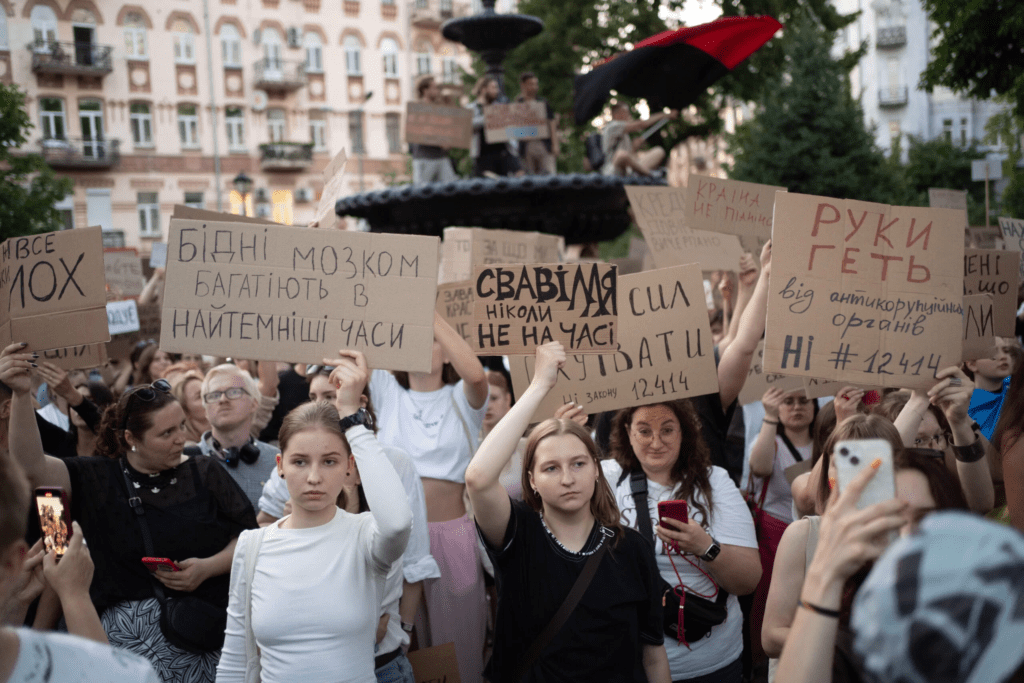
Ukraine’s anti-corruption institutions are under threat, but their hard-won successes offer a rare case of meaningful reform. In a Europe facing its own governance fatigue, Kyiv’s model deserves serious attention.
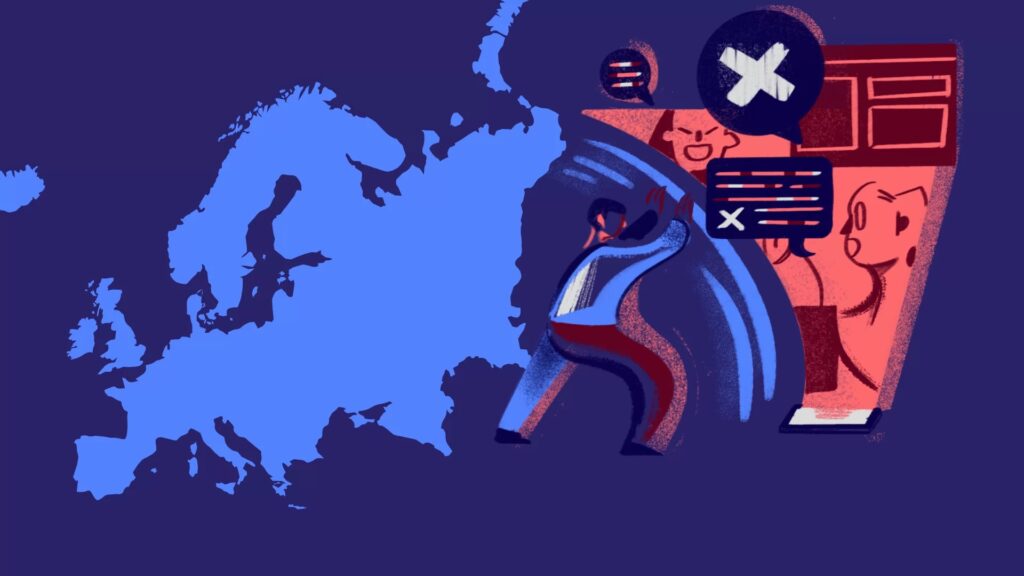
Foreign and domestic interference are converging – powered by AI, amplified by extremists and spilling into the real world. Europe must urgently adapt. Recent cases of foreign and domestic information manipulation and interference (FIMI/DIMI) in Moldova, Romania, Germany, Hungary and Slovakia have exposed critical vulnerabilities – and taught Europe seven hard lessons.
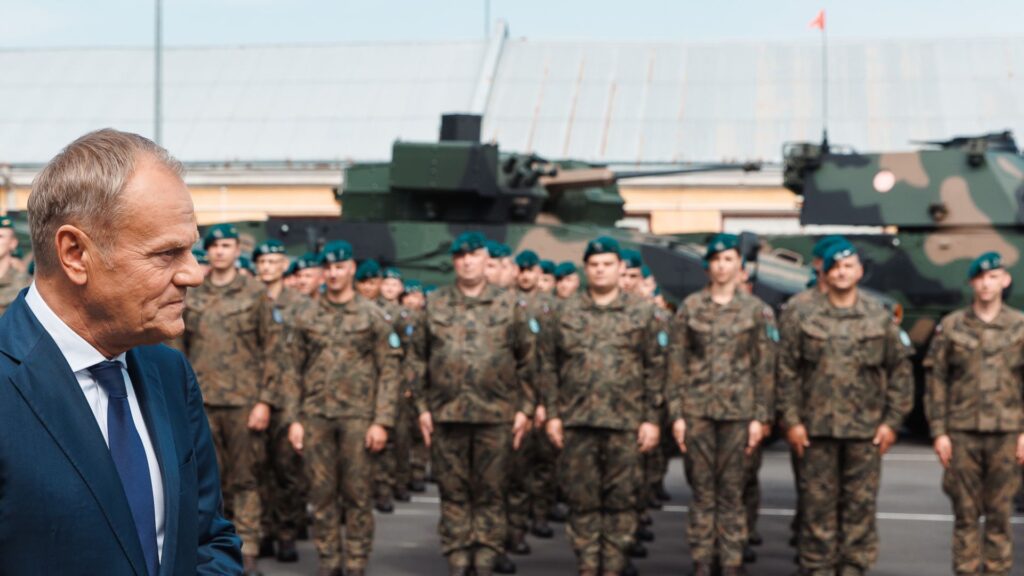
Europe faces a critical choice: defend democracy or leave it to nationalists. As military readiness declines and defence becomes a political tool, pro-democracy leaders must act. Poland’s approach — combining military preparedness with civic engagement — reflects the strategy we have long advocated and offers a model for Europe’s future security.
We must say it out loud: all of Europe must once again listen to our region on democratic security matters.
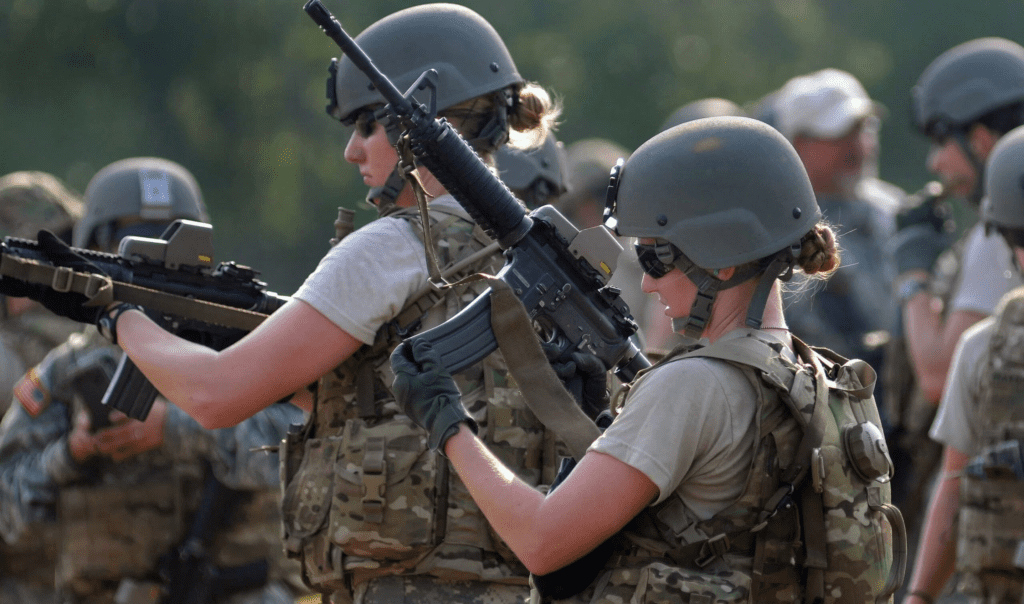
The world is moving forward, but military thinking remains stuck in the past. As Poland looks to double its army size, ignoring half the population is not just outdated – it’s strategically unsound. Women must be included, not as an afterthought, but as an essential part of national security.
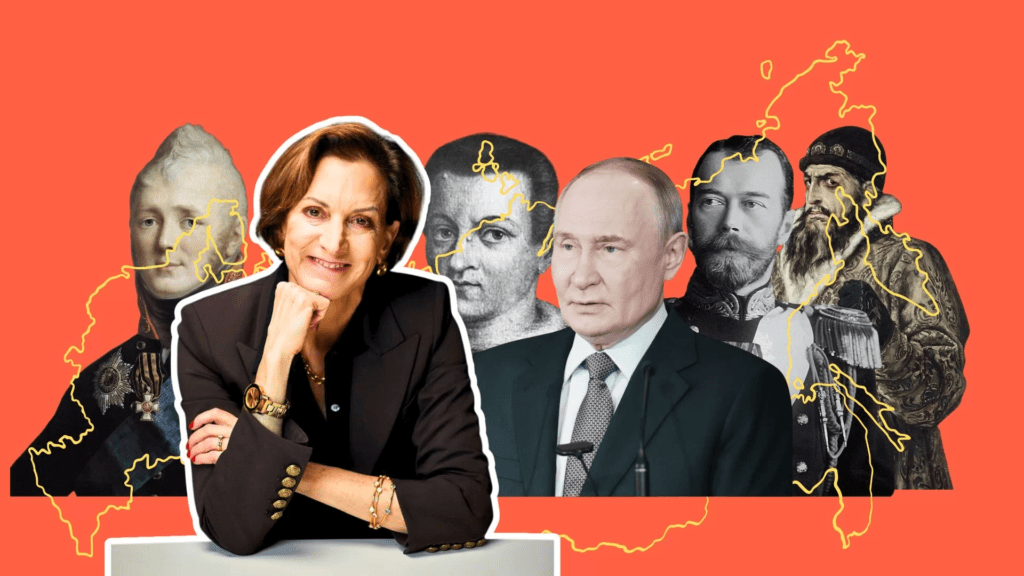
We sat down with Anne Applebaum to discuss the sustainability of political culture upholding Putin’s regime, as Res Publica Nowa was preparing a Polish-language volume on how Russia may fail.
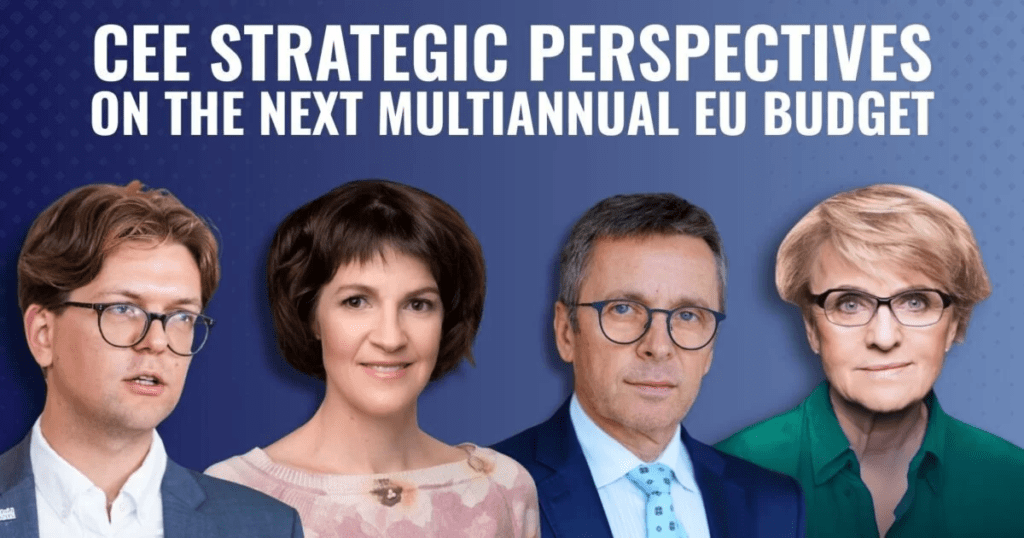
Policy leaders from across Central and Eastern Europe see the 2028-2034 Multiannual Financial Framework as the stage for their region’s ambitions about European security and competitiveness against mounting global challenges.
The Visegrad Insight debate between the Czech Deputy Minister for European Affairs, former Polish EU Commissioner, former Slovak Deputy Prime Minister for Economy and a Lithuanian Government’s Strategic Analysis Centre expert set the stage for this year’s Europe Future Forum.
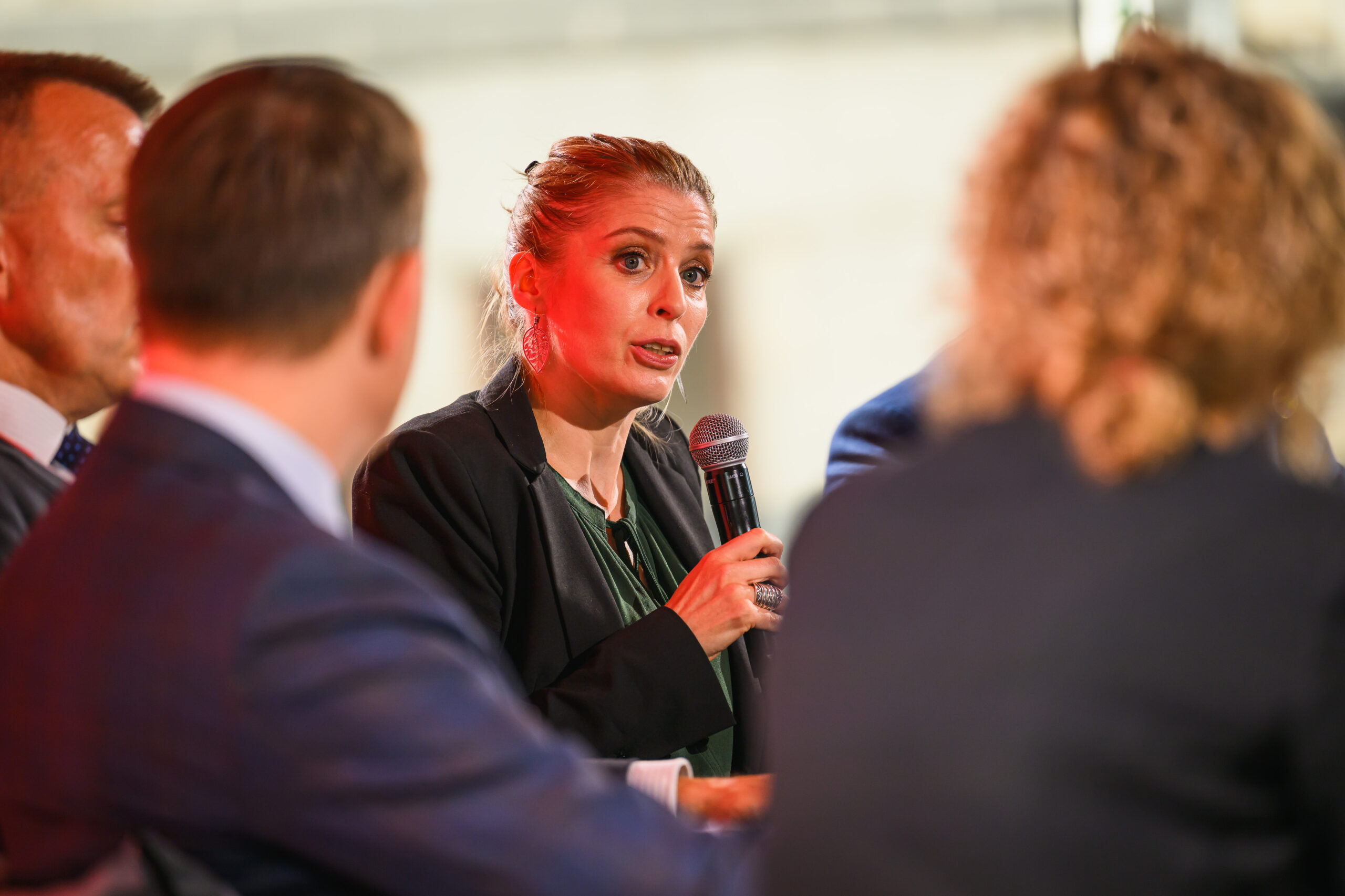
With Russia’s war in Ukraine grinding on and Kremlin subversion tactics rippling across NATO allies – from disinformation campaigns to energy blackmail – Czechia’s recent parliamentary elections could heavily influence Central Europe’s defence posture. Yet amid the unknowns– will Babiš pivot towards Brussels-sceptic allies like Viktor Orbán, or hedge with pragmatism?

Thank you for being by our side this year. At the beginning of 2026 our regular subscription prices will increase. This is the final moment to lock in your subscription at our lowest promotional rate. Get 50% off an annual subscription and pay only 20 euros a year. Apply VisegradYear2025 discount code at checkout. Hurry up – the offer expires on 31 December!
Democratic security comes at a price. What is yours?
Subscribe now for full access to expert analysis and policy debate on Central Europe.
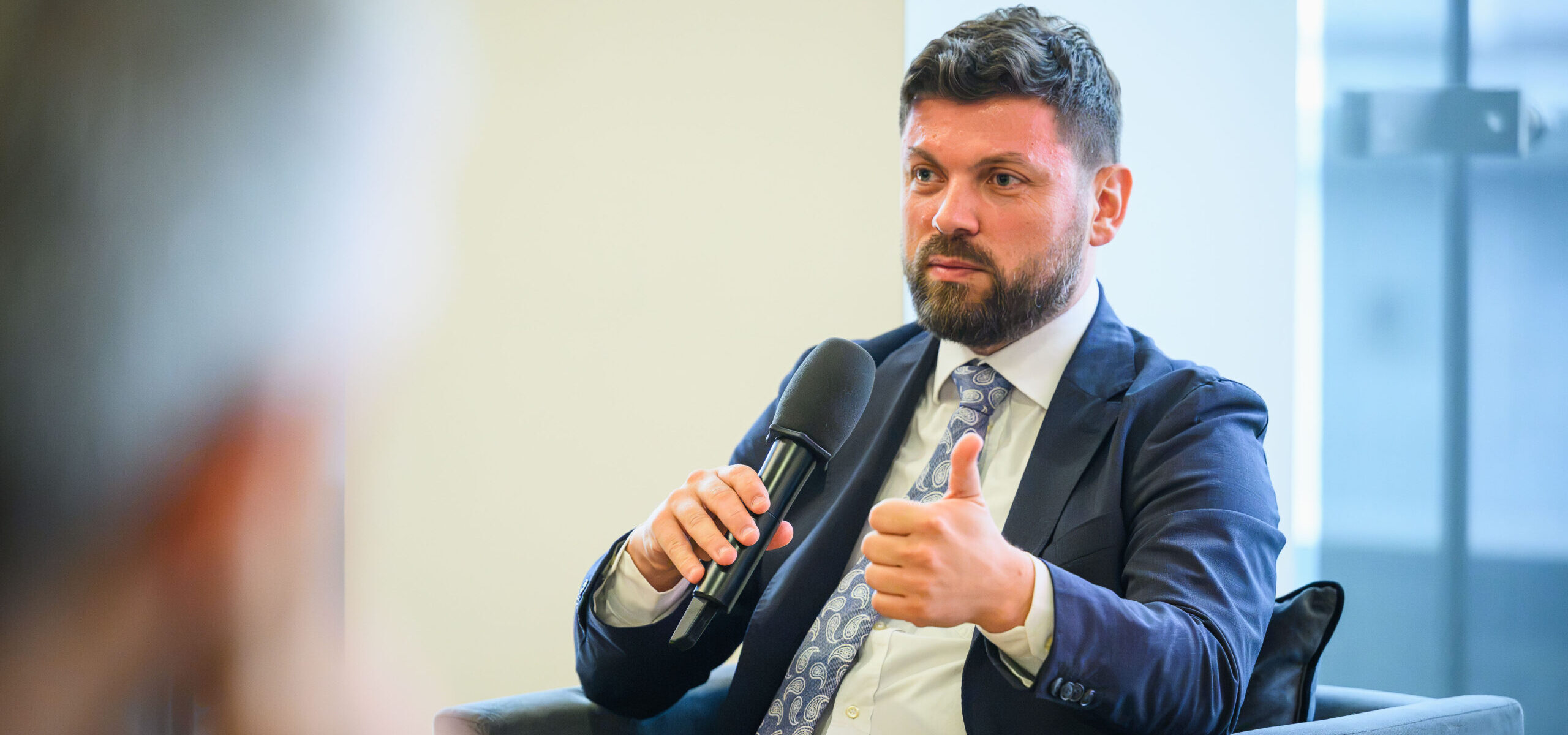
Economic Security
Interview
Once Inside, Montenegro Will Be Enlargement’s Strongest Advocate – INTERVIEW
13 October 2026
Democratic Security
Interview
Russia Has Learned That Chaos Is Cheaper Than War – INTERVIEW
9 October 2026
Commentary
Democratic Security
Poland’s Power Needs a Purpose
8 October 2026
Commentary
Democratic Security
Buy American, Build European? CEE’s New Defence Strategy
7 October 2026