How Post-Orbán Hungary Could Reshape the Western Balkans

The Western Balkans may not be Magyar's foreign policy priority, but Hungary will remain deeply engaged in the region

22 May 2026

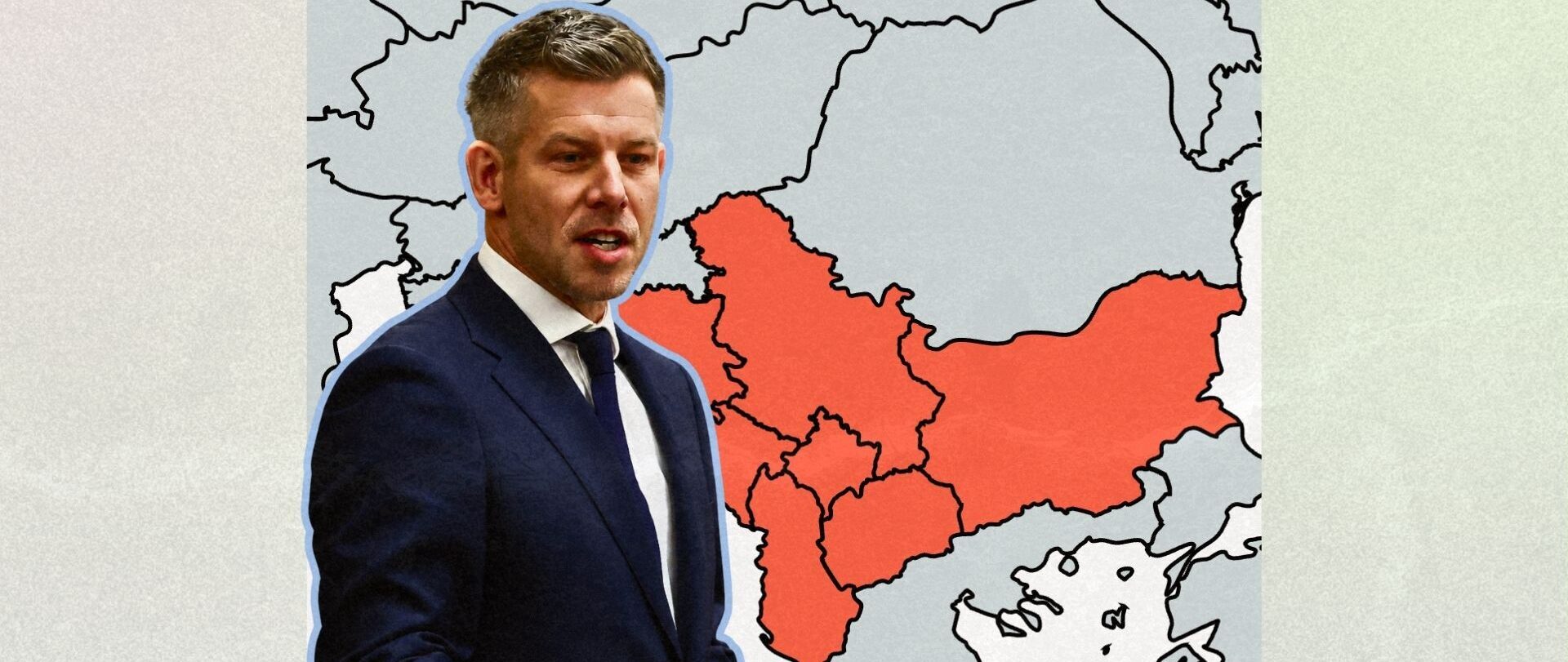
Serbia will submit its final proposal to MOL today regarding the Hungarian oil company’s bid to acquire NIS, Serbia’s only oil refinery operator. The collapse of the Orbán model creates uncertainty, but also strategic openings for both Hungary and the region.

Hungarian businesses invested in the Western Balkans long before Orbán, the region is home to significant Hungarian minorities and is of strategic importance to Hungary. From the practical point of view, the downfall of the Orbán regime carries several implications for the region.

First, Hungary, as a political sponsor of a different model of EU accession, is largely gone. For more than a decade, Orbán’s Hungary functioned as an alternative interpretation of what EU membership could look like – formally European, economically integrated, yet politically illiberal, highly centralised, deeply clientelist and strategically open to Russia and China.
Subscribe

Democratic security comes at a price. What is yours? By subscribing or donating now gain access to analysis, forecasts and scenarios by leading analysts and reporters who monitor democratic risks and develop policy debate from Central Europe on Central Europe.

MonthlyVAT included

€6/month

See all details

  • Full access to articles and all reports in PDF
  • Weekly outlook on democratic security in CEE delivered by e-mail
  • Weekly newsletter with essential highlights
  • Invitations to all Visegrad Insight events online and offline

AnnualVAT included

€60/year

See all details

  • Individual subscribers only. Check our CORPORATE OFFER below
  • Almost 17% discount (12 EUR off monthly cost if paid annually)
  • Full access to articles and all reports in PDF
  • Weekly outlook on democratic security in CEE delivered by e-mail
  • Weekly newsletter with essential highlights
  • Invitations to all Visegrad Insight events online and offline

Institutional

GO TO CHECKOUT

See all details

  • Access to all articles for your team
  • Access to all Reports for your team
  • Every Monday a Weekly Outlook with an update on key developments in Central Europe delivered by e-mail
  • Every Thursday a newsletter with the most important highlights and invitations
  • Personal invitations to Visegrad Insight Events
  • Foresight, policy, and risk analysis reports (on-demand)

I am a representative of an institution/business. Is there a corporate offer?

The annual subscription for up to ten institutional users: EUR 999
GO TO CHECKOUT

For a tailor-made offer email us: contact@visegradinsight.eu 

  • Access to all articles for your team
  • Access to all Reports for your team
  • Every Monday a Weekly Outlook with an update on key developments in Central Europe delivered by e-mail
  • Every Thursday a newsletter with the most important highlights and invitations
  • Personal invitations to Visegrad Insight Events
  • Foresight, policy, and risk analysis reports (on-demand)

Intelligence prepared by a group of Visegrad Insight Fellows from all across

Can I receive an invoice?

Yes. You will receive a receipt immediately after purchase and a VAT invoice upon request. The subscription amount includes tax. In case of a donation, there is no tax.

Are my credit card details safe?

Yes. The payment is processed by STRIPE www.stripe.com entrusted also by Amazon, Zoom, Booking.com and used by other global NGOs and businesses in the world. We do not store your credit card details.

How modify or cancel my subscription?

At any moment you can manage your subscription and account details. Sign in to modify or cancel.

Goran Buldioski

Goran Buldioski is a Senior Fellow at the Hertie School, affiliated with the Jacques Delors Centre. He supports the Office of the President in designing and developing new initiatives on democracy, contributes to Executive Education programs, and conducts policy research on Eastern EU affairs, focusing on rule of law and EU policy. Over 19 years at the Open Society Foundations (OSF), Goran held key roles such as Program Director for Europe and Central Asia, Executive Director for Europe, Director of the OSF Berlin Office, and Director of the Think Tank Fund. His career has centered on democratic transitions in Eastern Europe, policy research development, and the role of civil society and philanthropy in Europe. Goran holds graduate degrees in public policy from Central European University and in organizational behavior from George Washington University. He is also a member of the European Council on Foreign Relations (ECFR).

Newsletter

Weekly updates with our latest articles and the editorial commentary.