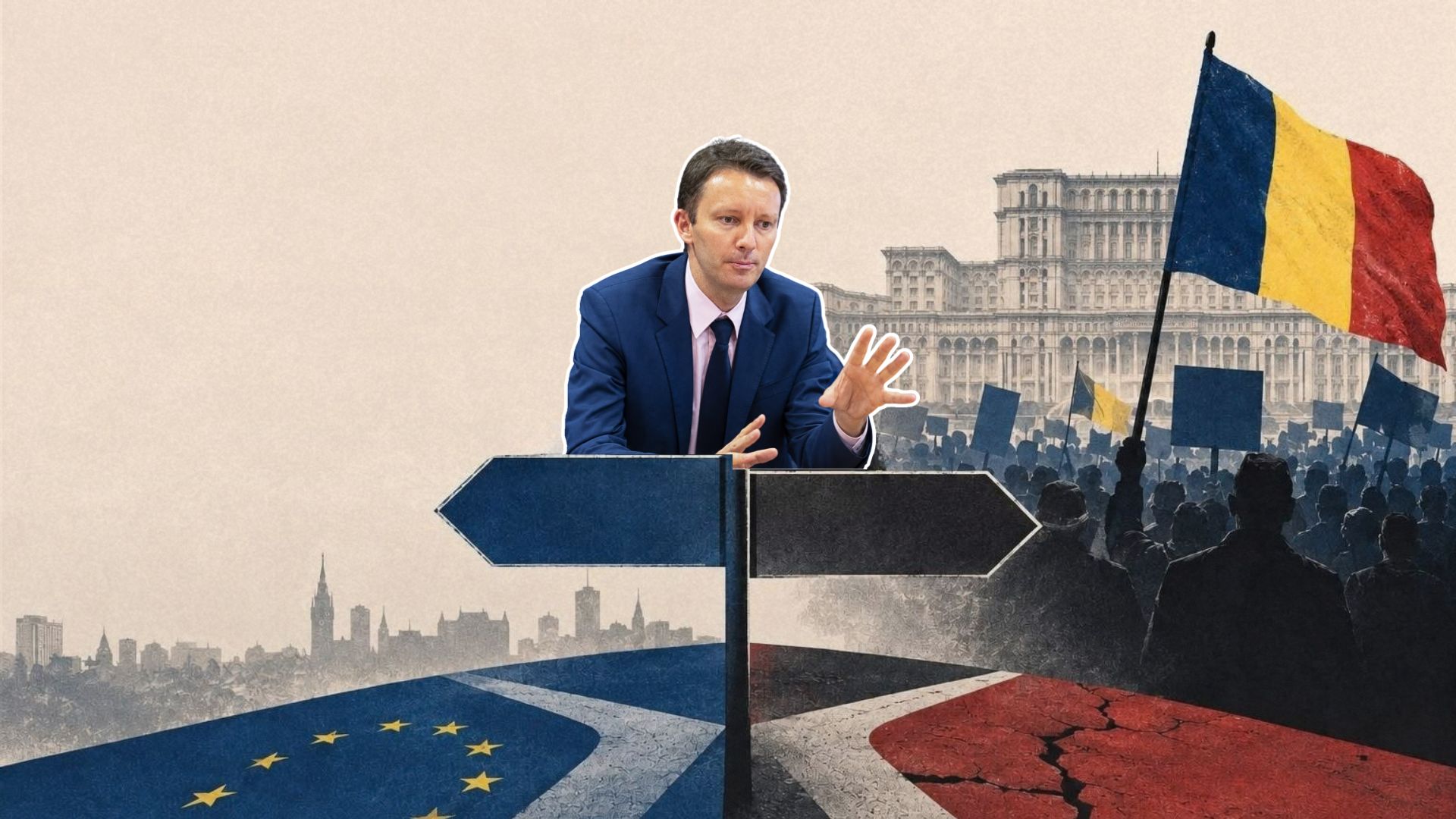
With 99% of votes counted, Maia Sandu has defied expectations and won the Moldovan presidential run-off with 55% of votes – to Aleksandr Stoianoglo’s 45%. This is despite ‘massive interference’ from Russia, both at home and abroad. It is a huge win for Moldova and the EU’s democratic outlook – and a signal as US voters soon cast their final ballots.
Upcoming on Visegrad insight
- EVENT: US Elections’ Impact on CEE Security. 6 November, 3:00 PM CET. CLICK HERE to register
- Roch Dunin-Wąsowicz breaks down how CEE business investment could transform Ukraine and bolster Europe’s economic and political future.
- Marco Nemeth will be covering the EU commissioner hearings in Brussels.
- Valeriia Nowak looks into the EU’s recent enlargement report and the demanding work ahead in Ukraine’s EU membership journey.

Budapest set to host informal EU summit with Georgia as a priority – a week after Orbán’s controversial visit to Tbilisi
GLOBAL/REGIONAL
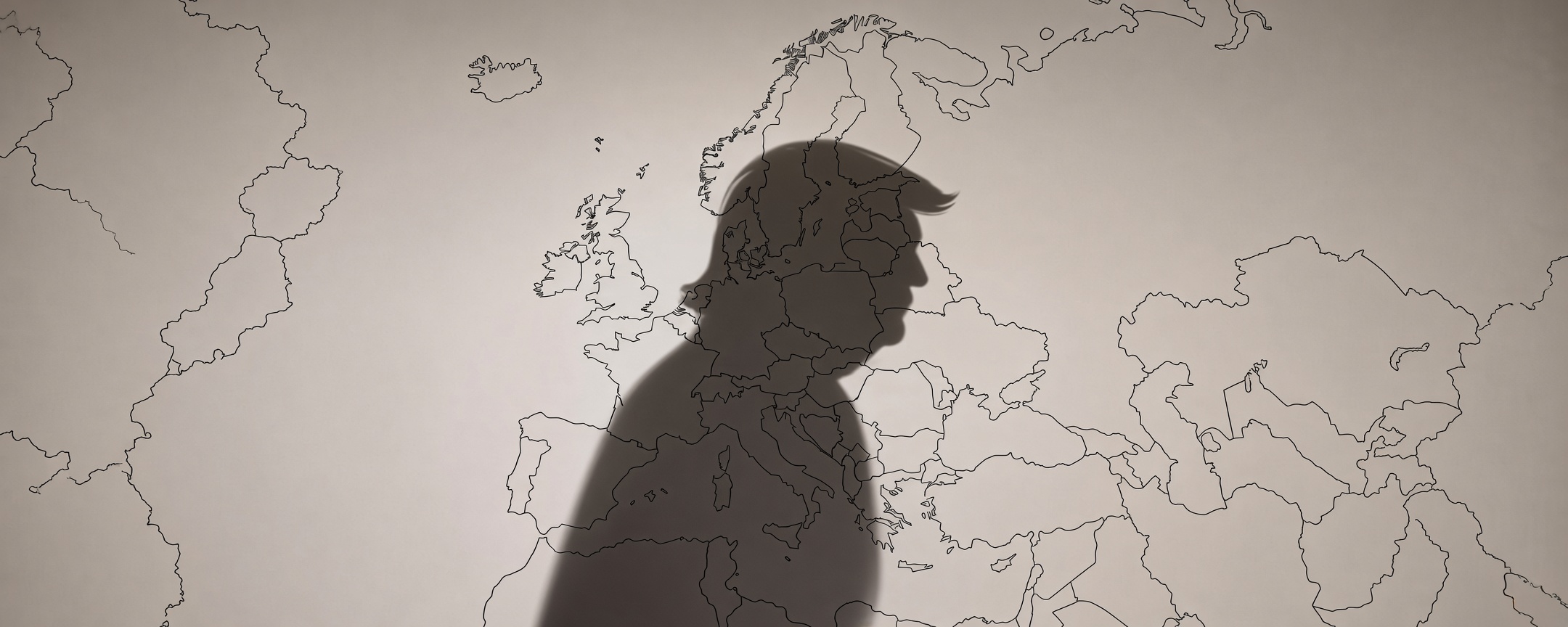
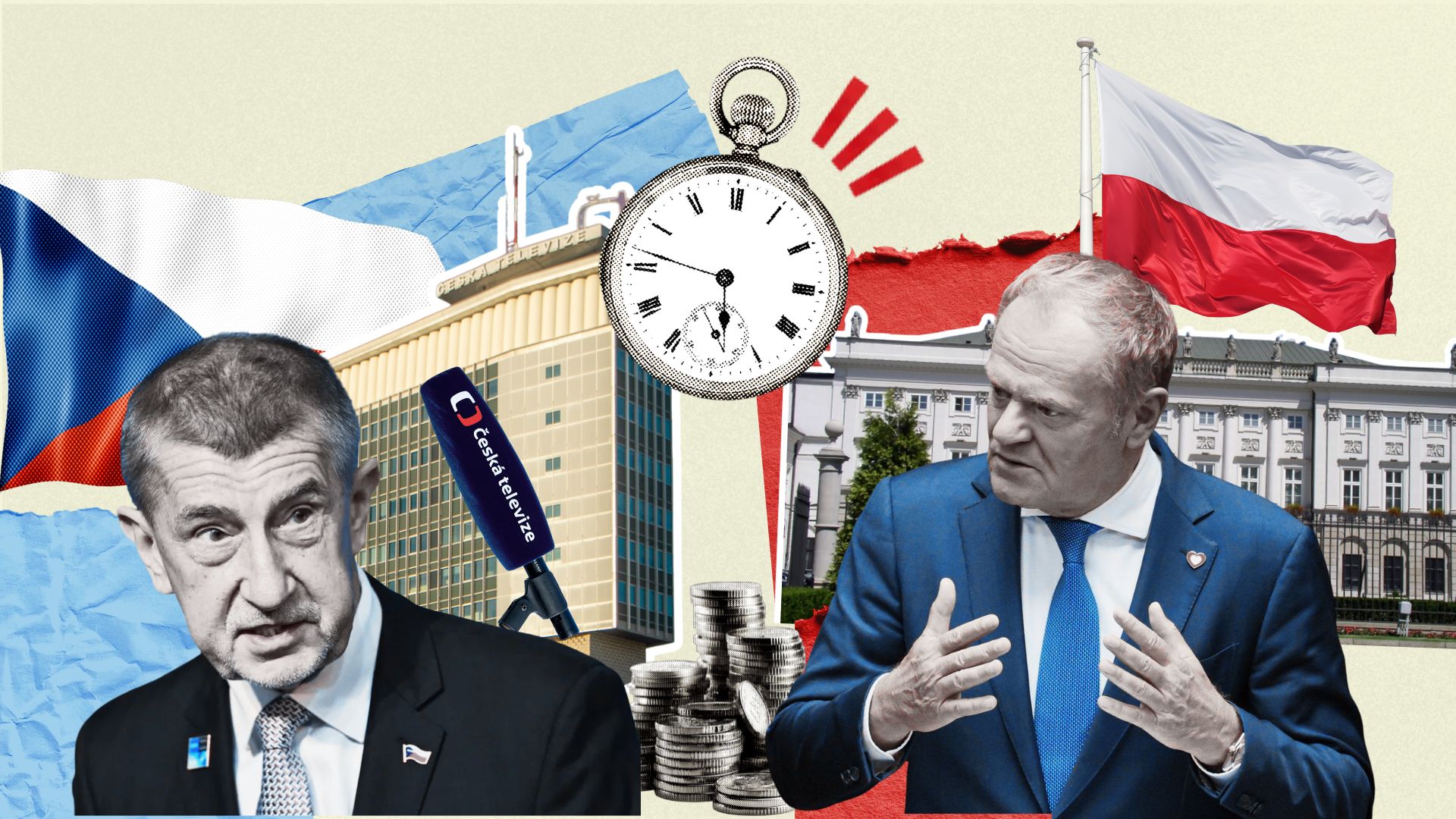
- Donald Tusk and Viktor Orbán presented alternative interpretations of the US elections on 5 November last week: appeasement versus strength.
- After wishing Donald Trump ‘the best of luck,’ the Hungarian PM said repeatedly that the ex-POTUS ‘will bring us peace!’ In turn, ‘We (in Europe) need to realise that if there will be a pro-peace president in America…then Europe cannot remain pro-war.’
- The Polish PM had a firm rebuttal: ‘Harris or Trump? Some claim that the future of Europe depends on the American elections, while it depends first and foremost on us. On condition Europe finally grows up and believes in its own strength.’
- What could EU-US relations look like after the US elections?
- 13 EU member states criticised Orbán for his ‘premature’ visit to Georgia after the country’s much-disputed election, asserting in a joint letter that the Hungarian PM doesn’t speak on behalf of the bloc despite holding the EUCO presidency.
- Tensions rose again on 30 October, as Hungarian officials snubbed a Budapest meeting of NATO countries stationed in Hungary, meant to discuss Budapest’s policy of encouraging ties with Russia and China.
- How ironic, then, that Budapest will host the European Political Community Meeting and an informal EU summit on 7 and 8 November – with Georgia now a key topic (alongside competitiveness, a sovereignty fund, US elections and Ukraine.)
- Despite previous boycotts in protest against Orbán’s self-acclaimed peace mission, only the Baltic states and some Nordic countries may skip these Budapest events.
- Germany, France, Poland, the Netherlands and Portugal demanded ‘an impartial inquiry of complaints and remedy of the violations established,’ before EU leaders put Georgia’s accession process on hold on 30 October.
- Three opposition parties have called for Georgians to hit the streets today to protest against the disputed election results – after research firm HarrisX said on 31 October that the ruling Georgian Dream party’s win was ‘statistically impossible.’
- TEXT: How can countries in the post-Soviet space break free?
- VIDEO RECAP: Does Georgia’s future lie with Russia or Europe?
- EU tariffs on electric vehicles from China, which can peak at 45%, kicked in on 30 October – after eight rounds of negotiations with the European Commission (EC) reached no conclusion. Immediately, Chinese state-owned car maker SAIC announced plans to sue the EU. It is likely the bloc will send officials to Beijing to hold more talks aimed at finding an alternative to the tariffs.
- Why were countries like Slovakia wrong to vote against tariffs on Chinese EVs?
- A previously unannounced meeting between Chinese officials and senior MEPs failed to rebuild ties with the European Parliament (EP).
- Beijing sanctioned 5 MEPs and Parliament’s human rights subcommittee in 2021 after the EU sanctioned Chinese officials over the treatment of its Uyghur minority.
- German MEP and foreign affairs committee chair David McAllister said Chinese officials had sought a meeting that took place on 15 October – but that there was no outcome. Markéta Gregorová, a Czech Pirate MEP, criticised the meeting: ‘If my other colleagues are banned by the Chinese Communist Party to enter China, I see no reason to invite them into our institution and give them any attention.’
- The EU is set to launch an investigation into Chinese-owned e-commerce service Temu over accusations that it’s failing to curb the sale of illegal products online – in a probe that could lead to more hefty fines.
Zelenskyy criticises lack of international response as North Korean troops reach frontlines
UKRAINE
Newsletter
Weekly updates with our latest articles and the editorial commentary.