
Analysis
Democratic Security
Hungary-Ukraine Spat Gains a New Dimension – OVERVIEW
1 October 2026

2 June 2026
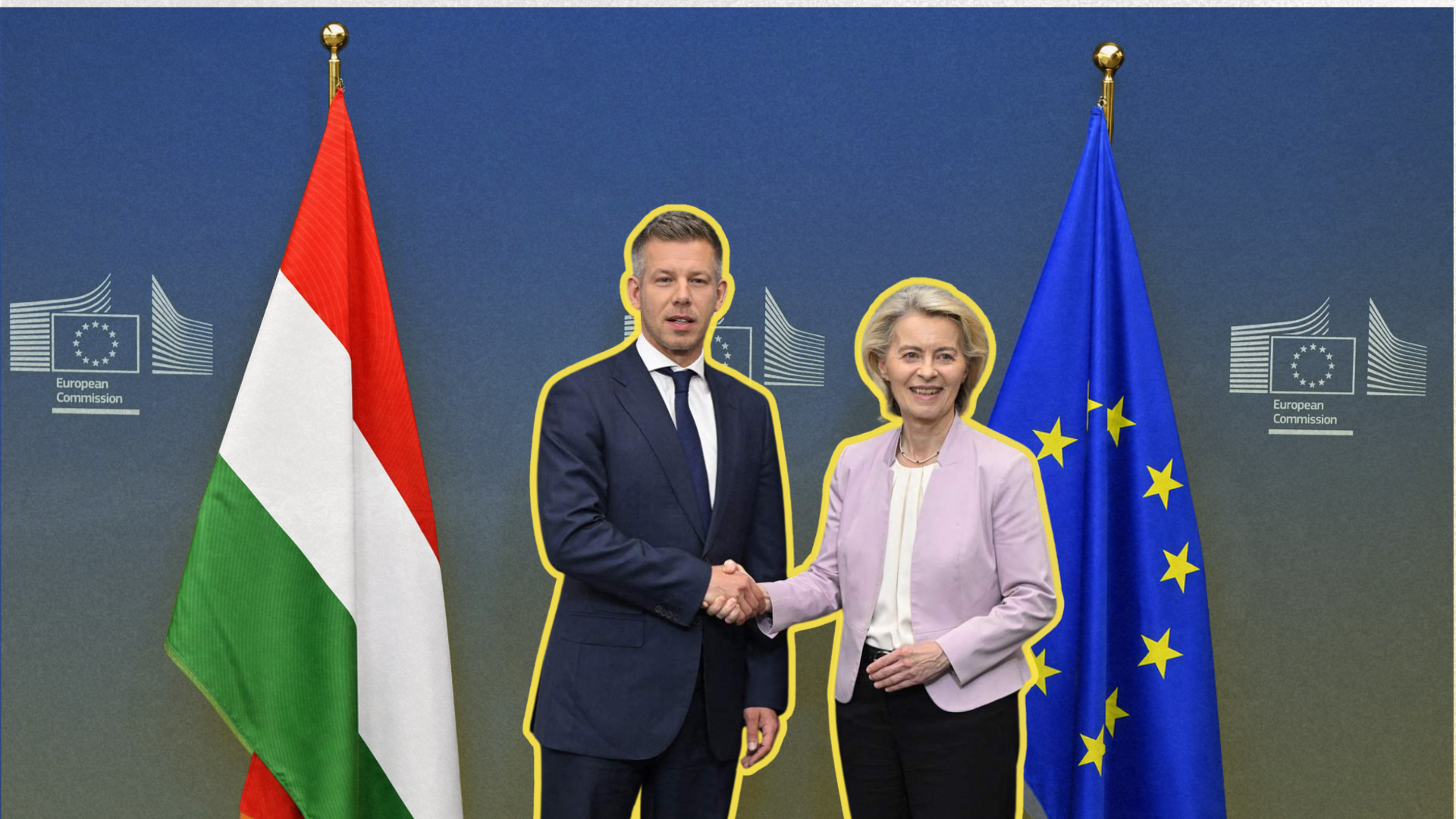
On 29 May, the new Hungarian government unlocked 16.4 billion euros in EU funds. What comes next will not only determine the country’s future, but Europe’s too.

The largest element of Hungary’s unlocked sum is a 10‑billion‑euro Recovery and Resilience Facility (RRF) package created after the pandemic, made up of 6.5 billion euros in non‑repayable grants and 3.5 billion euros in low‑interest loans. Additionally, Hungary will receive 4.2 billion euros from cohesion funds that had been frozen under the rule‑of‑law procedure, linked to anti‑corruption and judicial reforms. A further 2.2 billion euros will be released after measures to restore academic freedom, all in non‑repayable form, representing roughly 13 per cent of the annual state budget.
The coming months will be hot for Magyar’s government in more than just meteorological terms. To access the funds, it must first submit a revised Recovery Fund programme to the European Commission, which is expected to approve it in June. Then, in July, the Economic and Financial Affairs Council (Ecofin) will decide on the plan. The timetable will remain tight. As Minister of Finance, András Kármán has outlined it: ‘The milestones set out in the program must be completed by Hungary by the end of August, and once the payment requests are submitted in September, the actual disbursement of the funds could begin in the final quarter of 2026.’

Analysis
Democratic Security
Hungary-Ukraine Spat Gains a New Dimension – OVERVIEW
1 October 2026

Economic Security
Think Tank
How Poland Wants to Turn a Failing Train Maker into a Geoeconomic Asset
30 September 2026

Commentary
Economic Security
No Endgame in Von Der Leyen’s China Strategy
23 September 2026

Analysis
Economic Security
The Western Balkans Are Ageing Before Getting Rich
9 September 2026