Analysis
Economic Security
The Western Balkans Are Ageing Before Getting Rich
9 September 2026

16 June 2026
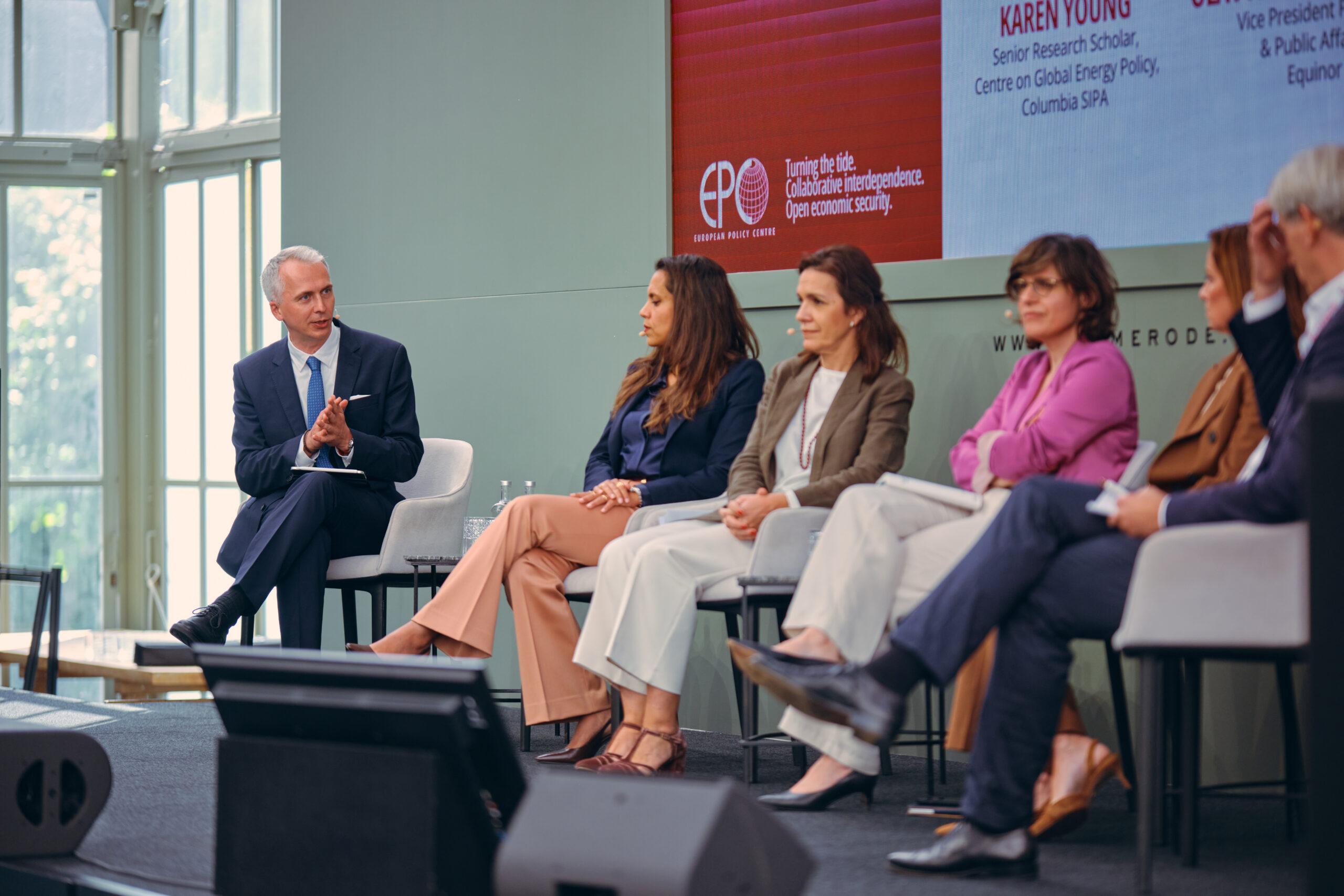
Energy leaders weighed how the disruption of the Strait of Hormuz reshapes Europe’s path between decarbonisation, diversification and domestic supply.

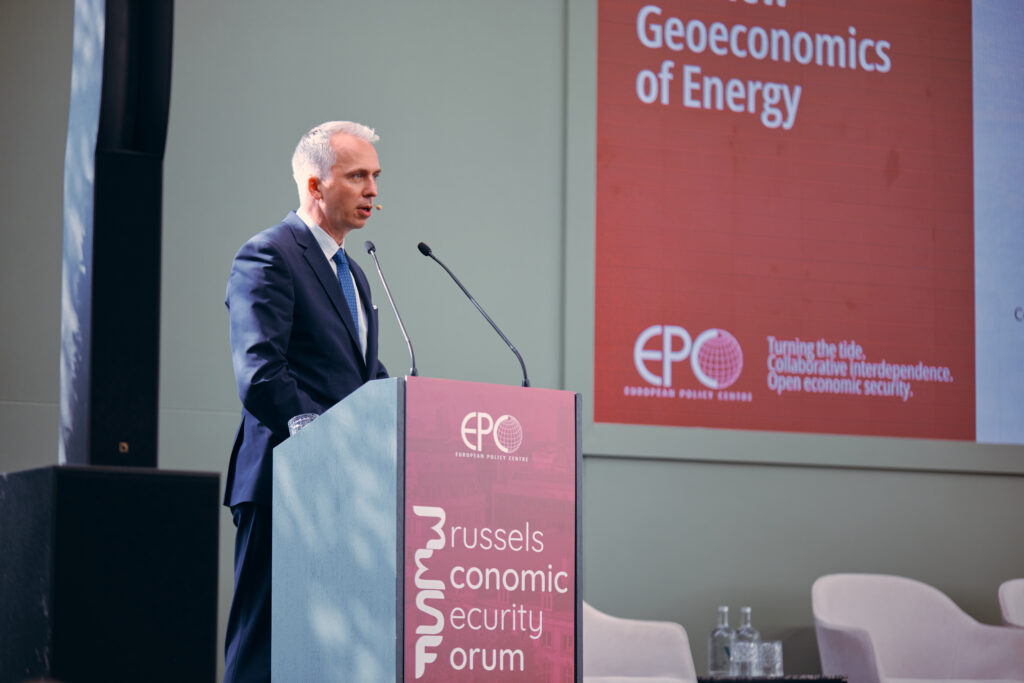
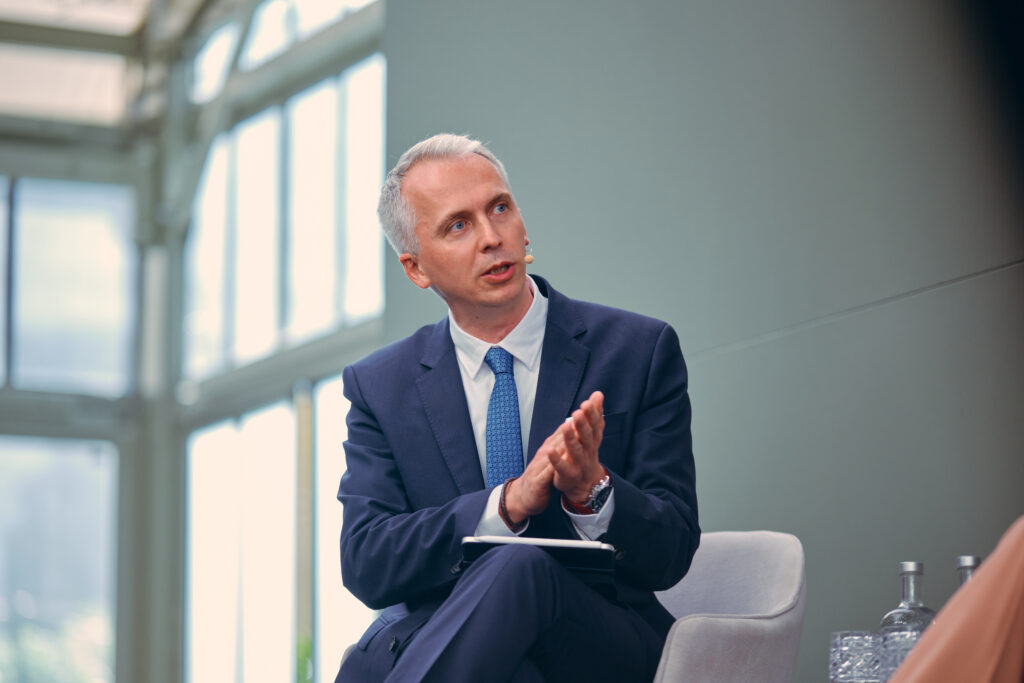
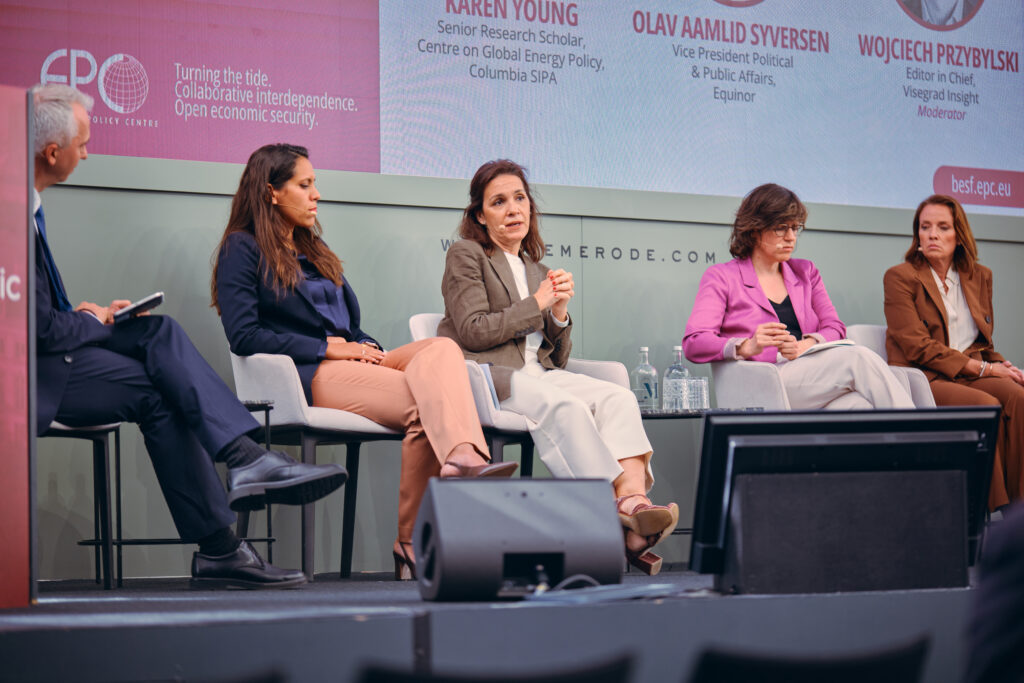
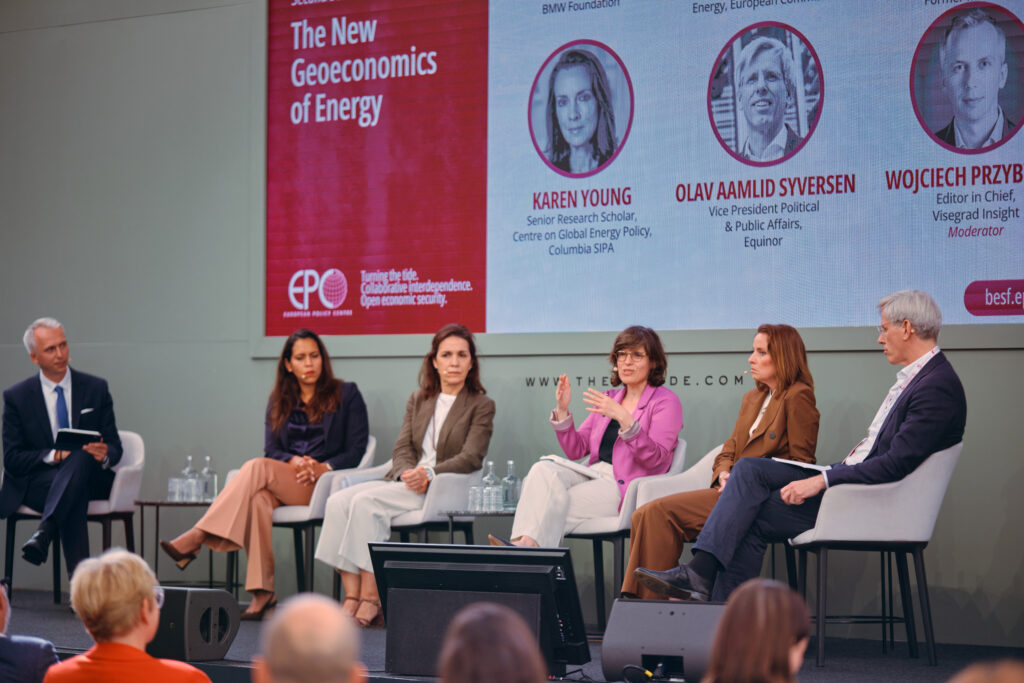
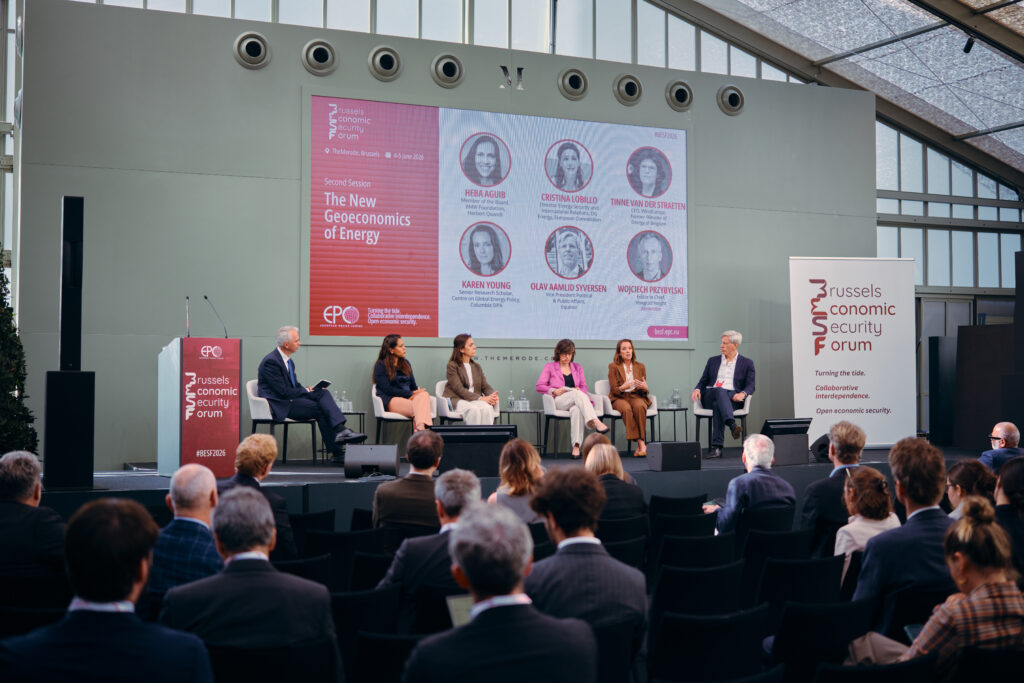
On 4 June 2026 Wojciech Przybylski moderated the session ‘Policy Deep Dive – Europe’s Financial Dependencies’and addressed the global energy crisis and market dynamics.
The disruption of the Strait of Hormuz exposed how quickly energy flows, and the economies they sustain, can be thrown into turmoil, with immediate consequences for prices, markets and geopolitical stability. The transition offers no clean escape, shifting dependencies towards critical minerals, technologies and supply chains that are increasingly concentrated and contested. The discussion asked what this new geoeconomics of energy means for Europe’s energy security, and how it will reshape geopolitics, markets and policy choices in the years ahead.
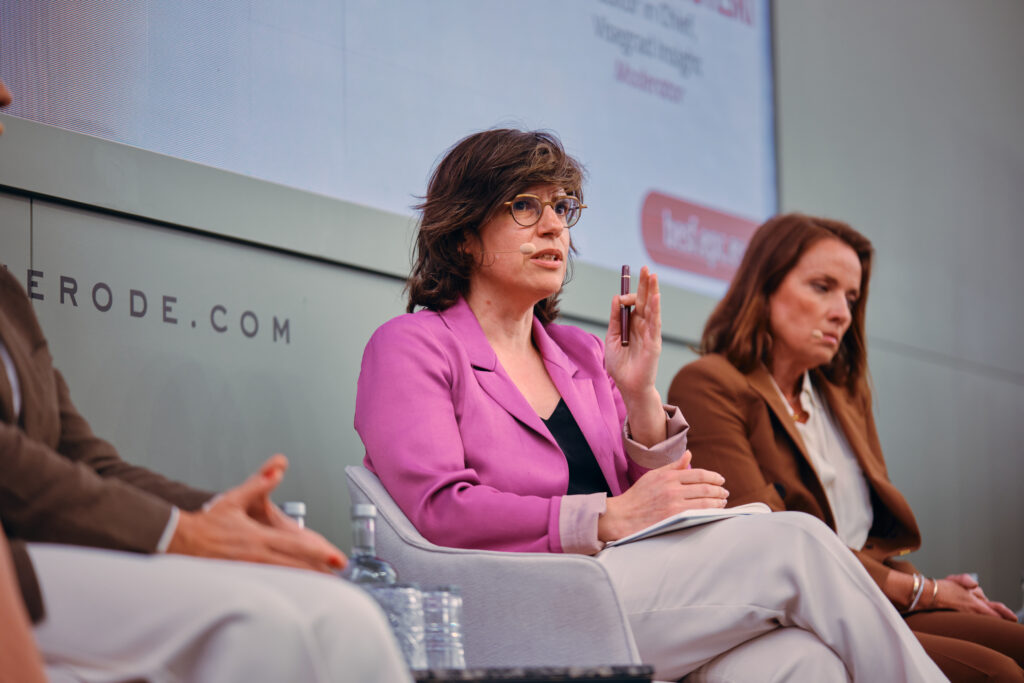
Iryna Skliar, Brussels office director at Ukraine’s state-owned oil and gas company Naftogaz, grounded the discussion in the field, highlighting the security costs involved in delivering energy in Ukraine.
Karen Young, senior research scholar at the Center on Global Energy Policy, set the tone on scale. ‘This is the largest supply shock that we have really experienced, certainly in oil markets but also in gas’, she said, warning that optimistic messaging from the White House about a quick resolution should be treated with caution, since these are very early days.
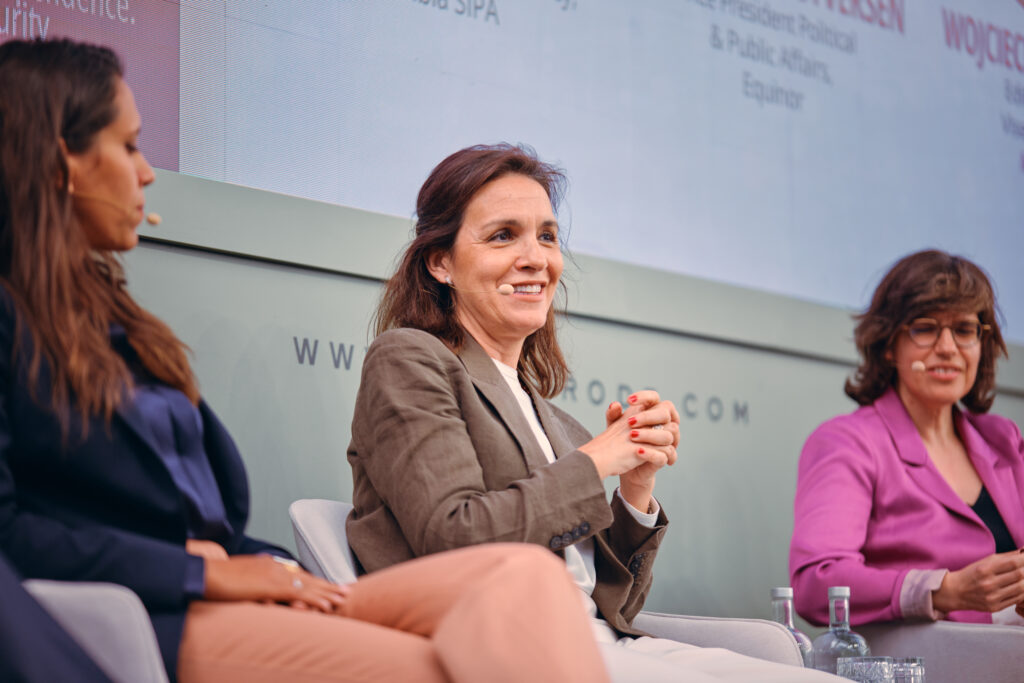
The session rejected the idea that decarbonisation dissolves reliance on others. The transition moves dependencies towards critical minerals, technologies and supply chains that are themselves concentrated and contested. Tinne van der Straeten, chief executive officer of WindEurope and former energy minister of Belgium, put the alternative directly. ‘It’s not just a case of diversification but home-grown energy […] home-grown energy is electricity. Electricity that we can produce ourselves‘, she said, adding that Europe cannot afford to sleepwalk into another dependency coming from China.
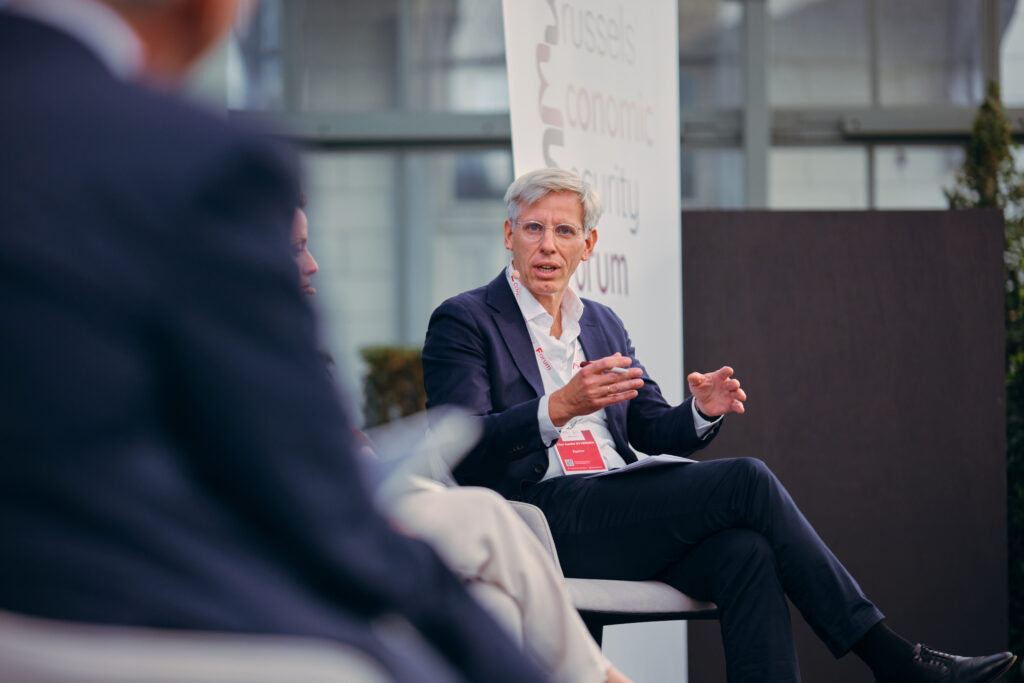
Cristina Lobillo, the European Commission’s energy security director, argued that, given the time decarbonisation requires, ‘the key in the European Union will be diversification‘, with more suppliers of gas and oil needed to avoid a repeat of four years ago. Olav Aamlid Syversen, vice-president for political and public affairs at Equinor, reinforced the bridging case from industry, pointing to the continued longevity of oil and gas and to a vast opportunity space in electrification in Europe.
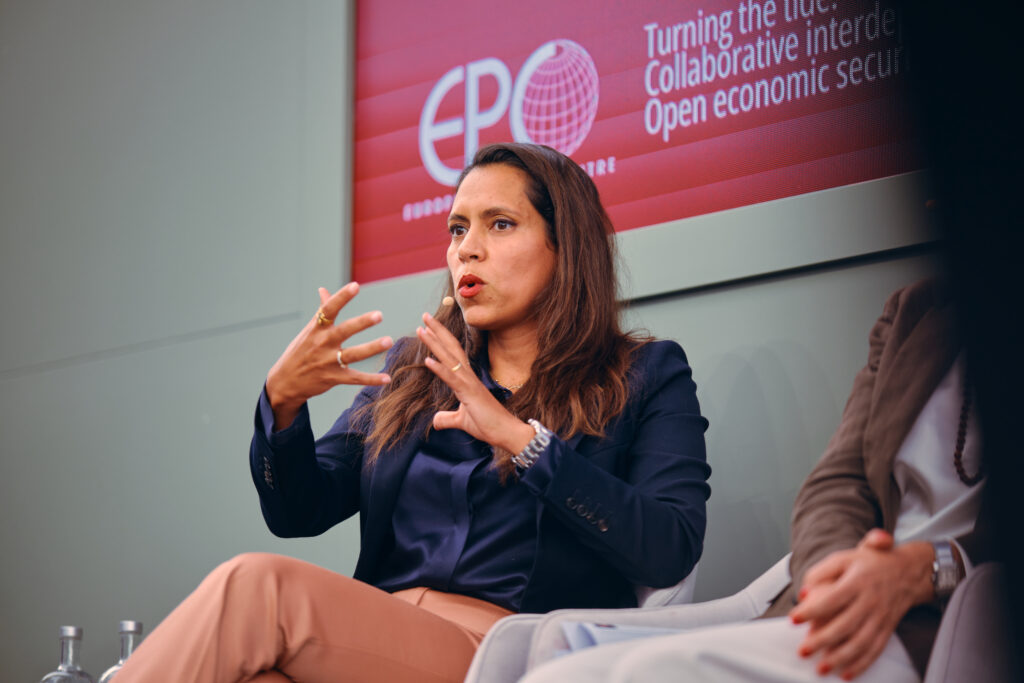
Heba Aguib from the BMW Foundation Herbert Quandt closed on capability. Europe has the technology and innovation, she argued, and the priority now, as ever, is to harness it and build a unified European energy system. That means accelerating the renewables buildout, securing supply chains that are currently insufficient, pursuing smart infrastructure investments and maintaining strong EU unity.
The panel converged on a single reading. The Hormuz disruption is a near-term shock with structural consequences, and neither rapid decarbonisation nor diversification on its own will secure Europe. Whether the bloc can build an integrated, home-grown energy system at speed, while locking in the minerals and supply chains the transition demands, will decide how exposed it remains to the next chokepoint.
We thank everyone for joining us in Brussels.
Visegrad Insight and Europe Future Forum was the Knowledge Partner of the 2026 Brussels Economic Security Forum organised by the European Policy Centre.


Democratic security comes at a price. What is yours?
Subscribe now for full access to expert analysis and policy debate on Central Europe.

Analysis
Economic Security
The Western Balkans Are Ageing Before Getting Rich
9 September 2026
Economic Security
Events
Think Tank
Europe Aligned with Iran Sanctions Long Before D-Day
8 September 2026
Events
Think Tank
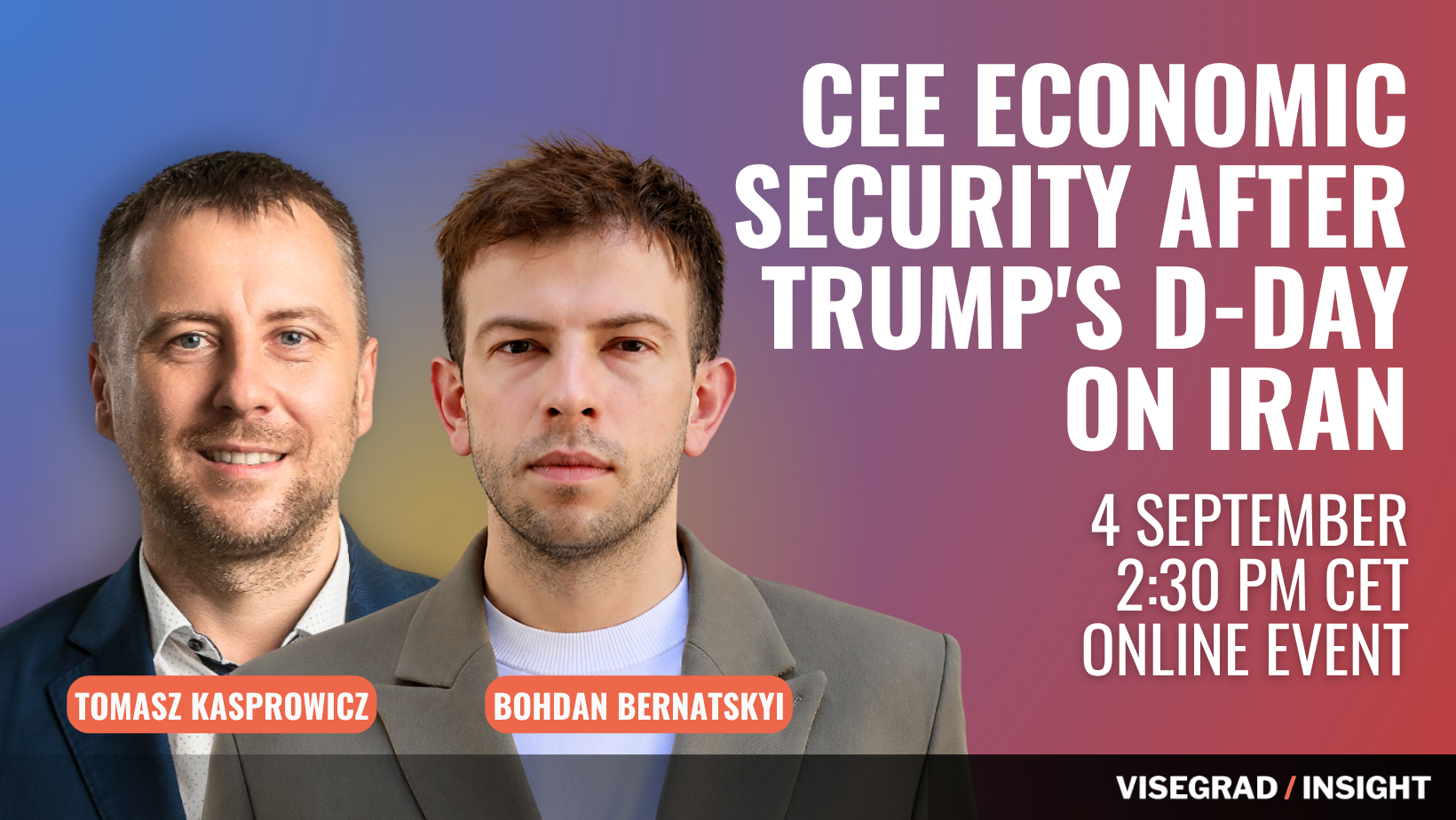
Online event: One Week After Trump’s ‘D-Day’ Against Iran – What Is There for CEE Economic Security?
1 September 2026
Events
Think Tank
European Council Has Fewer Success Stories Than Failures
28 August 2026