

13 November 2023
Navigate to:
EU Values Foresight Homepage
Shielding European Democracy – 2024 Report
How European Democracies Are to Survive a New Trump Age – 2023 Report
Horizon Scanning
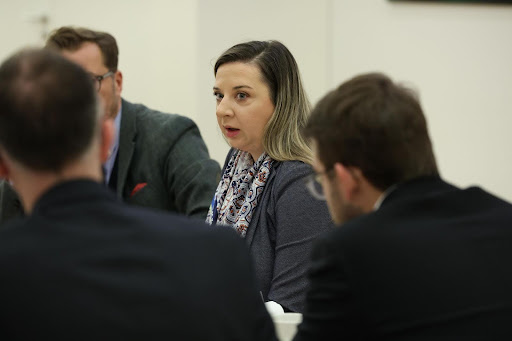
The event focused on strengthening cooperation between government and civil society in building Europe’s democratic resilience, with particular attention to public trust, community support, and crisis preparedness. The discussion brought together Slovak and Polish administration representatives, think-tank experts, and editors, drawing on insights from recent debates in Bratislava on the European Democracy Shield.
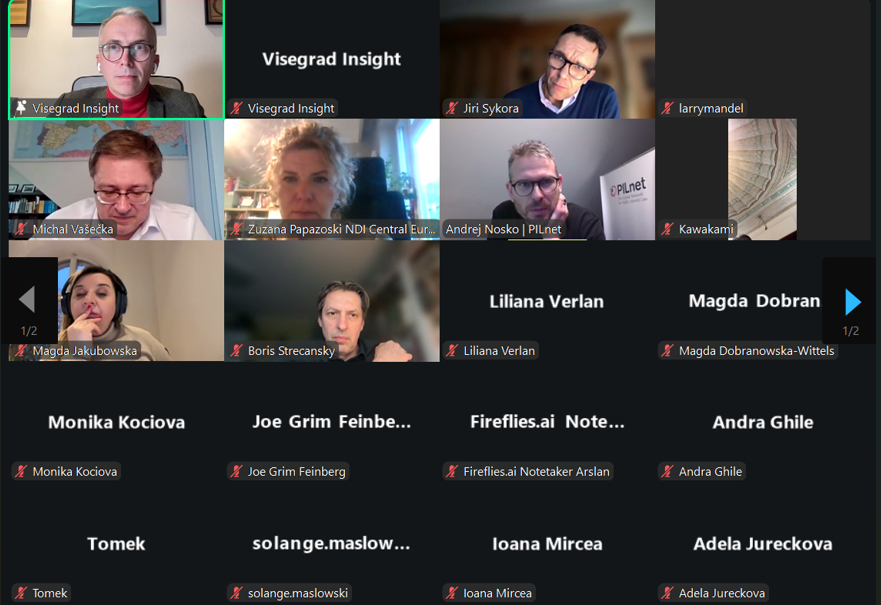
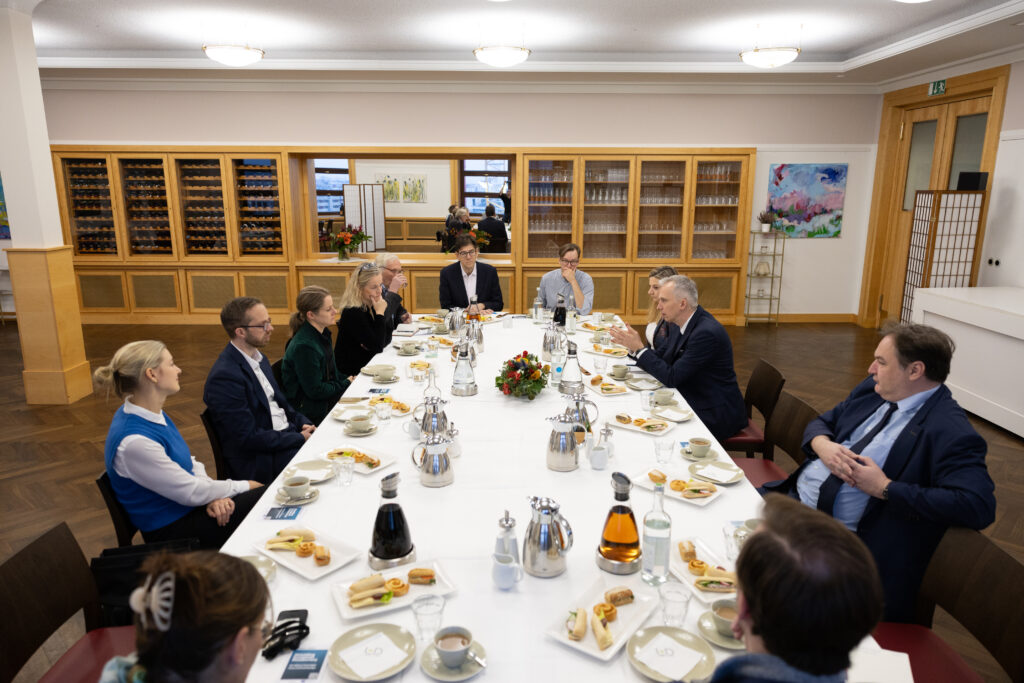
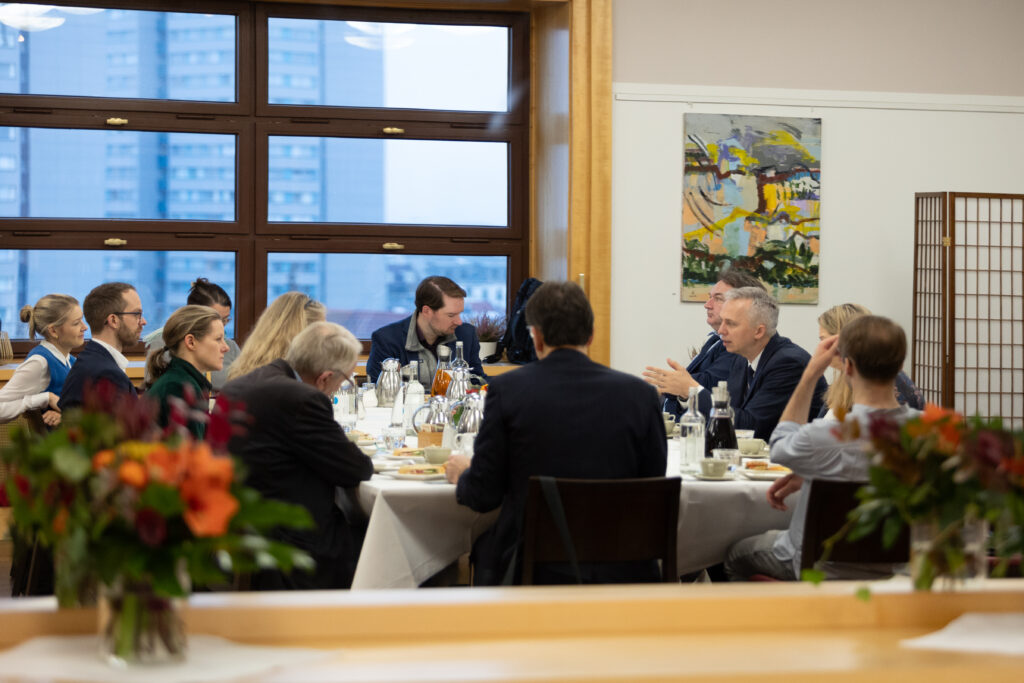
On Wednesday, 3 December, we held a closed-door roundtable with the representatives of the media, policymakers and diplomats to discuss the European Democracy Shield and its role as a tool against democratic backsliding. Participants debated on how Brussels can support civic actors in countries like Slovakia without feeding anti-EU narratives or enabling capture by hostile governments.
Members of the civil society, regional donors and diplomats argued that corruption scandals, misused EU funds and clientelistic networks have hollowed out trust, while disinformation and foreign information manipulation flourish in poorer regions that feel left behind. Pro-Kremlin narratives are no longer imported from Moscow but recycled by domestic actors and parts of the political class.
The group argued that solutions for Slovakia must start at home: rebuilding trust through civic education, local memory work and public debate, and backing independent media and community initiatives that offer credible alternatives to disinformation outlets. Anti-disinformation efforts from Brussels need to be smart and low profile so they cannot be misused in partisan battles.
Photos: Jakub Kovalík
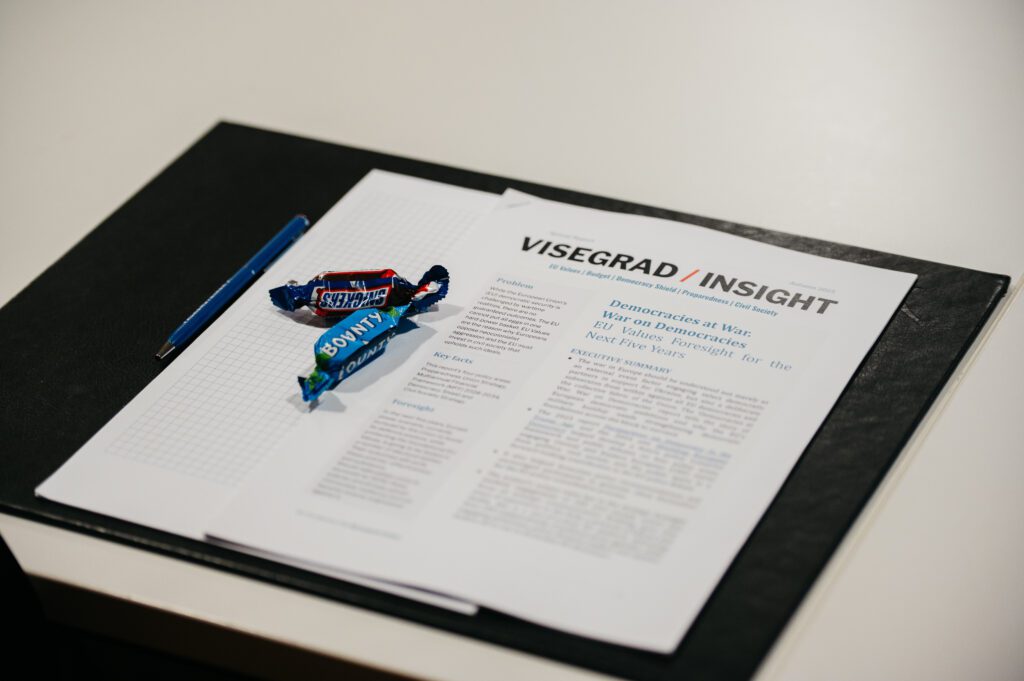
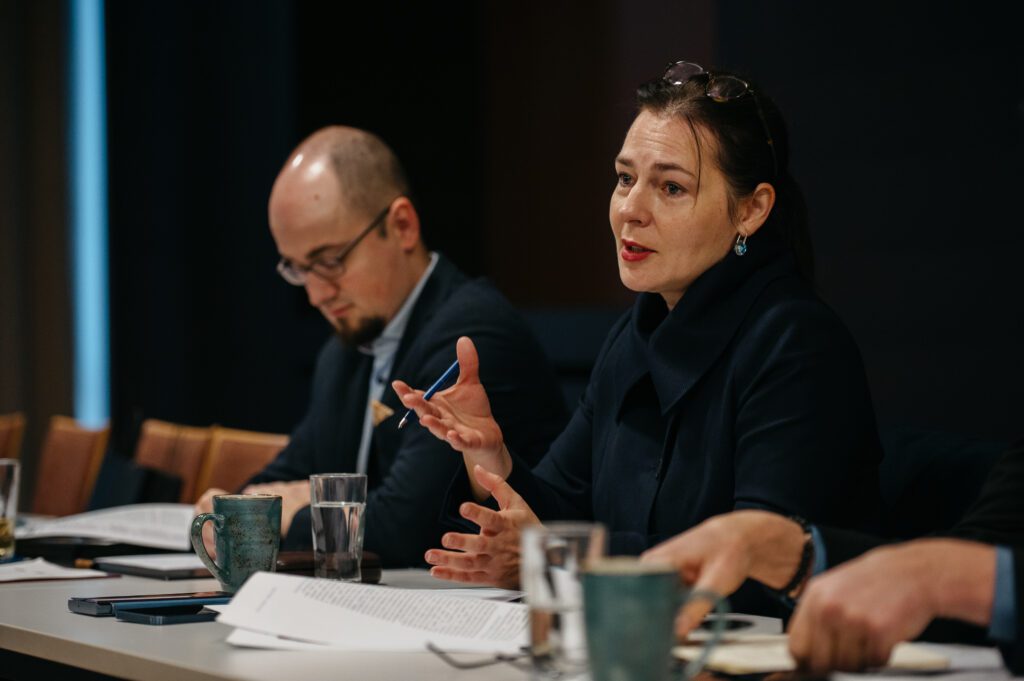
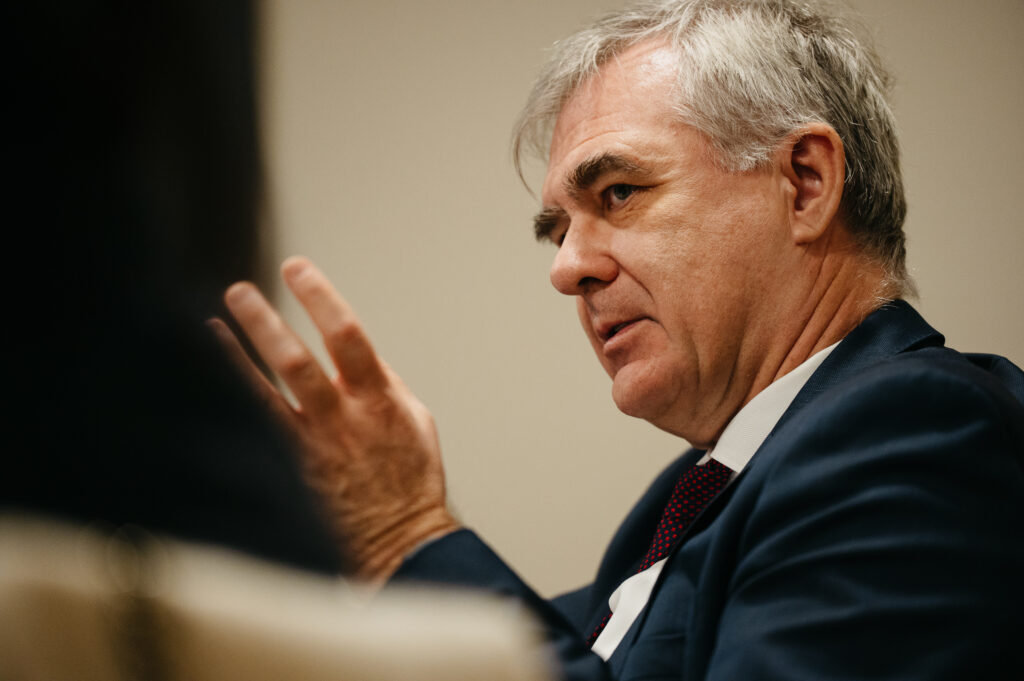
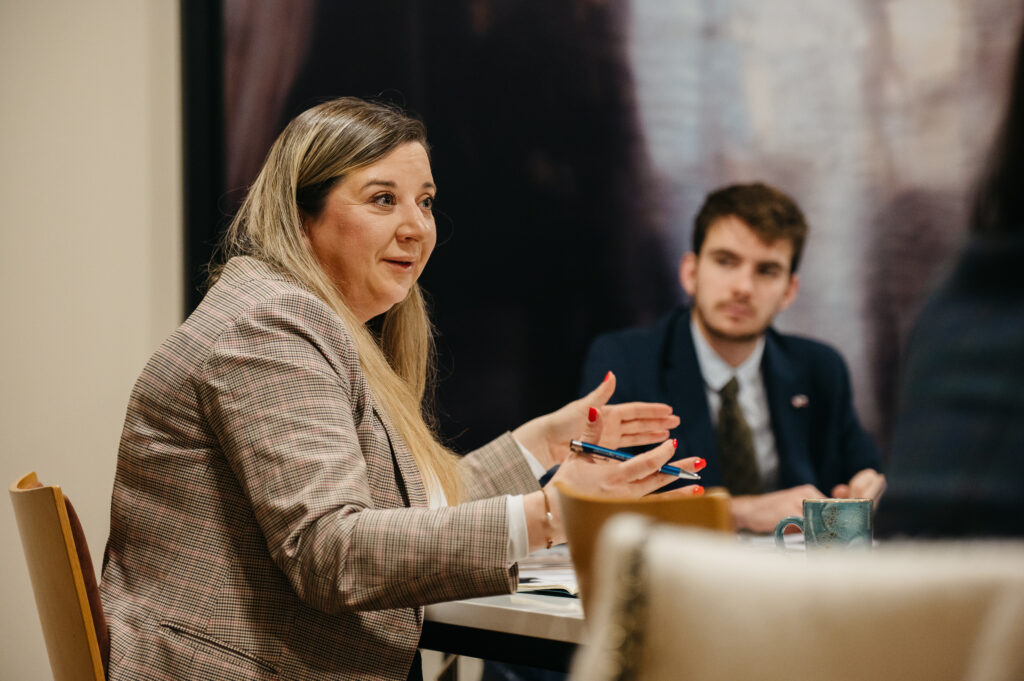
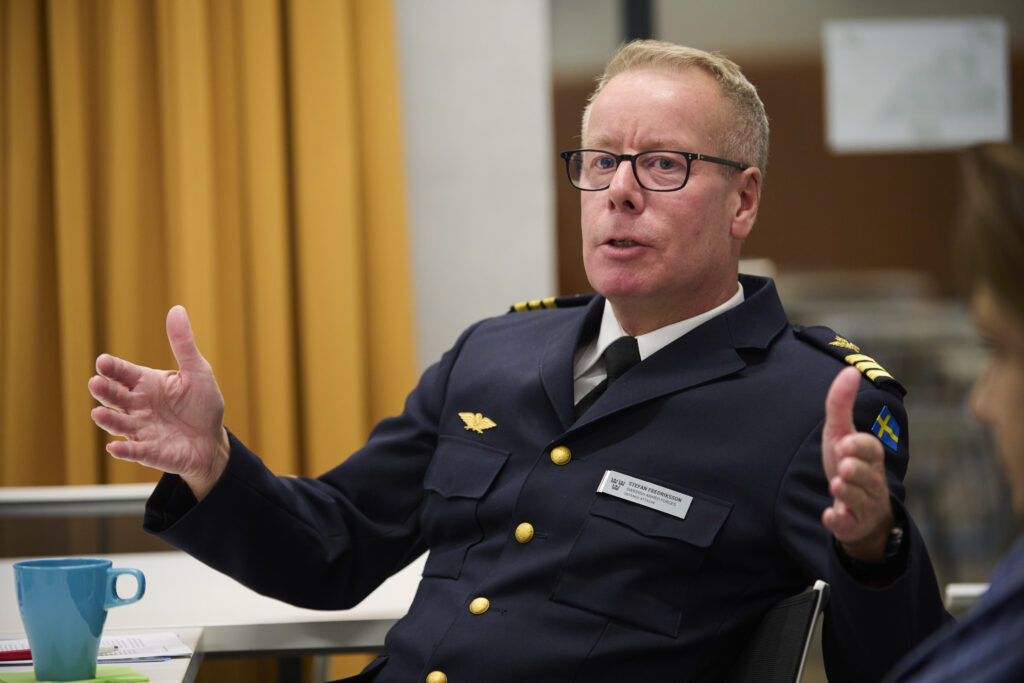
On 3 December, we gathered representatives from across the Slovak media and policymaking circles to discuss our report Democracies at War. War on Democracies using four scenarios to test how Europe can defend the public sphere from disinformation, hybrid attacks and opaque algorithms.
Beata Balogova, former editor-in-chief of SME, highlighted that treating disinformation as something journalists must fix on their own misdiagnoses the problem and lets political actors avoid responsibility.
Hanna Shelest, director of security programmes at Ukrainian Prism, stressed the difference between classic total defence (mainly a government responsibility) and national resilience, which also covers individual preparedness, agencies, companies and local institutions.


The EU is evolving from a peace-and-prosperity project into a defence project – raising tough questions about how to build up both security and democracy.
On Thursday, 6 November, we presented our new report: “Democracies At War. War on Democracies” in Prague, outlining 4 major scenarios as a powerful framework for reimagining how Europe can protect democracy while strengthening its collective resilience and global influence.
The key takeaway from our lively discussion was that Europe’s strength lies not just in its armies, but in its active civil societies – from Ukraine to the Baltics and to Poland – proving that democracy itself is a form of defence.
This event was organised in cooperation with European Values at the European Values Summit, held on 5 November in Prague.This discussion was a part of the European Commission’s Citizens, Equality, Rights, and Values (CERV) programmes, and involved a Visegrad Insight-led 3-year engagement across Central and Eastern Europe: https://visegradinsight.eu/eu-values-foresight.
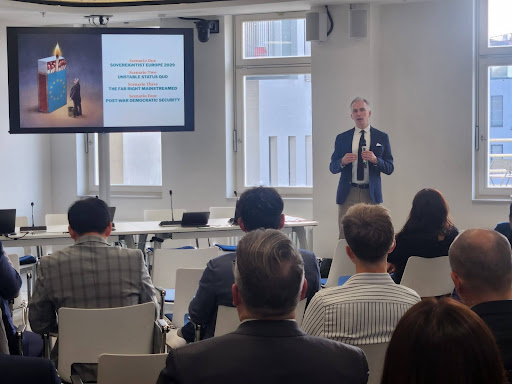
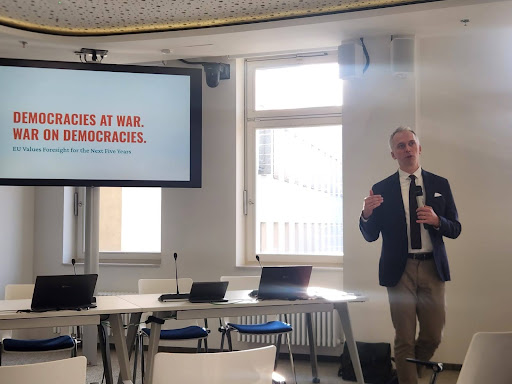
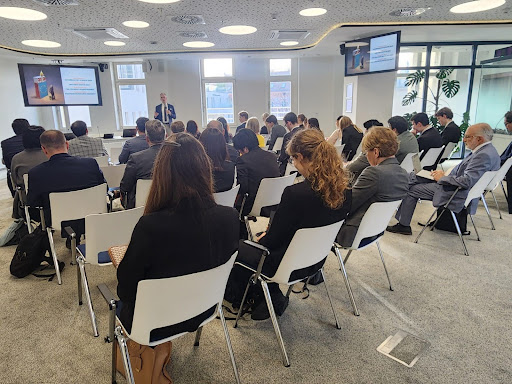
The eleventh annual European Values Summit took place in Prague on 5–6 November. More than 150 participants engaged with over thirty experts across ten main panels and side sessions.
A luncheon panel titled Are Brussels’ democratic security policies fit for the 2029 European Union elections? brought together Jan Marian, then Deputy Minister of Foreign Affairs of Czechia, and Luboš Palata, journalist, political commentator and poet. The discussion was moderated by Marcin Jerzewski, Marcin Król Fellow at Visegrad Insight.
The debate examined how the European Union can reconcile the reinforcement of democratic resilience with mounting defence imperatives. Drawing on Visegrad Insight’s 2025 foresight report Democracies at War, War on Democracies, the discussion foregrounded Czech perspectives to assess the implementation record and prospective relevance of flagship initiatives including the European Democracy Shield, the European Union Preparedness Union Strategy and the Civil Society Strategy.
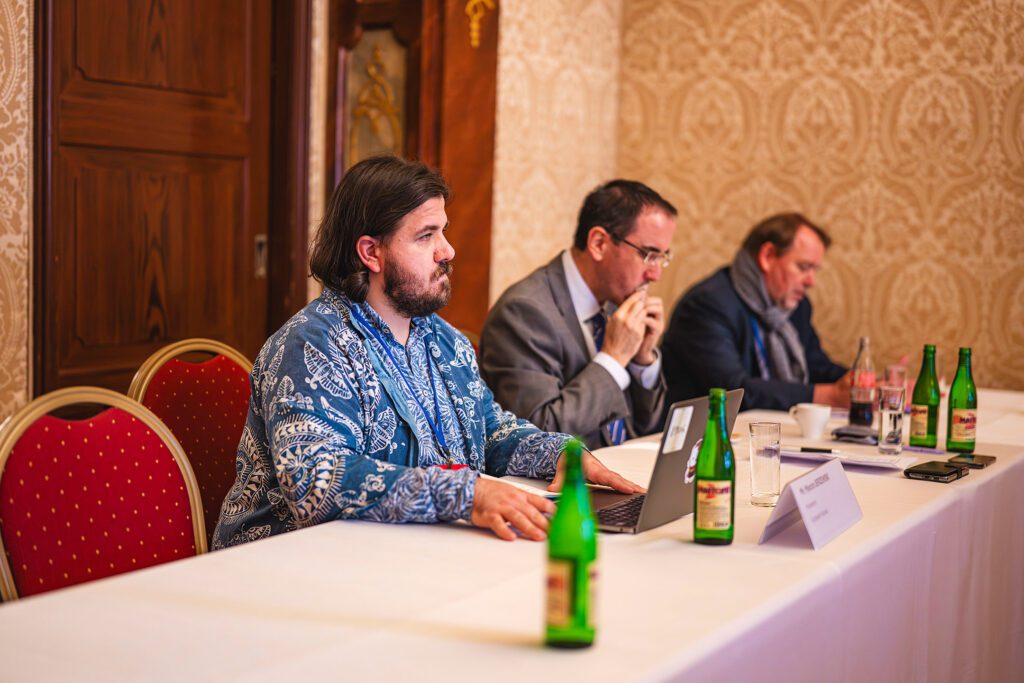
The debate explored the changing political landscape in Central Europe and the need for CSOs to adapt to it to maximise their positive impact, which is key to shaping Europe’s democratic future.
On 4 November distinguished voices from across Europe — including a Member of the European Parliament, representatives of the Commission and leading think-tank experts — gathered at the invitation of H.E. Agnieszka Bartol and Wojciech Przybylski for a roundtable discussion. The debate centred on two pivotal documents contributing to the debate on Europe’s democratic future: Visegrad Insight’s new report “Democracies at War. War on Democracies” and Poland’s Non-paper: Contribution to the Upcoming European Democracy Shield.
Civil society stands at the frontline of societal resilience – countering disinformation, hybrid threats, and defending democratic security across Europe, but their work is not without challenges due to unsustainable funding, limited access to EU programs or political pressure and attacks on legitimacy.
Participants of the roundtable discussed how to better empower civil society, including:
Photo: Łukasz Kobus
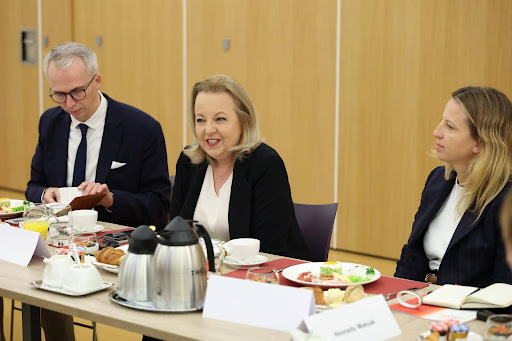
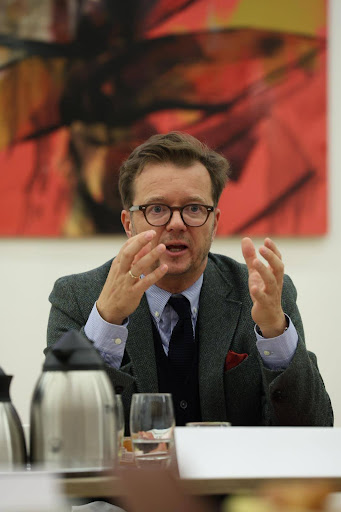
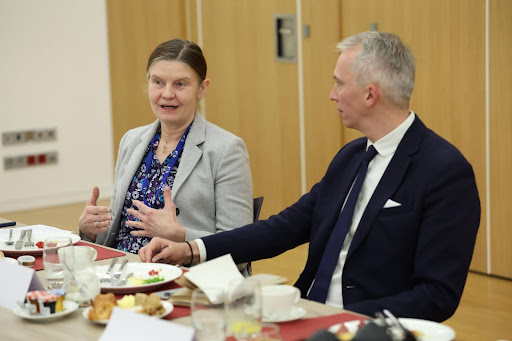
How can Europe win hearts and minds in an era of disinformation, digital manipulation, and shrinking civic space? Participants gathered for the premiere of Visegrad Insight’s new report in Brussels: “Democracies at War. War on Democracies”, presenting four plausible scenarios for the EU over the next five years.
The participants explored how to:
Informed by continuous horizon-scanning by a team of Visegrad Insight fellows from across Central and Eastern Europe (CEE), the scenarios have been refined to reflect evolving electoral dynamics in member states and to anticipate the contours of the 2029 European elections, which will determine the composition of the next Commission.
Featured:
– Alexandra Geese (Member of the European Parliament, The Greens)
– Wojciech Przybylski (Visegrad Insight)
– Magda Jakubowska (Visegrad Insight)
This event was organised jointly with Ukrainian PRISM.
Photo: Łukasz Kobus
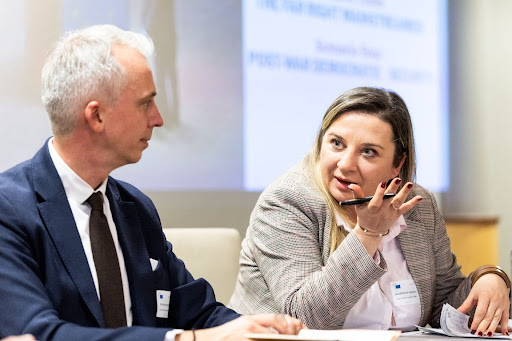
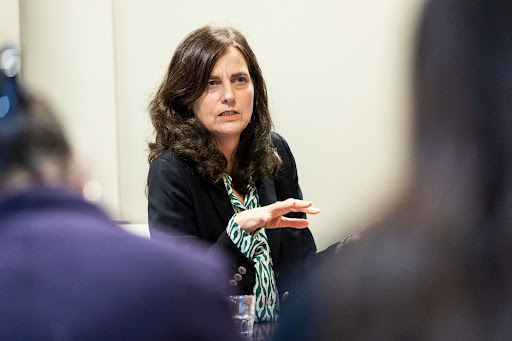
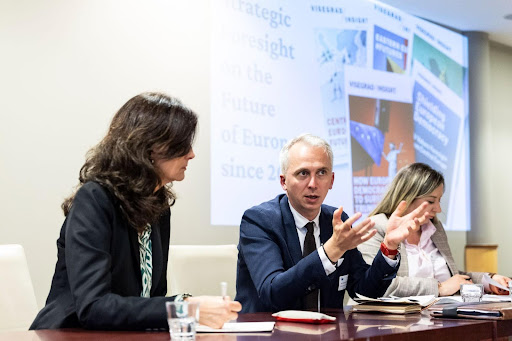
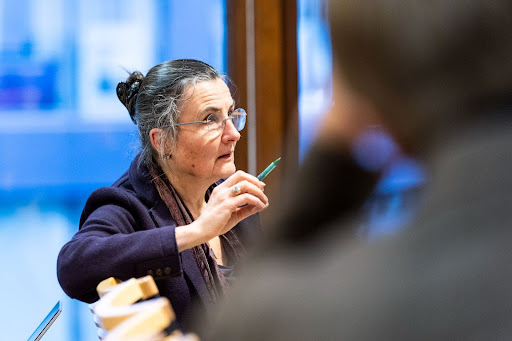
On 31 October, we convened a group of politicians, experts and civil society activists for an in-depth discussion around Visegrad Insight’s new report: War on Democracies. Democracies at War – EU Values Foresight for the Next Five Years.
Participants agreed that Europe’s strength lies not only in strong institutions backed with vibrant civil society, funding, and sound policies, but in the political will, trust, and legitimacy that sustain them.
As threats and perceptions differ across the continent, there can be no one-size-fits-all approach – but the shared commitment to democracy and prosperity remains the foundation of Europe’s future.
Photos by Mariusz Bodnar.
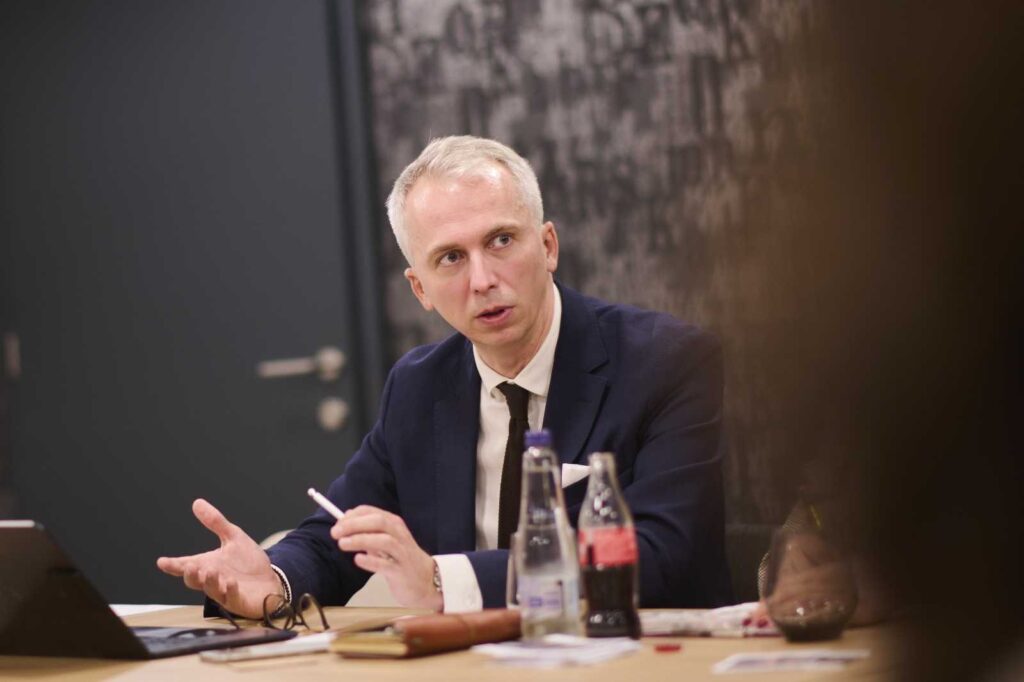
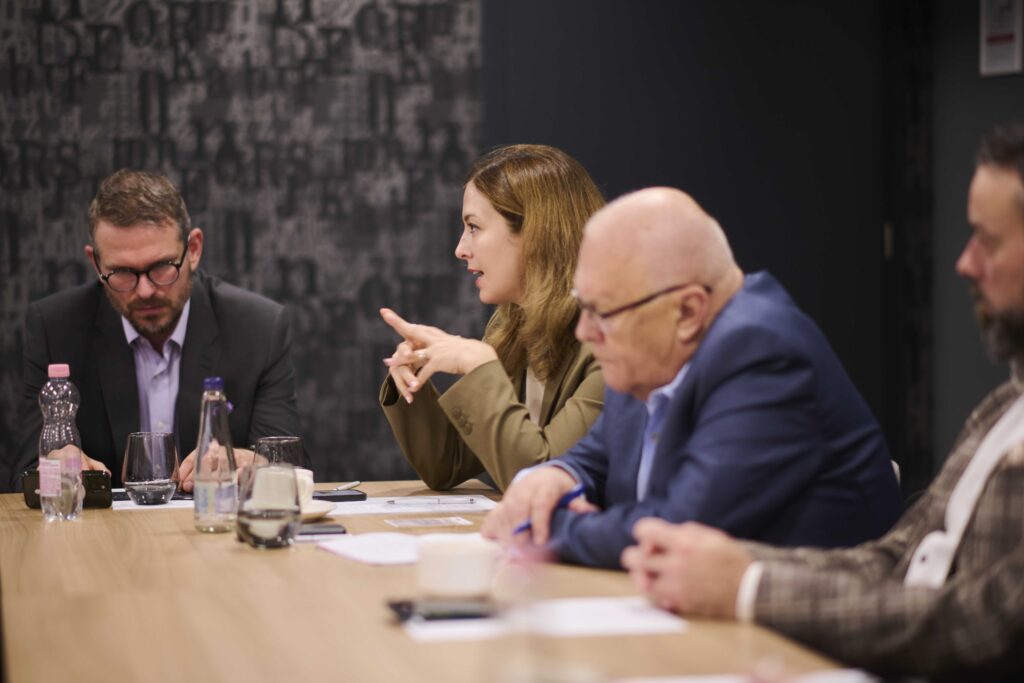
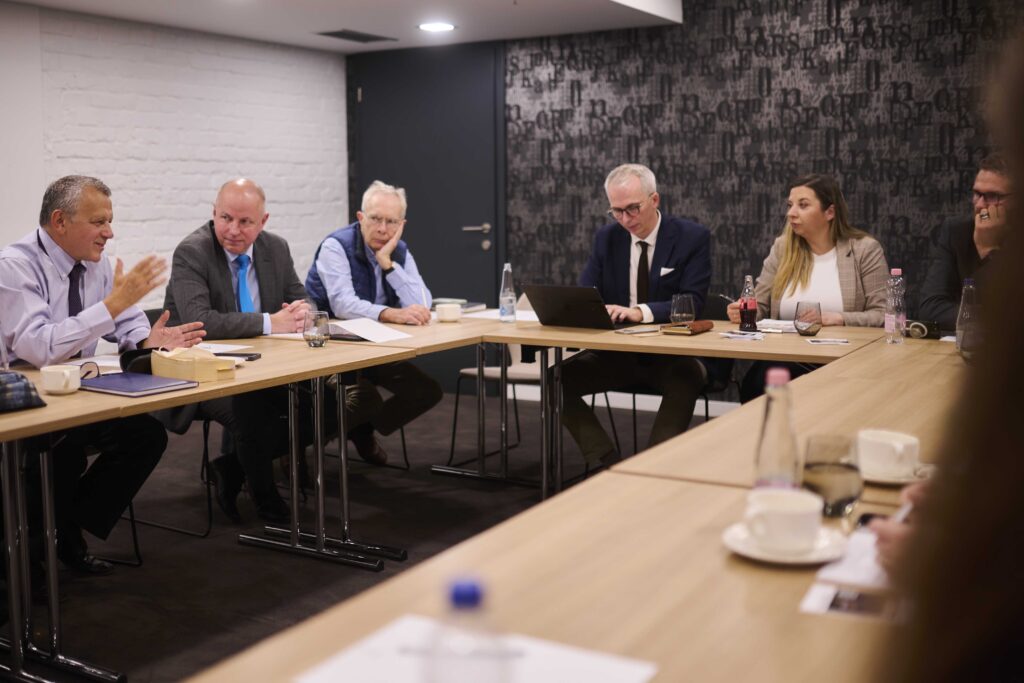

On 30 October, we organised a debate with Goran Buldioski (senior fellow at the Hertie School), Peter Heil ( Adviser at the European Parliament), Márta Pardavi (Hungarian Helsinki Committee), Wojciech Przybylski (Visegrad Insight), moderated by Magda Jakubowska (Visegrad Insight).
The event was organised around the topic of Visegrad Insight’s new report: War on Democracies. Democracies at War – EU Values Foresight for the Next Five Years.
We need political will, capability & people-centred governance. But how to achieve it if member states perceive threats and opportunities differently across Europe – resilience must be nationally tailored, but grounded in shared democratic values to avoid it’s exploitation by illiberal forces or malign foreign actors.
Photos by Mariusz Bodnar.
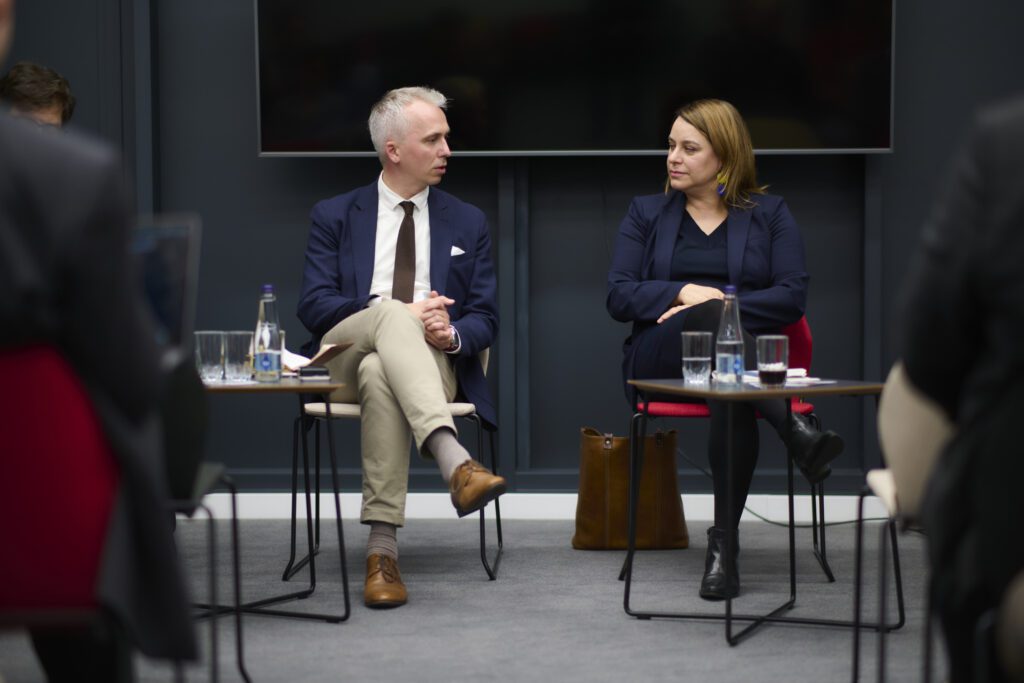

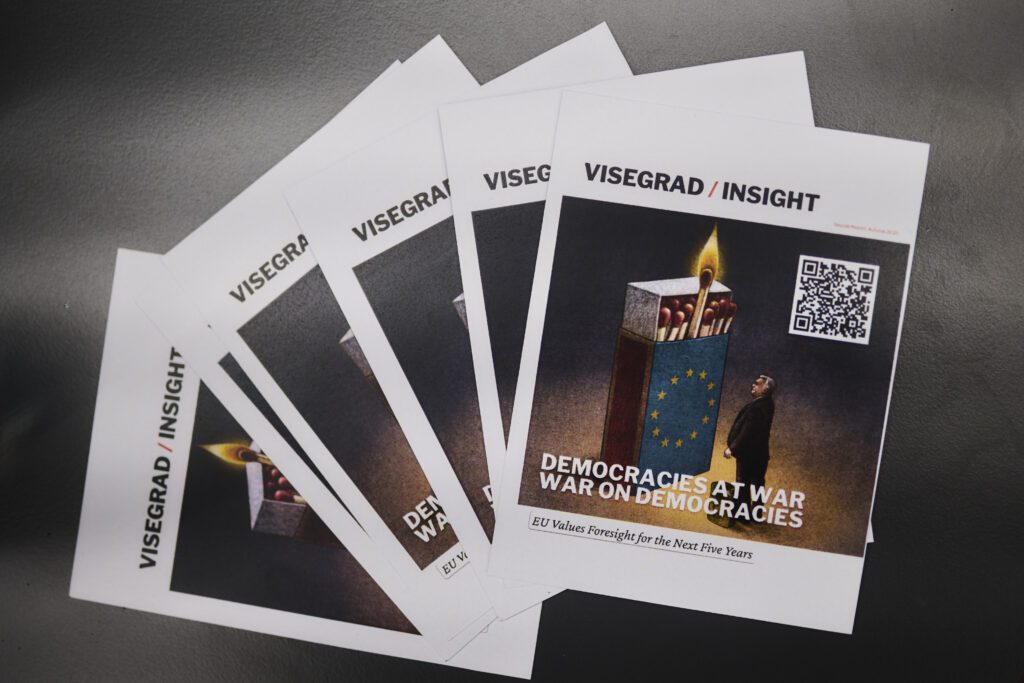
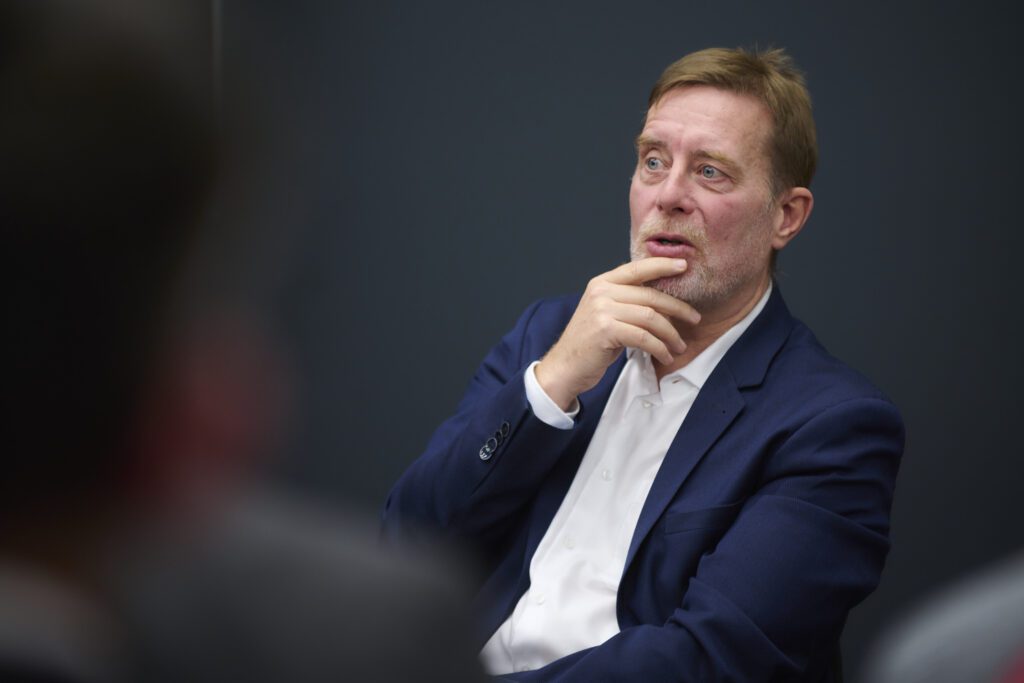
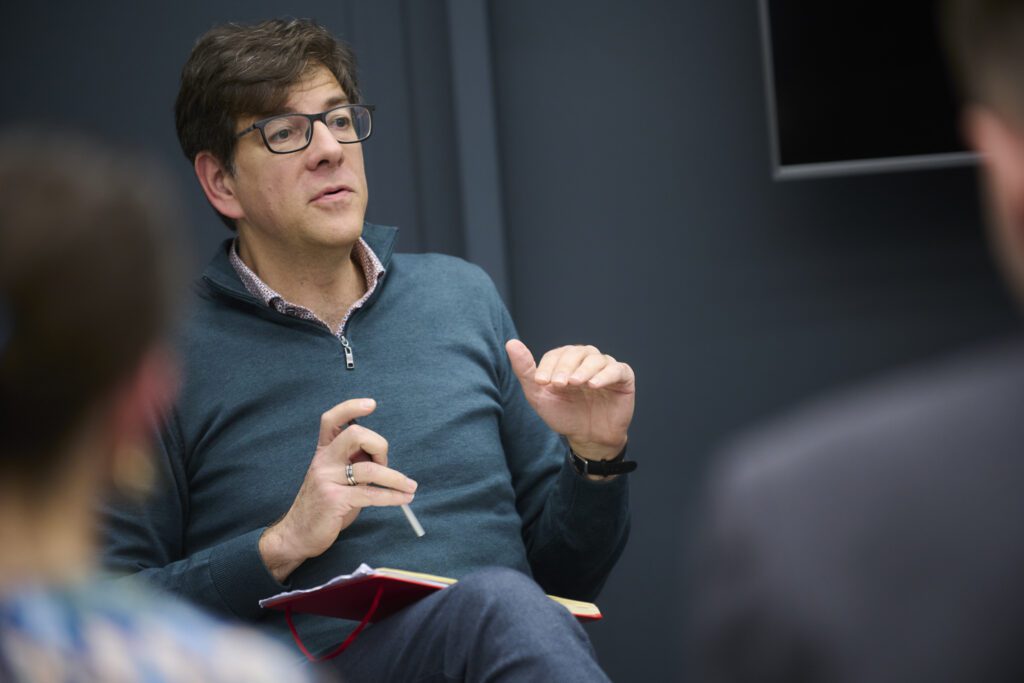
On 28 October, we organised a debate How the Civil Society Leaders Must Update Their Plans To Match the EU Defence Posture Challenge with Goran Buldioski and Maia Mazurkiewicz, moderated by Wojciech Przybylski. The discussion explored key topics:
Photos by Mariusz Bodnar.
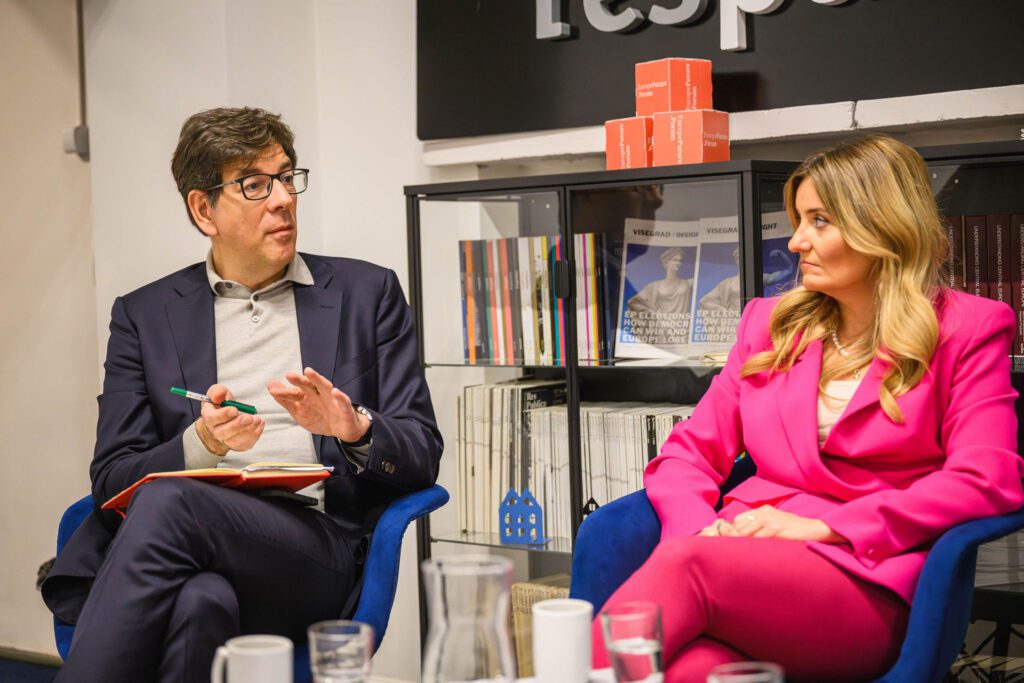
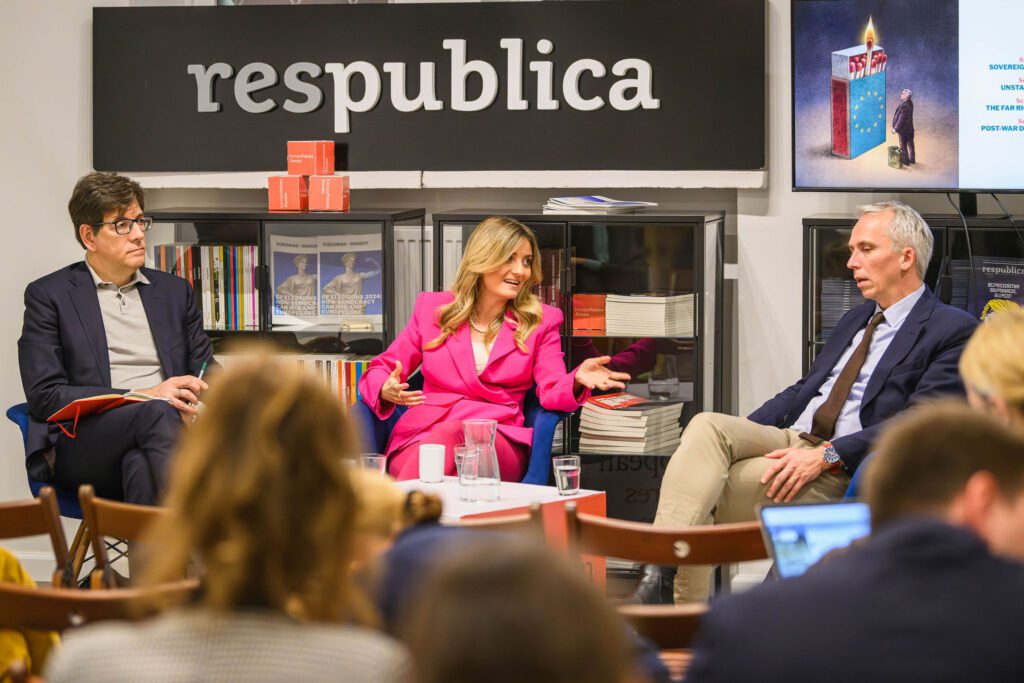
On 28 October, we convened leading experts from the Polish government and think tanks for an in-depth discussion around Visegrad Insight’s new report: War on Democracies. Democracies at War – EU Values Foresight for the Next Five Years.
The conversation mapped the future of European democracy and security, stressing the urgent need for tighter coordination among EU member states and a comprehensive crisis-readiness strategy.
Key challenges – from the rise of nationalist and anti-democratic forces to external pressures such as Russian interference – were central to the discussion, alongside the indispensable role of NGOs in safeguarding democratic values.
The report’s forward-looking scenarios provide a powerful framework for reimagining how Europe can protect democracy while strengthening its collective resilience and global influence.
Photos by Mariusz Bodnar.
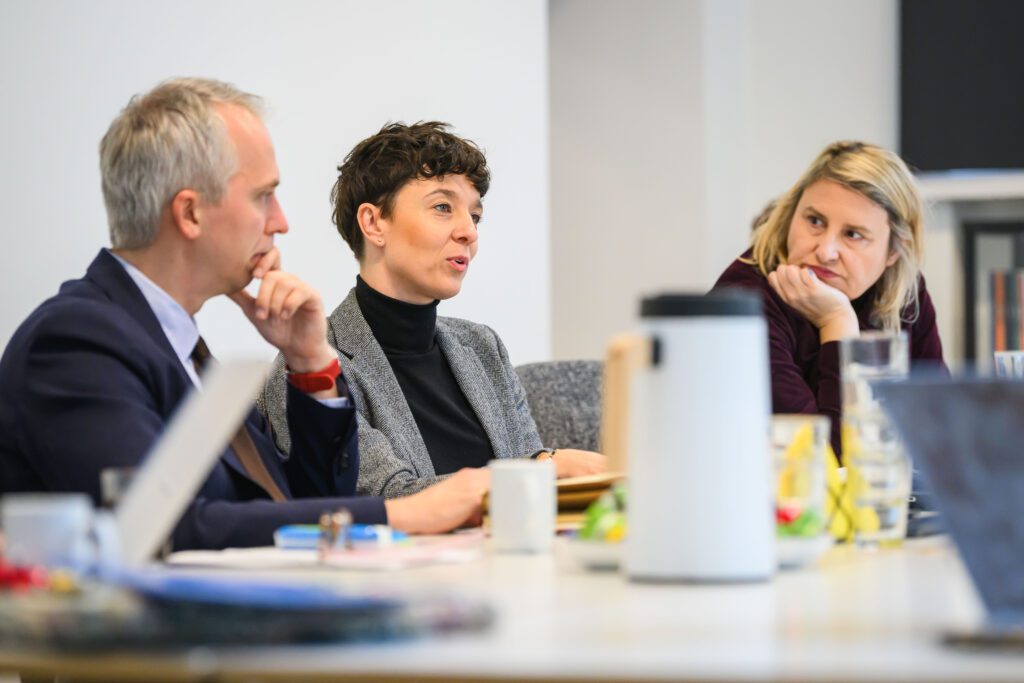
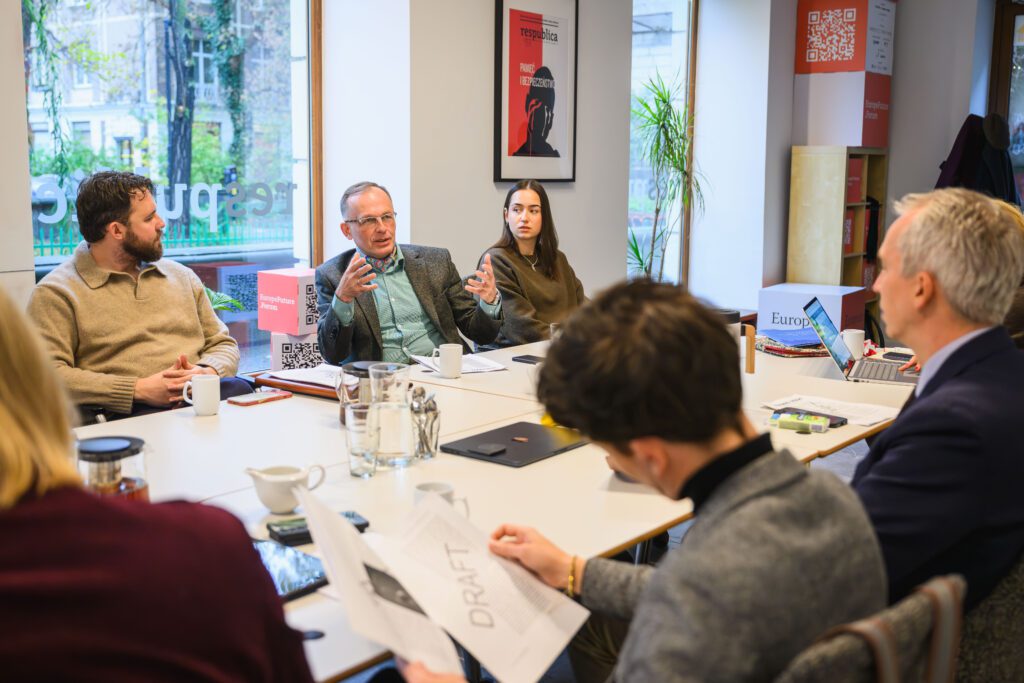
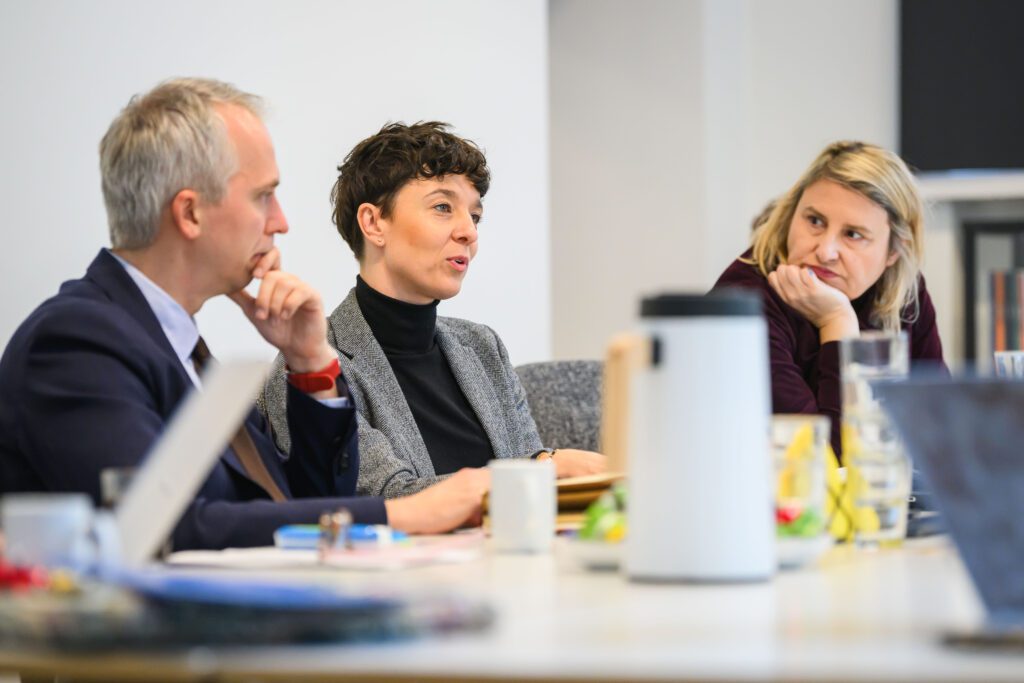
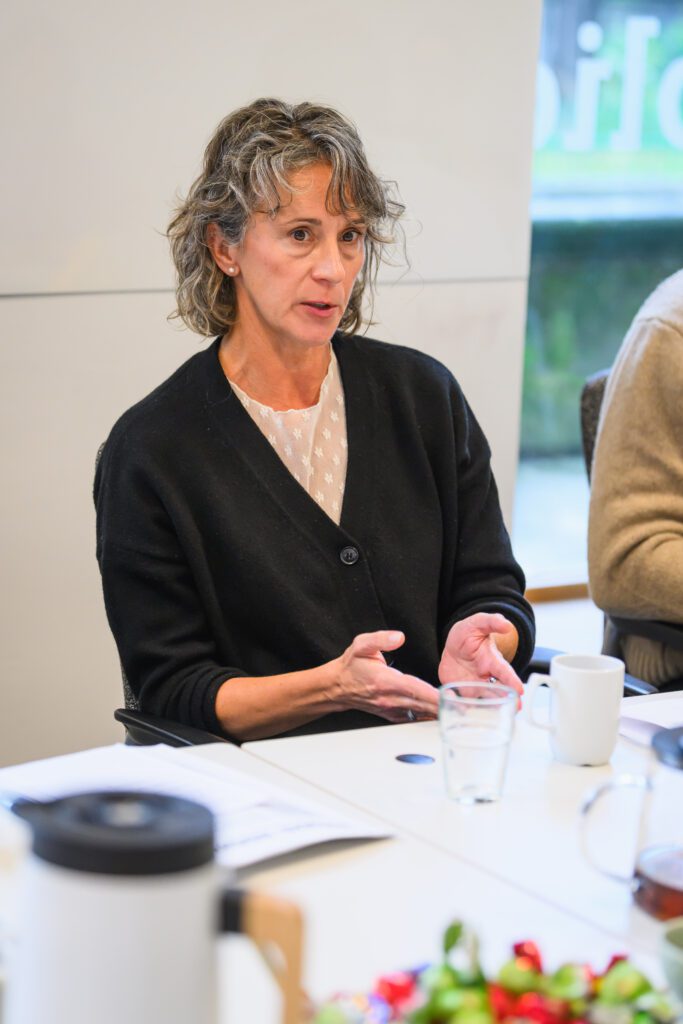
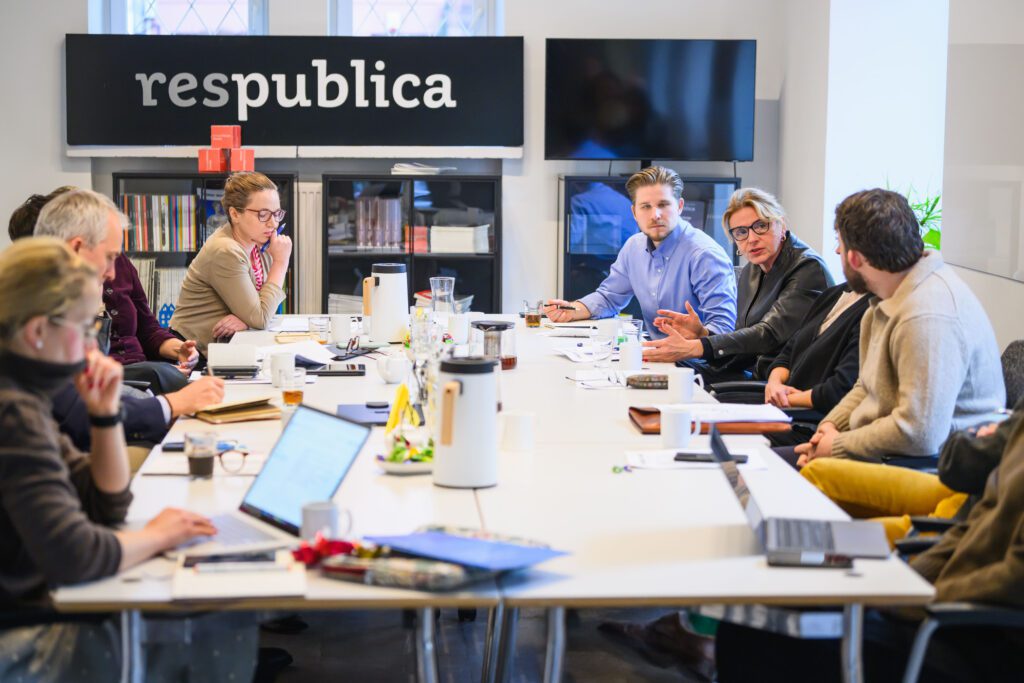
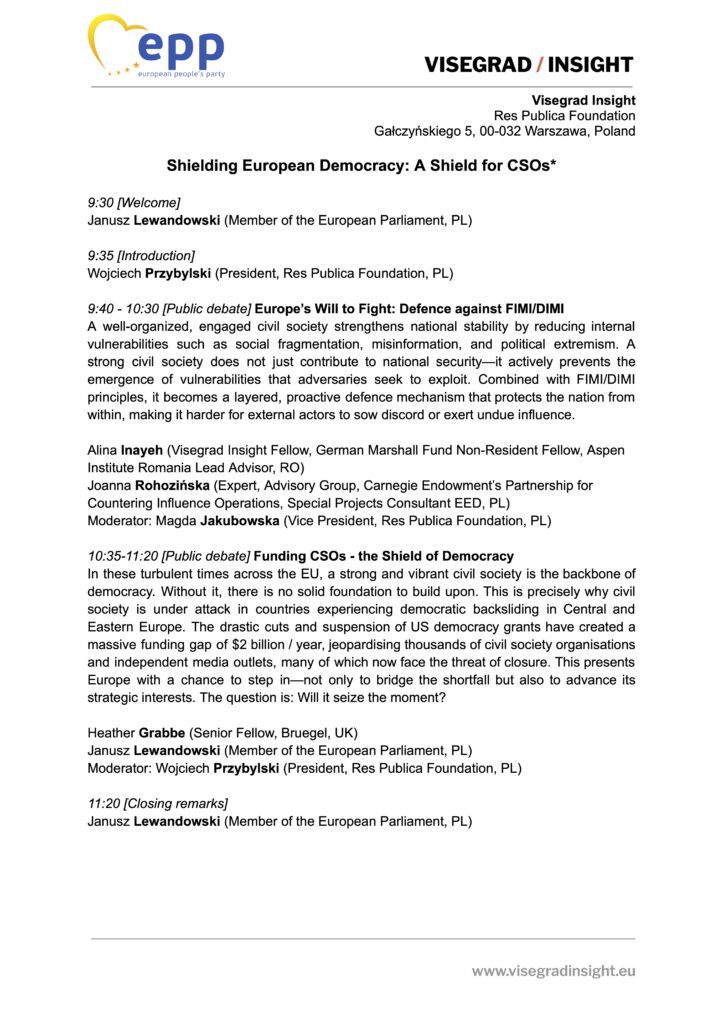
On 14 May, we organised a discussion with EPP MEP Janusz Lewandowski at the European Parliament, alongside Joanna Rohozińska (Carnegie Endowment’s Partnership for Countering Influence Operations), Alina Inayeh (Visegrad Insight Fellow) and Heather Grabbe (Bruegel), among many other thought leaders to highlight the urgent need to support the civil society in Central Europe, drawing on the insights from Visegrad Insight’s recent report Shielding European Democracy.
Photos by Stavros Tzovaras and Visegrad Insight Team


We wrapped up our EU Values Foresight workshop in Kraków, Poland, where we worked on how to sustainably fund civil society and combat disinformation more effectively. We will now turn to helping shape EU policies through recommendations and related policy briefs, which will focus on key legislation, namely– the European Democracy Shield, the Multiannual Financial Framework and the future of the CERV programme. From media to civil society and funding experts, we brought together voices across sectors to help reinforce democracy where it’s needed most.
Photos by Michał Kisiel


From 22 to 24 April, we convened Central and Eastern European leaders in the Slovak countryside, for a three-day foresight workshop on the future of democratic security in the European Union.
Our focus was on two main policy areas: how the EU can more effectively combat disinformation and fund civil society. These conversations were particularly timely following the withdrawal of USAID support from parts of the region, which has left gaps in funding and strategic capacity for many grassroots initiatives.
Please find below a selection of images from the event. Photos by Jakub Kovalik


On 15 and 22 January 2025, the project team held two coordination meetings in Warsaw to launch the third year of the Foresight on EU Values and Democratic Security. The sessions brought together all team members, both in person and online, to review progress from the first two years, outline strategic objectives, and plan activities with influence on the EU policy agenda on democracy and democratic values, including the development of a European Democracy Shield. Key discussions covered thematic priorities such as funding and financing of democracy, preparation of relevant policy briefs, and communication strategies targeting stakeholders like civil society, academia, MEPs, the European Commission, and national governments.
As we enter this third year, the team is very happy to continue this important discussion on EU values and to build on the work done so far, ensuring timely, evidence-based contributions to policy debates across Europe.
This project is a part of the European Commission’s Citizens, Equality, Rights and Values (CERV) programmes and involves a Visegrad Insight-led three-year engagement across Central and Eastern Europe: https://visegradinsight.eu/eu-values-foresight/
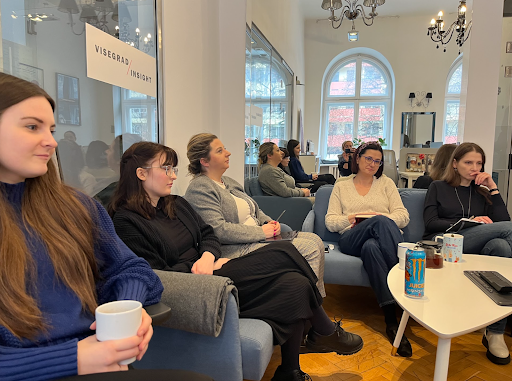
During the public discussion at the Martin’s Hotel we held an interactive forum with participants featuring Ionela Maria Ciolan, Martens Centre, Rasťo Kužel, Memo 98 and Magda Jakubowska, Res Publica Foundation. Shielding European Democracy policy report maps out scenarios for democratic security in Europe and proposes three recommendations outlined in three accompanying briefs: Foster societal readiness for EU armies, A Shield for CSOs – Countering Malign Foreign and Domestic Actors and Boost CERV funding in at-risk democracies. The discussion addressed the urgent need for a strategic approach to tackling foreign and domestic interference. Topics included calls for greater transparency, such as audits of external influences like Chinese financial activities in EU member states, and pathways to creating a resilient defence against these challenges.
Photos by Jennifer Jacquemart
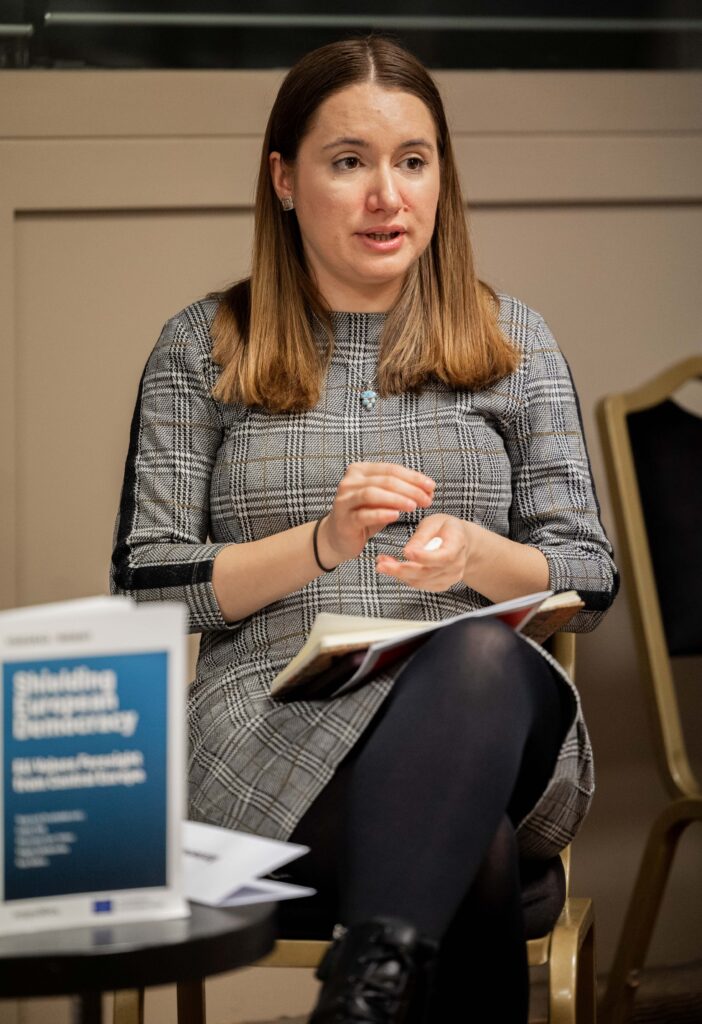
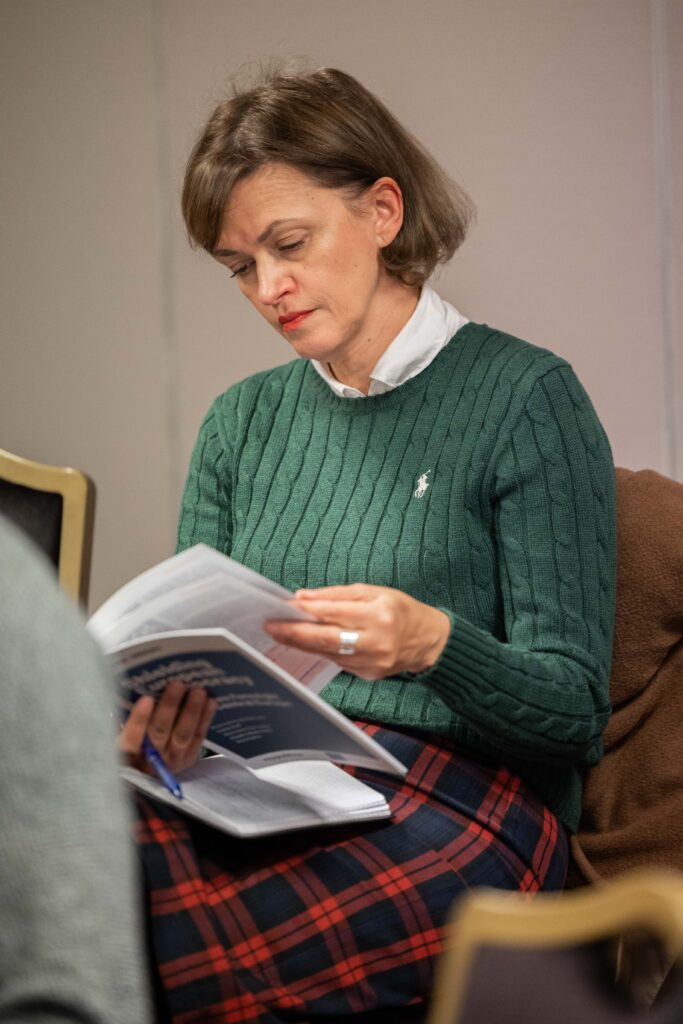
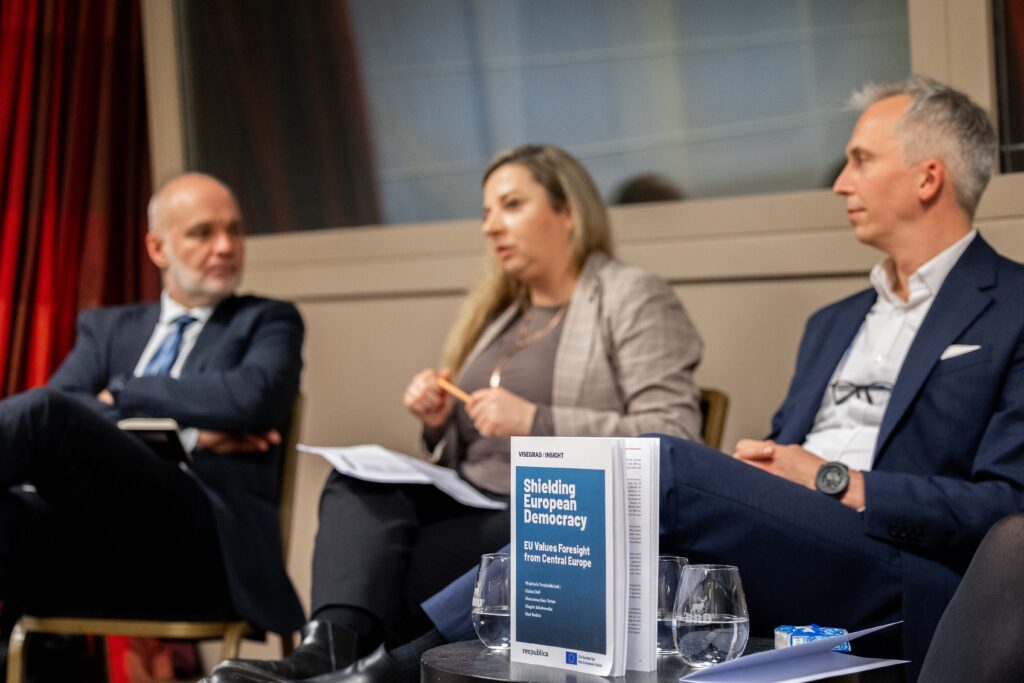
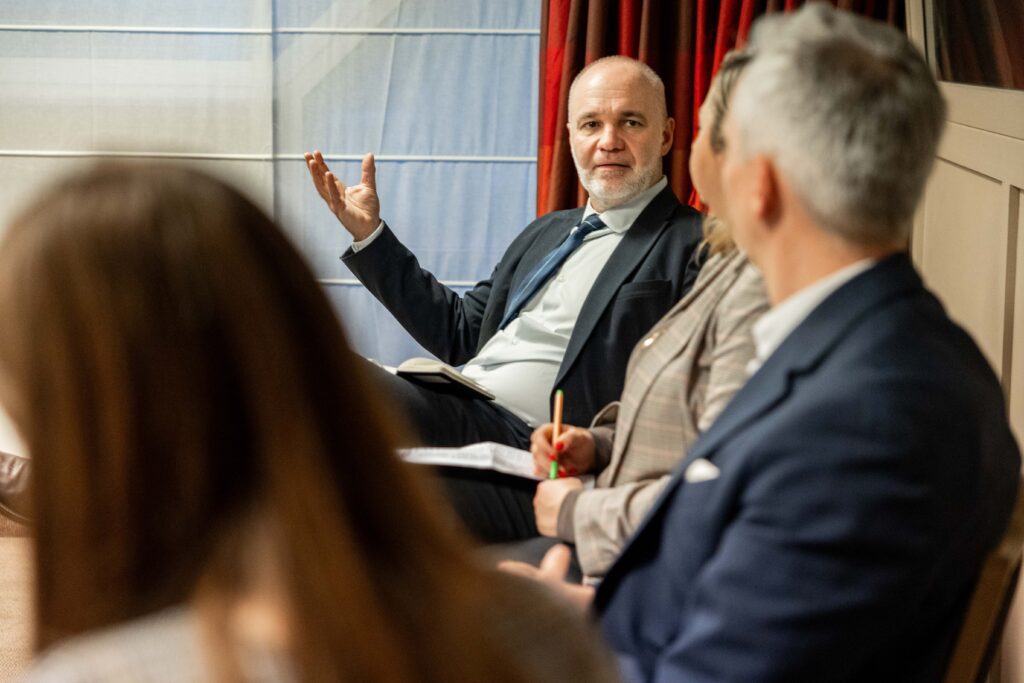
The event was organised to deliberate on recommendations of Visegrad Insight – Res Publica Foundation’s newest report Shielding European Democracy: A 5-Year Foresight. Voices from Central Europe. The focus is on the preservation of European values, with a special emphasis on the European Democracy Shield and the Democracy Defence Package.
Further information about the report: https://visegradinsight.eu/eu-values-foresight/2024-shielding-european-democracy/
Critical discussions centred on how Europe can effectively shape its defence strategy while strengthening democratic security in tandem with military commitments.
Photos by Jennifer Jacquemart:
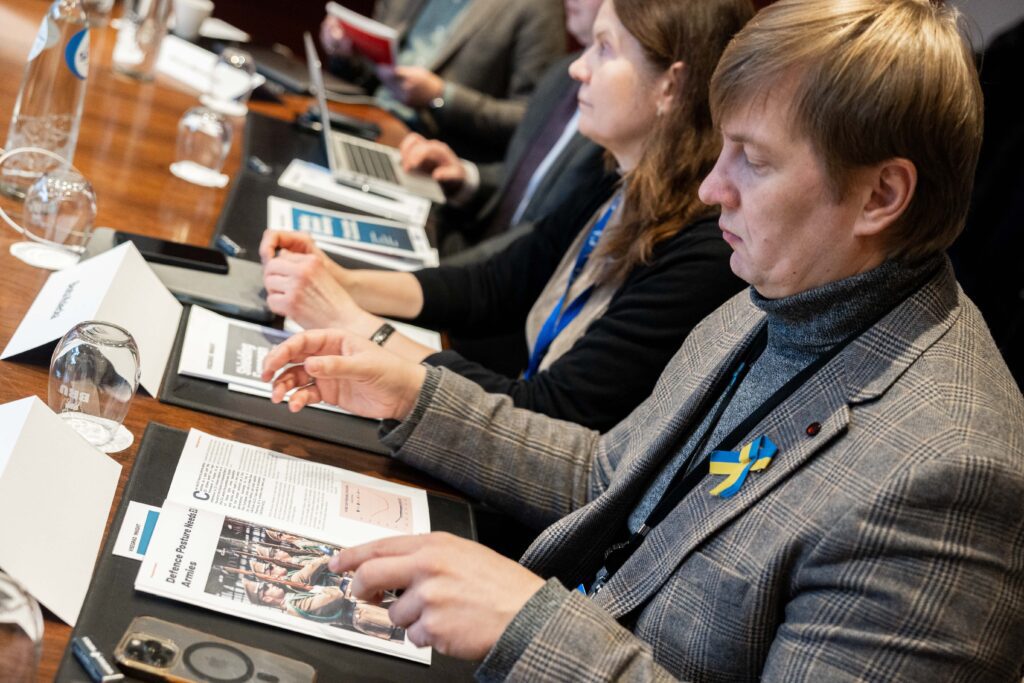
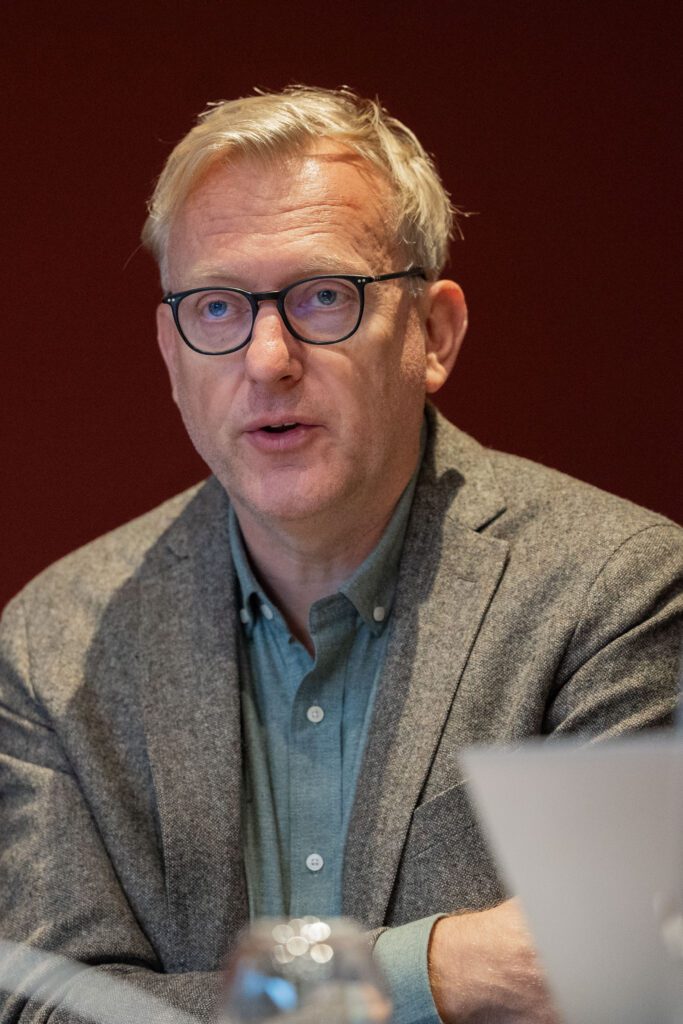
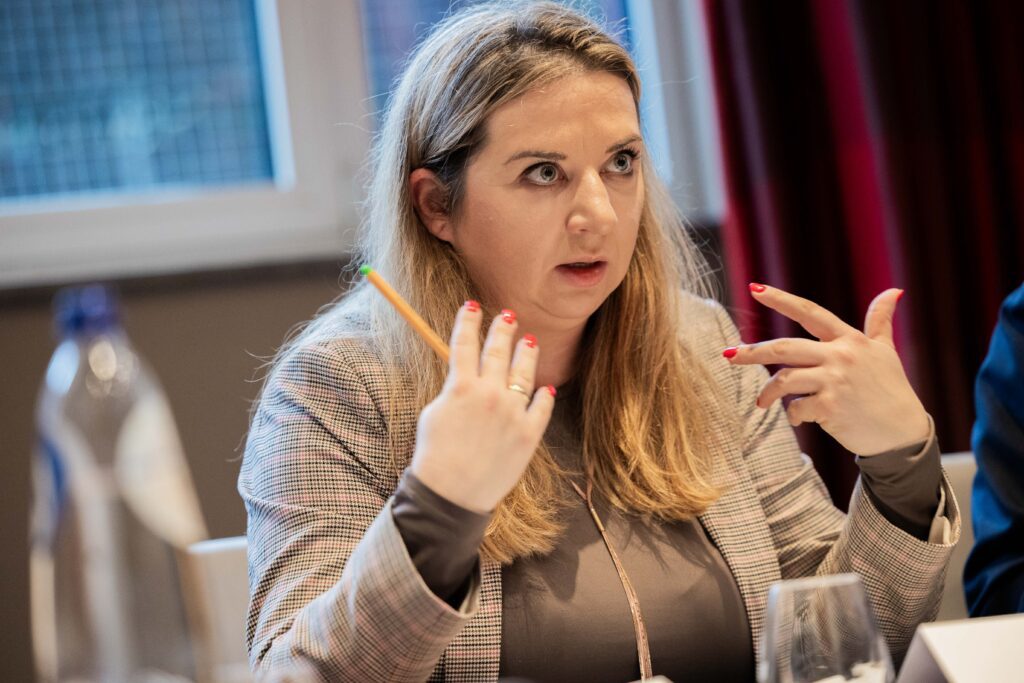
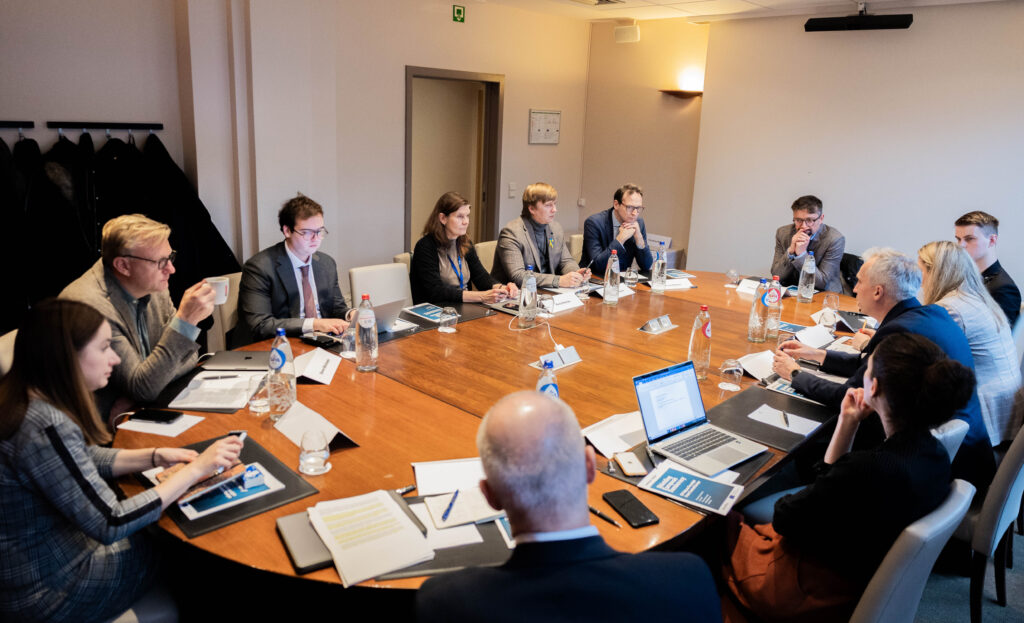
Participants shared insights on key issues, including: promoting a positive narrative on democracy: Civic activism, engagement, education and strategic communication were highlighted as crucial tools to counter anti-EU trends. Support for think tanks and capacity-building activities was also emphasised.
Participants called for greater transparency through audits of Chinese influence and financial liabilities in EU member states, alongside the development of a robust FIMI defence shield.
Photos by Hans Scherhaufer
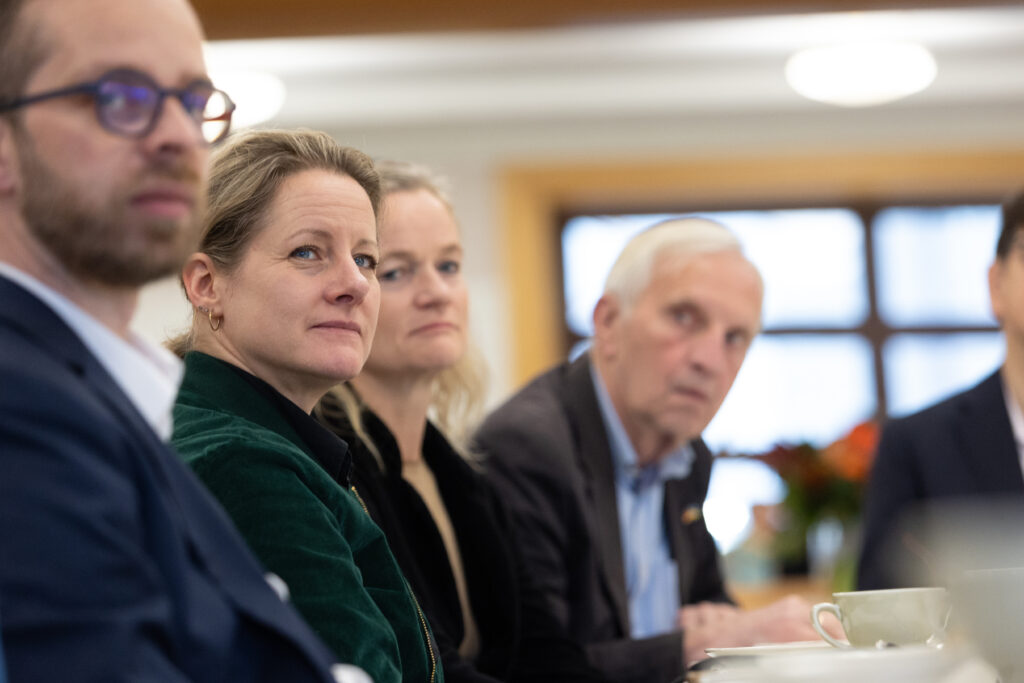
9:00-10:30 Common Responsibility for CEE Security
Every citizen of the European Union (EU) shares the common responsibility of upholding the values and principles that the Union stands for. Today, this also means taking responsibility for the security and resilience of the Union. In these uncertain times, with the peace dividend in Central Europe no longer guaranteed, it is crucial for nations to contribute to EU defence in a coordinated and effective manner.
10:45-12:15 Can debunking myths enhance the Czech Republic’s resilience against misinformation?
Debunking entails the unfortunate aspect of potentially amplifying disinformation narratives if not done well. Can debunking myths around Russia’s war against Ukraine, migration and the Israeli-Palestinian conflict actually enhance the Czech Republic’s resilience against misinformation?
12:30-13:45 Engaging Civil Society: Navigating NGO Involvement and Funding in the New European Commission
This roundtable discussion explored the anticipated relationship between the new European Commission and civil society, focusing on two critical areas: NGO access to legislative processes and EU funding dynamics. Participants examined the mechanisms for NGO involvement in consultations and working groups, discussing how these opportunities can influence policy-making and legislative initiatives.
Each discussion was connected with a presentation of a policy paper by Visegrad Insight:
Find the photo story below, authored by Ondřej Besperát:
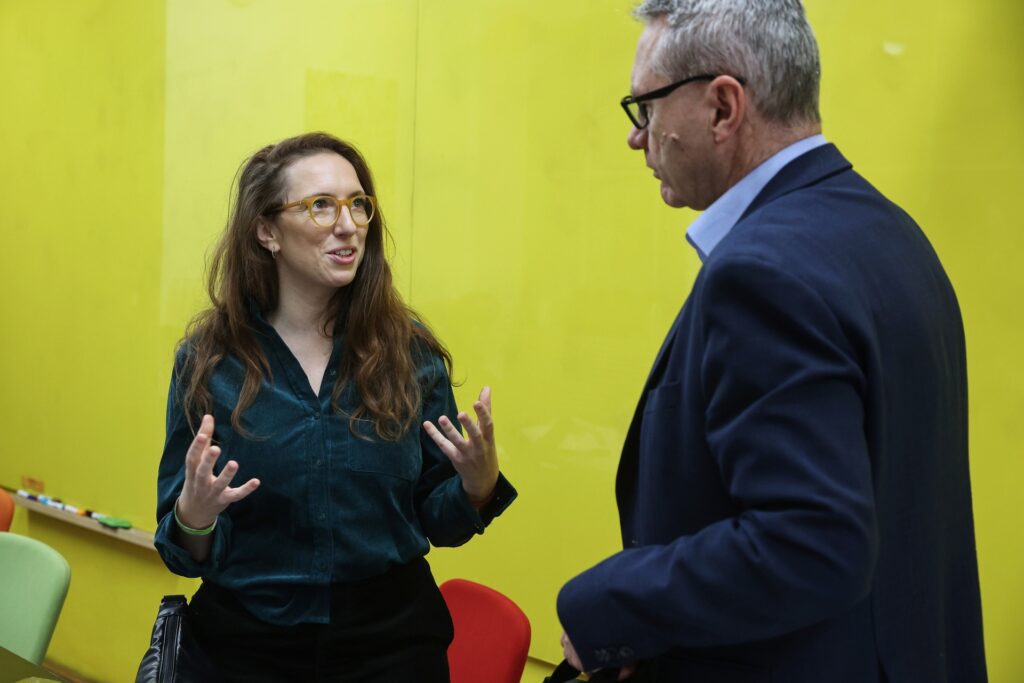
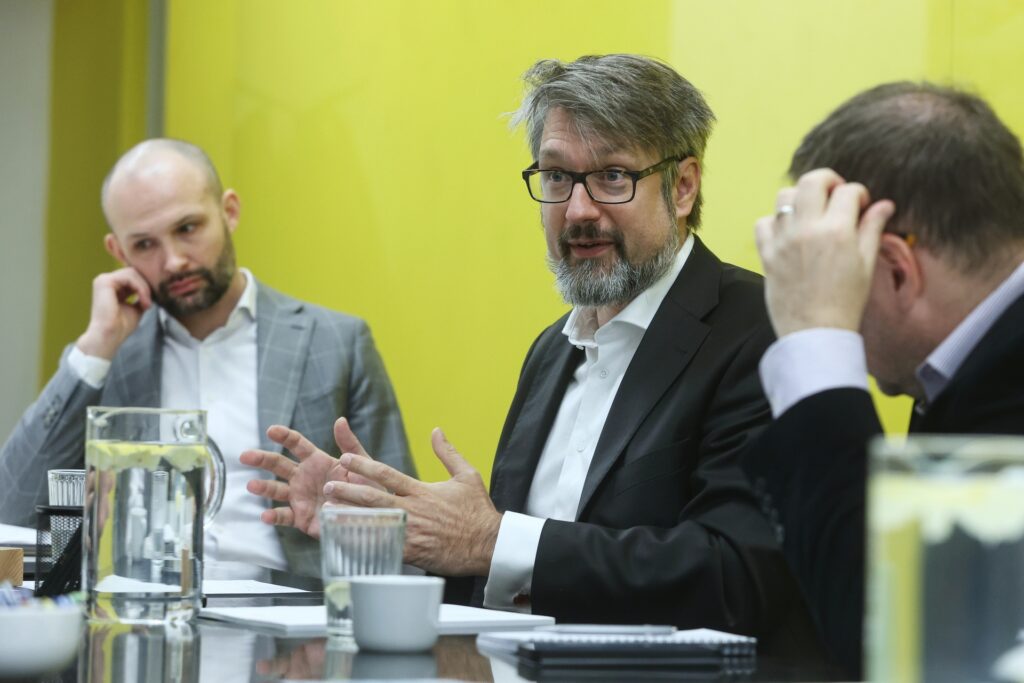
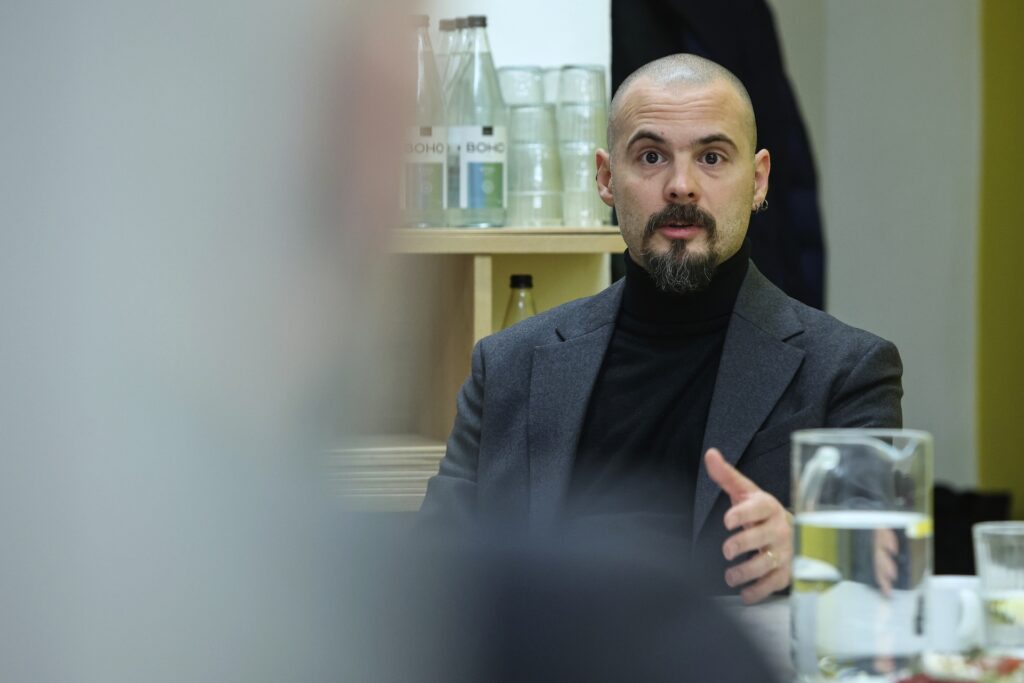
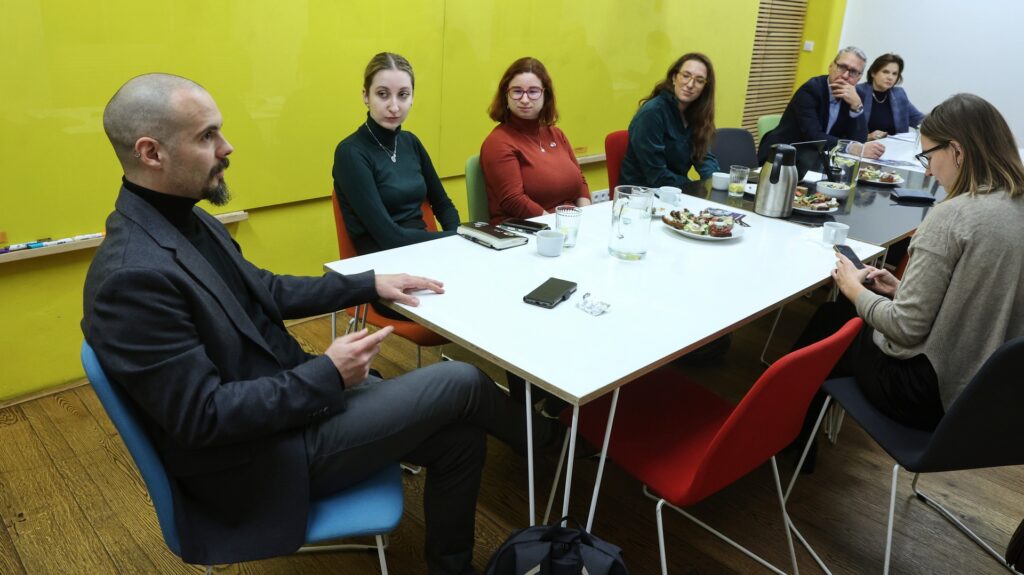
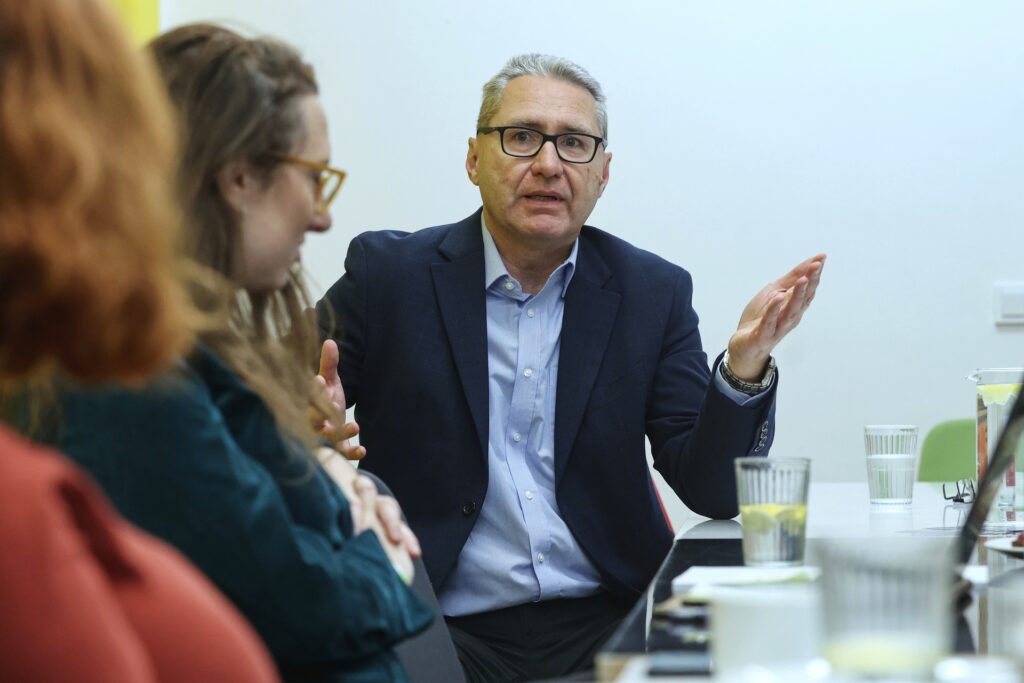
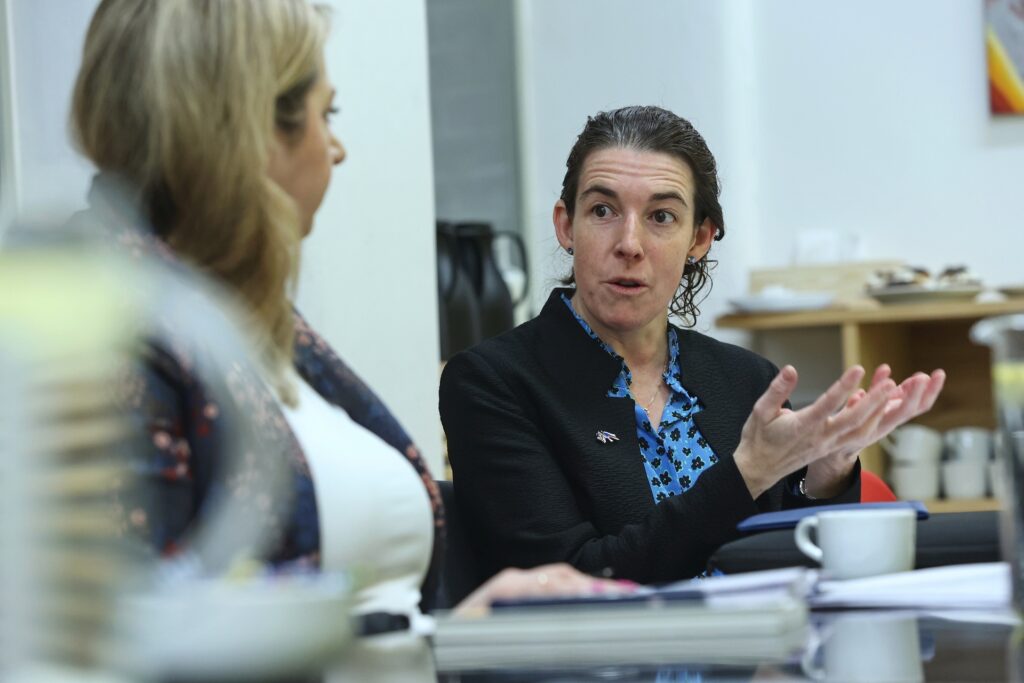
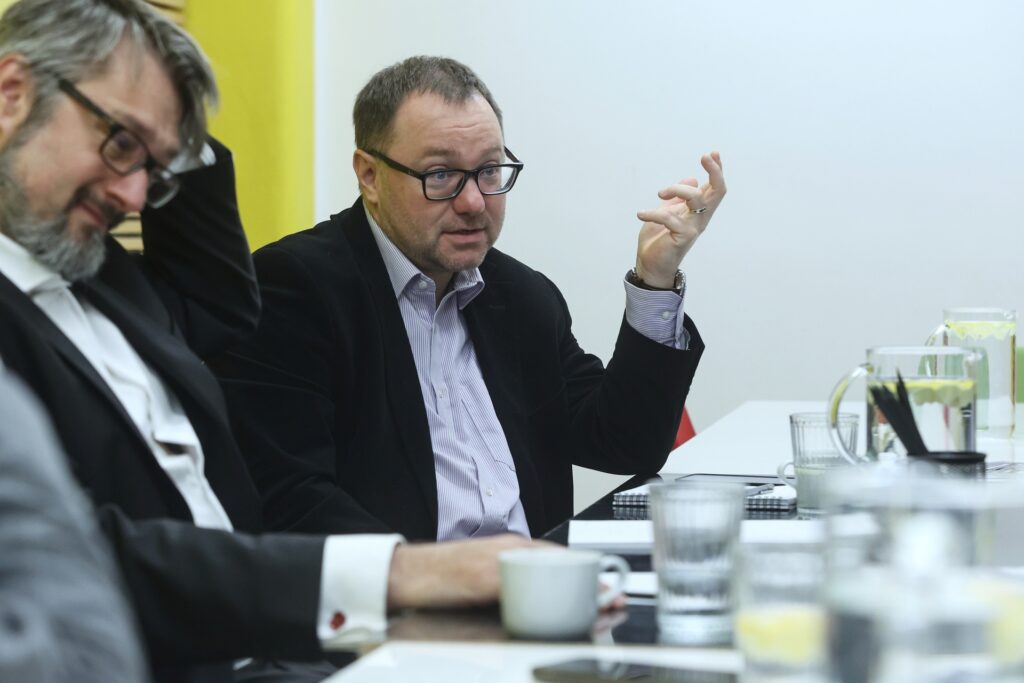
9:00-10:15 Engaging Civil Society: Navigating NGO Involvement and Funding in the New European Commission
10:30-11:45 Countering Misinformation in Slovakia: EU Strategies to Empower Independent Media and NGOs
12:00-13:15 Common Responsibility for CEE Security
Each discussion was connected with a presentation of a policy paper by Visegrad Insight:
Find the photo story below, authored by Martin Sirotny:
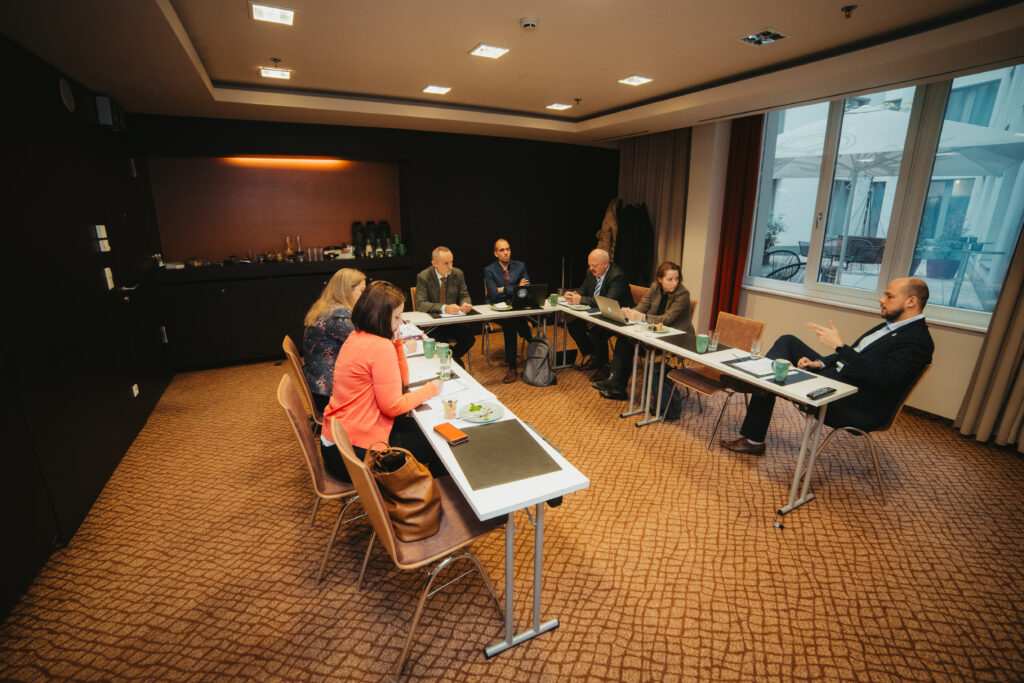
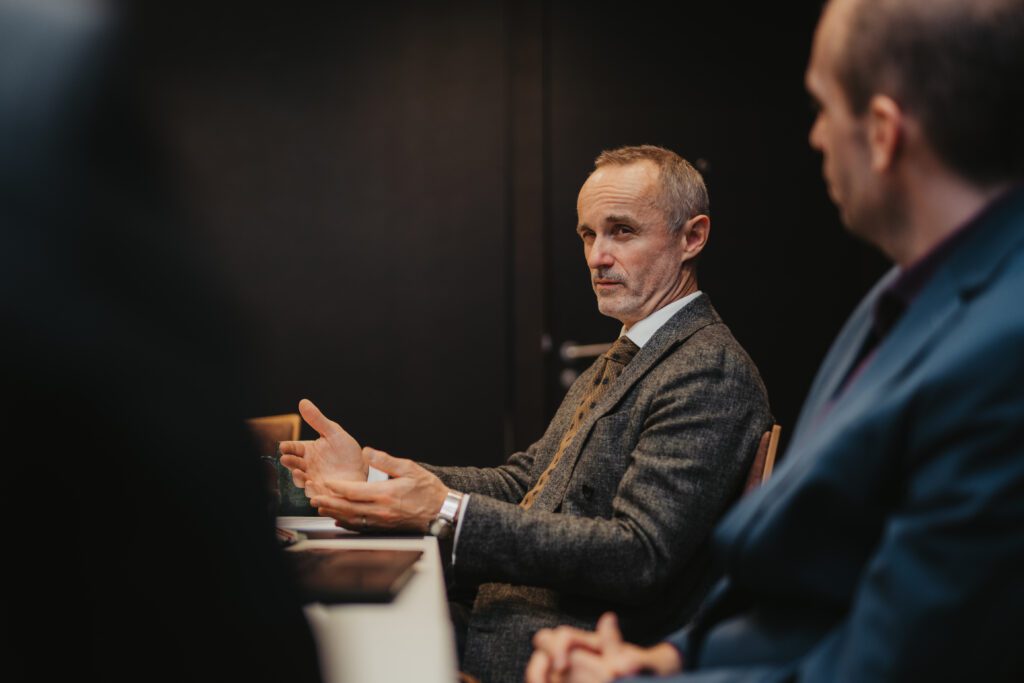
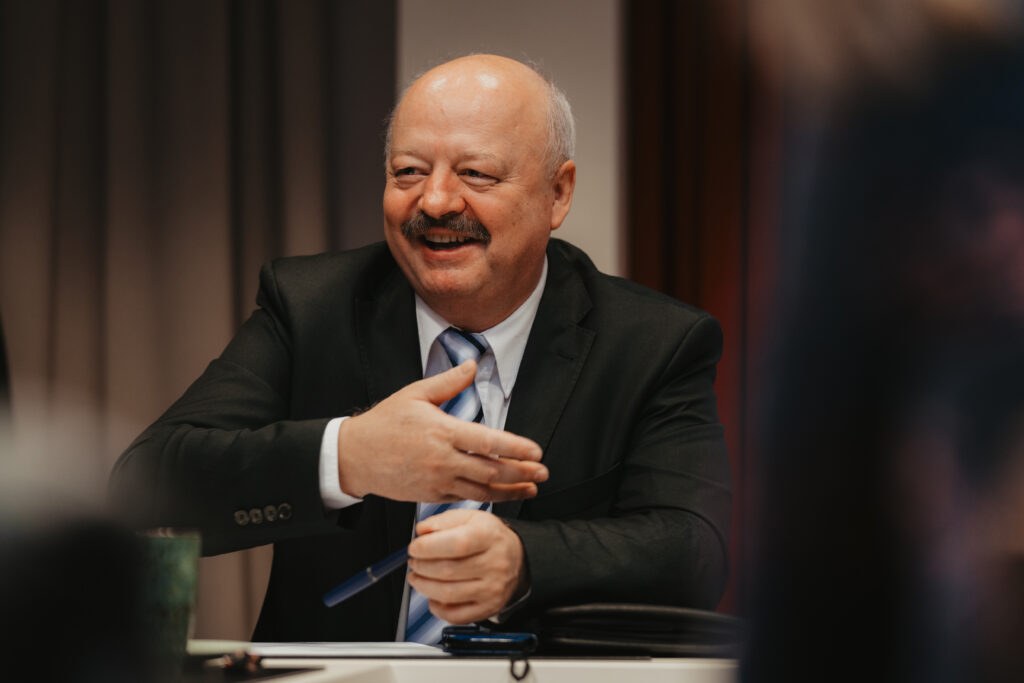
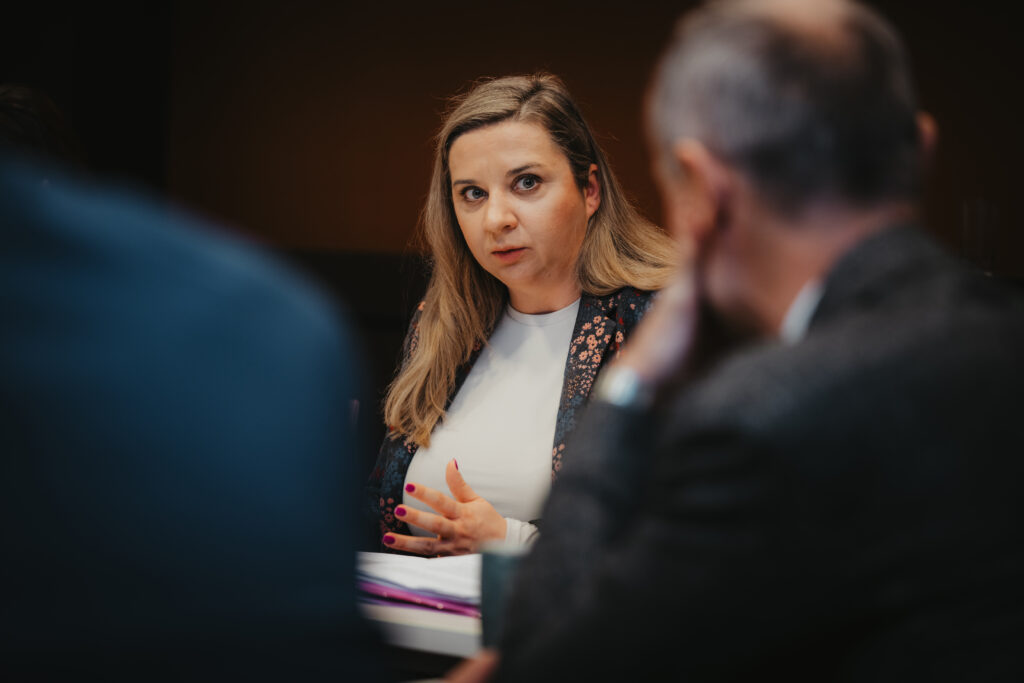
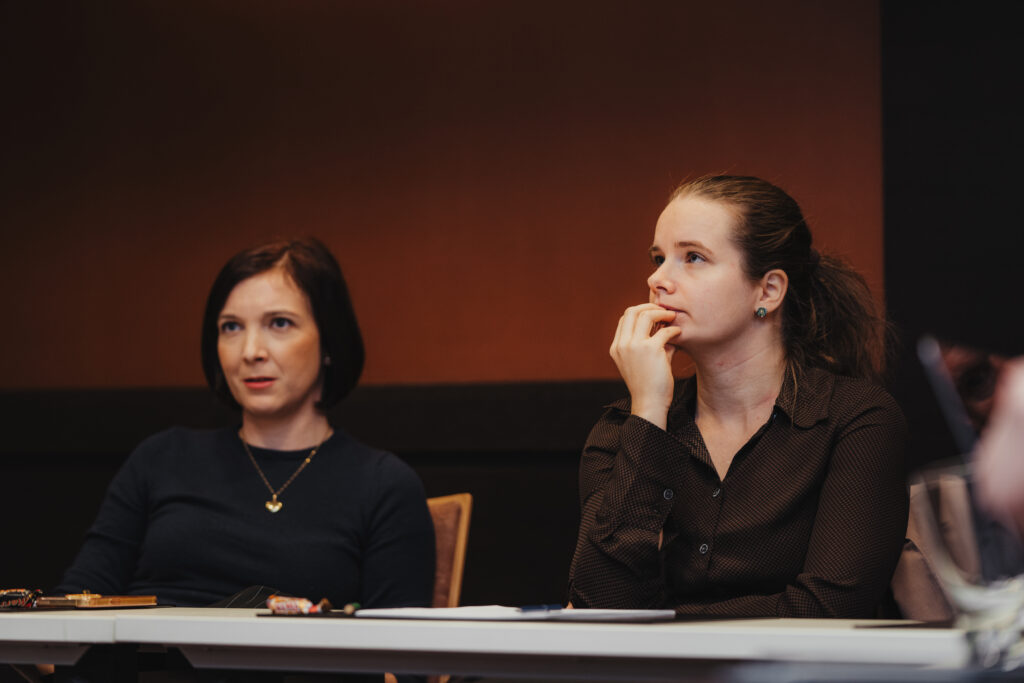
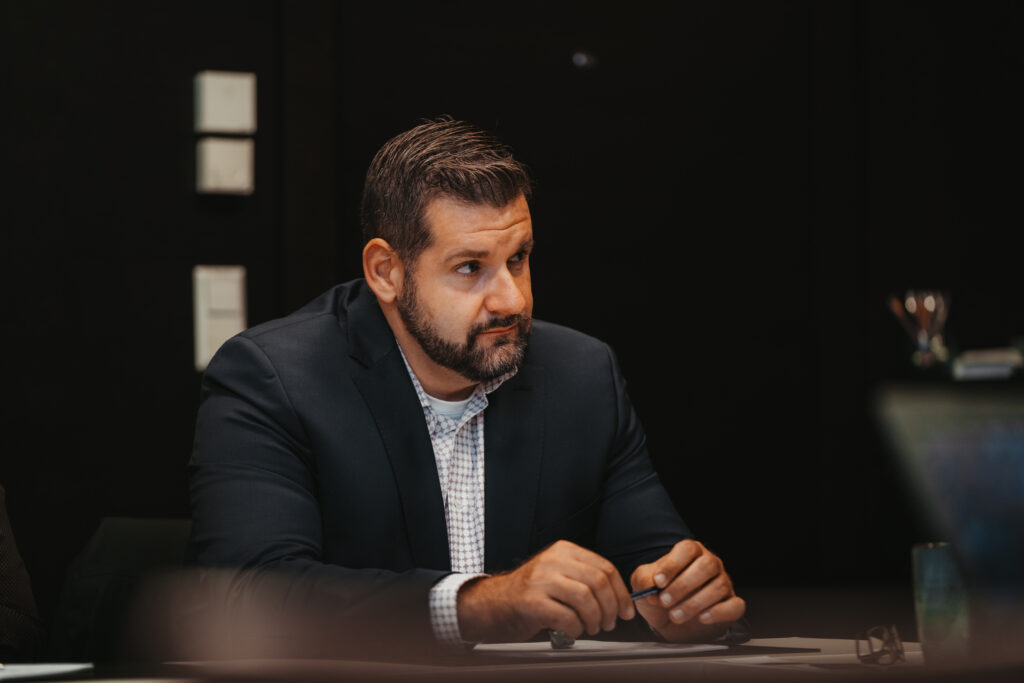
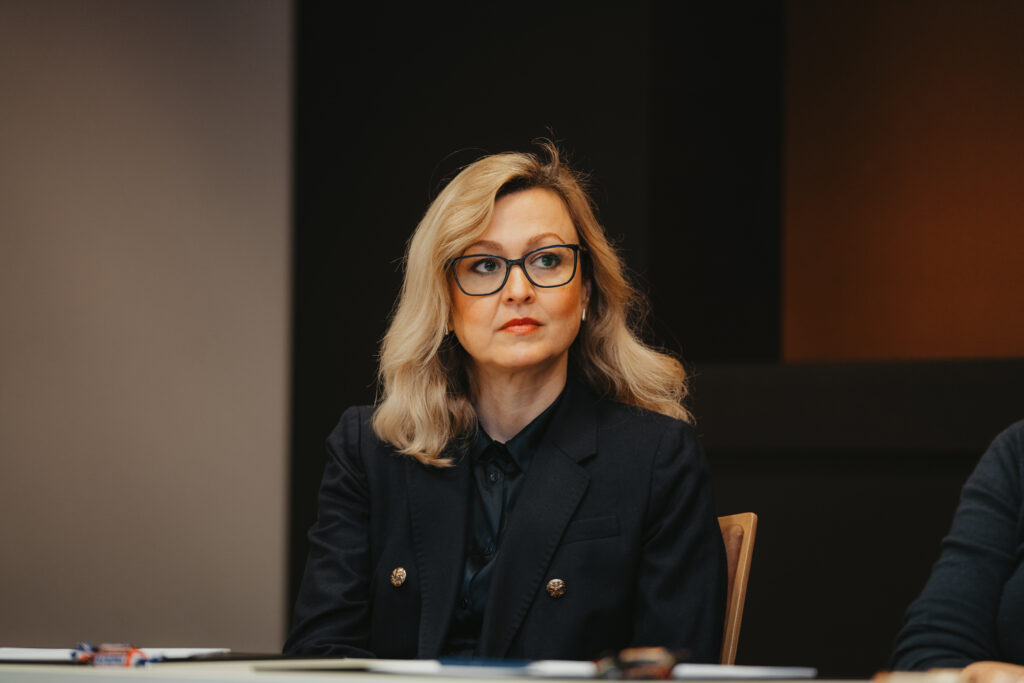
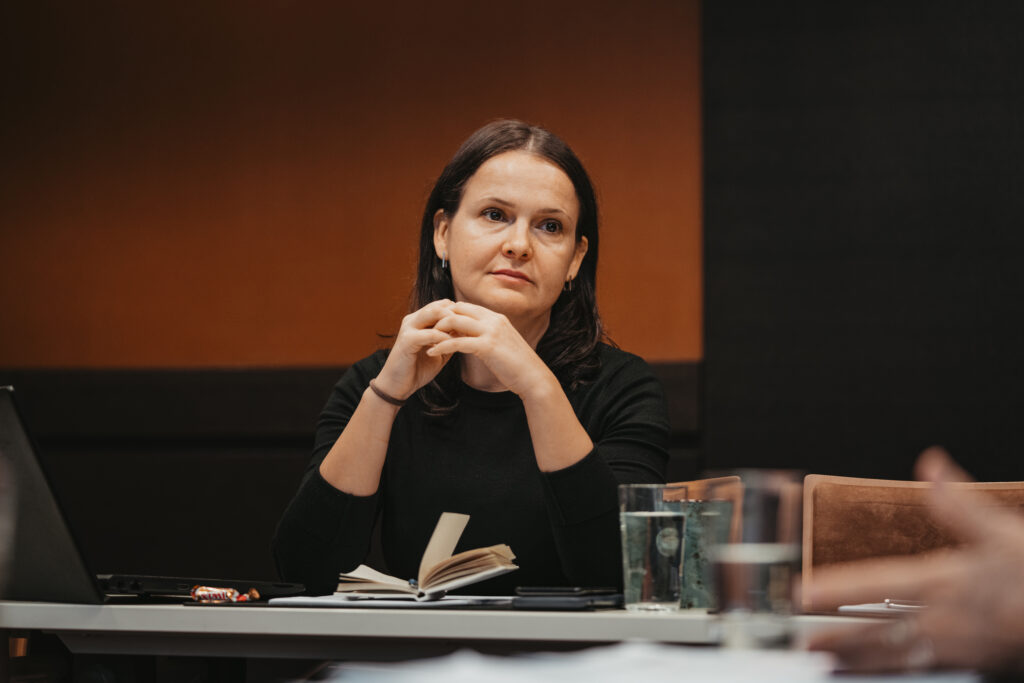
11:00-12:30 Common Responsibility for CEE Security
12:45-14:15 Engaging Civil Society: Navigating NGO Involvement and Funding in the New European Commission
12:45-14:15 Enhancing Strategic Communication and Funding Civil Society for a Resilient EU
Each discussion was connected with a presentation of a policy paper by Visegrad Insight:
Find the photo story below, authored by Peter Konaka-Kiss:

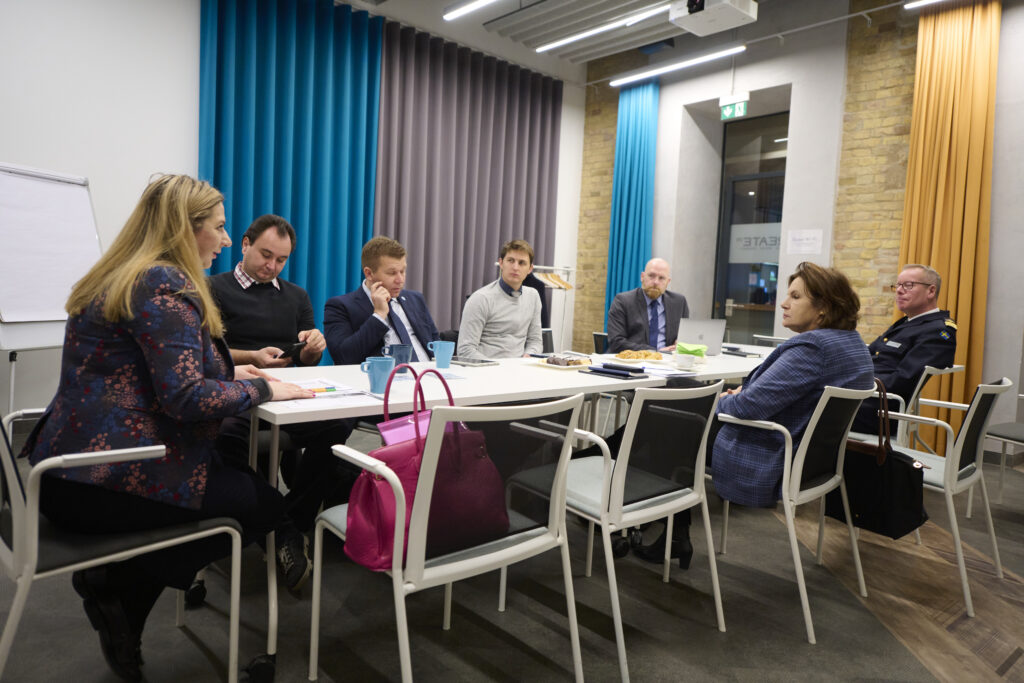
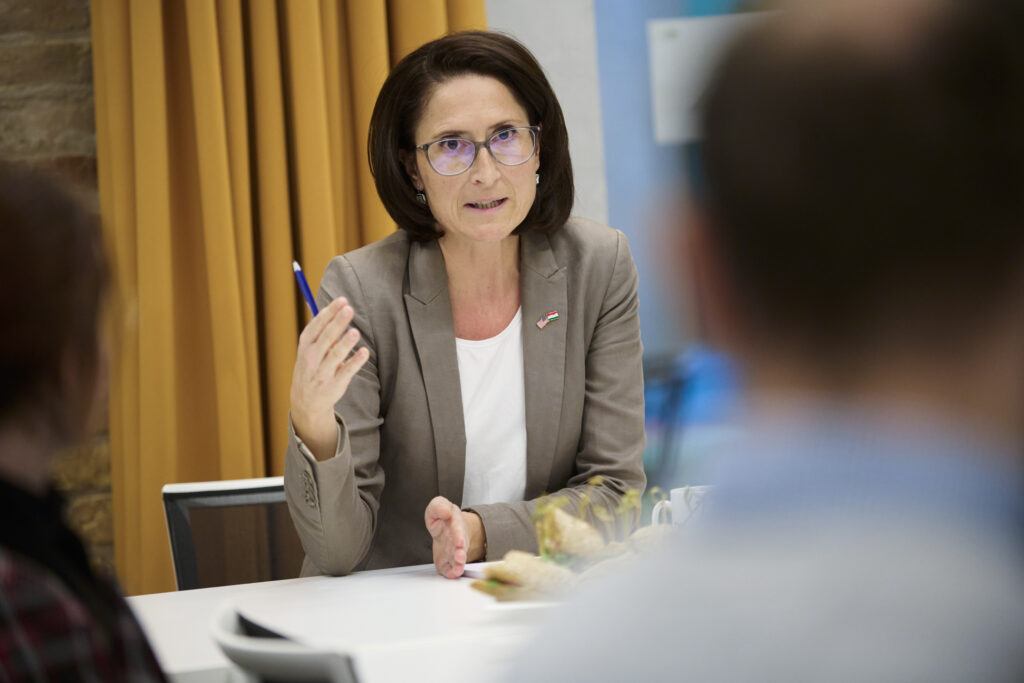

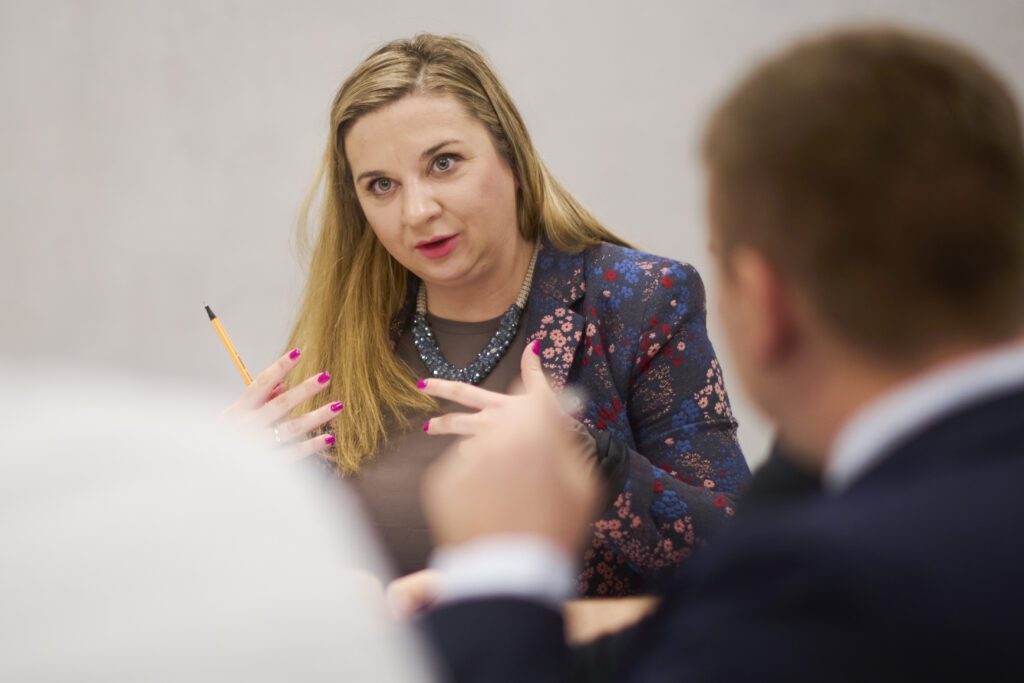
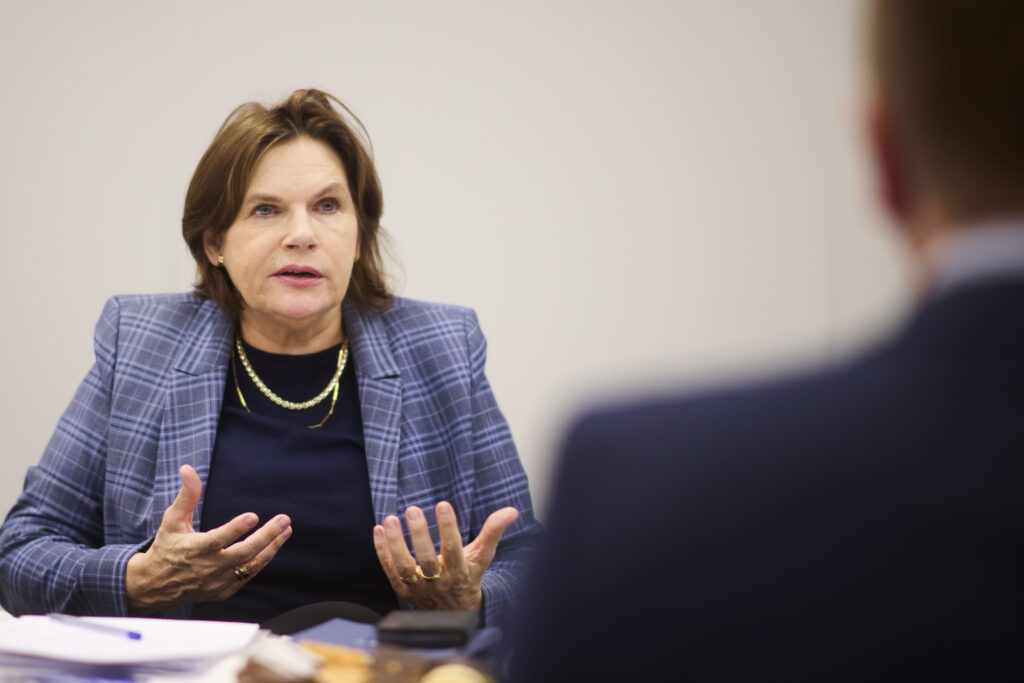
Participants from across the region and Europe gathered in Warsaw to examine the ongoing policy discussion defined in our FEVDS project and originally outlined in our report, “How European Democracies Are to Survive a New Trump Age”.
The FEVDS project aims to bolster the calibre of public discourse and expert-level deliberations regarding forthcoming policy trajectories within the European Union. By fostering synergistic partnerships among civil society stakeholders, it endeavours to fortify democratic resilience within the region. This initiative receives financial backing from the European Union.
The participants utilised their diverse pool of knowledge to pinpoint specific areas for development in EU policy, focusing on sectors such as defence, disinformation, governability and foreign interference. They identified areas with insufficient support and formulated possible policy solutions to address those shortcomings. The outcomes of these exercises will be summarized in a scenario-based report later in the year.
This is yet another round of expert workshops. See the report from the workshops held in Prague at the beginning of April 2024.
See the photo story below:
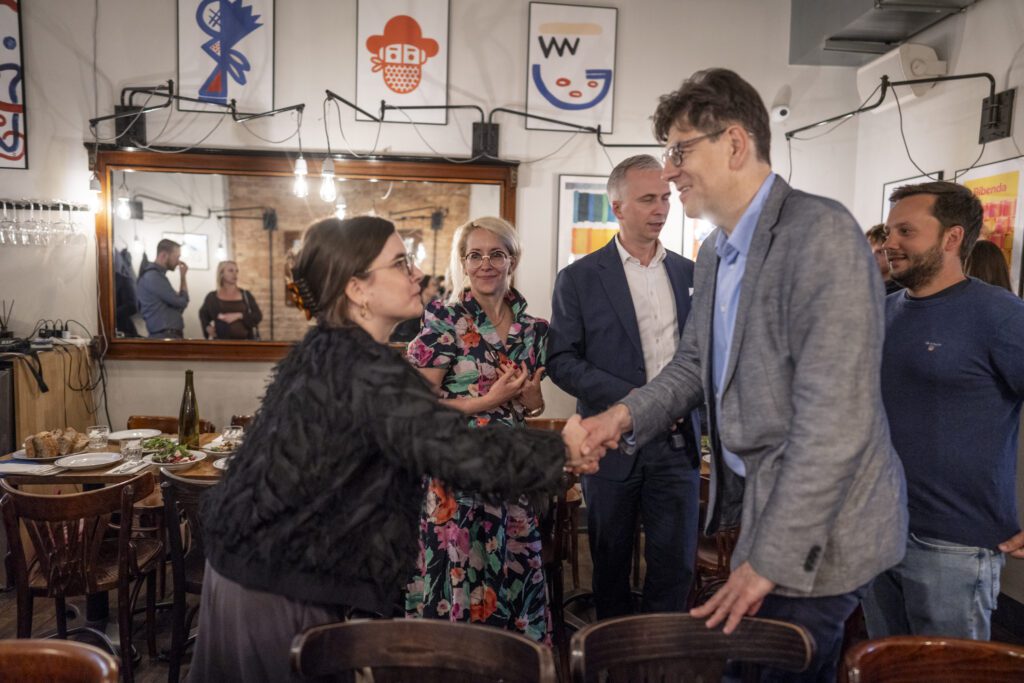

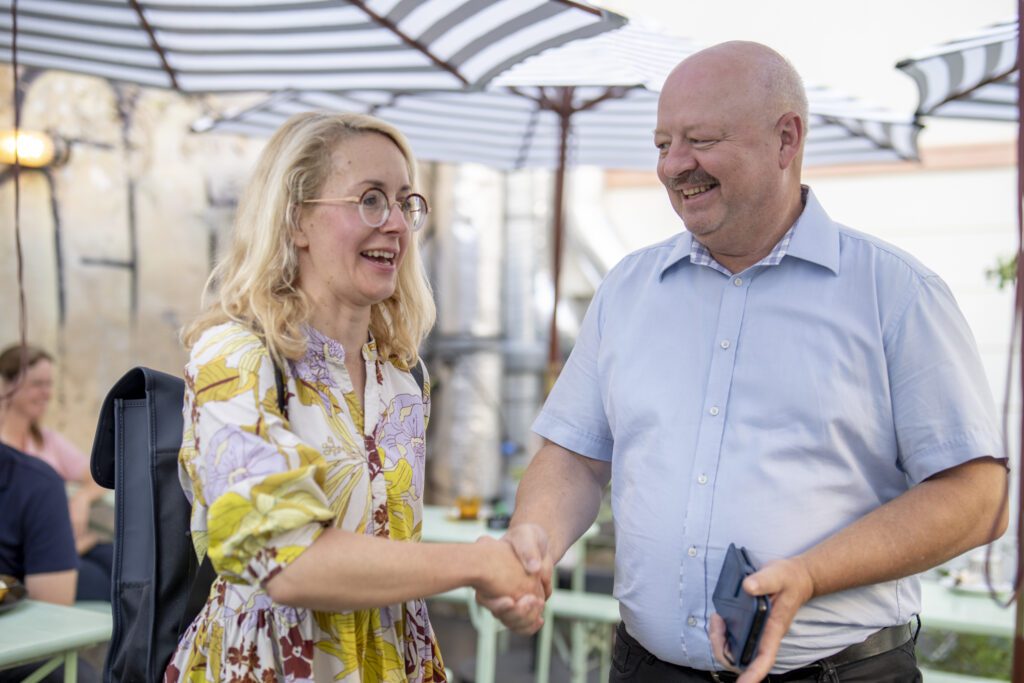
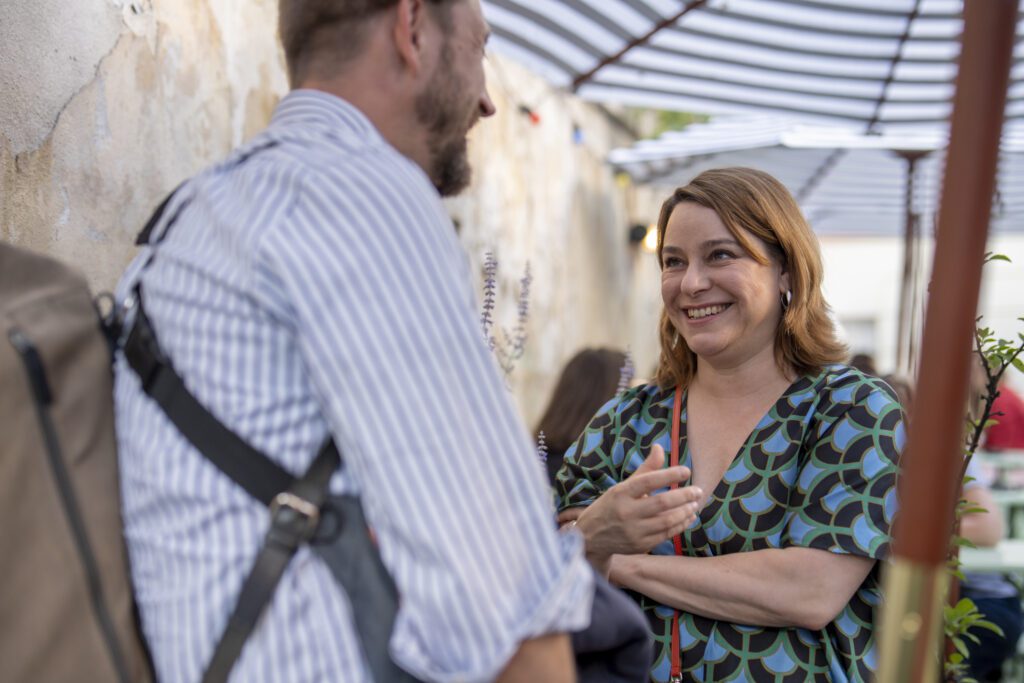
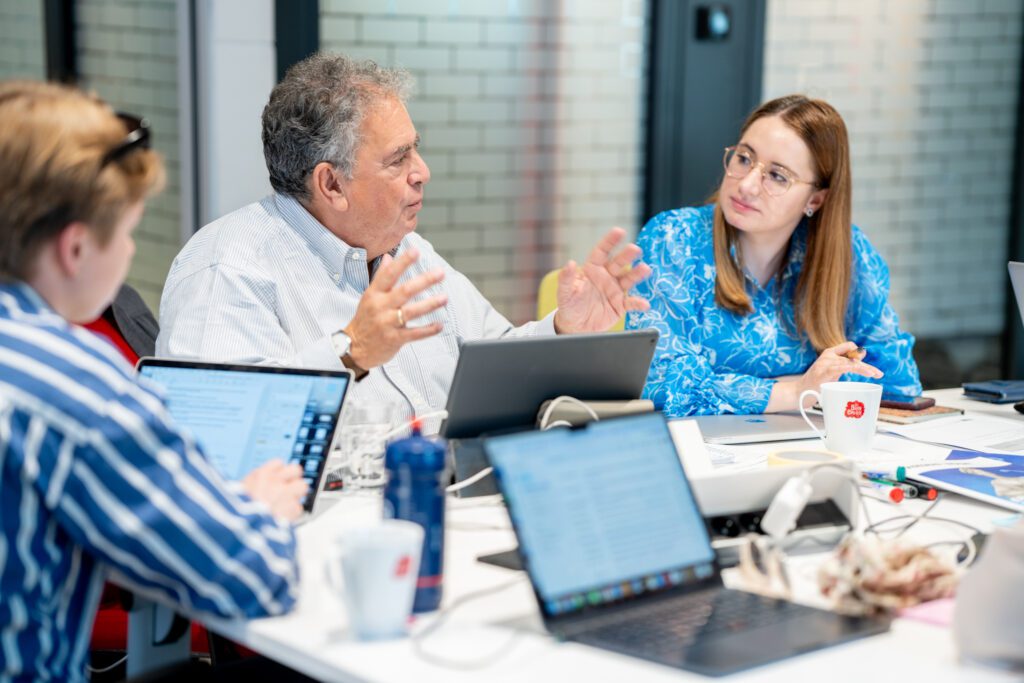
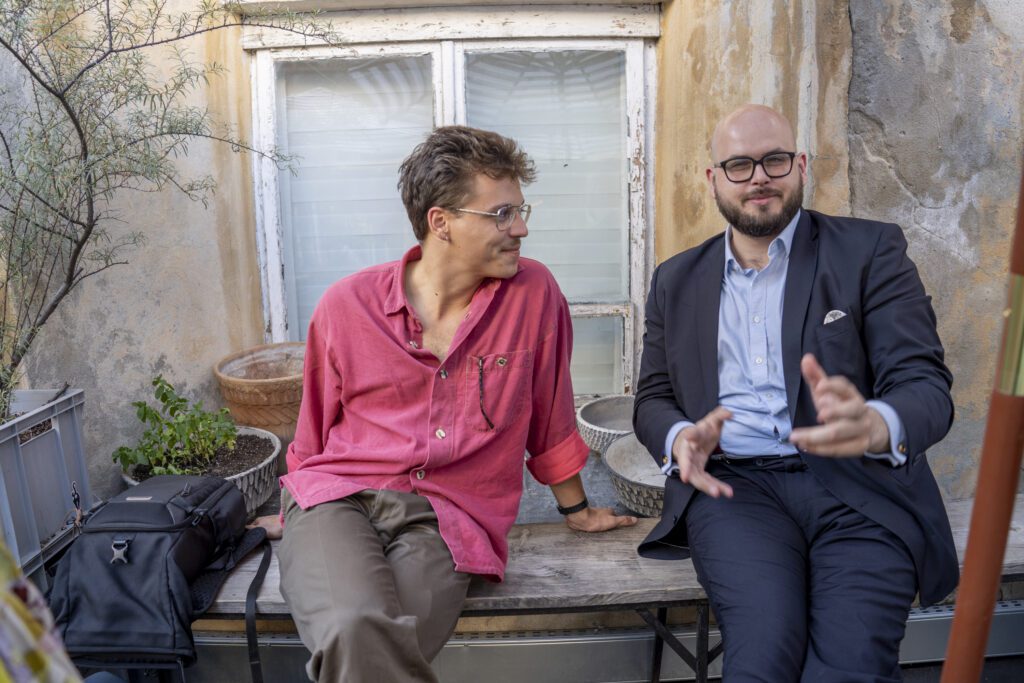


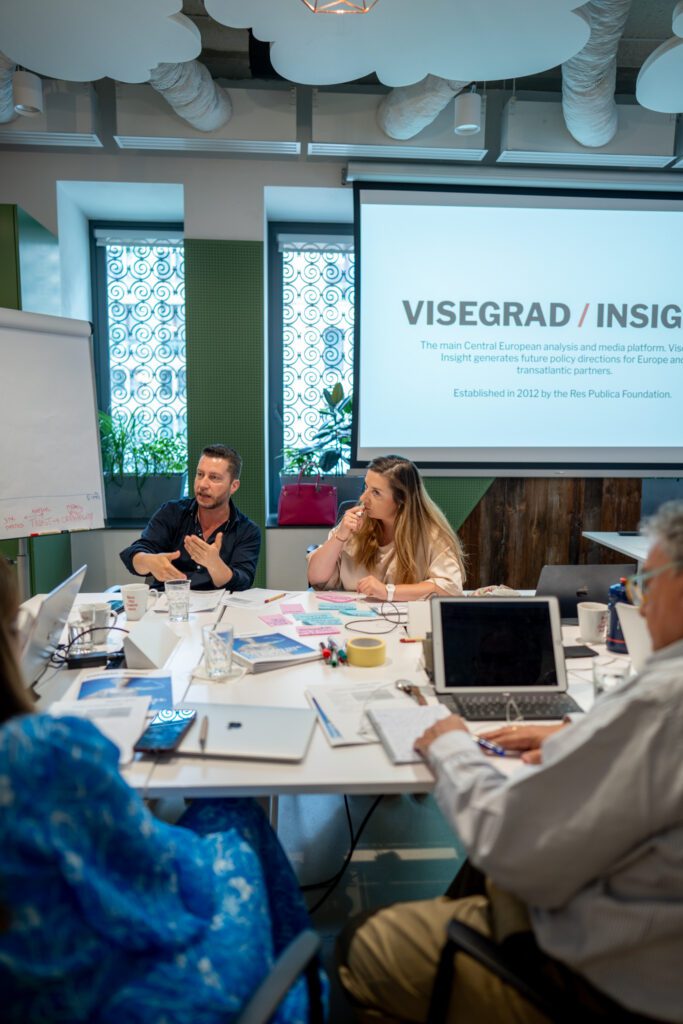
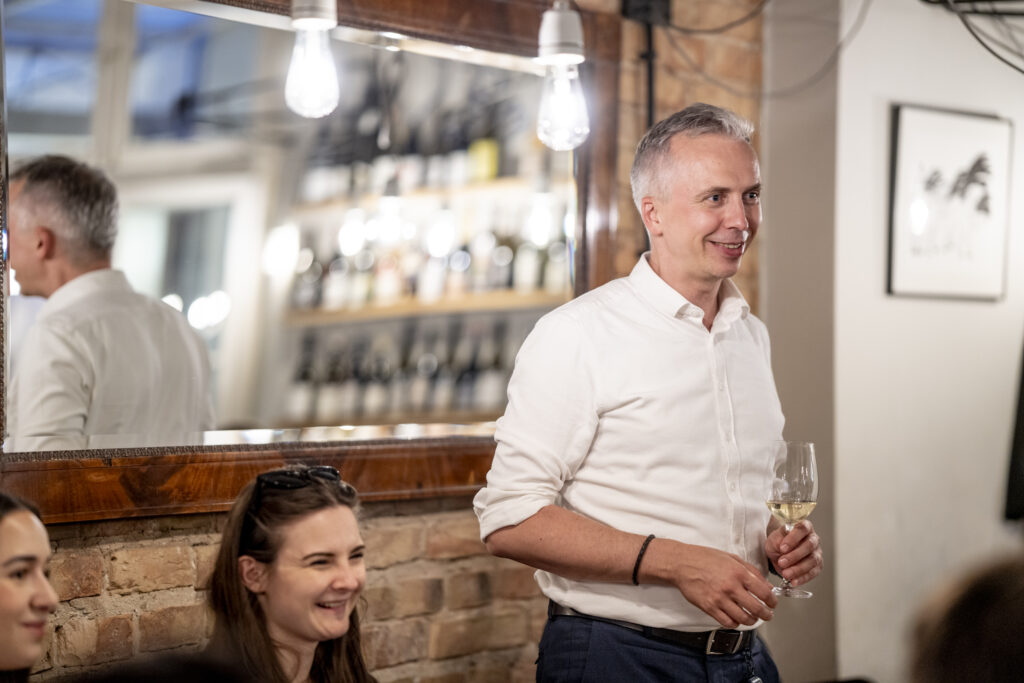
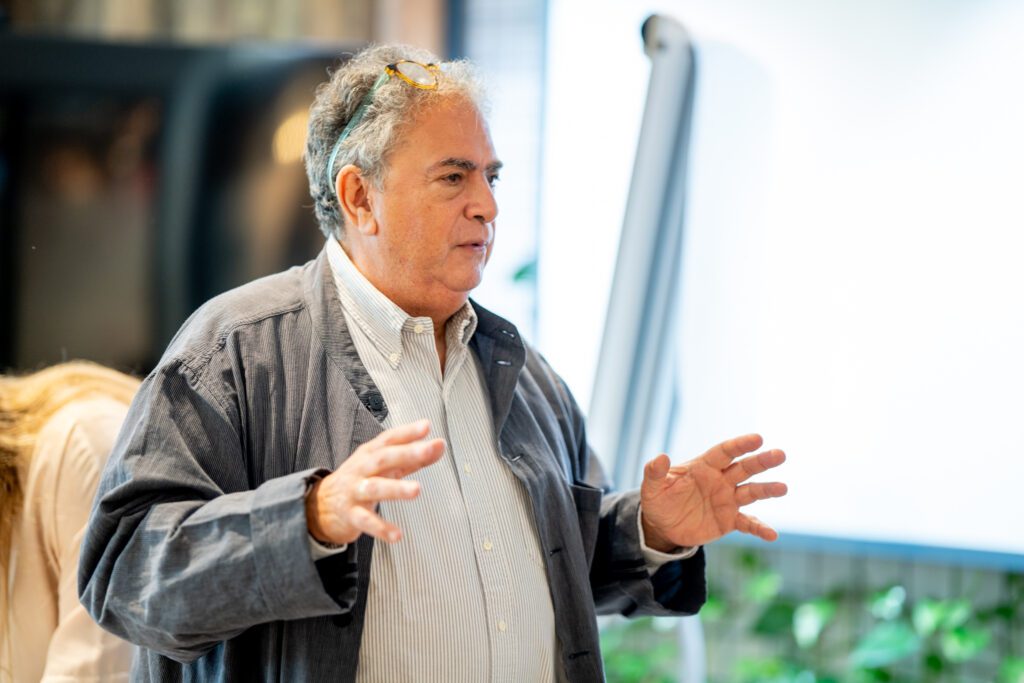
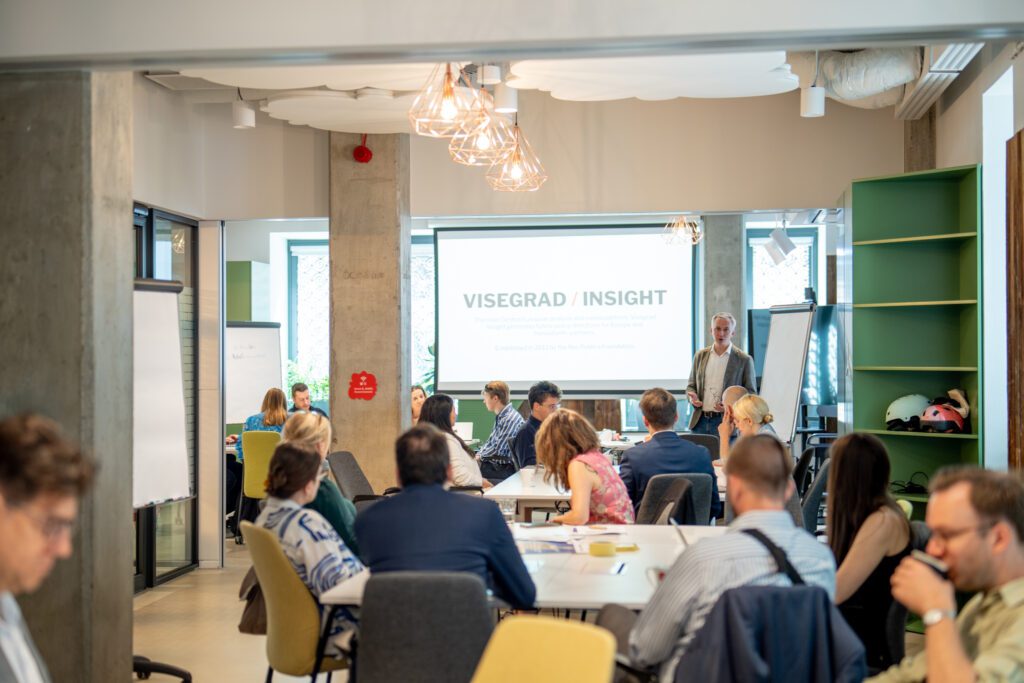

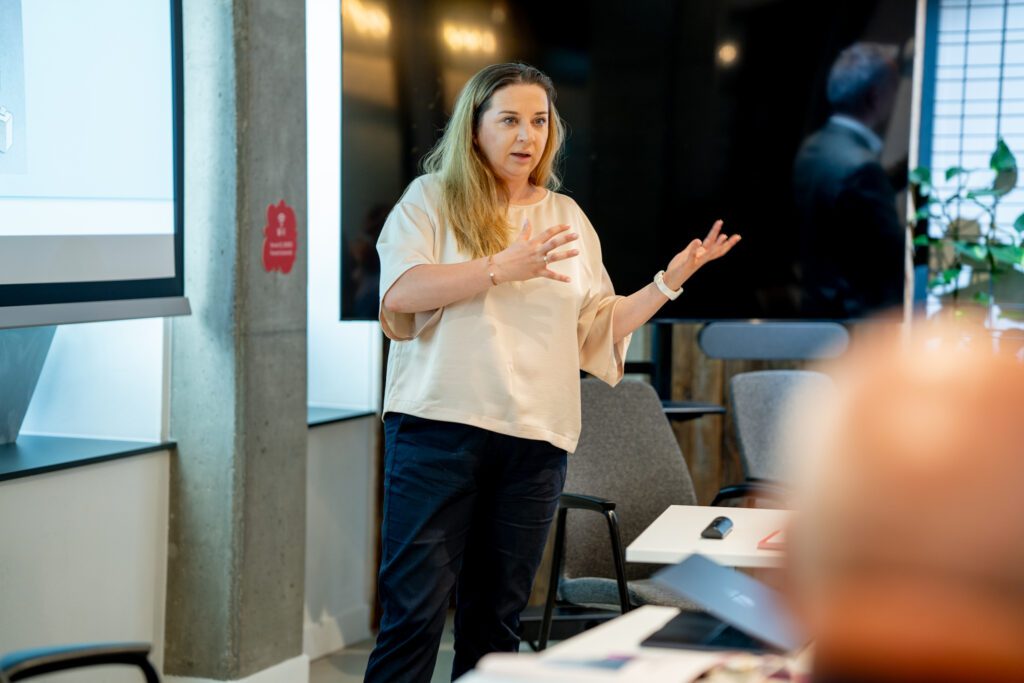
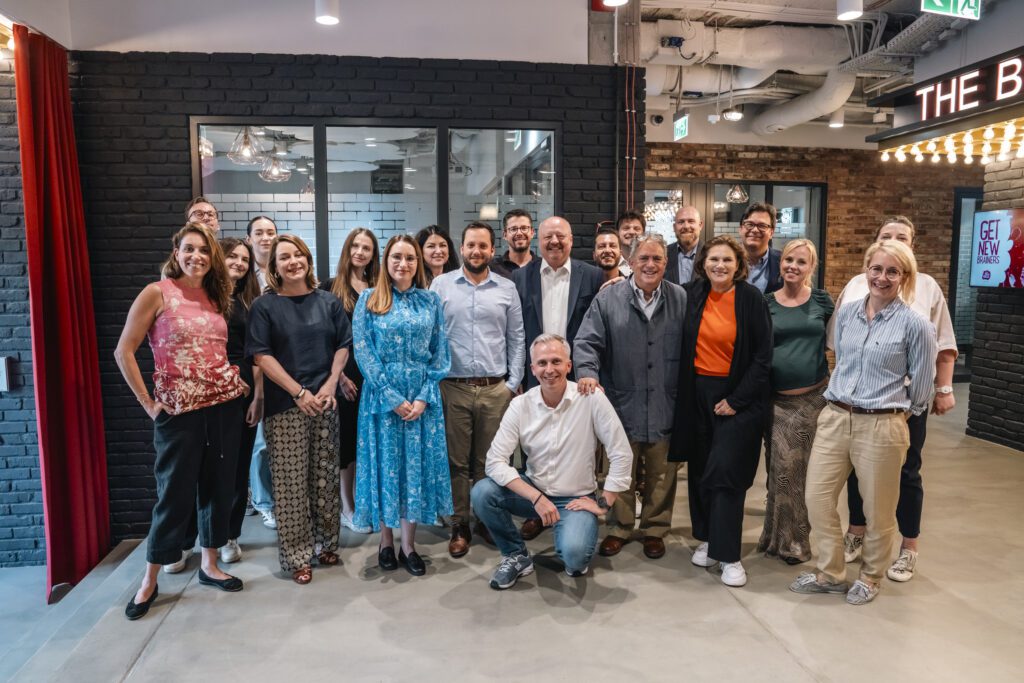
Participants from across the region and Europe gathered in Prague to examine the ongoing policy discussion defined in our FEVDS project and originally outlined in our report, “How European Democracies Are to Survive a New Trump Age“.
The participants utilised their diverse pool of knowledge to pinpoint specific areas for development in EU policy, focusing on sectors such as defence, disinformation, governability and foreign interference. They identified areas with insufficient support and formulated possible policy solutions to address those shortcomings. The outcomes of these exercises will be further developed in forthcoming workshops, as well as in a scenario-based report later in the year.
The FEVDS project aims to bolster the calibre of public discourse and expert-level deliberations regarding forthcoming policy trajectories within the European Union. By fostering synergistic partnerships among civil society stakeholders, it endeavours to fortify democratic resilience within the region. This initiative receives financial backing from the European Union.
See the photo story below
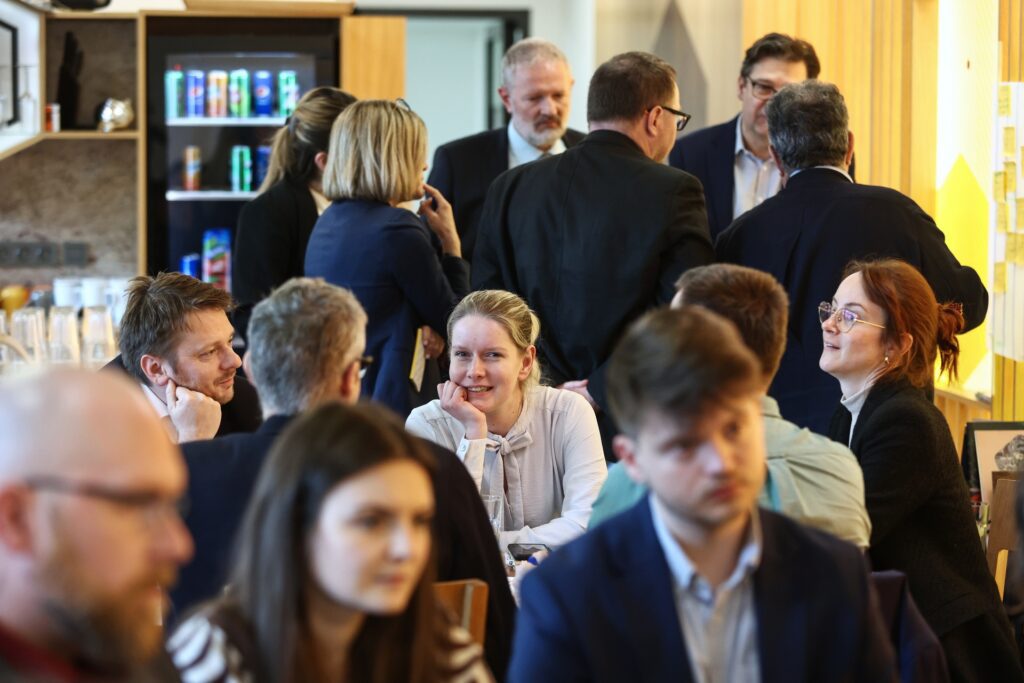
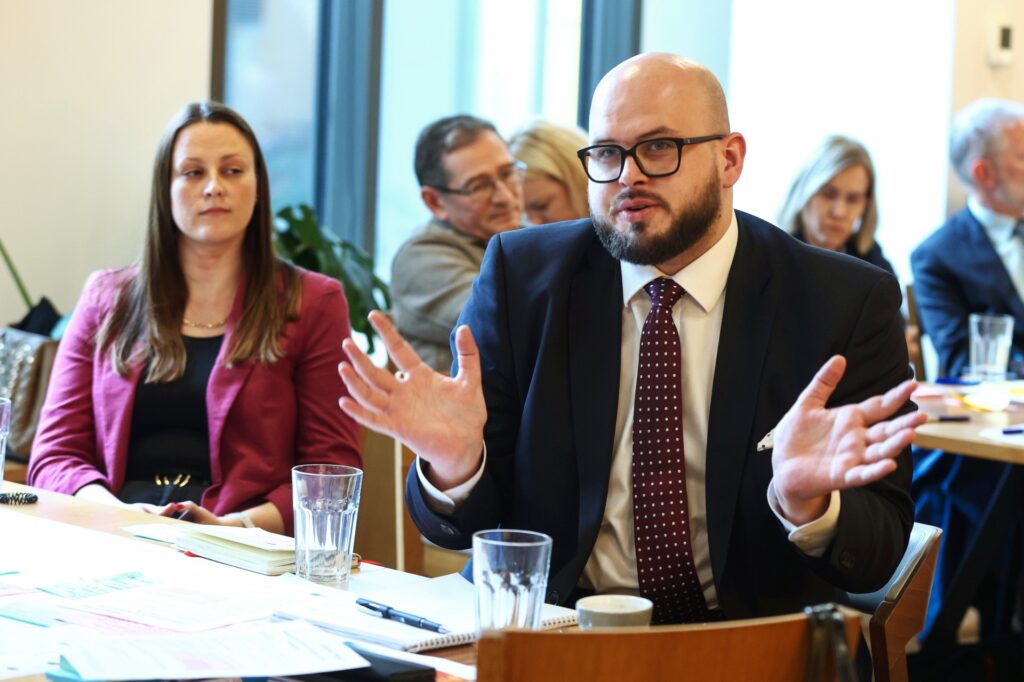
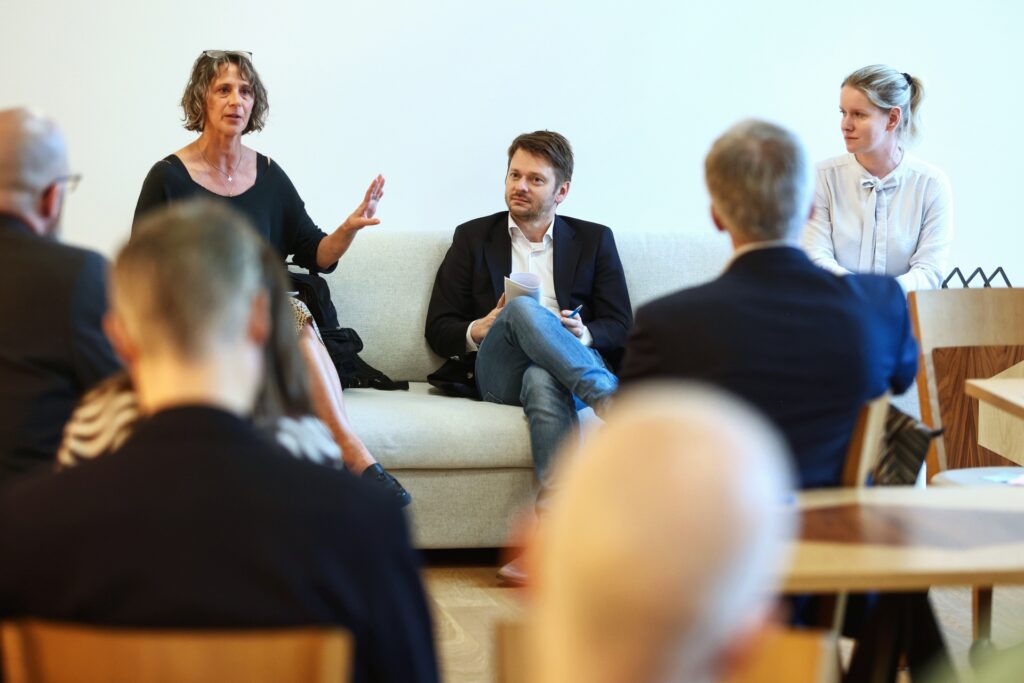
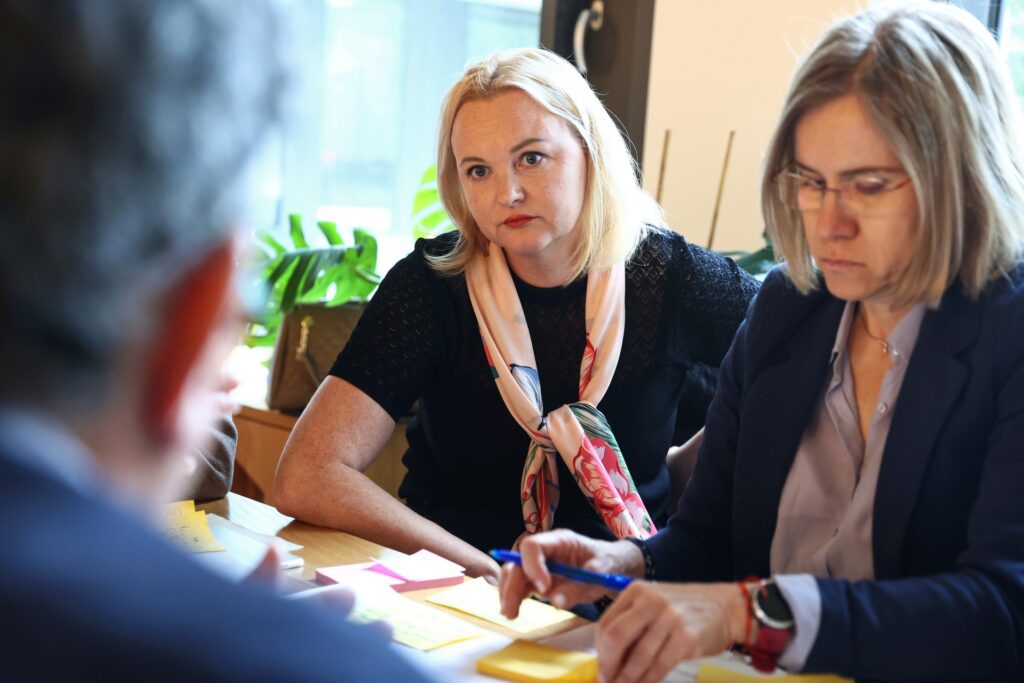
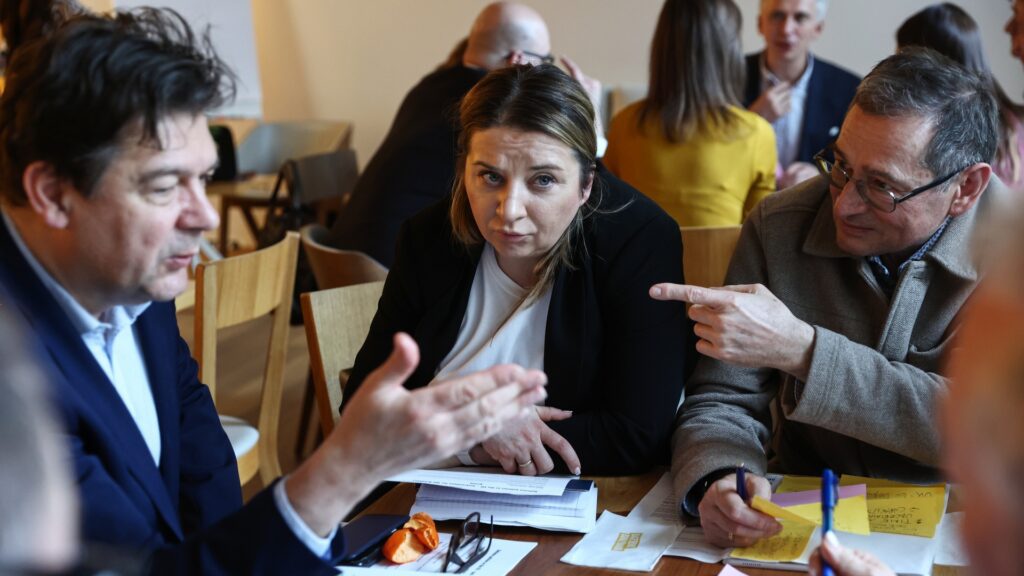
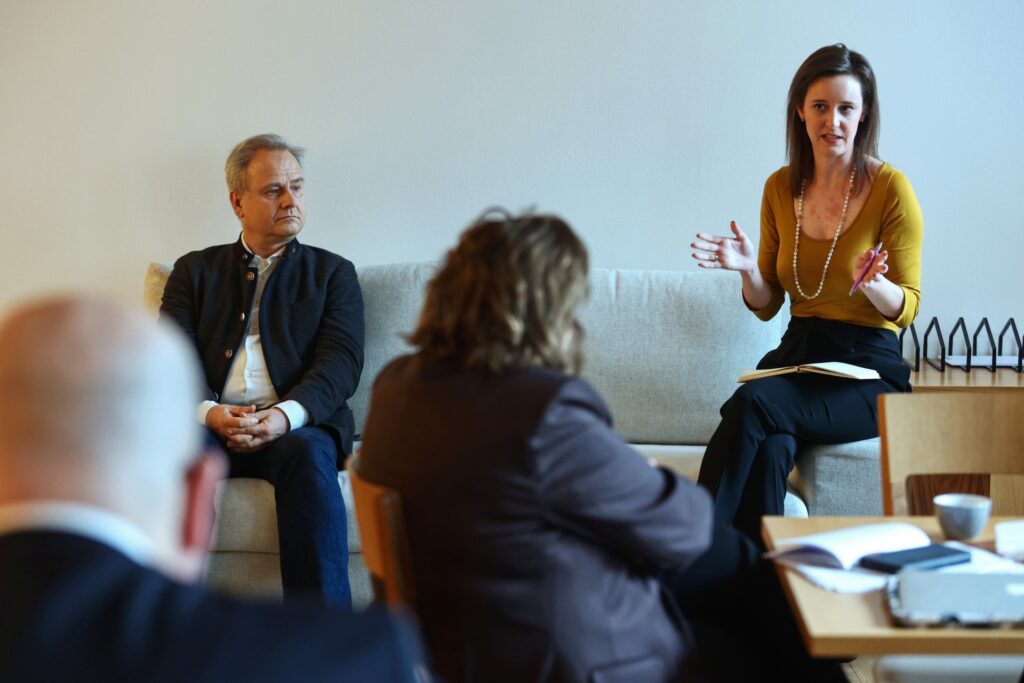
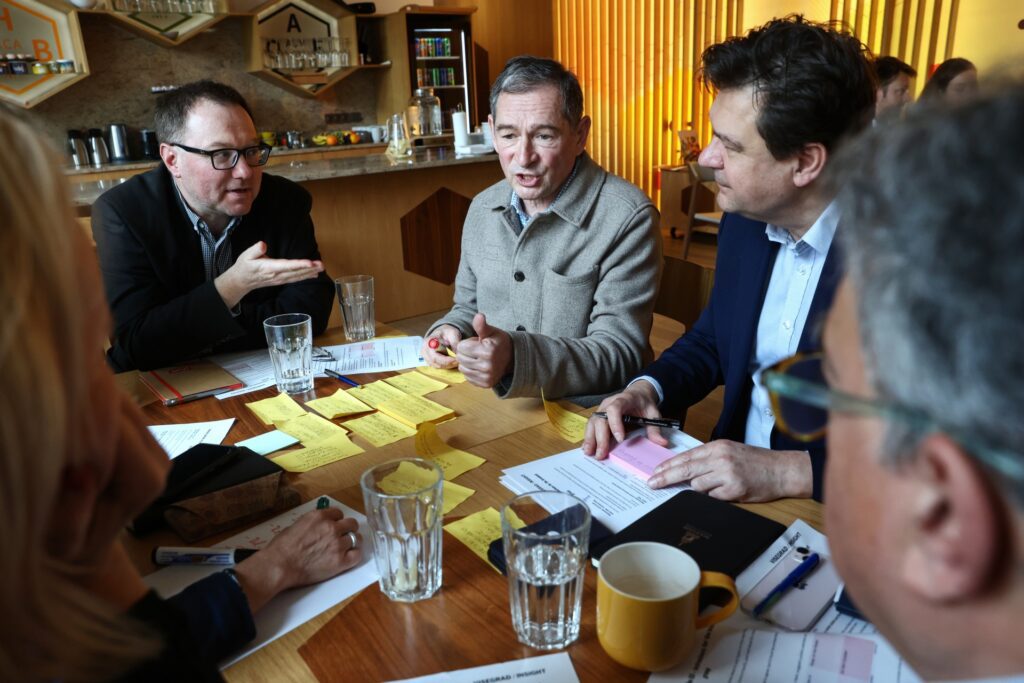


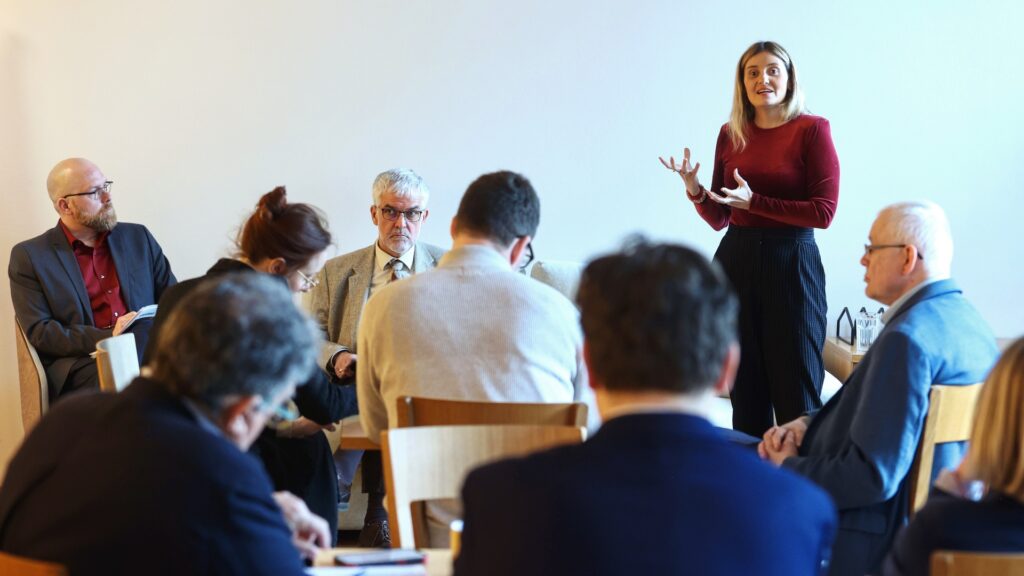
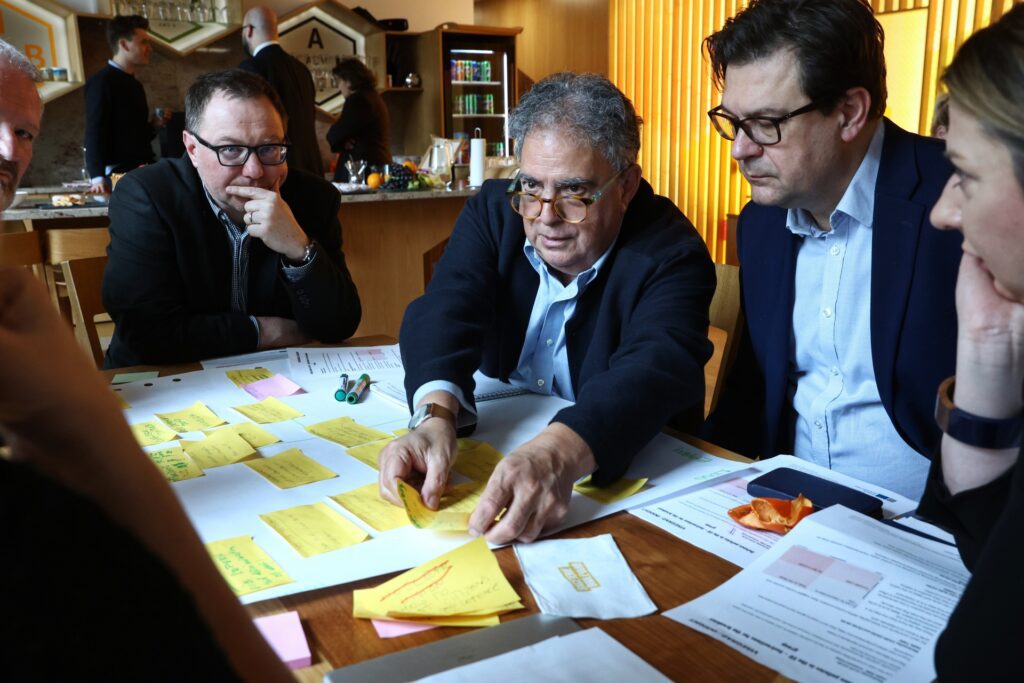
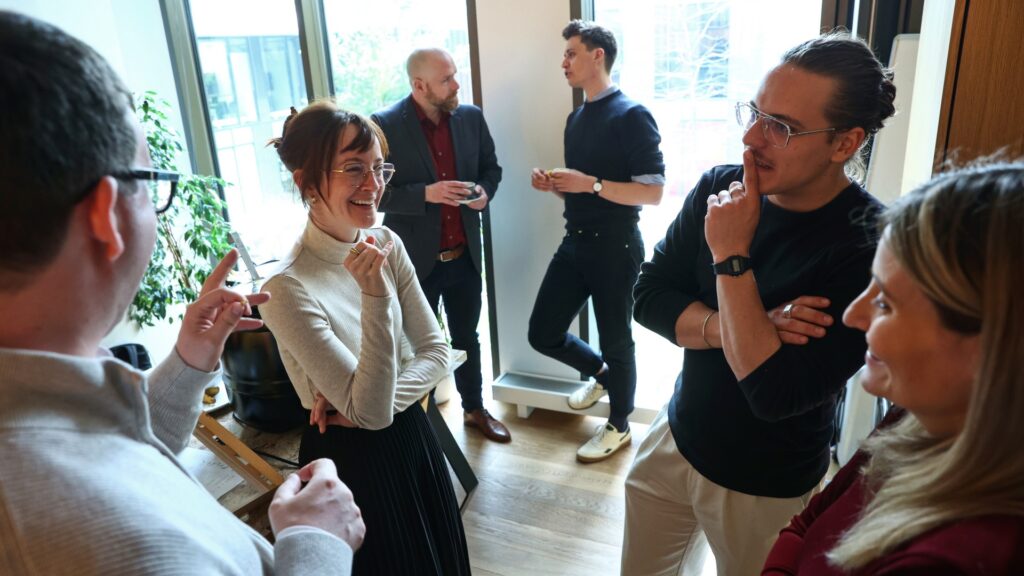
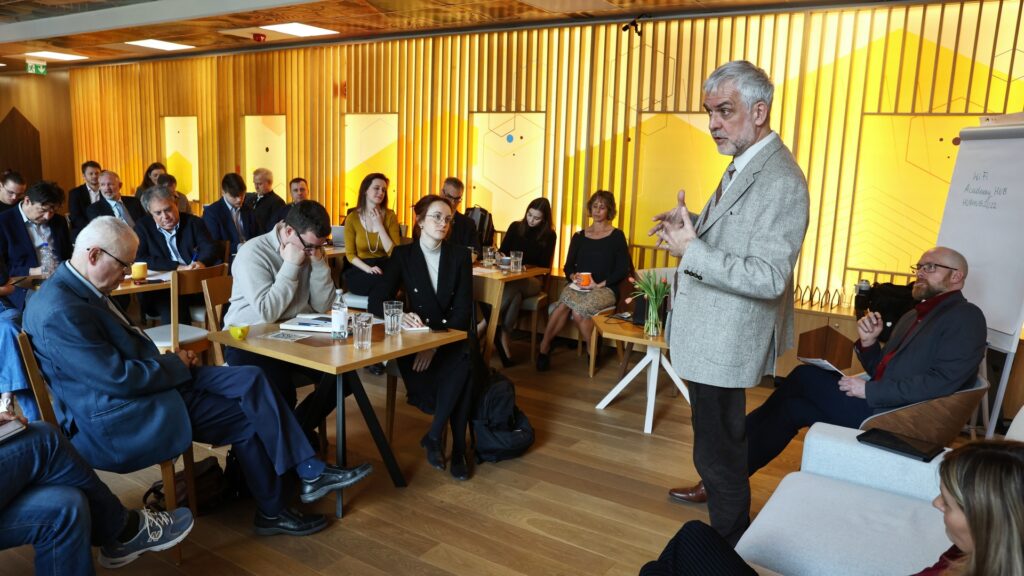
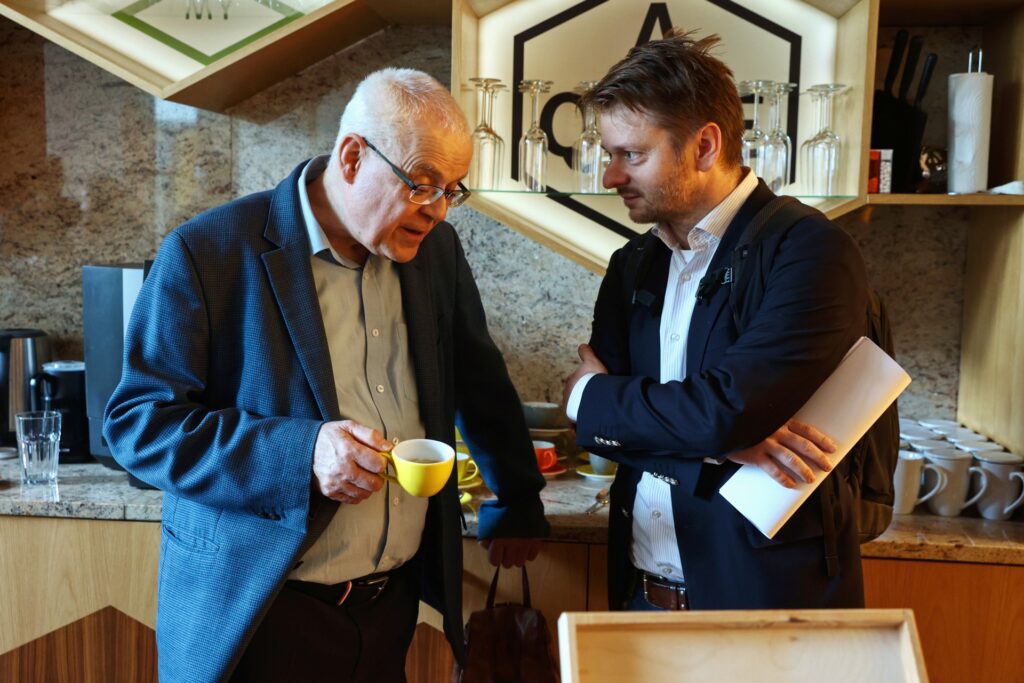
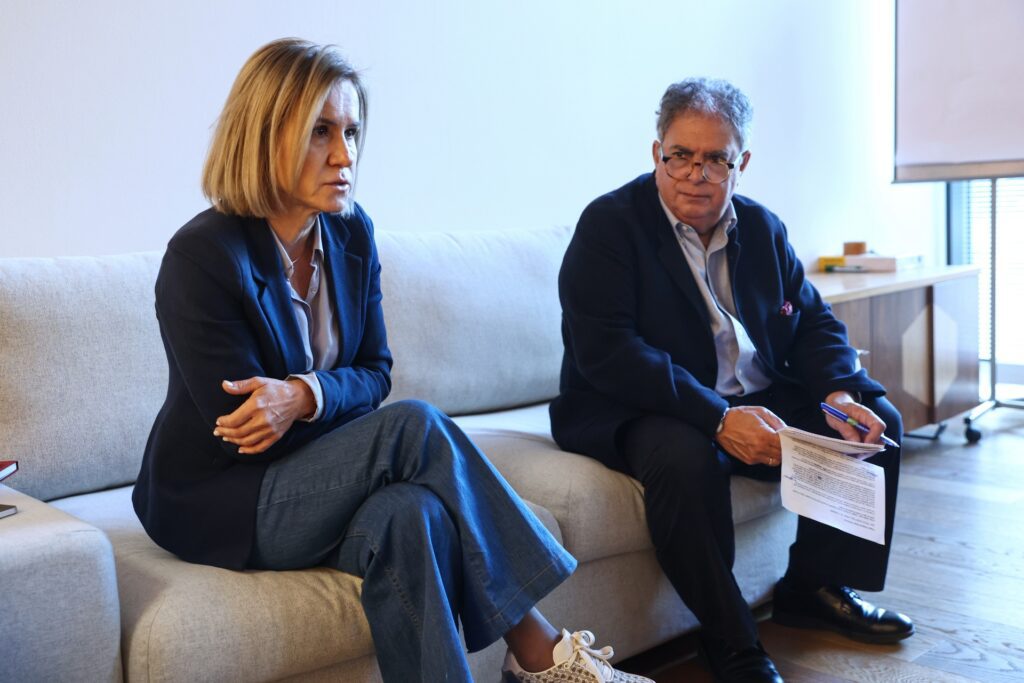
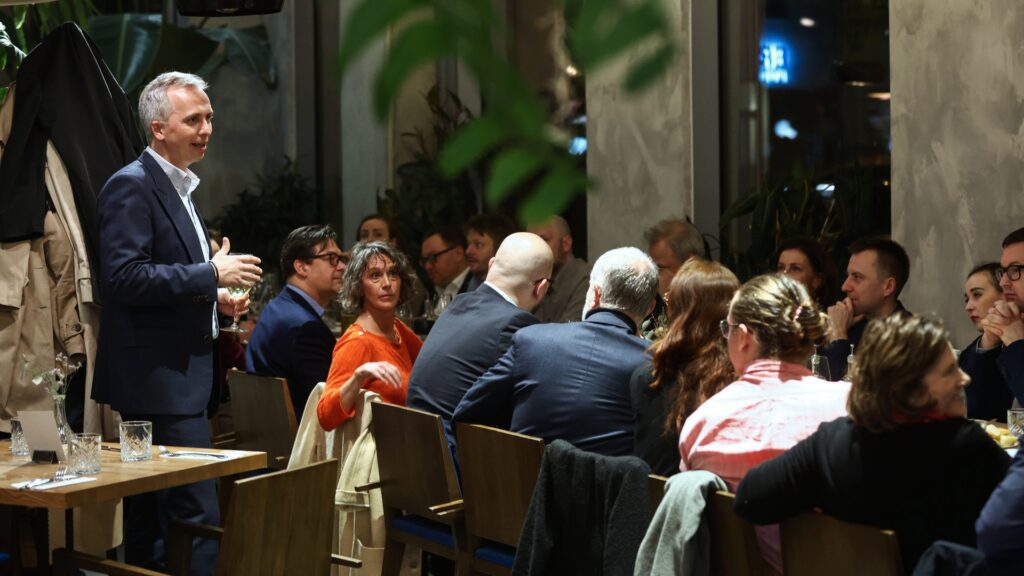
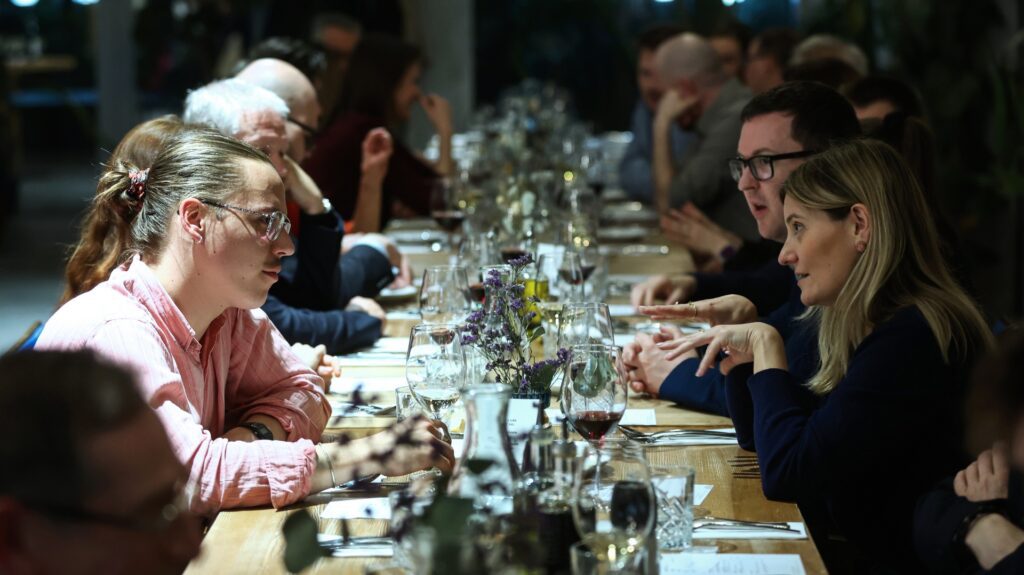
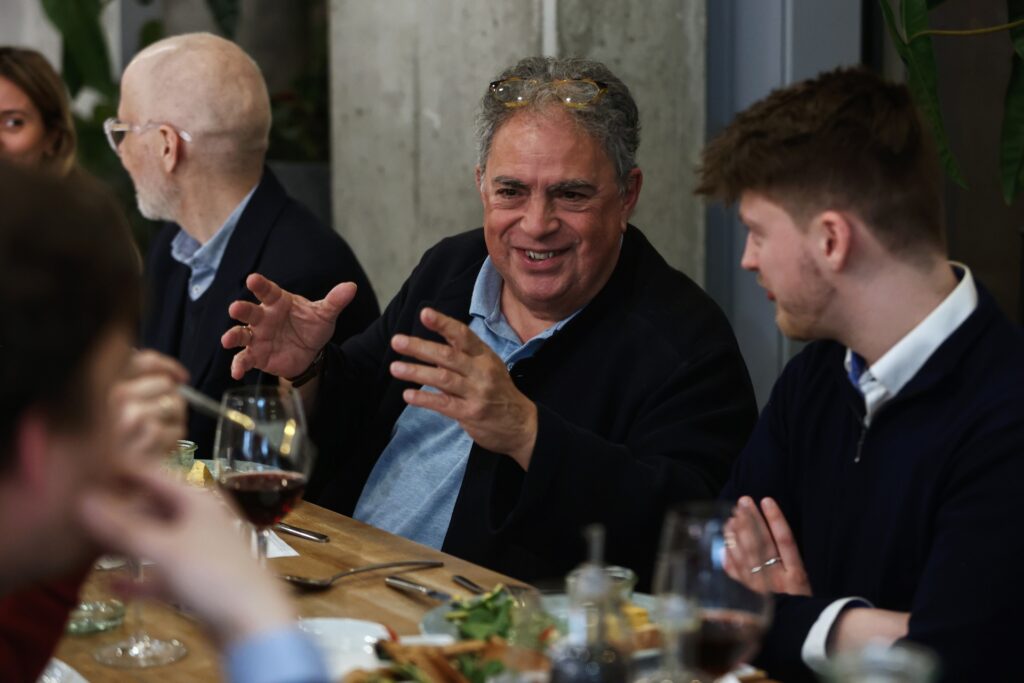
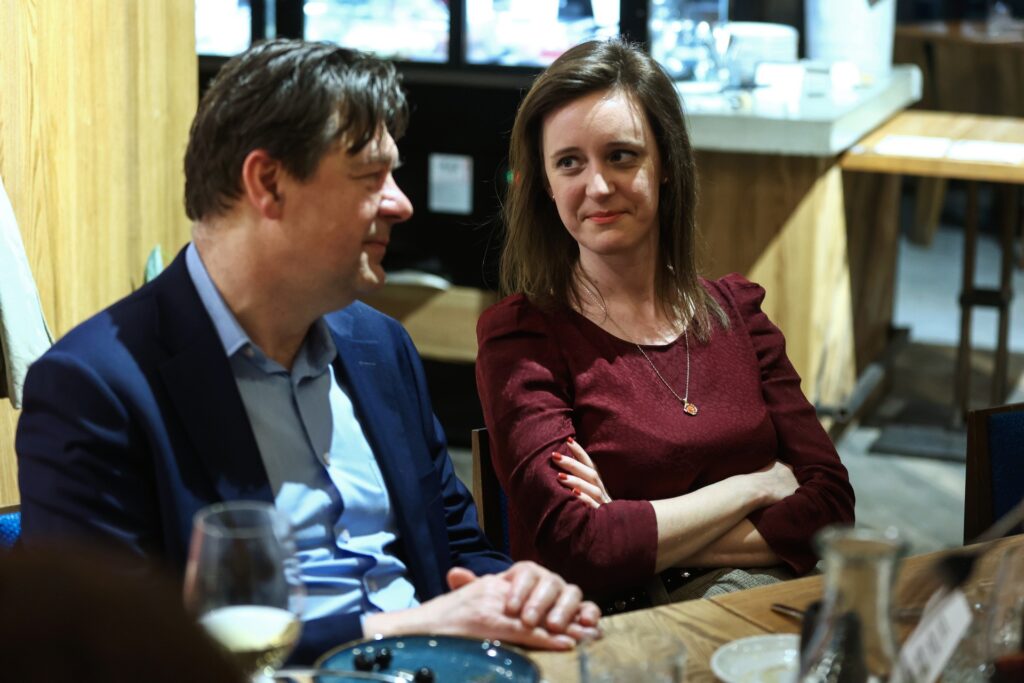
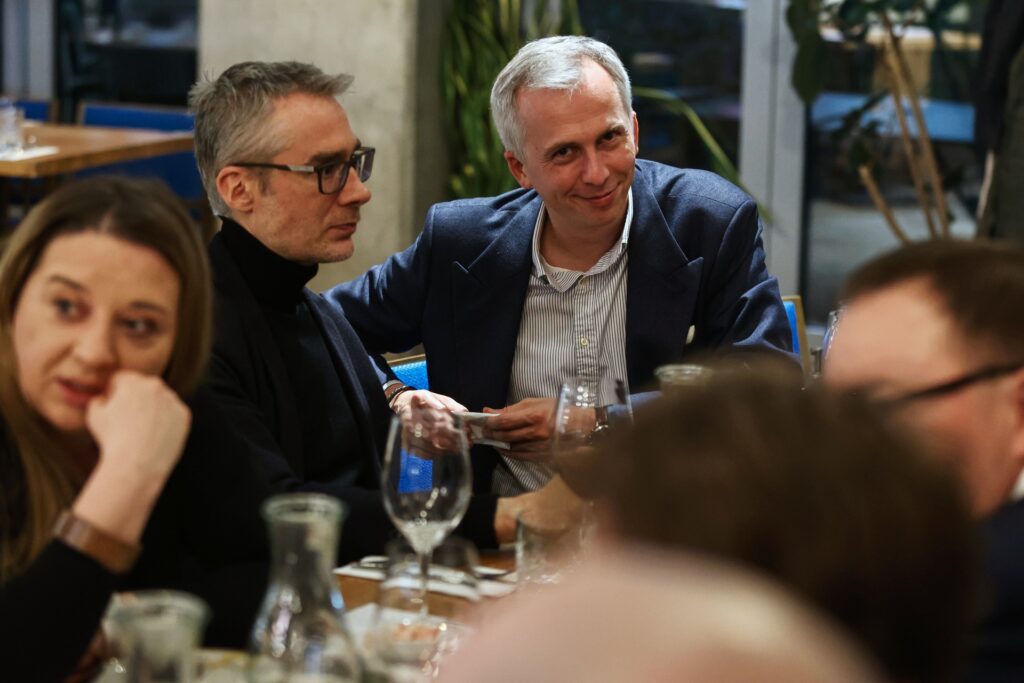
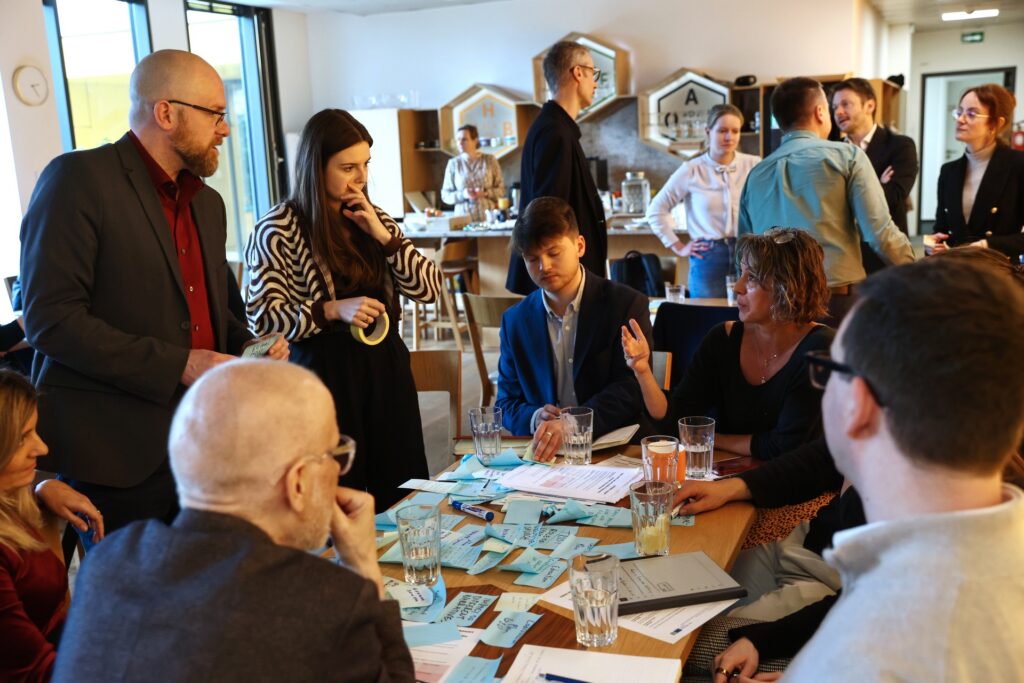
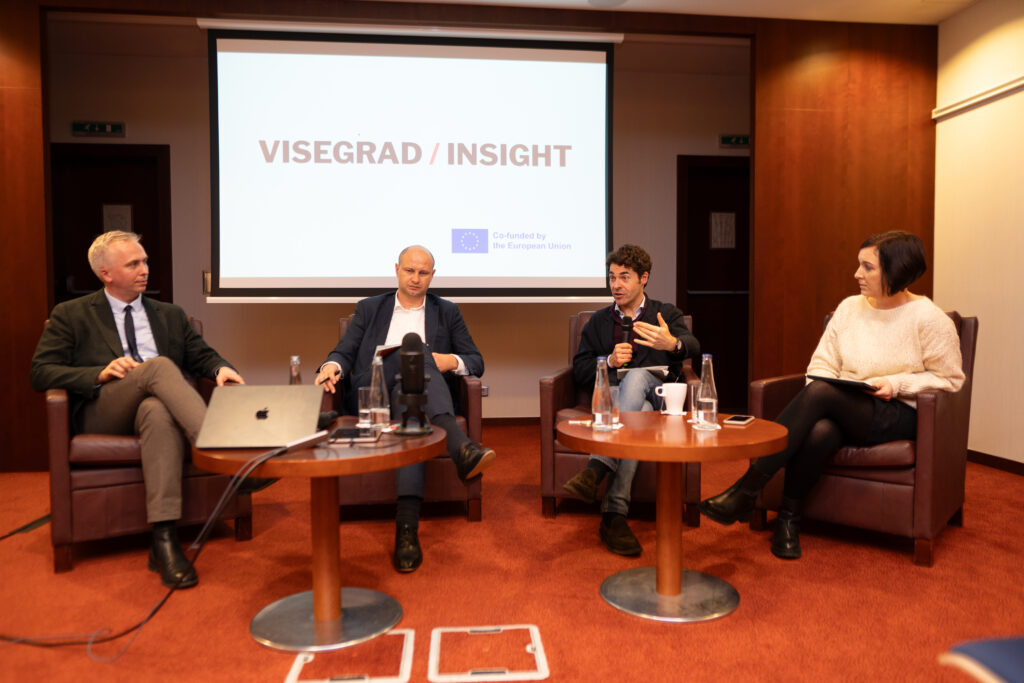
The speakers included Peter Balik (former Minister for Investments, Regional Development and Informatization), Alberto Alemanno (HEC Paris), Wojciech Przybylski (Visegrad Insight), and as a moderator Michaela Terenzani (The Slovak Spectator). See the photo story here.
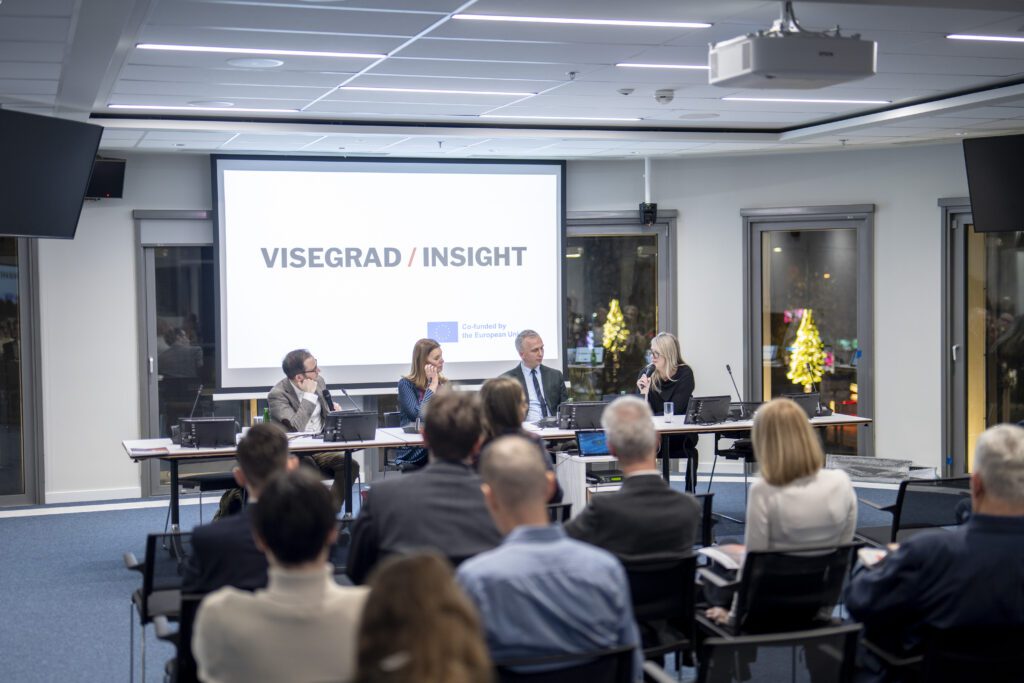
The speakers included Edit Inotai (Centre for Euro-Atlantic Integration and Democracy), Beata Jaczewska (former Deputy Minister of the Environment), Liam Nolan (RTE) and Wojciech Przybylski (Visegrad Insight), see the photo story here.
A select group of experts, diplomats and journalists sat and discussed challenges for the next EU Agenda 2024-2029. Click here to see the photo story.
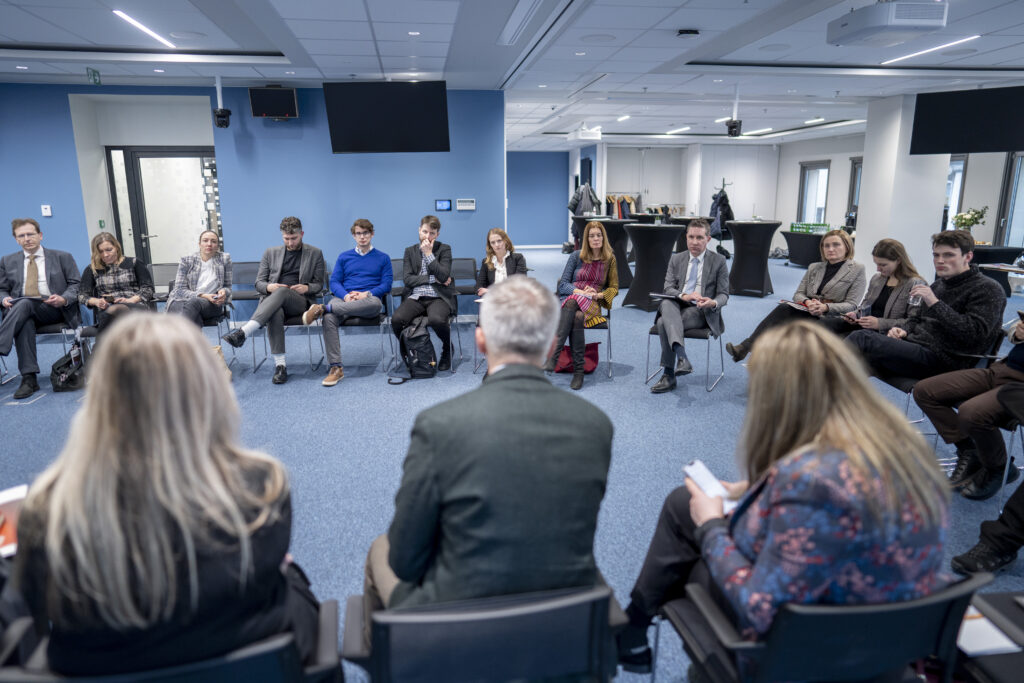
A select group of experts, diplomats and journalists from Prague meet during a roundtable discussion to address challenges for the EU Agenda 2024-2029. Click here to see the photo story.
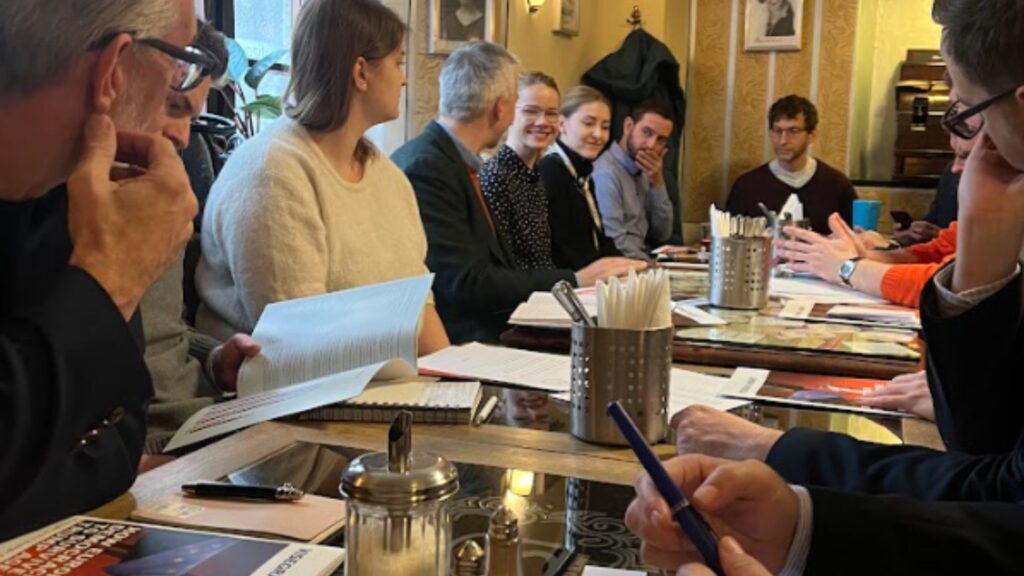
The public debate included Martin Ehl (Hospodářské noviny), Marek Havrda (Ministry of European Affairs), Wojciech Przybylski (Visegrad Insight) and Olga Richterová (Czech Parliament) who drove the debate on Czech priorities in the forthcoming EU Agenda. Click here to see the photo story.

A select group of experts, diplomats and journalists sat and discussed challenges for the next EU Agenda 2024-2029. What lies ahead for the future of Europe? Click here to see the photo story.
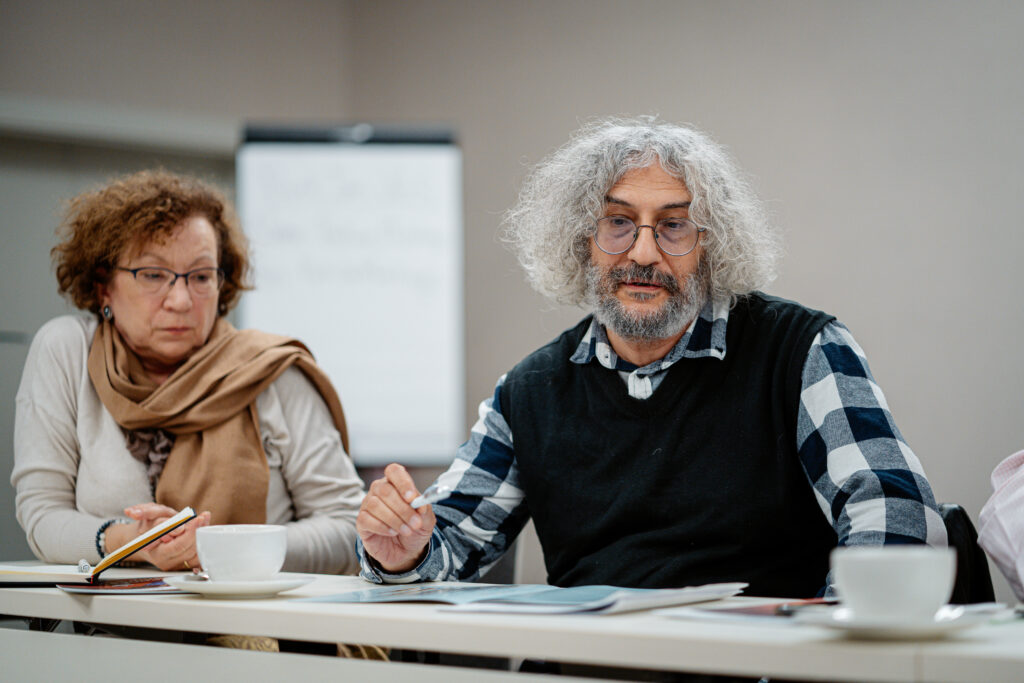
Edit Inotai (Centre for Euro-Atlantic Integration and Democracy), Márta Pardavi (Hungarian Helsinki Committee) and Wojciech Przybylski (Visegrad Insight) discussed with participants what Hungary’s priorities will be in the next EU Agenda. Read more about the event and see the photo story here.
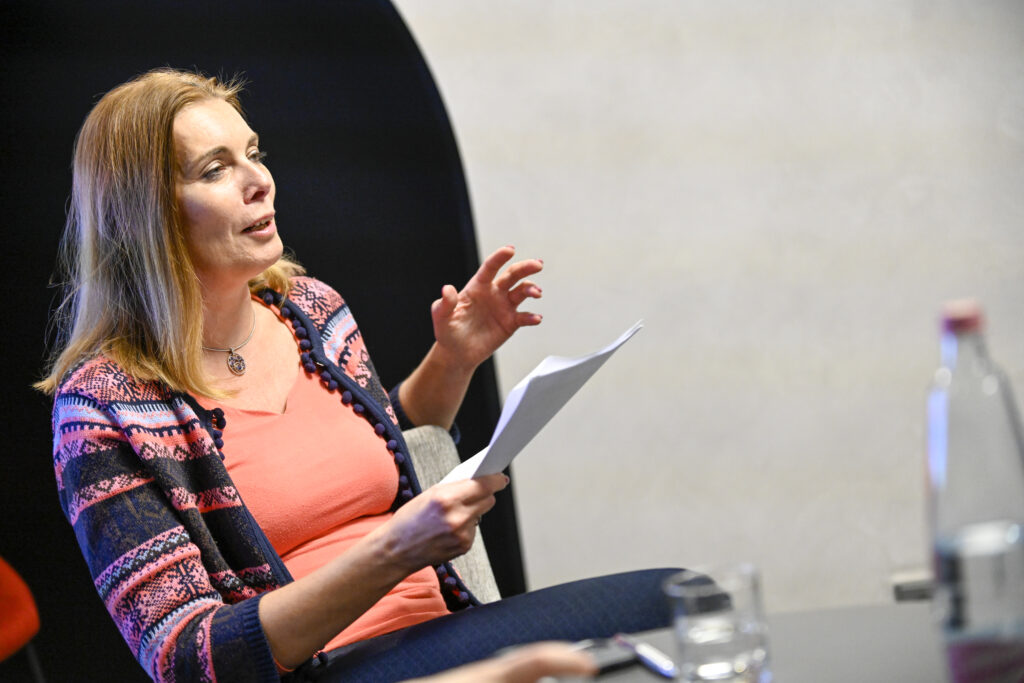
We organised a closed-door roundtable at the European Economic and Social Committee in Brussels. Read more about the event and see the photo story by clicking here.

The main focus was on future policies that the EU will consider regarding strengthening democratic security.
See our photo story and read more about the event by clicking here

25 participants from CEE countries created a strategic foresight plan to navigate future challenges and opportunities. They used a risk matrix to evaluate current trends and formed smaller groups to brainstorm potential scenarios. They developed actionable policy recommendations for the EU strategic agenda between 2024 and 2029. The outcome was a plan that provides insights and concrete actions for long-term development. This was a significant step towards a prosperous future for the CEE region, leaving participants with a sense of achievement and hope.
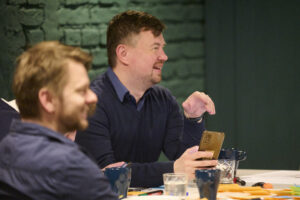

This workshop gathered policy experts, civil society and business leaders primarily from Central and Eastern Europe, to provide CEE perspectives on upcoming EU strategic plans and emphasise democratic security. The meeting was the first step in developing, analysing, and backcasting alternative futures for EU policies. Participants evaluated the drivers and triggers shaping the region’s future, debating the “most impactful and uncertain” outliers in three teams and began narrating possible scenarios.
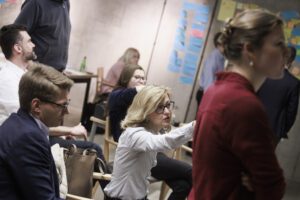
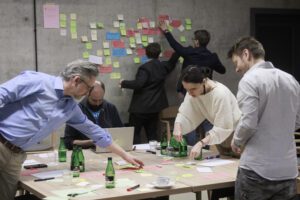
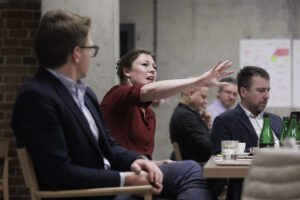

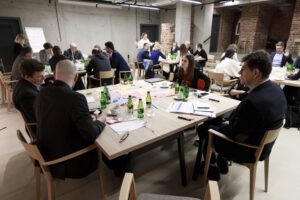
Workshop 1 photos by: Tomasz Golla
Workshop 2 photos by: Peter Konaka-Kiss, D1 Stúdió
Navigate to:
EU Values Foresight Homepage
Shielding European Democracy – 2024 Report
How European Democracies Are to Survive a New Trump Age – 2023 Report
Horizon Scanning