Foresight
News
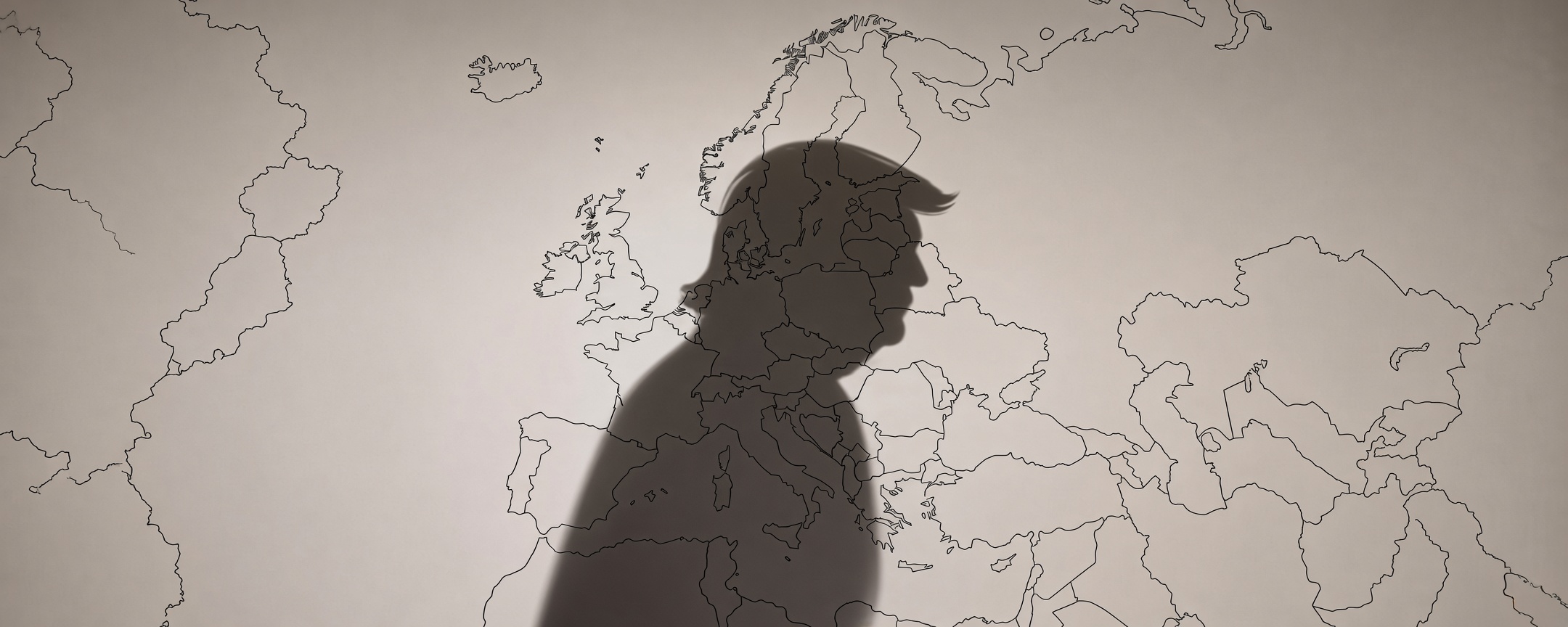
The Long Shadow of Trump Over Europe’s Unity
5 October 2026


Iran’s attack on the Diego Garcia military base in the Indian Ocean marks a pivot in threat perception for most European capitals. Tehran fired two missiles with a range of roughly 4,000 kilometres – putting most of Europe in the crosshair. The kinetic risk is now real and CEE countries should change their calculus.
So far the European Union (EU) has been focused on the economic fallout from the blockade of the Strait of Hormuz, but experts like Francesco Sassi are alarmed that even in this domain, Brussels underestimates supply risks and now must also include a possibility of direct attacks since Tehran unexpectedly demonstrated new capabilities.
‘What we know for sure is that they are very close to having that capability’, said NATO’s Mark Rutte on CBS News about the possibility of Iranian attacks on Berlin, Paris or Rome. But the ayatollahs would not have to look this far to expose Europe’s Achilles heel. Romania is NATO’s key logistical hub. Czechia has been one of the strongest allies of Israel in Europe. Poland is a central energy hub hosting American LNG. And in Hungary – Viktor Orbán just got an autocratic slap on the shoulder from Benjamin Netanyahu.
Even the democratic protesters and activists in Czechia and Slovenia understood the meaning of it last week as they took to the streets and the polling stations, standing up against defence cuts (Prague) and Israeli electoral meddling (Ljubljana). They seem to understand the gravity of their choices and are serious about our collective democratic security.