
Analysis
Democratic Security
Hungary-Ukraine Spat Gains a New Dimension – OVERVIEW
1 October 2026

3 February 2026

The Polish government and industry argue that the move will raise costs for scrap-based steelmaking, weaken competitiveness and create risks for employment. Kyiv frames the restriction as an effort to keep a critical raw material at home for domestic processing, defence needs and post-war reconstruction.
The Ukrainian government set export tariff quotas for ferrous steel scrap and selected other materials at zero in late December 2025. In practice, this functions as a de facto prohibition on scrap exports to the European Union (EU) from 1 January 2026.
The measure was announced on 31 December 2025 and came into force without a transition period. For Polish producers and traders, this timing matters as contracts, production quotes and logistics were organised on the assumption that cross-border flows of scrap would continue.
‘The introduction by Ukraine of a ban on scrap exports will allow Ukrainian producers to gain an even greater competitive advantage over steel mills located in Poland. It may also mean the adoption of an even more aggressive pricing policy,’ Mirosław Motyka, President of the Polish Steel Association, told RMF FM. ‘Polish producers will have to replace the lost volumes by purchasing from other suppliers, which will affect raw material and logistics costs’, he added.

Analysis
Democratic Security
Hungary-Ukraine Spat Gains a New Dimension – OVERVIEW
1 October 2026
Economic Security
Think Tank
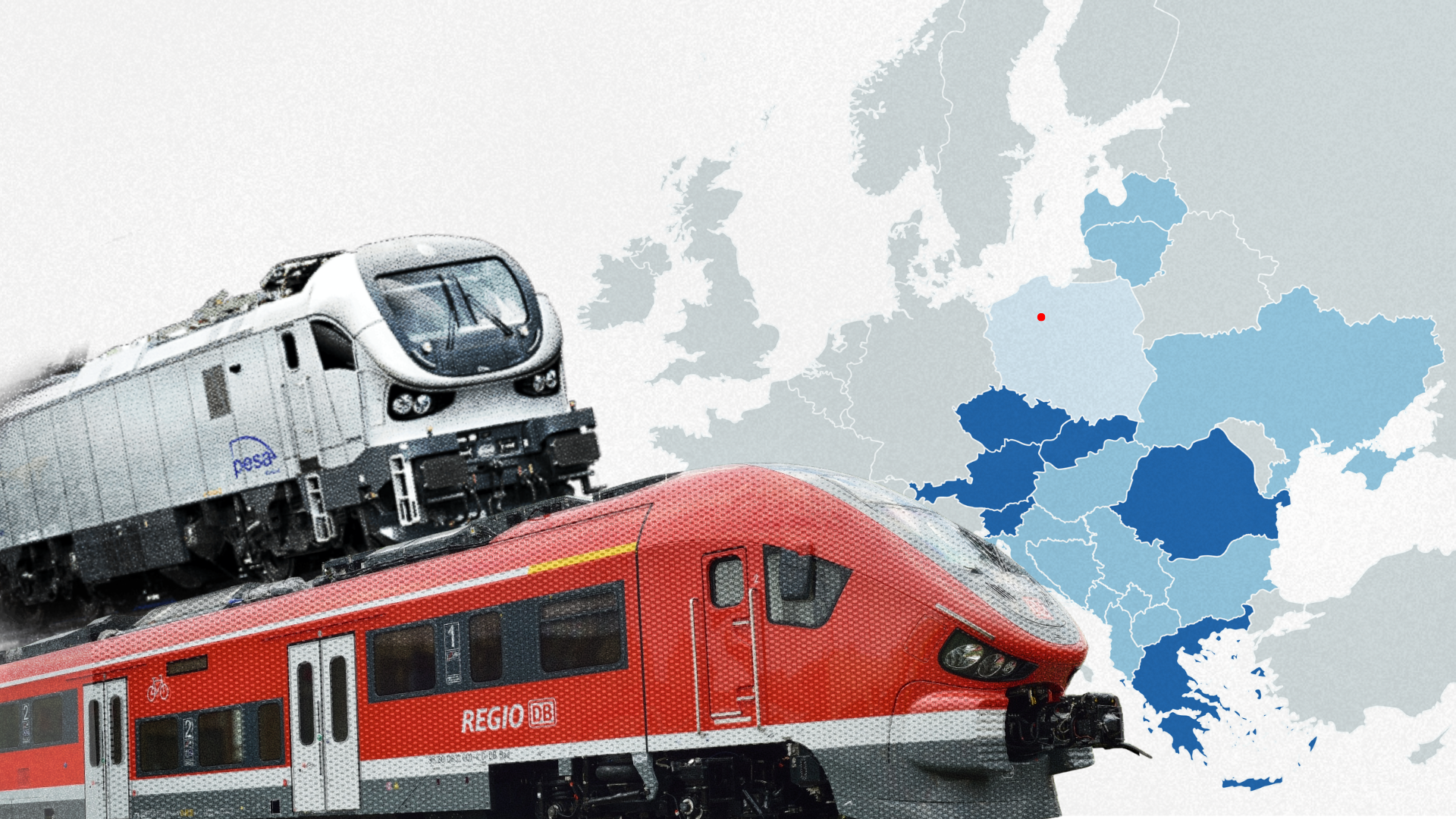
How Poland Wants to Turn a Failing Train Maker into a Geoeconomic Asset
30 September 2026
Commentary
Economic Security
No Endgame in Von Der Leyen’s China Strategy
23 September 2026

Analysis
Economic Security
The Western Balkans Are Ageing Before Getting Rich
9 September 2026