
Analysis
Economic Security
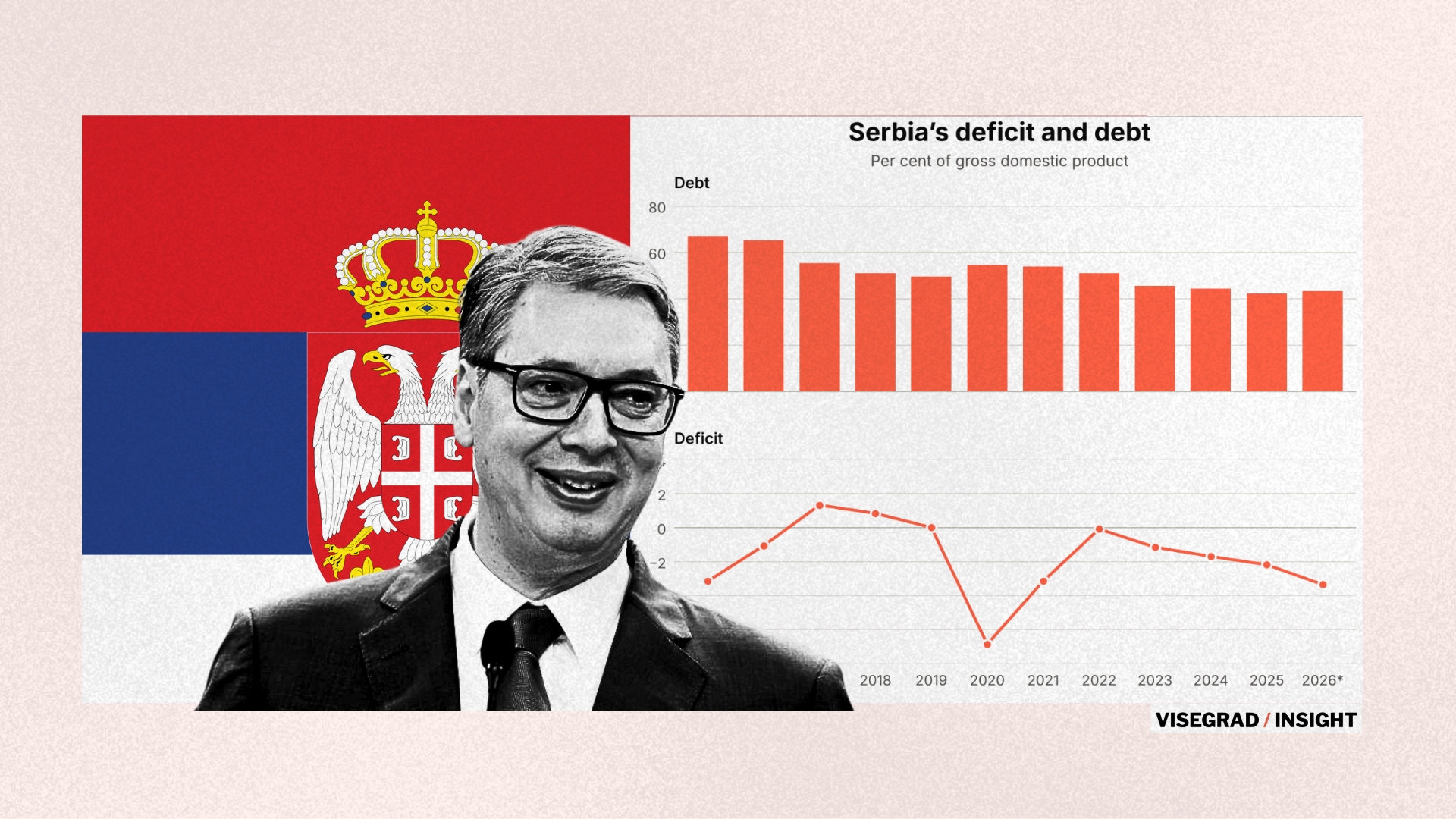
Serbia’s Balancing Act Is Running Out of Time
24 October 2026

9 June 2026

For Central and Eastern Europe (CEE), the next Taiwan Strait crisis might begin not with sirens in Taipei, but with silence on a factory floor. The impact will reach supply chains long before the Chinese military.
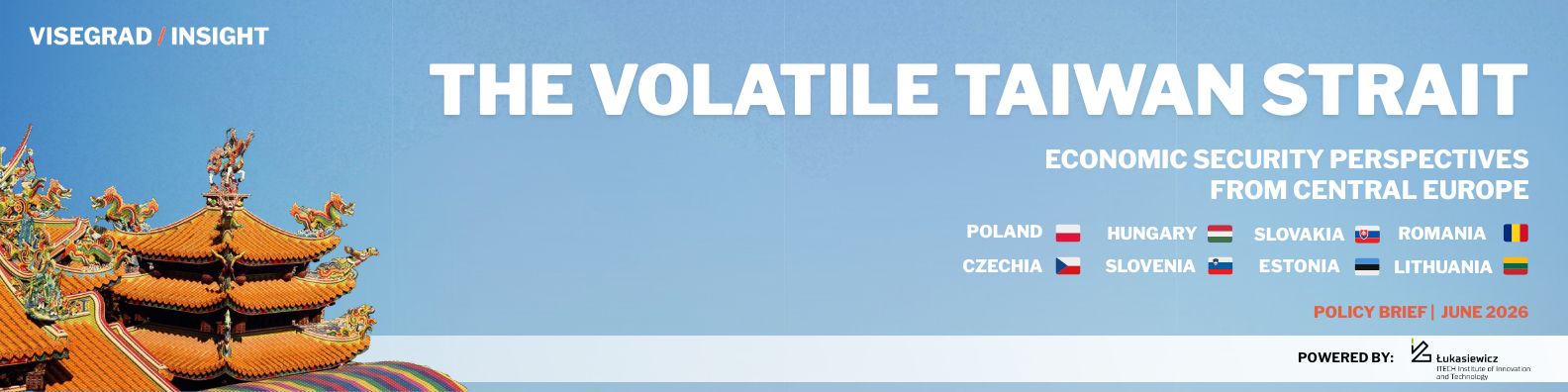
Click on the banner to download the report
Analysis
Economic Security
Serbia’s Balancing Act Is Running Out of Time
24 October 2026

Commentary
Democratic Security
Bulgaria’s Presidency Will Be Decided in The Sea
24 October 2026

Commentary
Democratic Security
Decoding the Aliberal Temptation
23 October 2026

Commentary
Democratic Security
Is Central Europe Losing the Information War?
22 October 2026