
Analysis
Democratic Security
Hungary-Ukraine Spat Gains a New Dimension – OVERVIEW
1 October 2026

1 October 2026

Ainārs Šlesers has only a thin chance of becoming prime minister, but his populist Latvia First could still find its way into government. Read what this means for Latvia and the wider CEE region.
Latvians go to the polls on Saturday to elect the 15th Saeima. Fourteen lists are competing for 100 seats, fewer than the 19 that ran in 2022. The United List (Apvienotais saraksts) alliance led by the incumbent prime minister Andris Kulbergs is expected to win the most votes. Many observers abroad, however, are asking a different question. Should we worry about Ainārs Šlesers, the veteran businessman and leader of Latvia First (LPV), whom many now call the Latvian Trump?
My answer is no, even though his party may well end up in government.
Kulbergs benefits from two advantages at once. First, he is still something of a newcomer. He has sat in the Saeima throughout the past four years, but he has led the coalition only since May 2026, which has left him very little time to get anything badly wrong. That freshness raises voters’ expectations and their willingness to back him. Second, he is the incumbent. A certain share of the electorate always supports the prime minister in office who is doing the job, regardless of party.
Analysis
Democratic Security
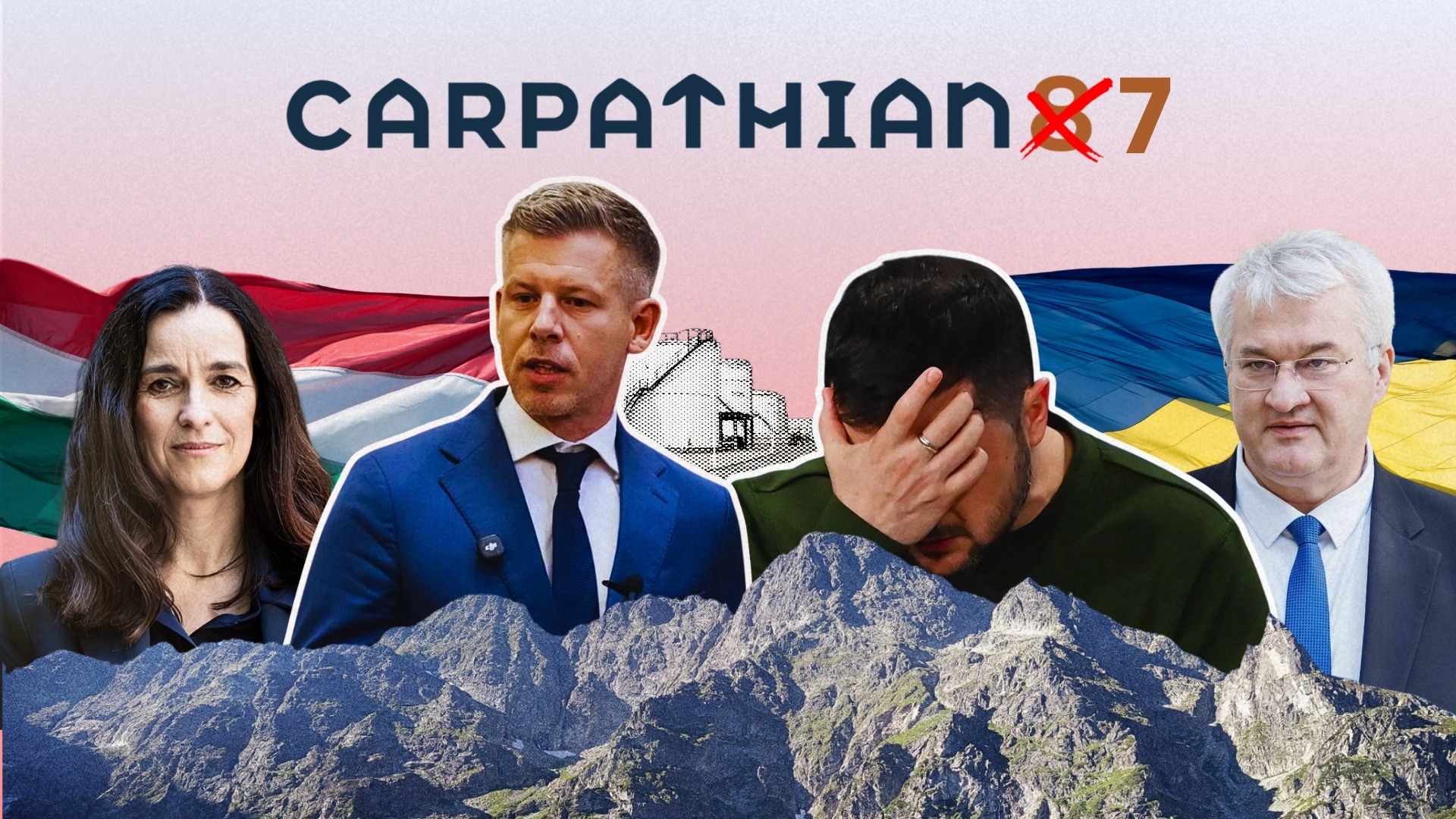
Hungary-Ukraine Spat Gains a New Dimension – OVERVIEW
1 October 2026
Democratic Security
Interview
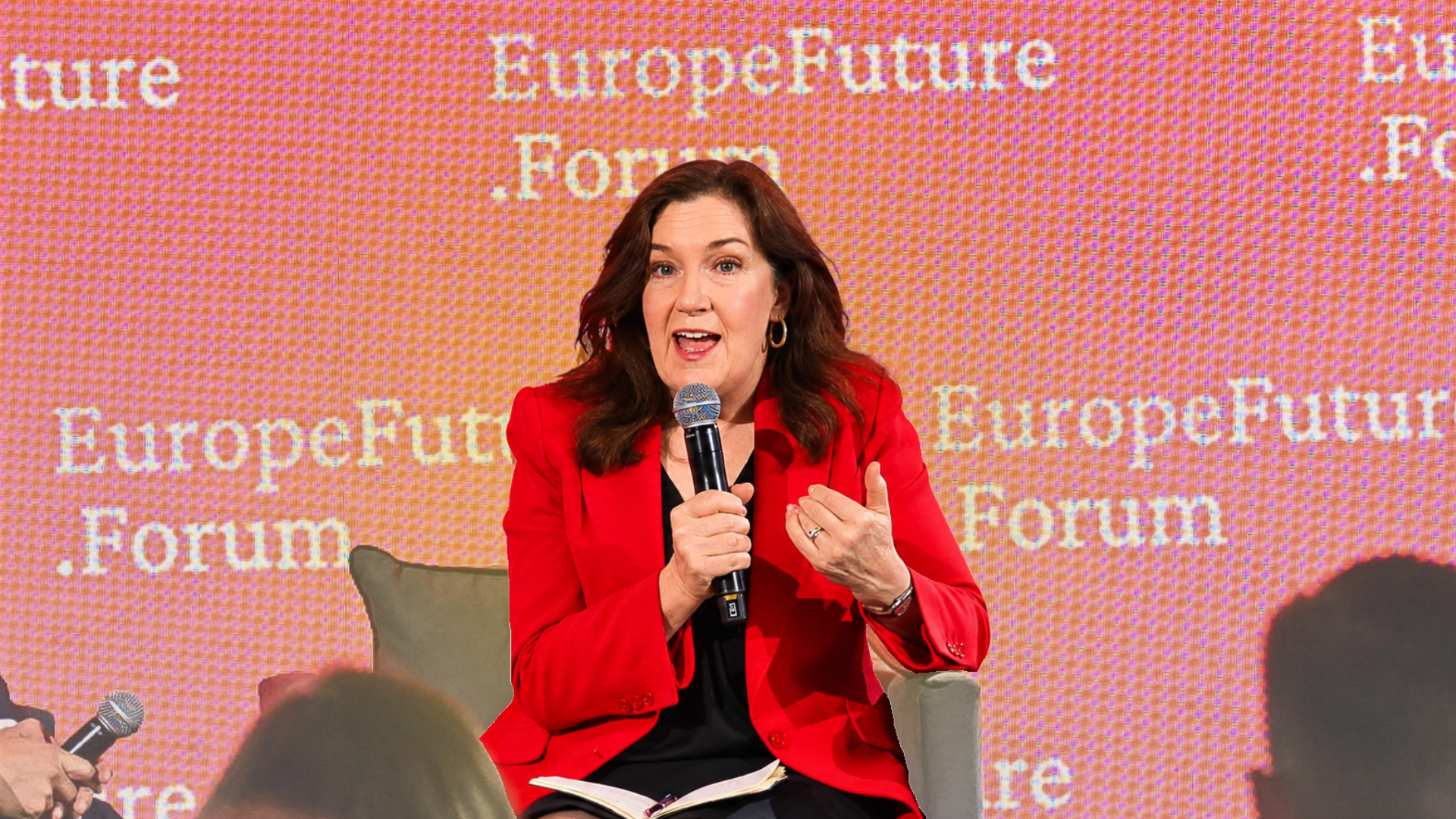
If Russia is the Storm, China is Climate Change – INTERVIEW
24 September 2026
Commentary
Economic Security
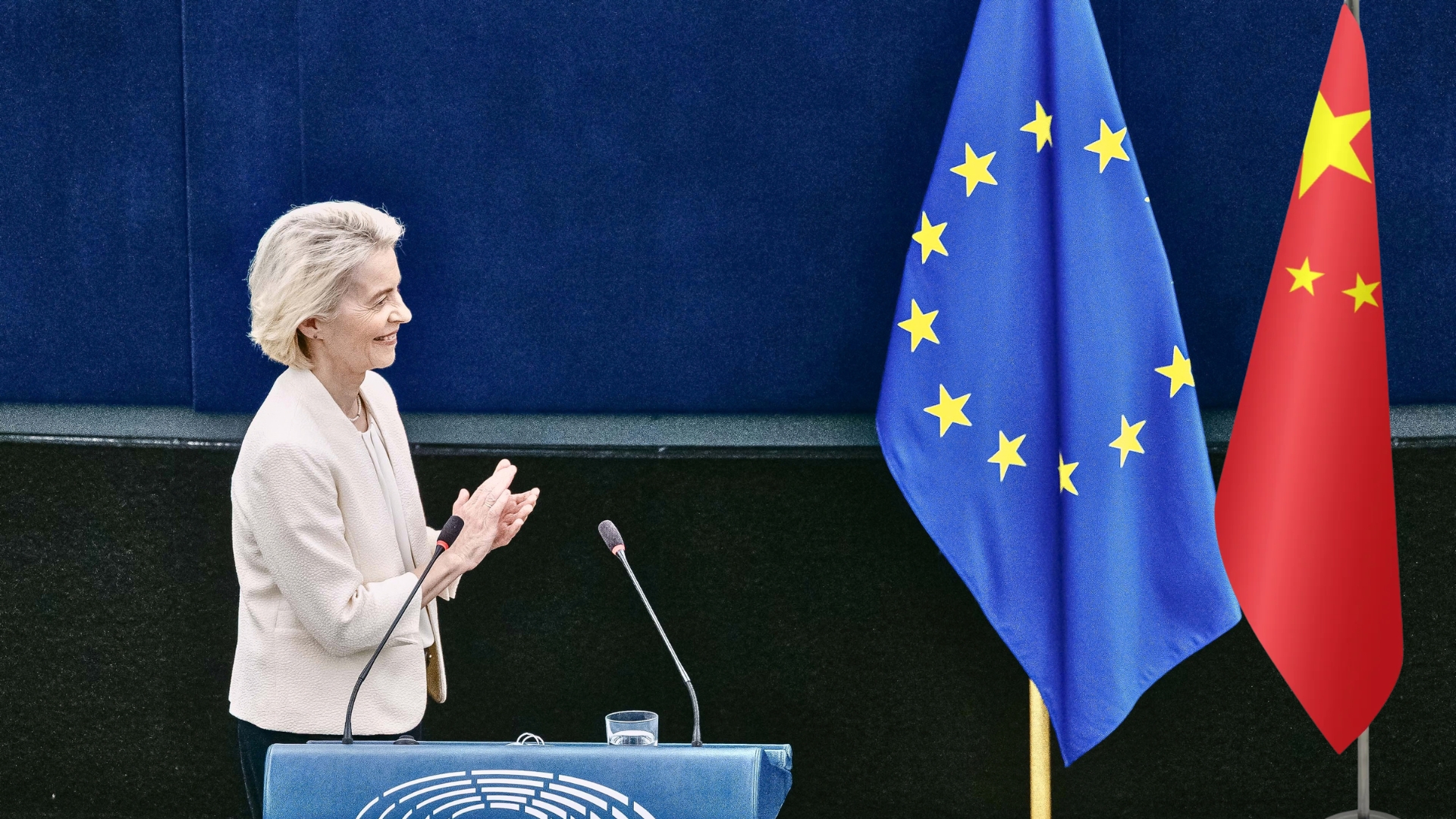
No Endgame in Von Der Leyen’s China Strategy
23 September 2026
Democratic Security
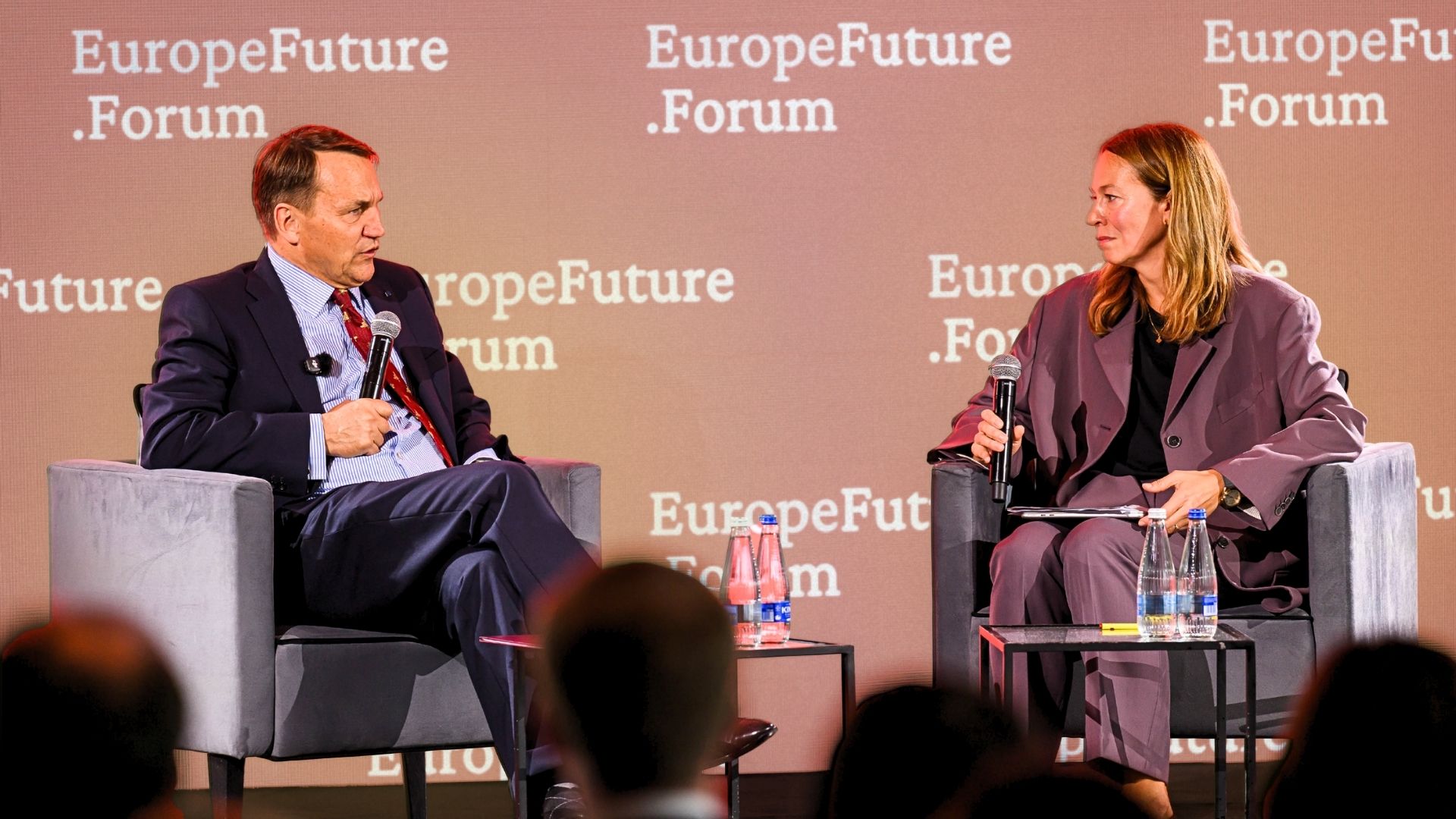
Those Who Do Not Learn from This War Risk Losing the Next – Radosław Sikorski
17 September 2026