
Analysis
Democratic Security
Pipelines, Oligarchs and Railway Deals. The Orbán-Vučić Legacy
11 November 2026

13 November 2026
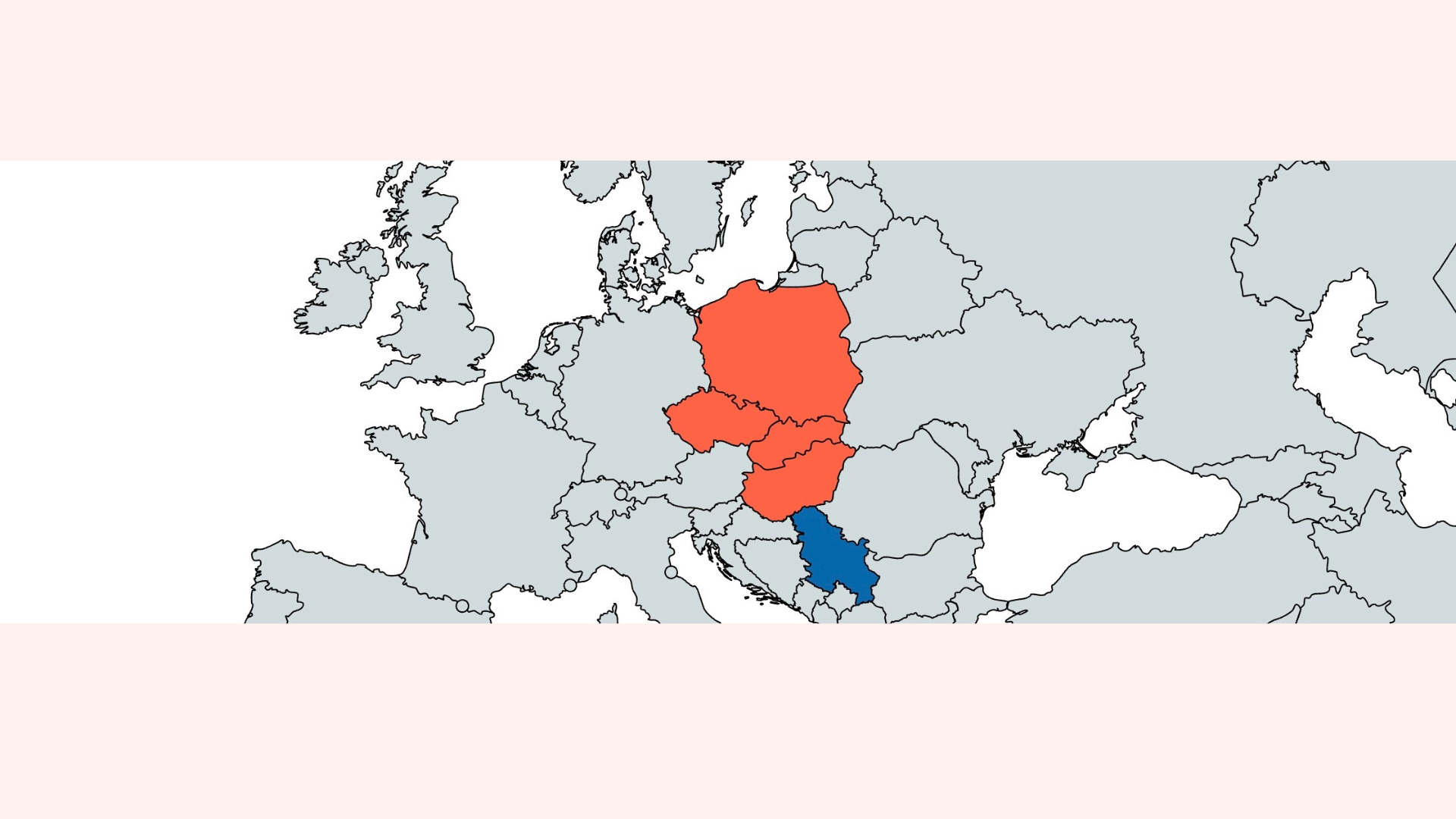
The fall of Belgrade’s strongman ends the leader-to-leader channels Prague and Bratislava relied on and gives Warsaw and Budapest a rule-of-law agenda to support. Where are the low-hanging fruits?

The Student List’s victory in Serbia’s early parliamentary election on 25 October 2026 ended Aleksandar Vučić’s 14 years in power by peaceful, democratic means. The celebrations that filled Belgrade’s streets have since given way to a slower and more technical transition. The movement has elected a speaker of parliament and is debating whether to vote only for a prime minister or for each minister as well. Whether it becomes a party, an association or remains an informal movement is undecided, and a presidential election is due by 27 December.
The winners arrive with little administrative preparation. The campaign absorbed the movement’s energy and left little time to identify people for key posts, while the incoming leadership has scant experience in diplomacy. The outgoing Serbian Progressive Party still holds the ministries and is split. One camp around Vučić expects the Students to bring chaos into the institutions and the party to return to power within six to 12 months. Another is dealing with broken municipal budgets and the collapse of a major bank linked to the regime, which hit companies and local governments that kept their money there.

Analysis
Democratic Security
Pipelines, Oligarchs and Railway Deals. The Orbán-Vučić Legacy
11 November 2026

Analysis
Economic Security
The Security Blind Spot in the EU’s Enlargement Strategy
10 November 2026

Democratic Security
Events
Think Tank
Is CEE Facing a Detroit Moment?
5 November 2026

Commentary
Democratic Security
Expensive But Effective? The True Cost of Drone Interception in the Black Sea – INTERVIEW
4 November 2026