
Analysis
Democratic Security
Hungary-Ukraine Spat Gains a New Dimension – OVERVIEW
1 October 2026

11 February 2026

The new 20th sanctions package looks like a big shift in the geoeconomic game around the Baltic Sea. If implemented – it can stop most of Russia’s oil traffic in the basin. Yet it will also end the utility of the global oil price cap and G7 control mechanisms. Public opinion concerns about the enforcement grow in the Baltic and Ukraine.
Last weekend the European Commission published a formal proposal to enact a new sanctions package targeting Russia’s energy, financial services and trade. The proposal includes a full ban on maritime services – including insurance – for Russian crude oil tankers, adding 43 more vessels to the ‘shadow fleet’ listing (total 640), and a prohibition on maintenance and other services for LNG tankers and icebreakers, aimed at curbing Russian liquified natural gas (LNG) exports.
Following the procedural rules, the proposal is now being negotiated in the Working Party on Restrictive Measures (RELEX), which is the Council working group specifically responsible for drafting and coordinating EU sanctions dossiers. It will then be forwarded to the Committee of Permanent Representatives and the Council for a unanimous adoption – expected by 24 February, 2026.
According to Ukraine’s Institute for Black Sea Strategic Studies (IBSSS), this January Russia set a new all-time record for maritime crude oil exports from its Baltic Sea ports, reaching 12.7 million tonnes. The previous high was recorded in October 2025, at 11.8 million tonnes. As much as 47.7 per cent of exported volumes were carried by tankers already subject to sanctions imposed by the European Union, the United States, the United Kingdom and Canada.

Analysis
Democratic Security
Hungary-Ukraine Spat Gains a New Dimension – OVERVIEW
1 October 2026

Economic Security
Think Tank
How Poland Wants to Turn a Failing Train Maker into a Geoeconomic Asset
30 September 2026
Commentary
Economic Security
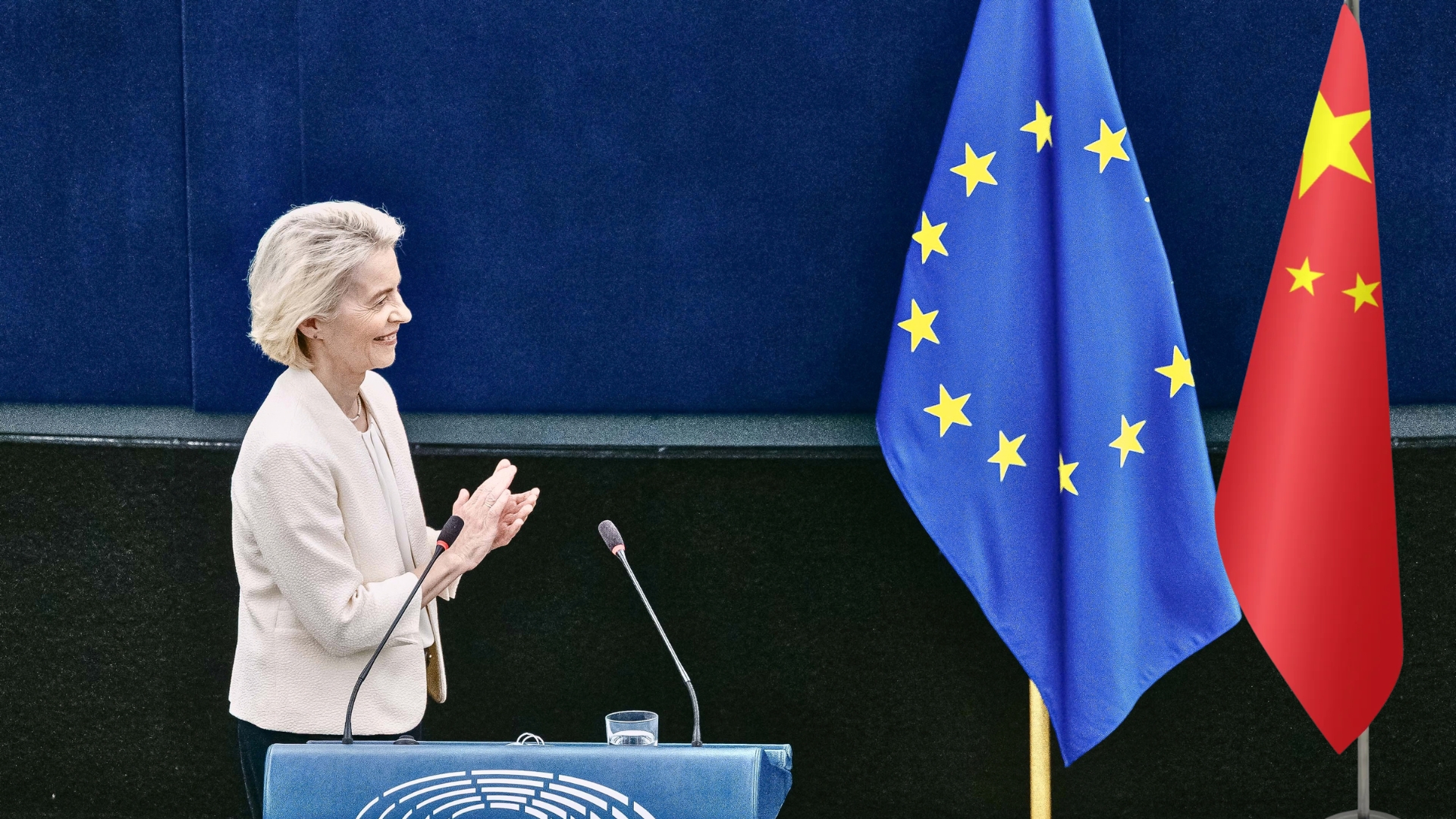
No Endgame in Von Der Leyen’s China Strategy
23 September 2026

Analysis
Economic Security
The Western Balkans Are Ageing Before Getting Rich
9 September 2026