
Commentary
Democratic Security
Central Europe’s AI Rollout Needs a Public Error Register
20 August 2026

2 July 2026
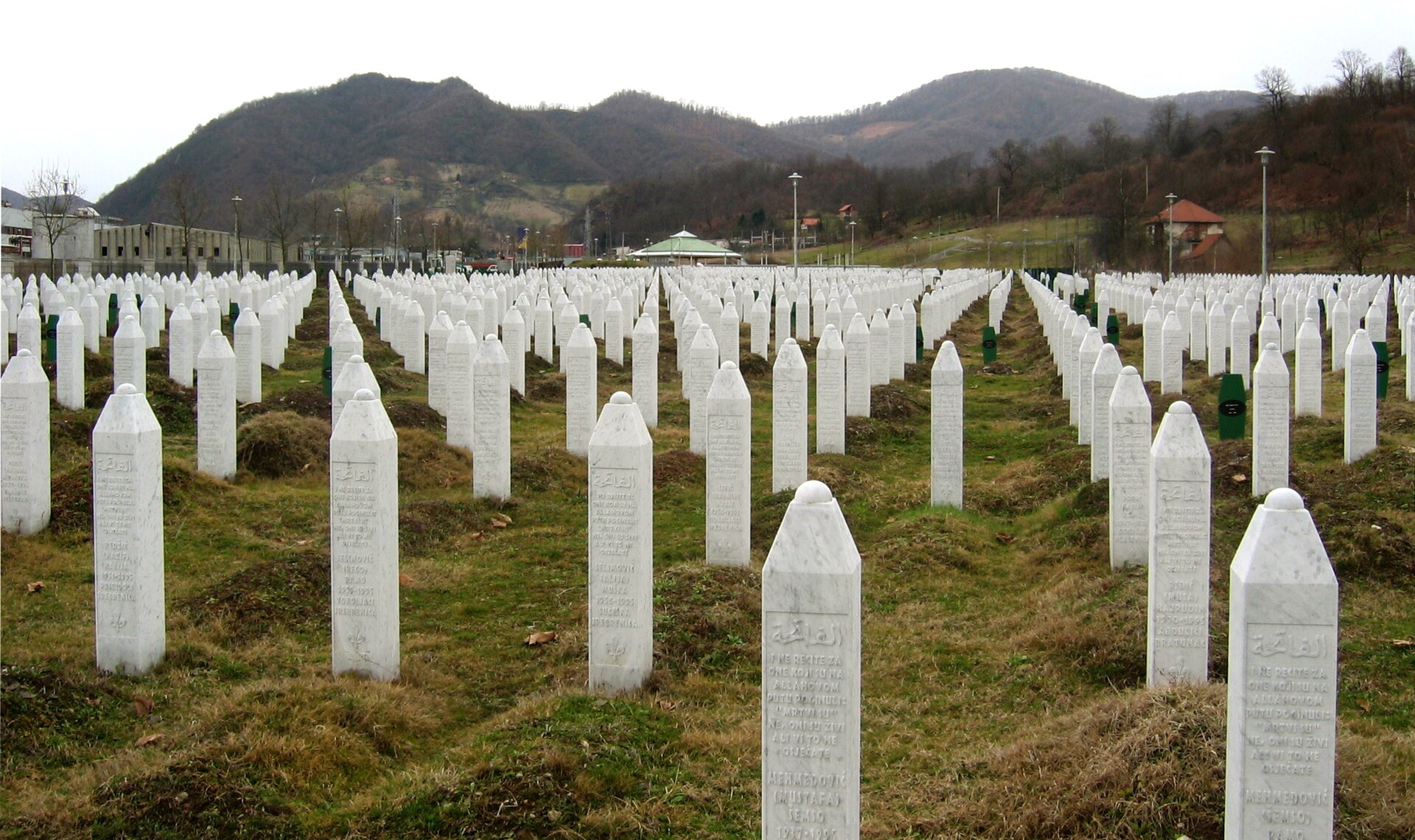
On 11 July Bosnia will mark 31 years since the Srebrenica genocide. Hungary arrives at the anniversary still bearing Orbán’s ‘no’ vote on the UN resolution of two years ago, a legacy Péter Magyar can now begin to dismantle.

Little over two years ago, on 30 May 2024, the UN General Assembly adopted its Resolution 78/282 by 84 votes in favour, 19 against and 68 abstentions – to preserve the memory of the 1995 Srebrenica genocide in Bosnia. The document, after stating that genocide took place in and around Srebrenica in the first half of July 1995, proclaims 11 July as the international day for the ‘reflection and commemoration of the Srebrenica genocide‘, to be observed annually. It further calls on member states – and everyone else, international and regional organisations, civil society – to commemorate the massacre in an appropriate manner, including by organising special commemorations and activities on the occasion of the memorial day. And beyond all this, it ‘condemns without reservation any denial of the Srebrenica genocide as an historical event’ and further condemns the glorification of persons convicted by international courts.
‘One of the soldiers jumped out from the left-hand column and spoke to my child. He said that we had to go to the right, and to my son he said, ‘Young man, you have to go to the left’. I grabbed my son’s hand… And then I began to beg and plead with them. Why are you taking him away? He was born in 1981. But the soldier repeated the order. I held his hand very tightly, but the guard dragged him away… He pulled him by the arm to the left side. My son turned around and said, ‘Mother, could you hand me that bag?’. That was the last time I heard his voice. (…) I often dream about him. I dream that he comes home, brings flowers and says: ‘Mother, I am home’. I embrace him and say: ‘Where were you, my son?’. And he says, ‘I was in Vlasenica the whole time.’ – Testimony of a protected witness in the trial of a Bosnian Serb general, Radislav Krstić, 26 July 2000. Krstić was found by the Hague Tribunal, in a final judgment, to be complicit in genocide and was sentenced to 46 years in prison.

Commentary
Democratic Security
Central Europe’s AI Rollout Needs a Public Error Register
20 August 2026
Commentary
Democratic Security
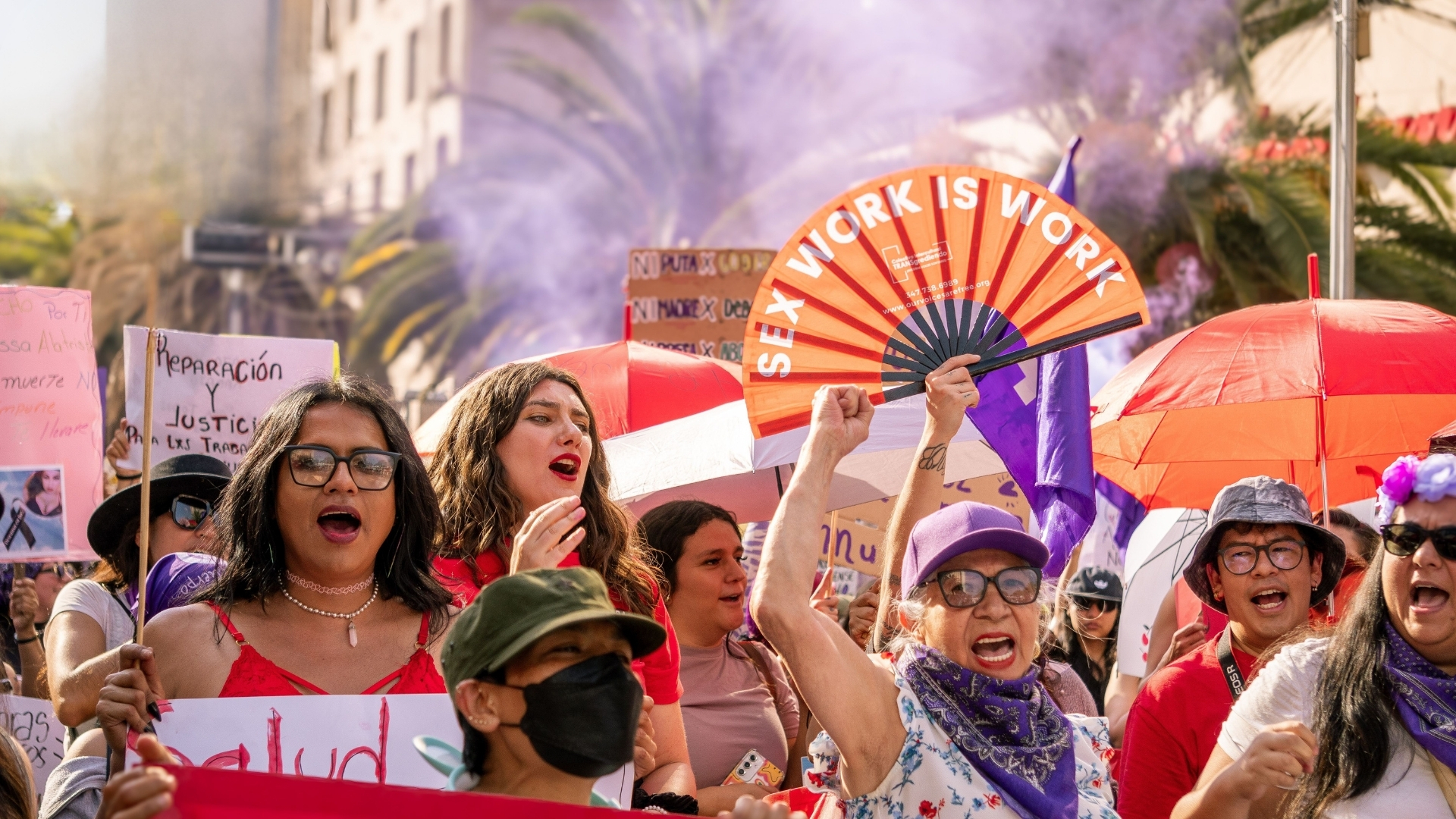
Sex Workers’ Case for Democratic Security in CEE
19 August 2026

Commentary
Democratic Security
Péter Magyar’s 100 Days in Office
17 August 2026

Commentary
Economic Security
Robert Fico Is Selling Off Slovakia
13 August 2026