The 1997 Line Runs Through Visegrad

Montenegrin view on Moscow's attempt to revive the logic of the Warsaw Pact

24 November 2026

Putin’s love affair with Central Europe has taken a decidedly Soviet turn as he now wants the Warsaw Pact back. The V4 must stand together or risk being picked off one by one.

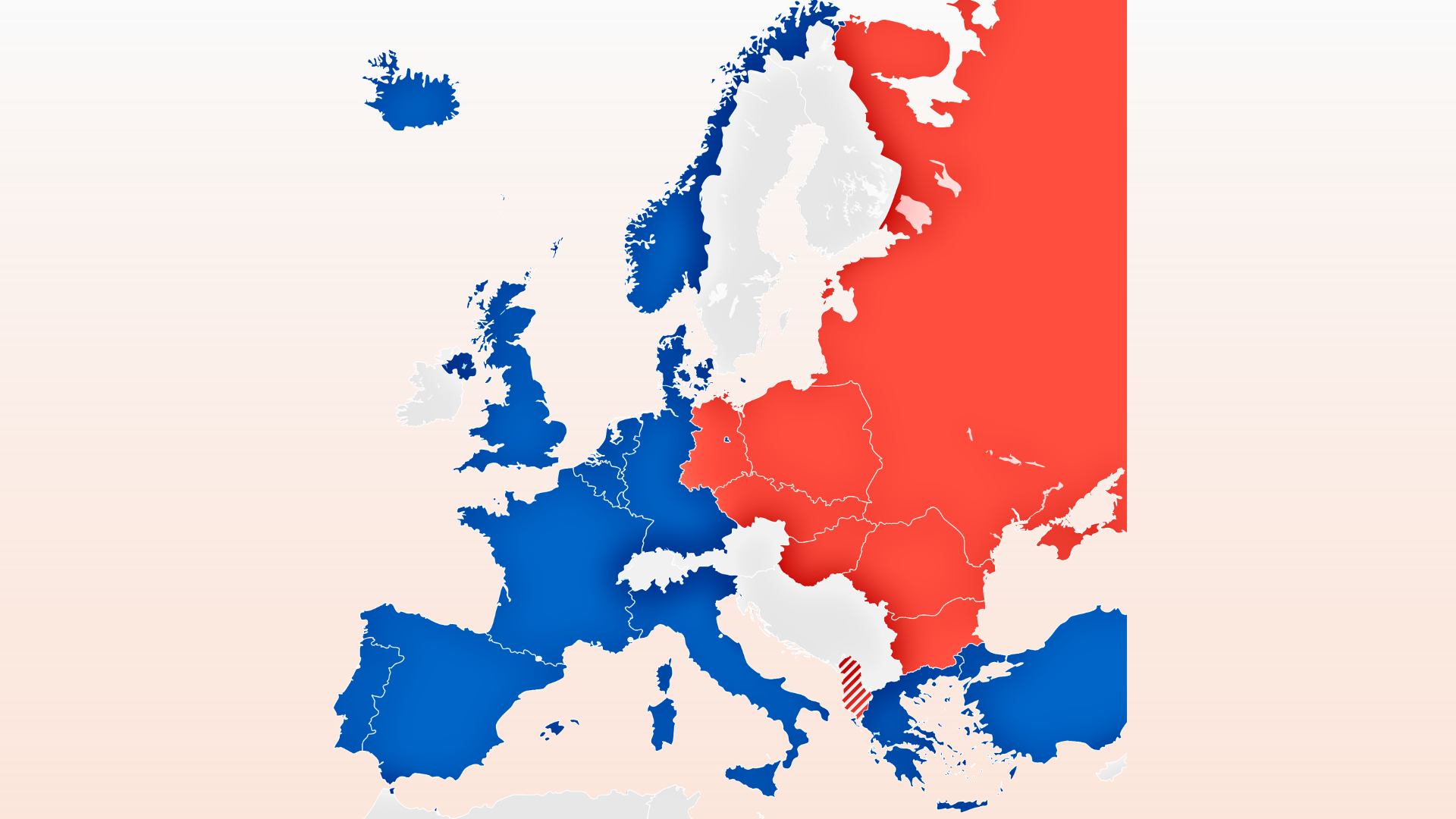
Most comments about the Russian demand in Abu Dhabi for NATO to return to its 1997 positions have focused on Ukraine. However, if we read the demand carefully, it is directed at Warsaw, Prague, Budapest and Bratislava. Poland, Czechia and Hungary joined NATO in 1999, and Slovakia in 2004. The line which Moscow has in mind goes through the middle of Central Europe.

Russian officials have been fairly open about the model they want. As I wrote in Newsweek on 22 November 2026, they reportedly told American negotiators that they see the Cold War and the Warsaw Pact as the template for Europe after the war in Ukraine. In this part of Europe, people remember what that pact was for. Hungary tried to leave it in 1956, and Soviet tanks entered Budapest. Czechoslovakia tried to choose its own course in 1968, and the tanks came from its fellow members. Poland lived under martial law from 1981, imposed under pressure from Moscow.

Subscription Required

Subscribe

Democratic security comes at a price. What is yours? By subscribing or donating now gain access to analysis, forecasts and scenarios by leading analysts and reporters who monitor democratic risks and develop policy debate from Central Europe on Central Europe.

MonthlyVAT included

€6/month

See all details

  • Full access to articles and all reports in PDF
  • Weekly outlook on democratic security in CEE delivered by e-mail
  • Weekly newsletter with essential highlights
  • Invitations to all Visegrad Insight events online and offline

AnnualVAT included

€60/year

See all details

  • Individual subscribers only. Check our CORPORATE OFFER below
  • Almost 17% discount (12 EUR off monthly cost if paid annually)
  • Full access to articles and all reports in PDF
  • Weekly outlook on democratic security in CEE delivered by e-mail
  • Weekly newsletter with essential highlights
  • Invitations to all Visegrad Insight events online and offline

Institutional

GO TO CHECKOUT

See all details

  • Access to all articles for your team
  • Access to all Reports for your team
  • Every Monday a Weekly Outlook with an update on key developments in Central Europe delivered by e-mail
  • Every Thursday a newsletter with the most important highlights and invitations
  • Personal invitations to Visegrad Insight Events
  • Foresight, policy, and risk analysis reports (on-demand)

I am a representative of an institution/business. Is there a corporate offer?

The annual subscription for up to ten institutional users: EUR 999
GO TO CHECKOUT

For a tailor-made offer email us: contact@visegradinsight.eu 

  • Access to all articles for your team
  • Access to all Reports for your team
  • Every Monday a Weekly Outlook with an update on key developments in Central Europe delivered by e-mail
  • Every Thursday a newsletter with the most important highlights and invitations
  • Personal invitations to Visegrad Insight Events
  • Foresight, policy, and risk analysis reports (on-demand)

Intelligence prepared by a group of Visegrad Insight Fellows from all across

Can I receive an invoice?

Yes. You will receive a receipt immediately after purchase and a VAT invoice upon request. The subscription amount includes tax. In case of a donation, there is no tax.

Are my credit card details safe?

Yes. The payment is processed by STRIPE www.stripe.com entrusted also by Amazon, Zoom, Booking.com and used by other global NGOs and businesses in the world. We do not store your credit card details.

How modify or cancel my subscription?

At any moment you can manage your subscription and account details. Sign in to modify or cancel.

Already a member? Log in here
Nebojsa Todorovic

Nebojsa Todorovic was Montenegro’s chargé d’affaires in Washington from 2022 to 2023. He is the author of a book on Russian policy in the Western Balkans (Disput, Zagreb, 2020) and was a Visiting Scholar at Johns Hopkins SAIS. He is based in Podgorica.

Newsletter

Weekly updates with our latest articles and the editorial commentary.