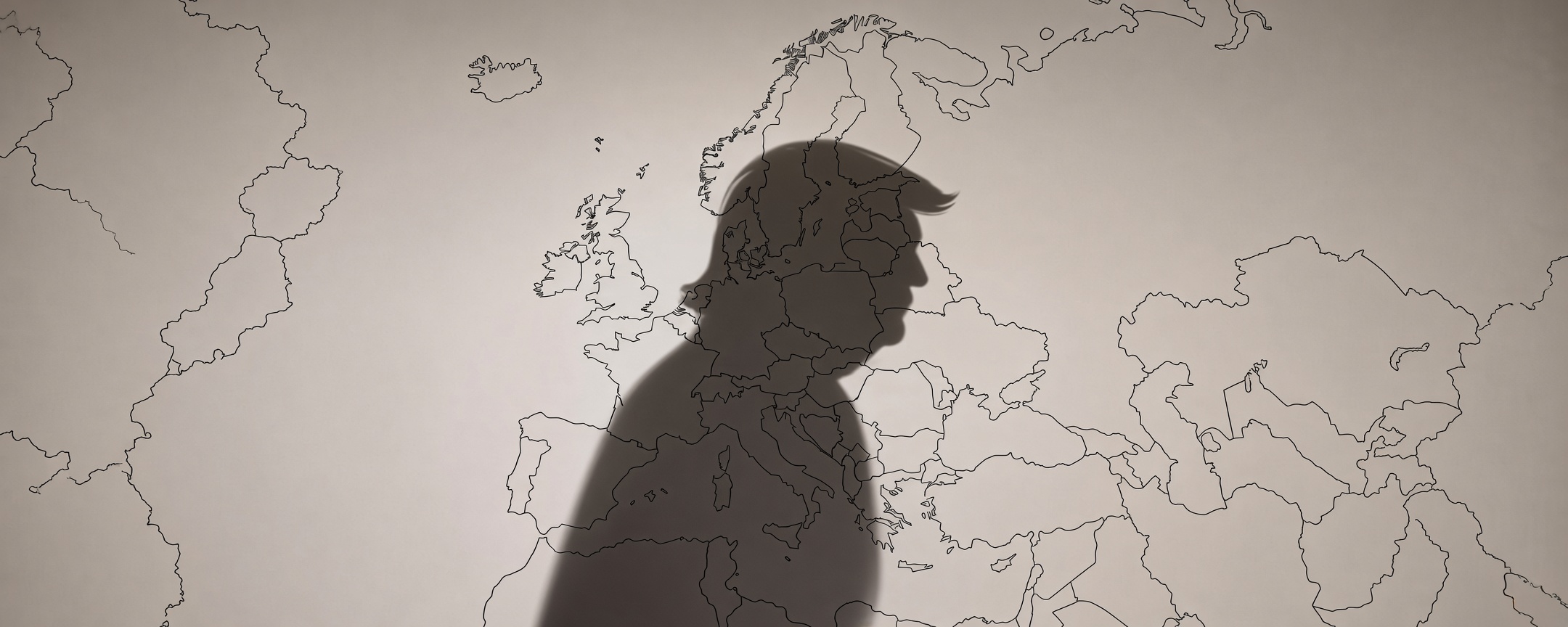
There is little point in belabouring the absurdity of the so-called 28-point peace plan. Ukrainians denounced it almost immediately as a demand for capitulation, and they were right to do so.

Peace at any price is not an option
GLOBAL/REGIONAL
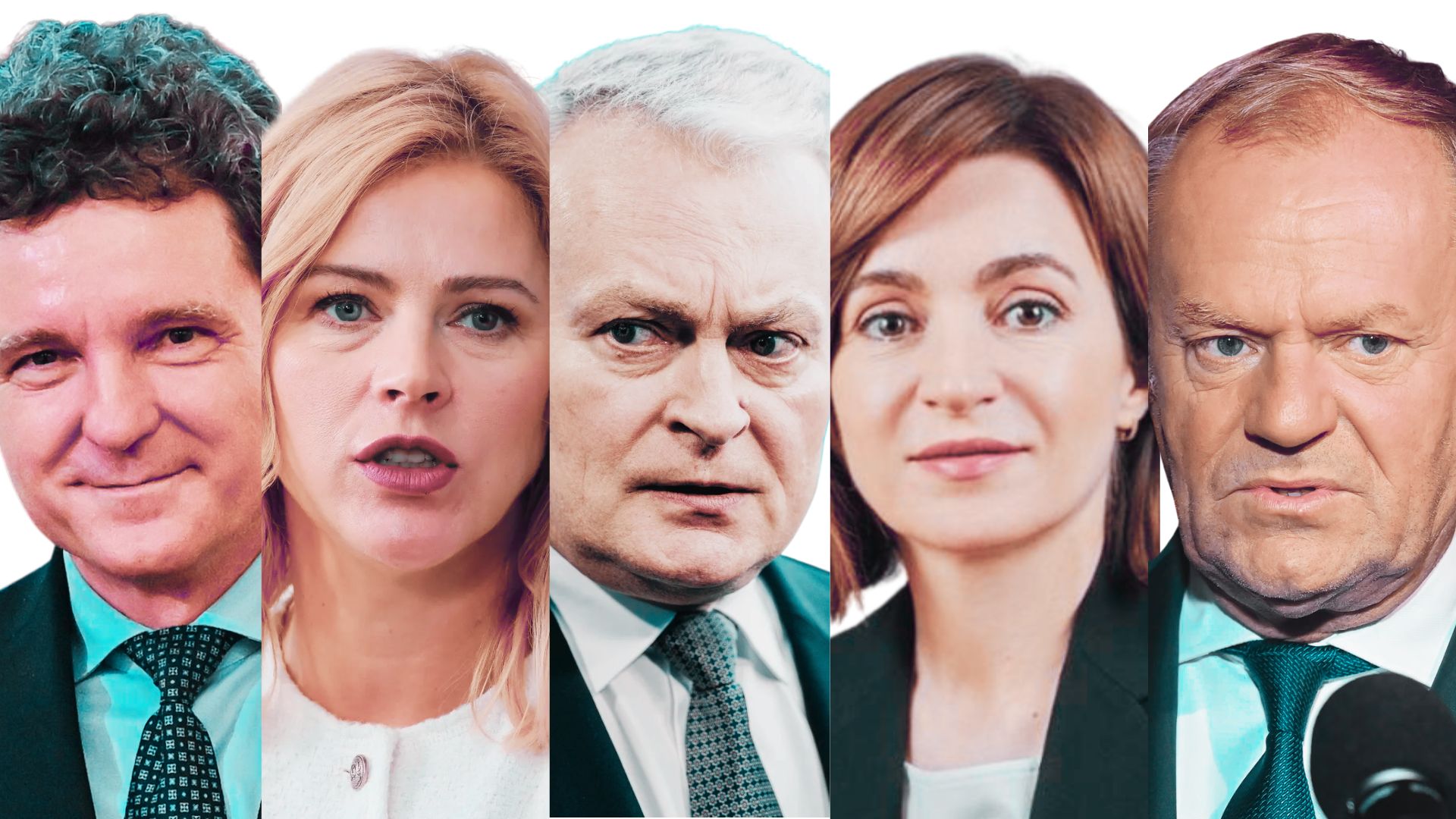
- ‘For the peace plan to be just, it must not punish the victim or overlook the crimes committed. And for it to last, it must guarantee Ukraine’s sovereignty, ability to chart its own course, and a decent future’ – Petr Pavel, President of the Czech Republic.
- ‘All the decisions concerning Poland will be taken by Poles. Nothing about us without us. When it comes to peace, all the negotiations should include Ukraine. Nothing about Ukraine without Ukraine’ – Donald Tusk, Prime Minister of Poland.
- ‘Ukraine and Europe deserve just and lasting peace. Ukraine’s sovereignty, territorial integrity and existential security interests are key to achieve this goal. Path to peace is often complex, all partners and friends of Ukraine must work together for the best possible outcome’ – Edgars Rinkēvičs, President of Latvia.
- ‘We stand united in our full support for Ukraine and will continue close coordination to achieve a just and lasting peace’ – Evika Siliņa, Prime Minister of Latvia.
- ‘War, coercion and disinformation are reshaping the world as we know it. What we defend in Europe and in Ukraine is the very essence of our freedom – the freedom to think, to act, and to shape our policies independently’ – Gitanas Nausėda, President of Lithuania.
- ‘The security of Romania and of all of Europe depends on the conditions of the future peace in Ukraine and on the subsequent arrangements. I join the message of other European leaders who have assured Ukraine today of their continued support’ – Nicușor Dan, President of Romania.
- ‘Europe’s stability depends on Ukraine’s independence, sovereignty, and security being fully guaranteed. Unity and determination from all of Ukraine’s partners are essential to ensure a peace that will endure’ – Maia Sandu, President of the Republic of Moldova.
- This week, Britain, France and Germany will try to slim their joint Ukraine peace plan from 28 to around 24 points in line with Ursula von der Leyen’s three priorities – strengthening Ukraine’s defence without limiting its armed forces, locking in its EU path and tightening sanctions on Russia – while the United States presses Kyiv and European allies to take visible steps before Thursday’s Thanksgiving deadline, setting up intense high-level diplomacy.
- EU trade ministers to meet in Brussels today for a Foreign Affairs Council (Trade) session. They will exchange views on the state of EU–US and EU–China trade relations and review progress on ongoing bilateral trade negotiations and agreements. The meeting comes right after the G20 summit in South Africa, which we covered in the previous Weekly Outlook.
- Over a working lunch, ministers will be joined by US Secretary of Commerce Howard Lutnick.
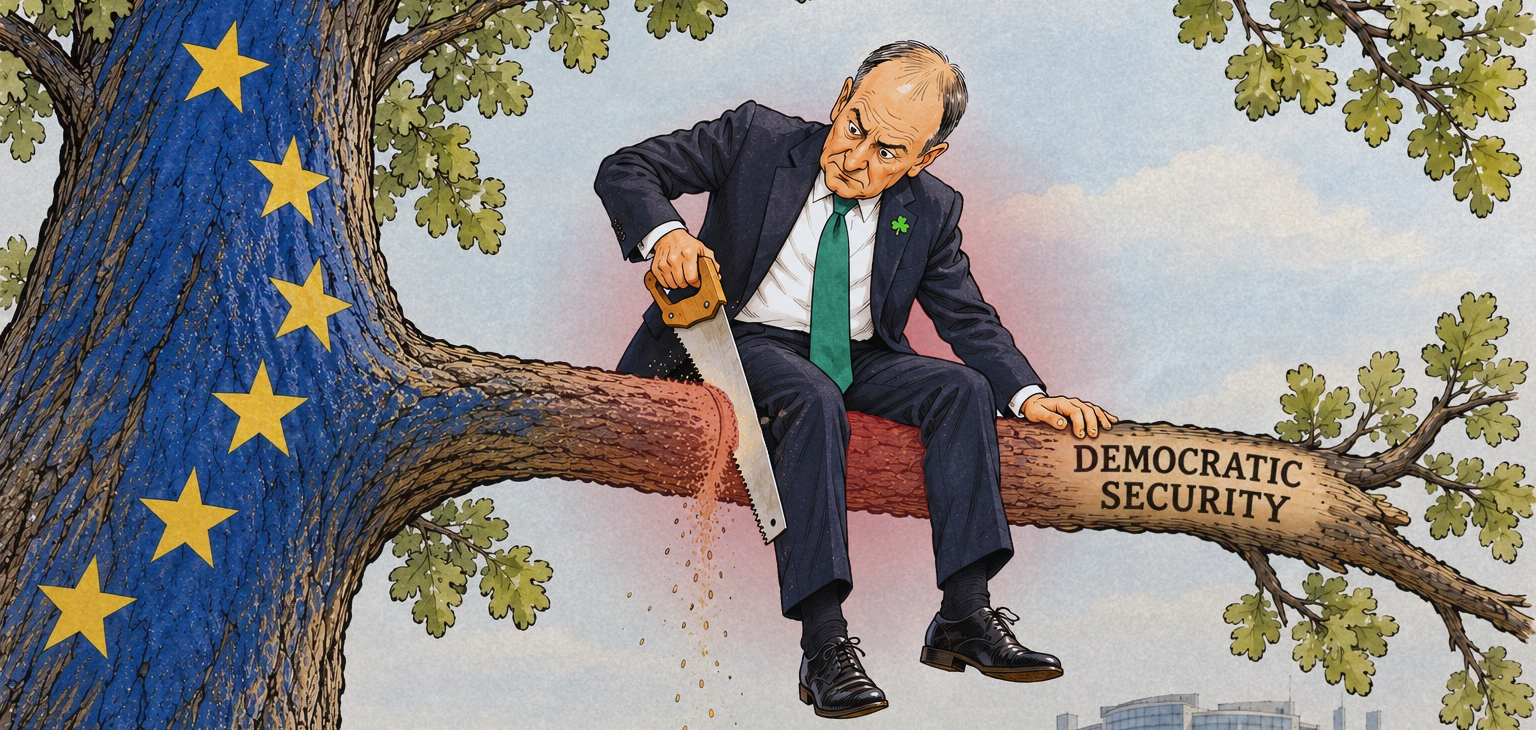
- On 28 November, the Council of the EU will discuss ways to improve citizens’ access to reliable news and media literacy. The decision to convene is timely in light of the recently announced EU Democracy Shield.
- Ministers will also debate the role of culture in democratic resilience and review the new AgoraEU programme (2028–2034) to support cultural heritage.
- The European Parliament meets in Strasbourg from 24–27 November for a plenary session. MEPs are set to debate and vote on accelerating the enforcement of the Digital Services Act and Artificial Intelligence Act.
- MEPs will also discuss the Commission’s newly released Digital Justice Package 2030 – a legislative bundle presented on 19 November to modernise justice systems with digital tools.
- The European Commission’s new infringement package (released 21 November) referred Poland to the EU Court of Justice for failing to comply with air quality standards.
- The Commission also referred Bulgaria (along with Lithuania, Portugal, and Sweden) to the Court for failing to reduce emissions of several air pollutants as required under EU rules.
- Separately, the Commission opened a new infringement procedure against Hungary (and also Bulgaria) for not fully transposing the EU Directive on legal aid for suspects in criminal proceedings. Budapest and Sofia have two months to respond.
UKRAINE
Newsletter
Weekly updates with our latest articles and the editorial commentary.