
Analysis
Democratic Security
Donald Tusk’s Tribunal Gambit
3 September 2026

16 October 2024

As the European Union faces the prospect of further enlargement, the need for institutional reform becomes undeniable. From the Western Balkans to Eastern Europe, the geopolitical stakes are high, and successful enlargement could redefine Europe’s future – but only if it avoids the pitfalls of the past.
‘We are home at last,’ declared newspaper headlines 20 years ago when Hungary joined the European Union. For us Hungarians, it felt like a homecoming after the long decades of Soviet rule and the harsh struggles of regime change.
Coincidentally, I began my career as a journalist the next day, eager to report on the future accession of our neighbouring countries. But things did not go as expected. While Romania and Bulgaria joined in 2007, and Croatia in 2013, the countries of the Western Balkans are still waiting—and many fear their chance has passed. They also suffer from enlargement fatigue. Despite the European Commission President Von der Leyen’s renewed promises to prioritise enlargement over the next five years, many have lost faith that it will happen.


Analysis
Democratic Security
Donald Tusk’s Tribunal Gambit
3 September 2026

Democratic Security
Interview
Is Hungary a Spin Democracy? – CONVERSATION
2 September 2026
Democratic Security
Survey
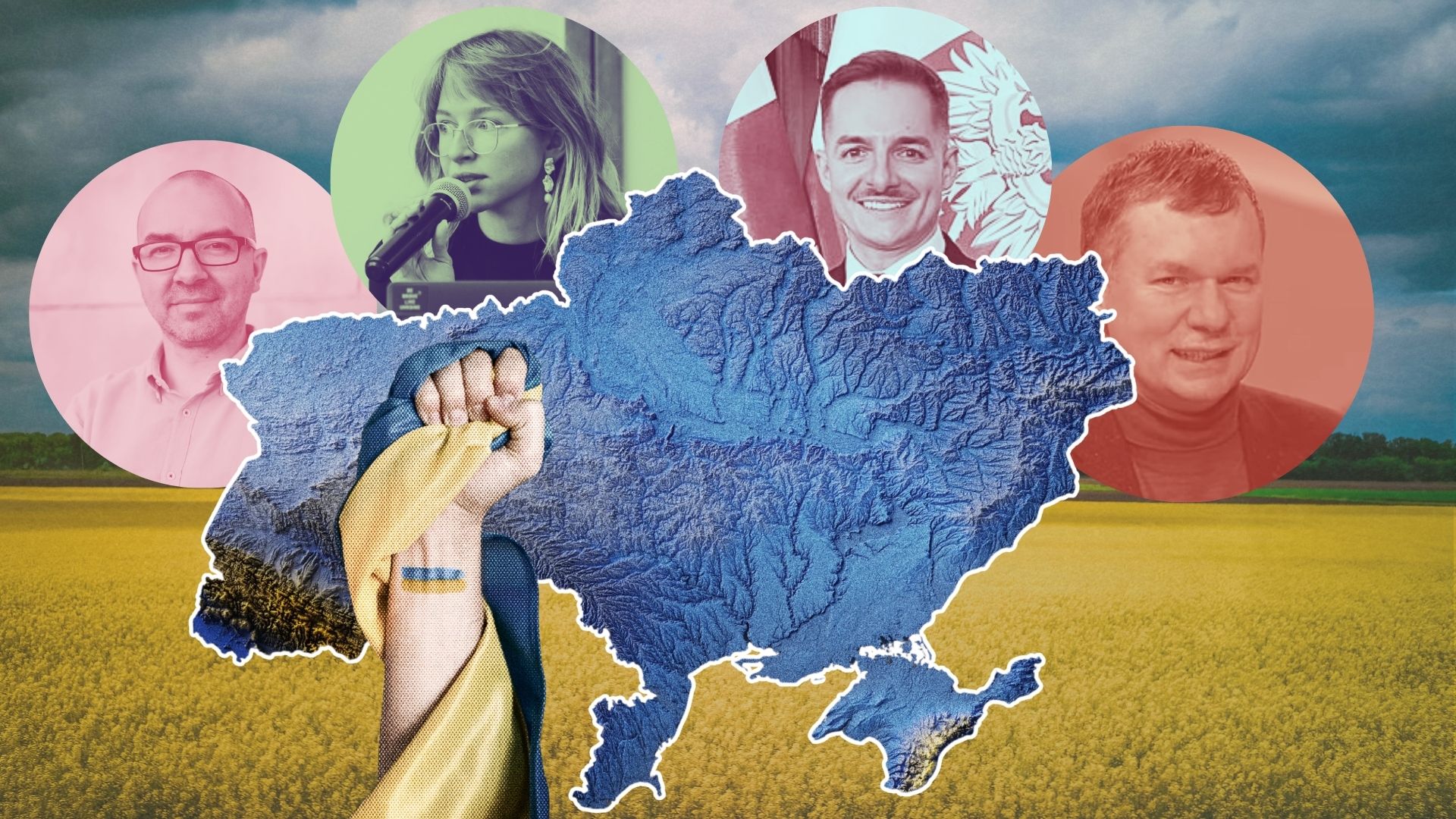
Ukraine. Why Does This Nation Not Fail? 35 Years On – SURVEY
27 August 2026

Commentary
Democratic Security
Central Europe’s AI Rollout Needs a Public Error Register
20 August 2026