
Commentary
Democratic Security
Few Reasons to Worry About Latvian Trump
1 October 2026

17 August 2026

Can the new prime minister move beyond the politics of permanent campaigning? The first 100 days have shown that Magyar knows how to win a political argument. The clock is ticking on the question of how well he can govern Hungary for the remaining time.

On 12 April 2026 Hungarian voters flocked to the polling stations in record numbers, delivering a historic defeat to Viktor Orbán’s Fidesz. Choosing democracy, freedom and Europe over authoritarianism, political captivity and Russia, Hungarians handed a supermajority to a newcomer – Péter Magyar and his Tisza party.
Now, 100 days into Magyar’s premiership, the question is no longer whether he can defeat Orbán. The more consequential questions are what Europe can learn from that victory, whether Magyar’s strategy can survive the realities of governing, and how long he can maintain his extraordinary popularity while confronting problems that cannot be solved with rallies, social media posts or sharp political attacks. And perhaps most importantly – is Magyar’s brand of populism really an improvement on the one Hungary spent 16 years fighting?

Commentary
Democratic Security
Few Reasons to Worry About Latvian Trump
1 October 2026

Analysis
Democratic Security
Hungary-Ukraine Spat Gains a New Dimension – OVERVIEW
1 October 2026

Democratic Security
Interview
If Russia is the Storm, China is Climate Change – INTERVIEW
24 September 2026
Commentary
Economic Security
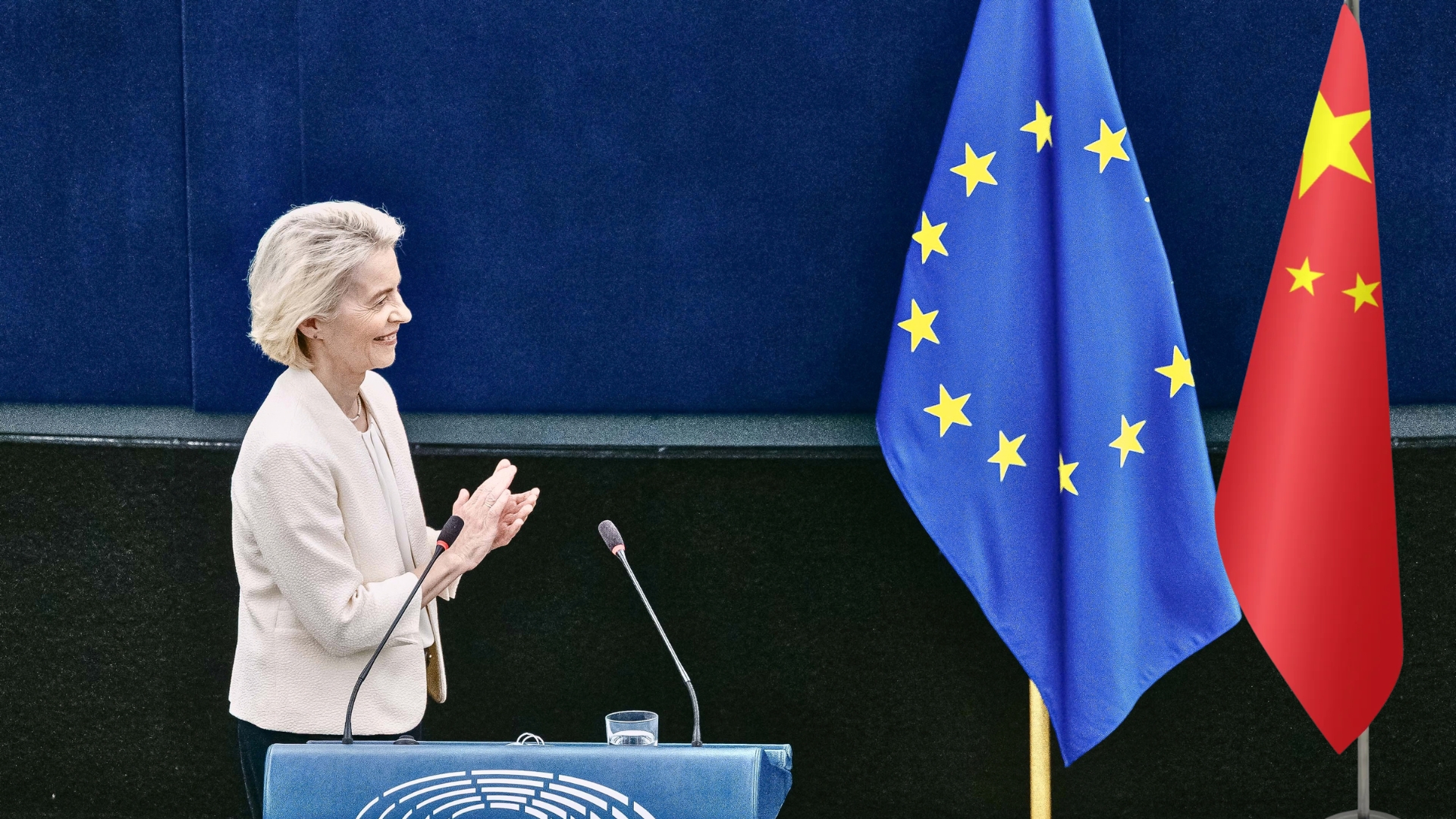
No Endgame in Von Der Leyen’s China Strategy
23 September 2026