
Commentary
Democratic Security
Poland’s Power Needs a Purpose
8 October 2026

30 March 2021
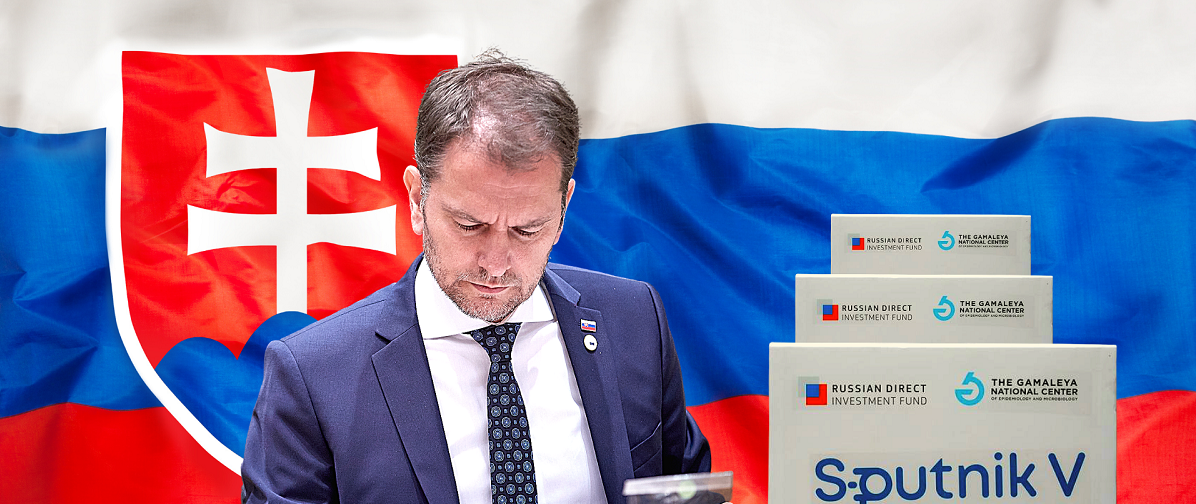
With the resignation of Igor Matovič following the secret purchase of Sputnik vaccines, last weekend, it seems unlikely that the coalition will break apart again soon. However, the minor reshuffle and continued presence of the former prime minister in the cabinet may provoke new tensions during the pandemic crisis.
Last Sunday, Prime Minister of Slovakia Igor Matovič resigned from his post and offered to be replaced by Eduard Heger, hitherto the Minister of Finance, as the new head of government. By swapping seats in the cabinet with him, he retains his party’s share and, at the same time, tries to save the government coalition.
The three remaining coalition partners first brought about the resignation of Health Minister Marek Krajčí and then began to withdraw their ministers themselves, raising pressure on Matovič to resign. The underlying reason for the cabinet crisis was the secret purchase of Russian vaccines – kept hidden from the coalition partners – but welcomed by the head of the coalition government upon arrival at the airport in Košice.
Russian vaccines, which do not have the necessary safety approval by the European Medicine Agency, could be allowed on the market. Their purchase was also a breach in Slovakia’s foreign policy, a country that consistently defends a pro-Western front against an authoritarian offensive led by Russia and China. Since the government’s inauguration, more than one year ago at the dawn of the pandemic, Slovakia was also repeatedly lauded as an example for dealing with the pandemic.
Commentary
Democratic Security
Poland’s Power Needs a Purpose
8 October 2026

Commentary
Democratic Security
Buy American, Build European? CEE’s New Defence Strategy
7 October 2026
Commentary
Democratic Security
The Deafening Silence of Poland in Europe
6 October 2026
Commentary
Democratic Security
Few Reasons to Worry About Latvian Trump
1 October 2026