Magyar’s Grassroots Campaign Challenges Fidesz’s Rural Grip

As the cracks widen in Hungary’s ruling party, Péter Magyar is winning ground by showing up where Orbán no longer dares to

26 July 2025

Iván László Nagy

Marcin Król Fellow

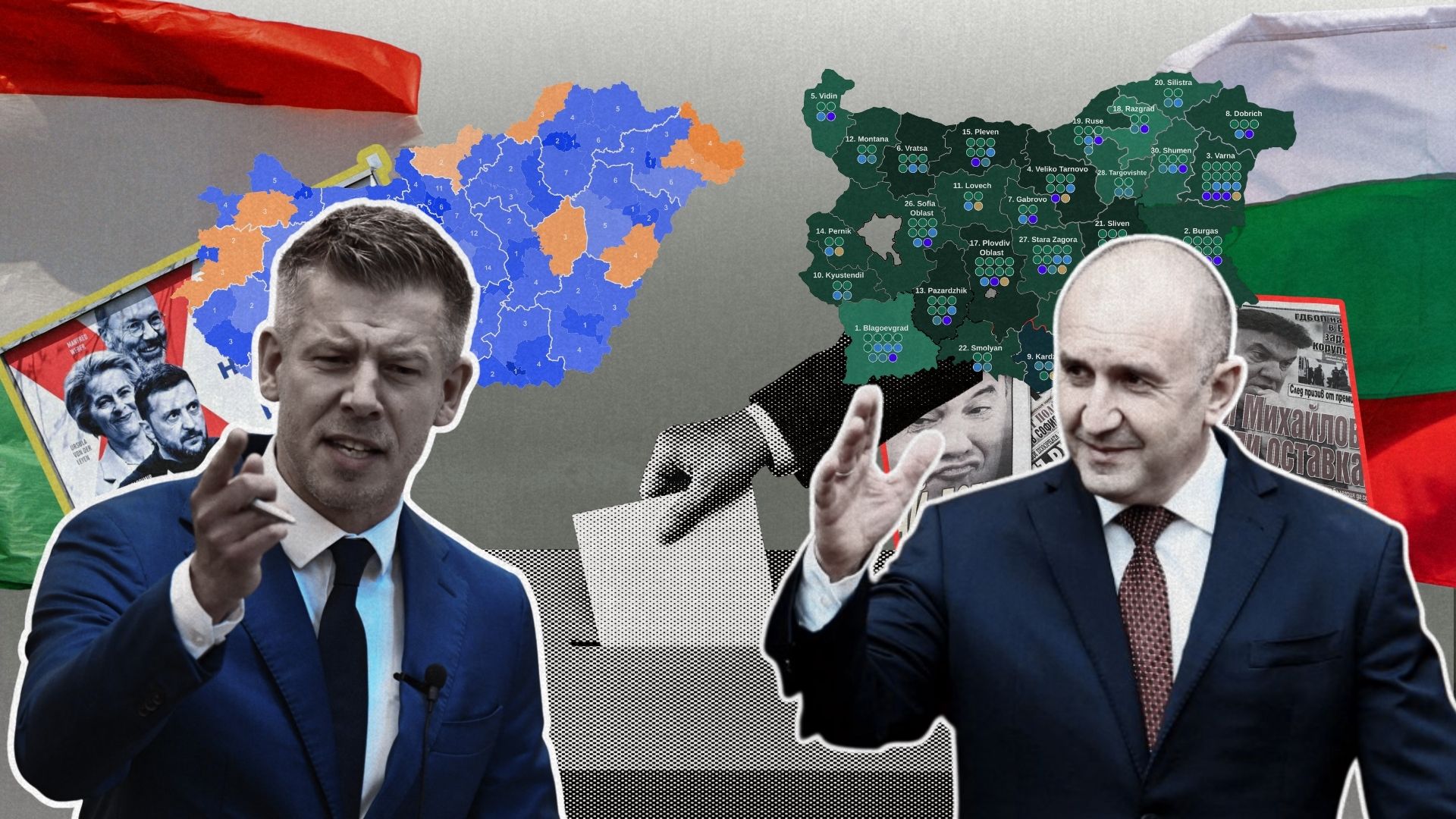
While Viktor Orbán’s Tusványos speech missed the mark and his inner circle spent the summer retreat touting loyalty and brushing off economic hardship, Péter Magyar criss-crossed Hungary’s countryside, tapping into a quiet, growing resentment. From small-town forums to packed rallies, his movement is beginning to pry open cracks in Fidesz’s long-held rural dominance.

At the end of 2024, there were rumours about a snap election in Hungary. The following year’s national budget had funds reserved for electoral purposes, and opposition leader Péter Magyar amplified the gossip, saying that they’ll switch to ‘campaign mode’ in the new year to get ready for Viktor Orbán’s potential call for early elections, the first of its kind in post-Socialist Hungary.

The government downplayed the question as ‘farcical’ and set its sights on 2026. In hindsight, it might have been their only way to remain in power.
Subscribe

Democratic security comes at a price. What is yours? By subscribing or donating now gain access to analysis, forecasts and scenarios by leading analysts and reporters who monitor democratic risks and develop policy debate from Central Europe on Central Europe.

MonthlyVAT included

€6/month

See all details

  • Full access to articles and all reports in PDF
  • Weekly outlook on democratic security in CEE delivered by e-mail
  • Weekly newsletter with essential highlights
  • Invitations to all Visegrad Insight events online and offline

AnnualVAT included

€60/year

See all details

  • Individual subscribers only. Check our CORPORATE OFFER below
  • Almost 17% discount (12 EUR off monthly cost if paid annually)
  • Full access to articles and all reports in PDF
  • Weekly outlook on democratic security in CEE delivered by e-mail
  • Weekly newsletter with essential highlights
  • Invitations to all Visegrad Insight events online and offline

Institutional

GO TO CHECKOUT

See all details

  • Access to all articles for your team
  • Access to all Reports for your team
  • Every Monday a Weekly Outlook with an update on key developments in Central Europe delivered by e-mail
  • Every Thursday a newsletter with the most important highlights and invitations
  • Personal invitations to Visegrad Insight Events
  • Foresight, policy, and risk analysis reports (on-demand)

I am a representative of an institution/business. Is there a corporate offer?

The annual subscription for up to ten institutional users: EUR 999
GO TO CHECKOUT

For a tailor-made offer email us: contact@visegradinsight.eu 

  • Access to all articles for your team
  • Access to all Reports for your team
  • Every Monday a Weekly Outlook with an update on key developments in Central Europe delivered by e-mail
  • Every Thursday a newsletter with the most important highlights and invitations
  • Personal invitations to Visegrad Insight Events
  • Foresight, policy, and risk analysis reports (on-demand)

Intelligence prepared by a group of Visegrad Insight Fellows from all across

Can I receive an invoice?

Yes. You will receive a receipt immediately after purchase and a VAT invoice upon request. The subscription amount includes tax. In case of a donation, there is no tax.

Are my credit card details safe?

Yes. The payment is processed by STRIPE www.stripe.com entrusted also by Amazon, Zoom, Booking.com and used by other global NGOs and businesses in the world. We do not store your credit card details.

How modify or cancel my subscription?

At any moment you can manage your subscription and account details. Sign in to modify or cancel.

Iván László Nagy

Marcin Król Fellow

Ivan L. Nagy is a Fellow at Visegrad Insight from Budapest, currently working for the Columbia Journalism Review in New York. Prior to his move to the US, he was an analyst, opinion writer and the head of podcasts at HVG, a leading independent news outlet in Hungary. His work focuses primarily on democratic security and right-wing populism in the CEE region. He is a graduate of Columbia Journalism School's MA programme.

Newsletter

Weekly updates with our latest articles and the editorial commentary.