
Commentary
Economic Security
No Endgame in Von Der Leyen’s China Strategy
23 September 2026

29 April 2026
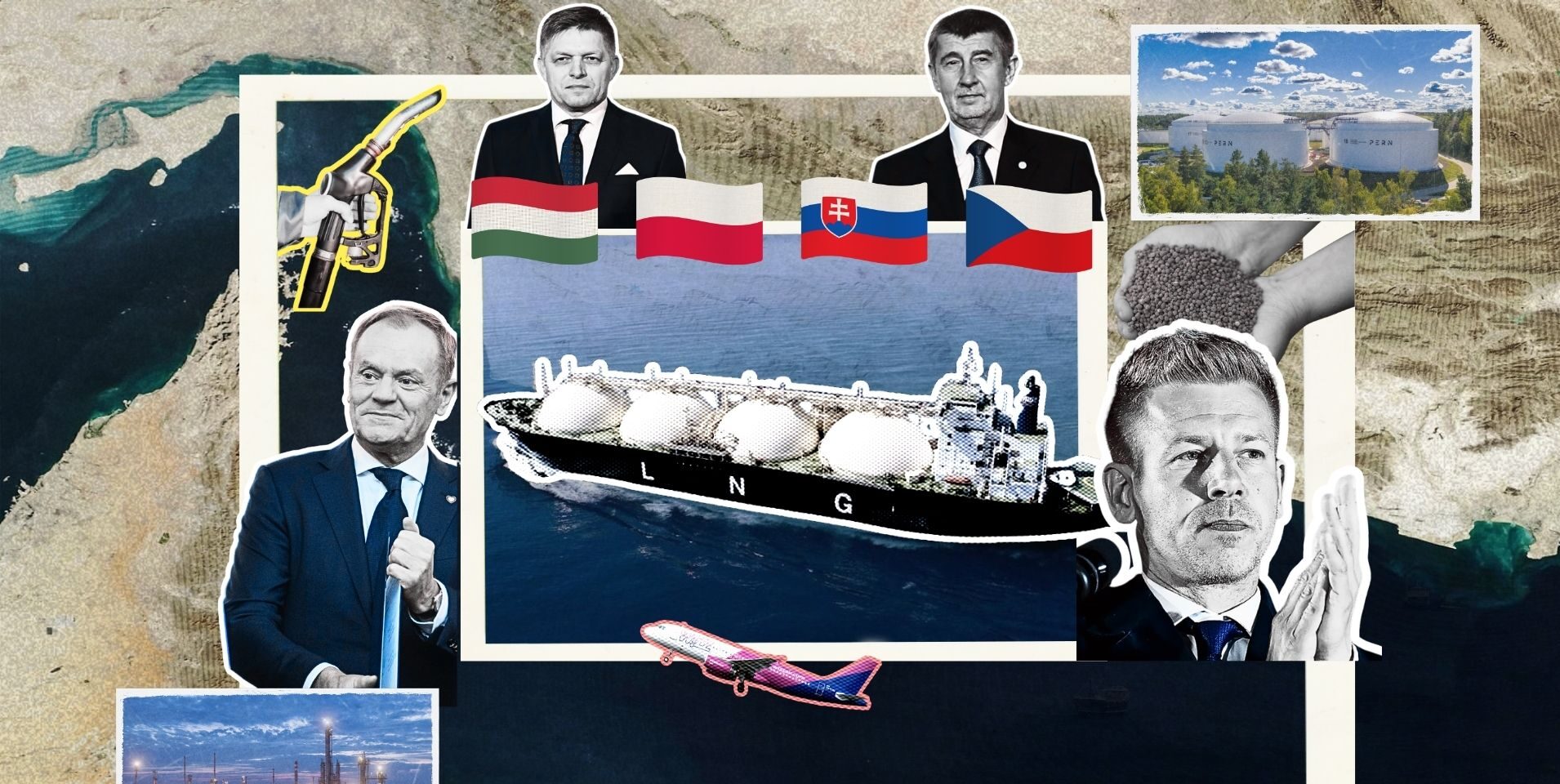
The Three Seas Initiative Summit in Dubrovnik consolidates US energy supplies in the region against the backdrop of supply disruptions from the Strait of Hormuz. V4 countries face varying levels of vulnerability but may benefit from deepening regional integration and Poland’s growing role as a gas hub.
Last week the European Commission unveiled a package of measures aimed at containing the energy supply crisis triggered by the war in the Middle East. Branded AccelerateEU, the toolbox is framed as a means for member states to manage current pressures and prepare for further disruption.
That regulatory response collides with a hardening situation on the supply coming from the South Caucasus and Central Asia. Russia announced that it will halt the transit of Kazakh crude to Germany via the northern branch of the Druzhba pipeline from 1 May, citing ‘technical’ reasons. Kazakh exports through Druzhba to Germany reached about 2.1 million tonnes in 2025, equivalent to roughly 43,000 barrels per day, plus 730,000 tonnes in the first quarter of 2026. The volumes account for approximately 17 per cent of throughput at the PCK Schwedt refinery that supplies the entire Berlin-Brandenburg region.
In light of the ongoing Three Seas Initiative Summit in Dubrovnik, Visegrad Insight assessed how exposed the Visegrad Four countries are to current energy-supply pressures, as well as the opportunities the region presents for Europe. This year Poland brought one of its largest delegations to the Initiative, comprising over 50 business representatives who arrived on a presidential aircraft.
Commentary
Economic Security
No Endgame in Von Der Leyen’s China Strategy
23 September 2026

Analysis
Economic Security
The Western Balkans Are Ageing Before Getting Rich
9 September 2026

Analysis
Democratic Security
Unlocked
A Polish Crypto Rescue Priced on Orbán Staying in Power
9 September 2026

Economic Security
Events
Think Tank
Europe Aligned with Iran Sanctions Long Before D-Day
8 September 2026