
Commentary
Democratic Security
The Deafening Silence of Poland in Europe
6 October 2026

7 October 2026
CEE countries are seeking greater cooperation within the EU on defence and industrial buildout. Will pursuing both be possible?
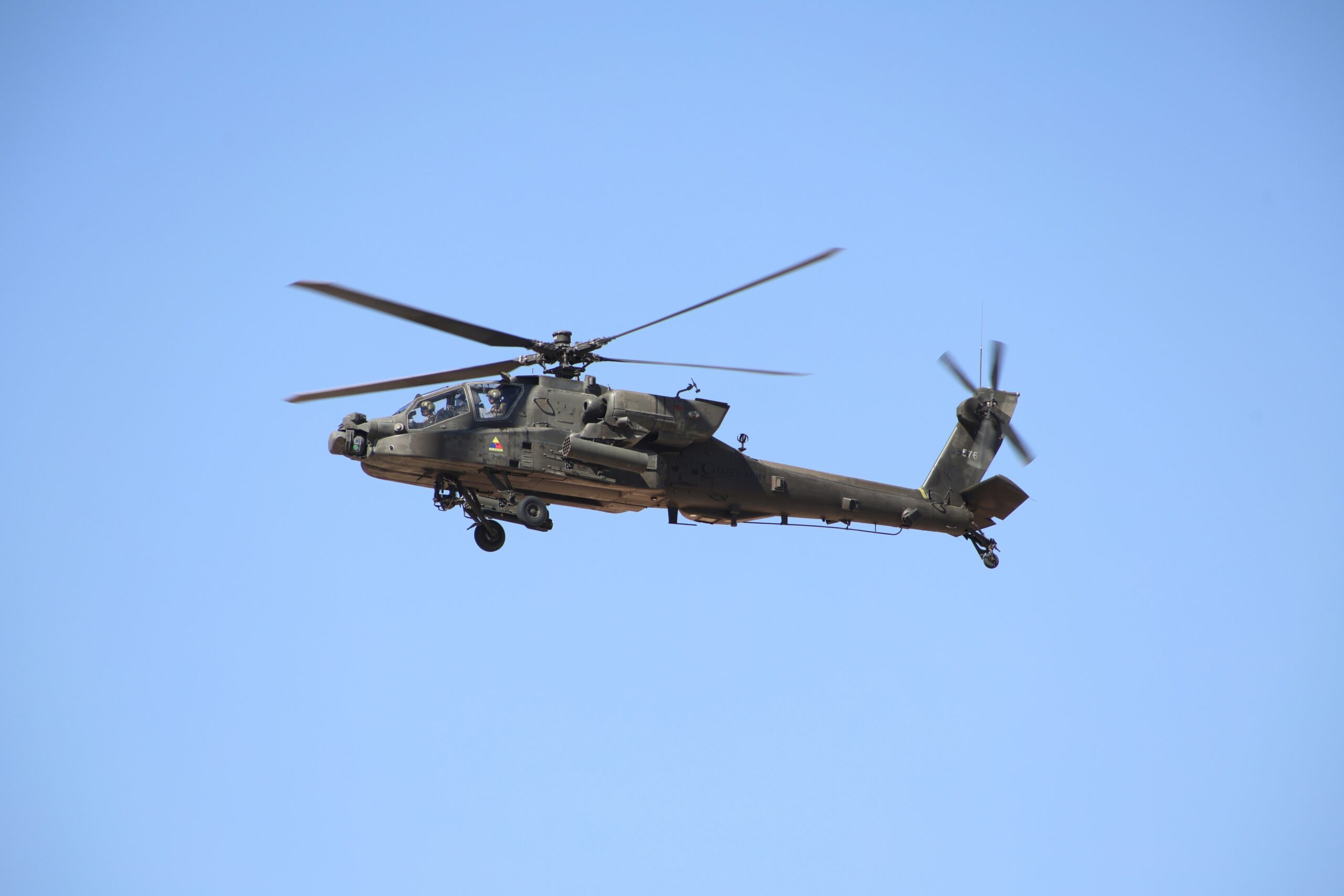
On 9 September 2026 Poland signed a four-billion-dollar financing deal with the United States, bringing total US support to nearly 20 billion dollars. The money was specifically earmarked to buy US military equipment, including Abrams tanks, F-35 fighter jets and Apache helicopters. In 2025, Poland also earmarked 3.8 billion US dollars to modernise its F-16 fighter jet fleet to improve reconnaissance capabilities, communication and integration with other military equipment. The Baltic countries have made similar defence procurements from the United States recently, as countries in Central and Eastern Europe (CEE) continue to expand their militaries with US support.
Despite continued reliance on US weapons, however, CEE is becoming more comfortable looking towards Brussels for military-related financing. The countries’ own industrial capabilities are also advancing in a bid to become more self-sufficient. In late May, for example, the EU began rolling out funds as part of its 150-billion-euro SAFE defence modernisation programme, which provides Member States with long-maturity loans to support investments in defence. Poland has already received a 6.6-billion-euro payment out of 43.7 billion planned – the largest share from across the entire pool of participating countries. Payments are planned for 19 Member States, including the overwhelming majority of CEE countries.
Apart from the loan programme, the upcoming EU multi-annual budget includes a 131-billion-euro allocation towards defence and space under new competitiveness funds. Equally, 175 billion euros are earmarked for dual-use research projects under the Horizon Europe programme, and over 17 billion euros are due to be allocated to improving military mobility.

Commentary
Democratic Security
The Deafening Silence of Poland in Europe
6 October 2026

Commentary
Democratic Security
Few Reasons to Worry About Latvian Trump
1 October 2026

Analysis
Democratic Security
Hungary-Ukraine Spat Gains a New Dimension – OVERVIEW
1 October 2026

Democratic Security
Interview
If Russia is the Storm, China is Climate Change – INTERVIEW
24 September 2026